When it comes to engine oil, maintaining the right temperature range is key to longevity and minimizing internal wear. That’s because engine oil relies on its viscosity—the thickness of the liquid—to create a protective barrier between moving parts.
But the catch is that viscosity isn’t constant; it changes with temperature.
If you’re running dual weight oil, such as 5W30, the 5 is the cold viscosity while the 30 is the warm viscosity. This allows the oil to circulate quicker and easier in low temps when cranking, but thicken up to protect the engine as it warms. That is the main reason why frequent short trips are rougher on engines and why you’re supposed to let an engine get to running temperature before driving it hard.
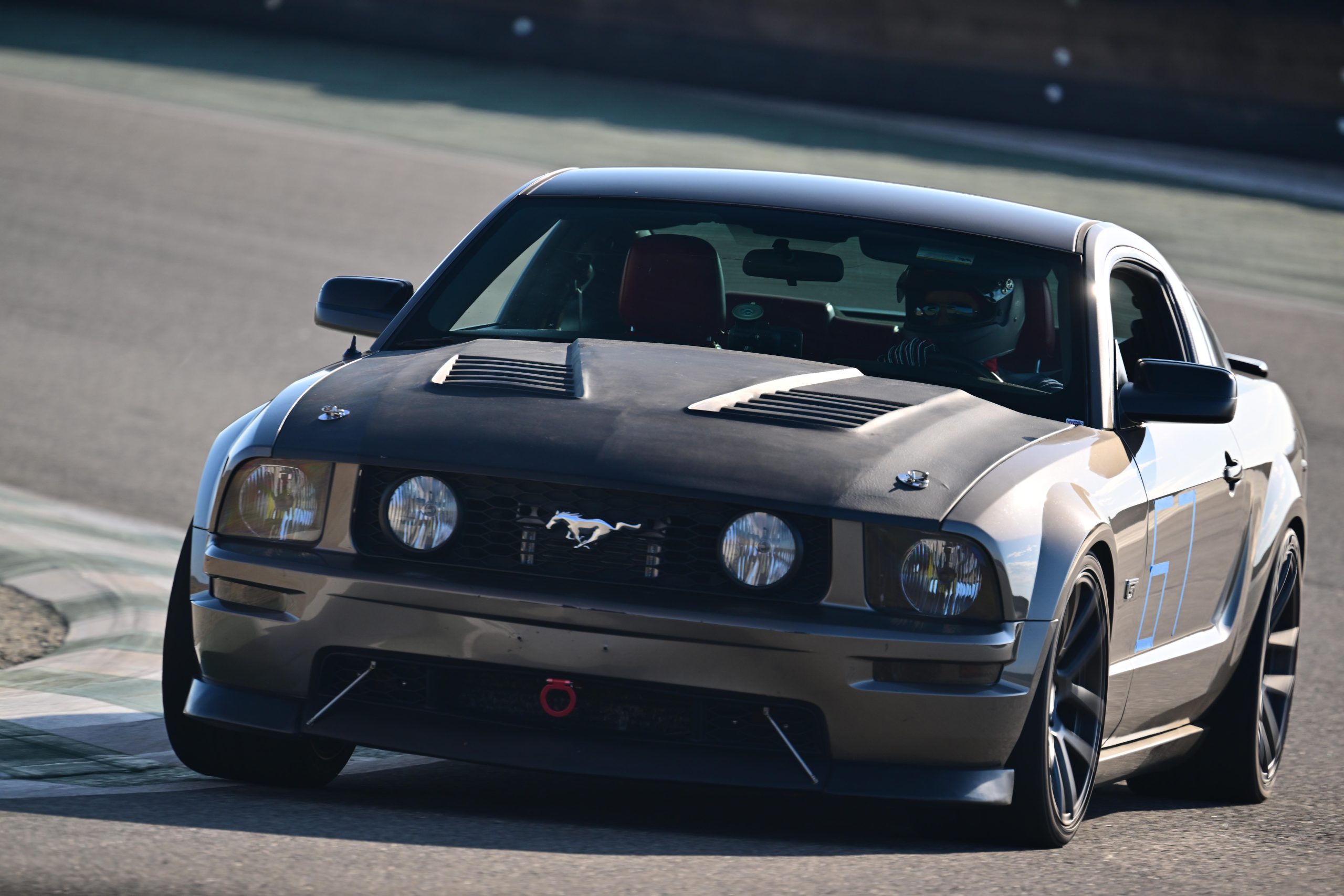
Engine oil coolers aren’t a requirement to get your car on track, but they will help keep engine oil in a safer temperature range. (Image/CaliPhotography)
In addition to lubrication, oil also serves to transfer heat away from engine components. If the temperature becomes excessively high, oil viscosity can thin to a point where the lubrication barrier can begin to break down, increasing wear and the risk of serious engine damage. On the other end of the spectrum, cold oil viscosity doesn’t flow quickly through the engine and can cause excessive frictional drag on the bearings and cylinder walls, which also leads to accelerated wear over time. To add another layer to this, the internal combustion process produces water, sulfur, and other byproducts that can form acids that damage bearings and getting oil to the right temperature range helps manage these contaminants.
So, we want our engine to regularly get warm enough to burn off water and other contaminates, but not so hot that our oil starts to break down. On the low end, that means we want the oil to get warm enough to evaporate out the water and contaminants. We spoke to oil experts at two leading companies, and both agreed that if your oil reaches around 180 to 215 degrees routinely, it will be fine.
Outside of extreme winter conditions, that’s usually not a problem for street cars as they’re engineered to reach a temperature set by the cooling system thermostat. If you are in extremely cold weather or taking frequent short trips where your engine struggles to get up to temp, just plan on shorter oil change intervals. Both of our industry experts agreed that even in those conditions, if you’re using quality oil and the oil is hitting at least 160 degrees, you’re fine. Just don’t run it hard at those temps and use shorter oil change intervals of around 3,000 miles.
Where temperature can become a problem for performance driving is on the high end where sustained high rpm use sends oil temperatures well above the standard driving range. Quality conventional motor oils can easily handle oil pan sump temperatures up to 250° F, but begin to degrade above 275° F. Many full synthetic oils can withstand sump temperatures up to 300° F, which is one reason they are often recommended for extreme use. These are temps that you’re very unlikely to ever encounter in normal street driving but can occur if you’re running the engine hard for extended periods.
In either case, our experts agreed that the ideal driving around temperature range for most oils and most cars is around 190 to 230° F with roughly 200 to 215° being a sweet spot. This is hot enough to remove water and other byproducts from combustion, but well below the range where viscosity is going to become an issue. For dedicated race cars running high viscosity and high temp racing oil, these temperature ranges can shift upwards to around 275 to 300° F, but keep in mind that those are limited lifespan engines.
This is where oil coolers come in. Just like a radiator, an oil cooler acts as a heat exchanger that creates increased surface area that air can flow across to cool the oil down as it moves through the tubes in the exchanger. In the case of an efficient oil cooler, that temperature drop can be 30 to 50 degrees. That’s enough to take engine oil from the critically high temperature zone back to the safe zone.
By now, you’re probably wondering about your current car and whether you need an engine oil cooler to stay within the ideal engine oil temp range. The good news is if you have a street driven car that is never used for extended periods at high rpm, such as road course style track day events or high speed off-road driving, the odds are that you do not. A typical street car running quality modern engine oil only needs the radiator and cooling system plus the oil pan sump to stay within the required temperature and viscosity range. Even most drag racers and autocrossers don’t bother with engine oil coolers since their runs are usually too short to spike engine oil temps excessively. It’s when you start pushing things hard for extended periods that you might be moving outside of the safe range.
That can happen quickly too. Most track day sessions, like those our dual-purpose street/track S197 Mustang project car runs, are typically in the 15 to 20 minute range. Being hard on the throttle for that long can exceed the cooling system’s ability to keep the oil within ideal temperature range, especially on a hot day. We’ve seen it happen many times at track day events. For those without an oil temperature gauge, one of the first indications that the oil temp may have gone to concerningly high levels is significantly lower than normal idle oil pressure at end of a session.
Unfortunately, our S197 Mustang wasn’t originally equipped with an oil temperature or true oil pressure gauge, so we’ve been somewhat blissfully ignorant of exactly where our post event engine oil temp peaked and how low the pressure dropped, but we know it isn’t good. In addition to an oil cooler kit, we’ll also be adding water temp, oil temp, and oil pressure gauges so we can see exactly what temperatures and pressure our engine is seeing on and off track.
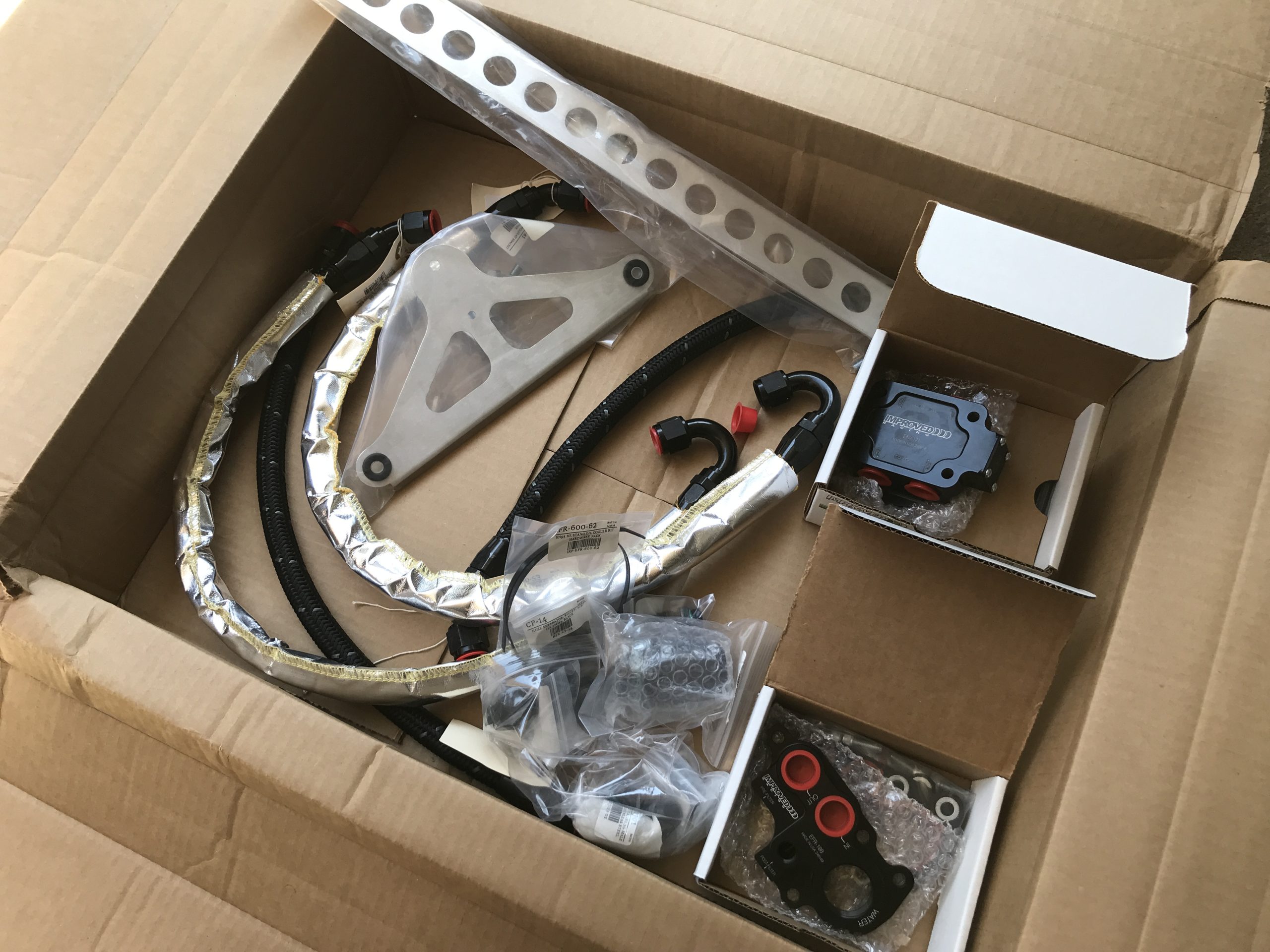
Summit Racing has numerous oil cooler kits, including one from Improved Racing that is exactly what our track focused Mustang needs. Follow along as we install and test it on street and track.
The Parts:
IRP-EFR-600-T6 – Improved Racing Performance Oil Cooler Kit
ATM-P322318 – AutoMeter Spek-Pro Oil Temperature Gauge
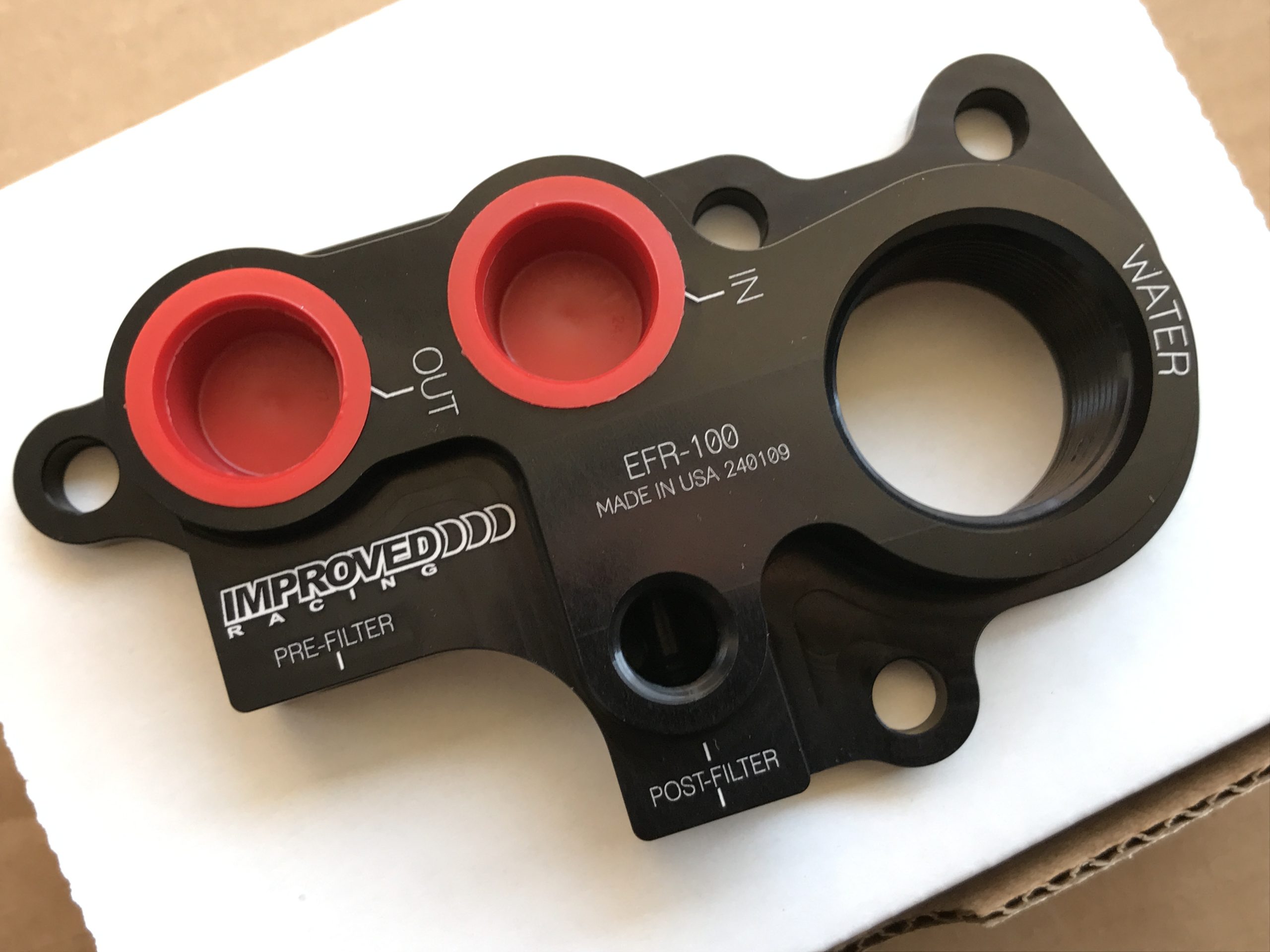
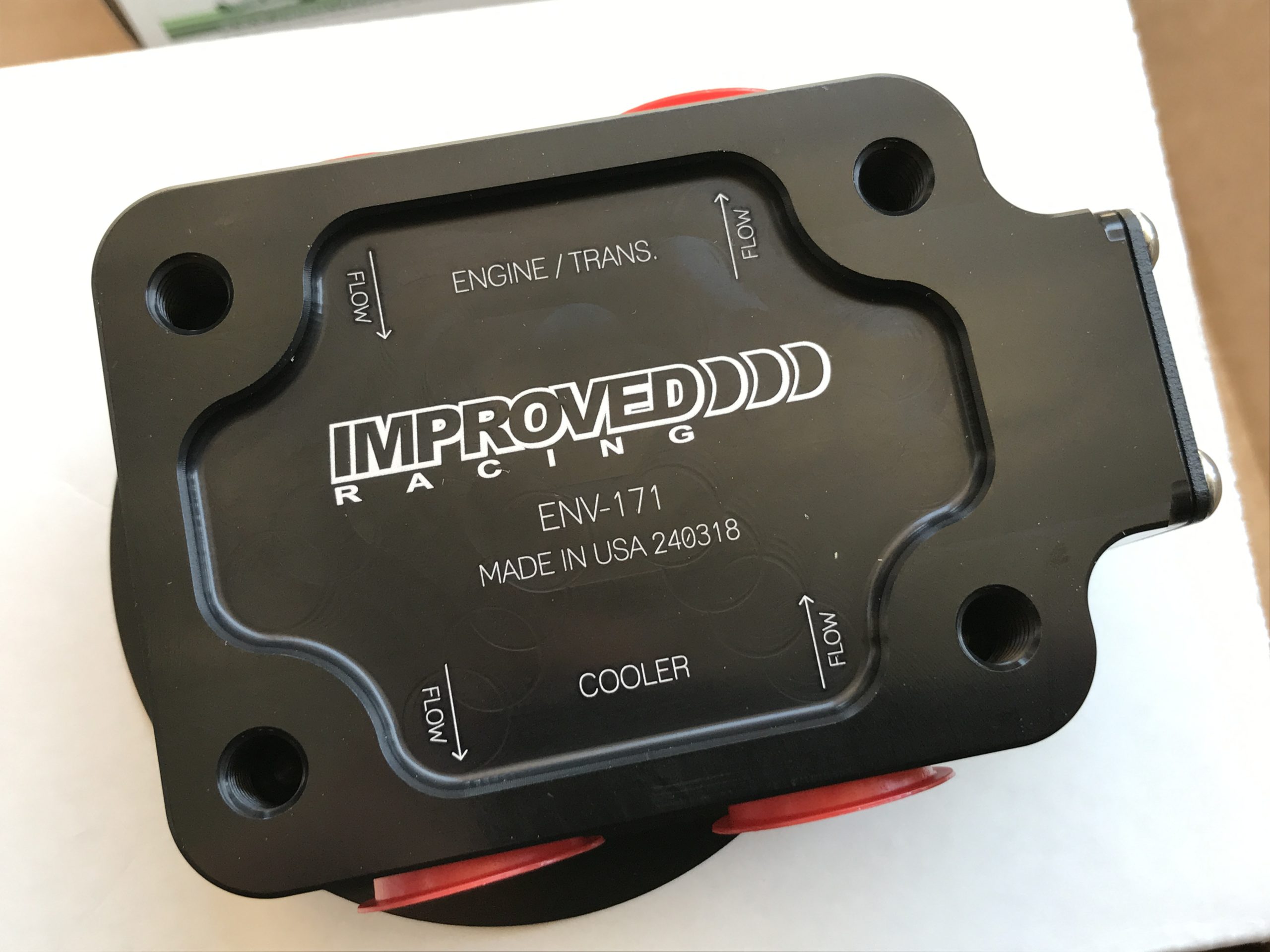
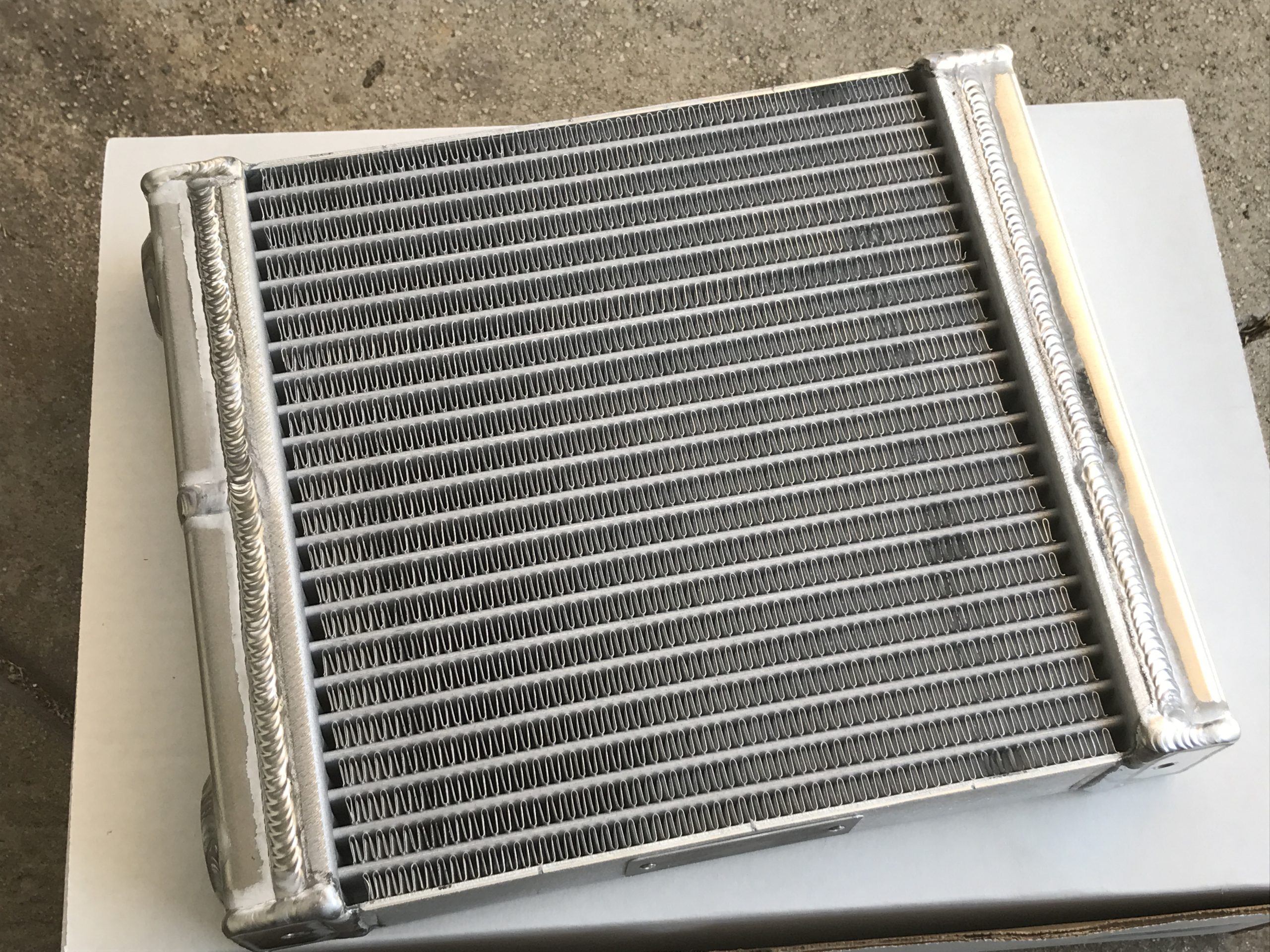
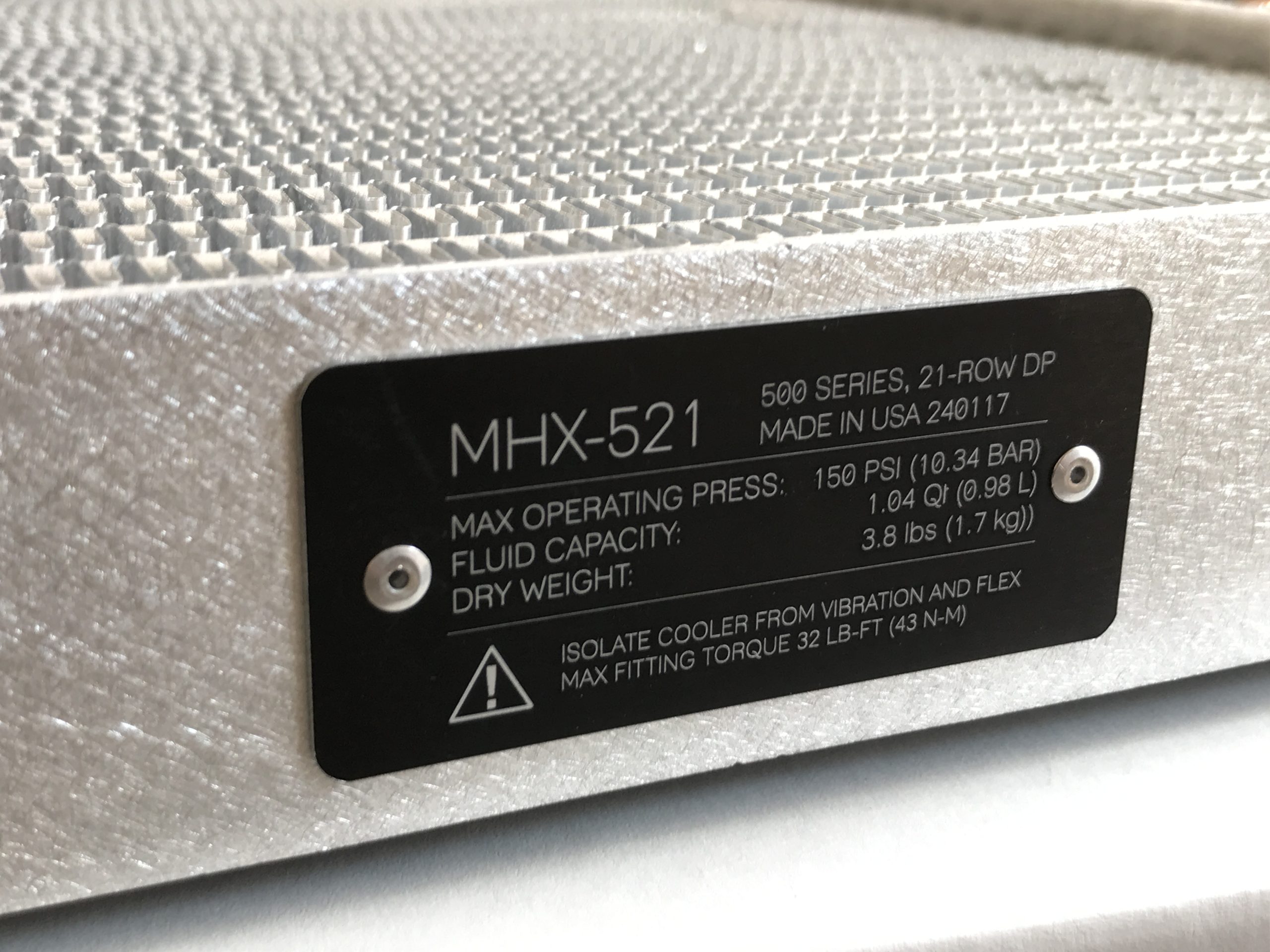
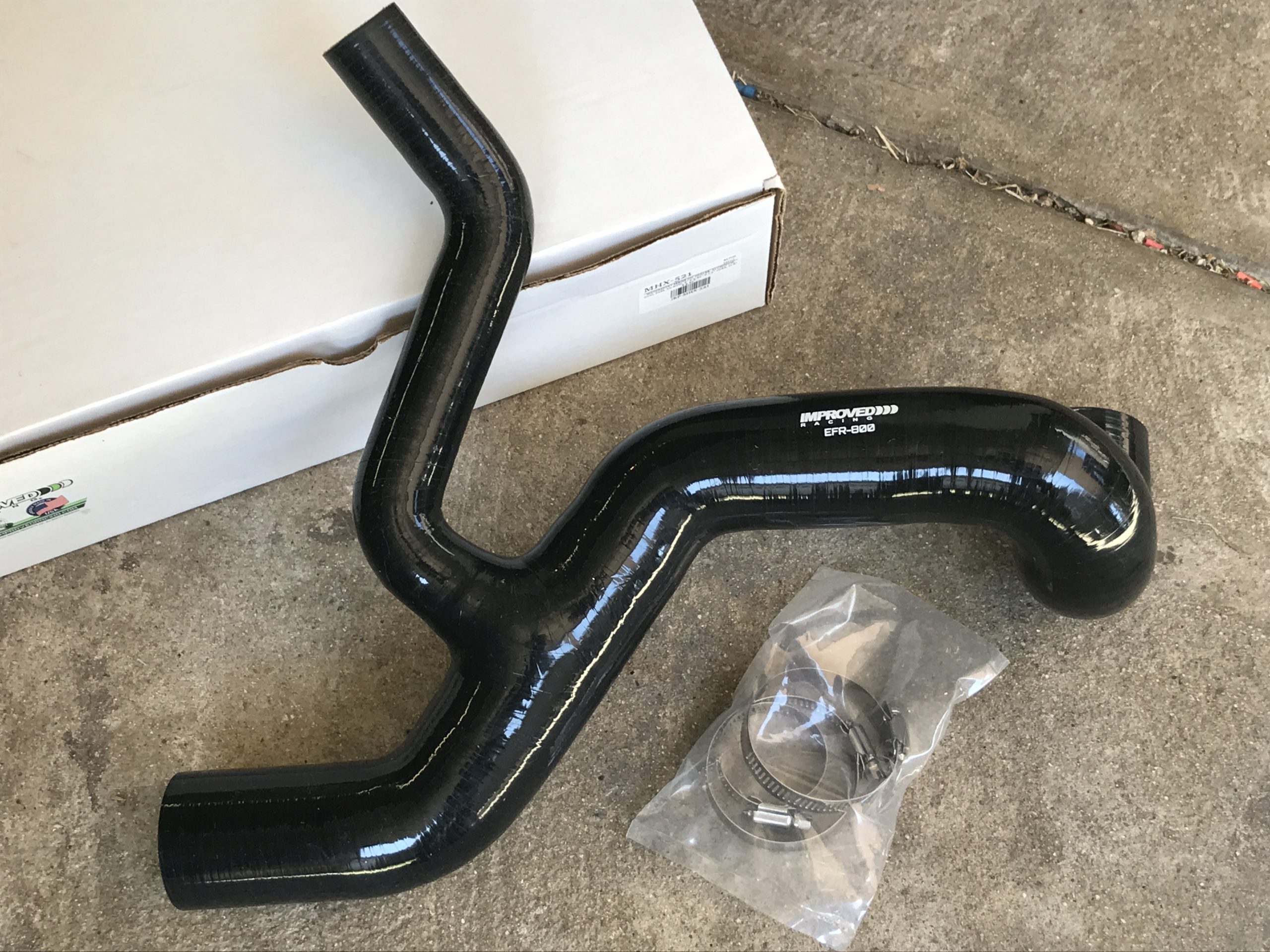
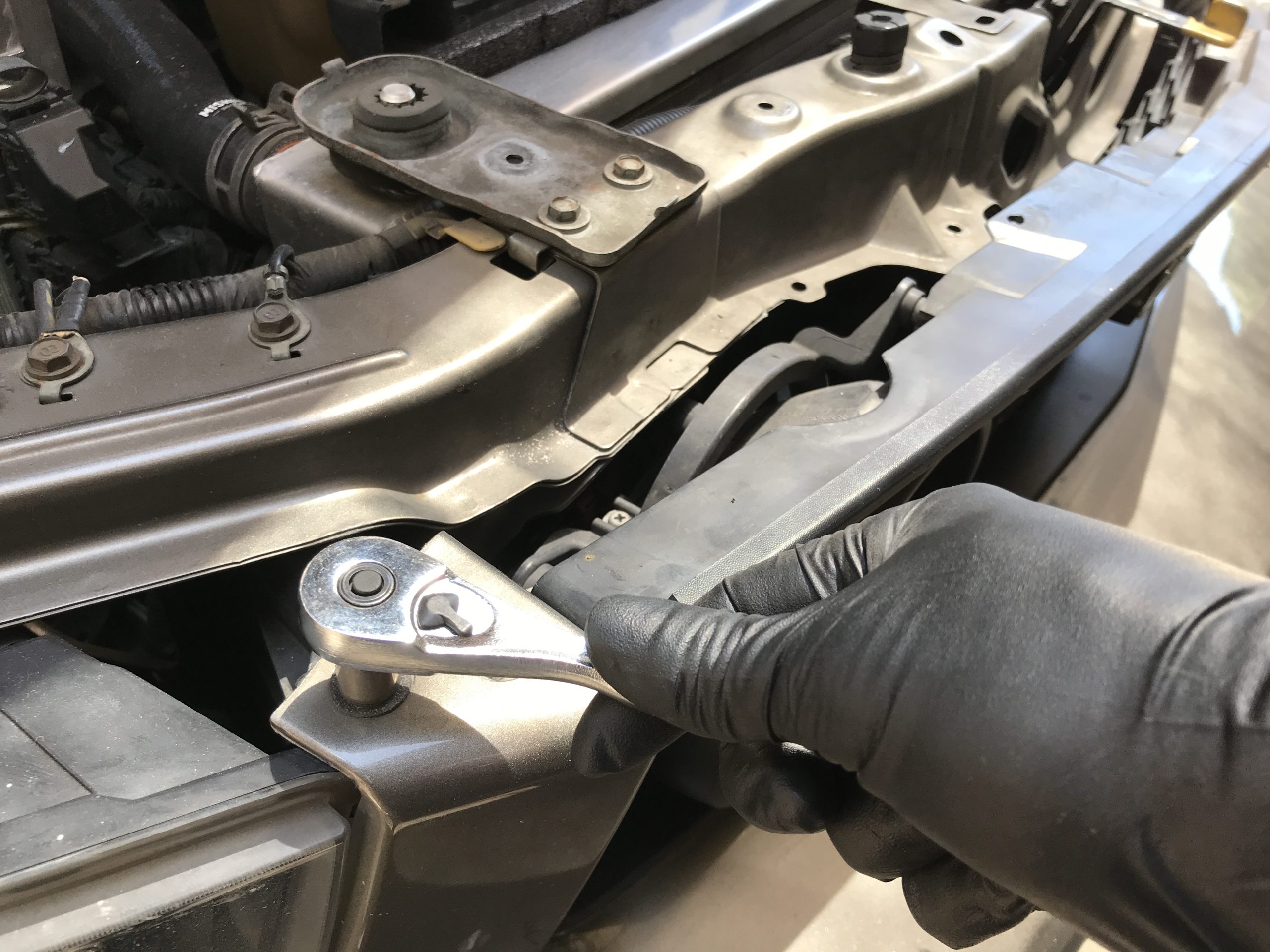
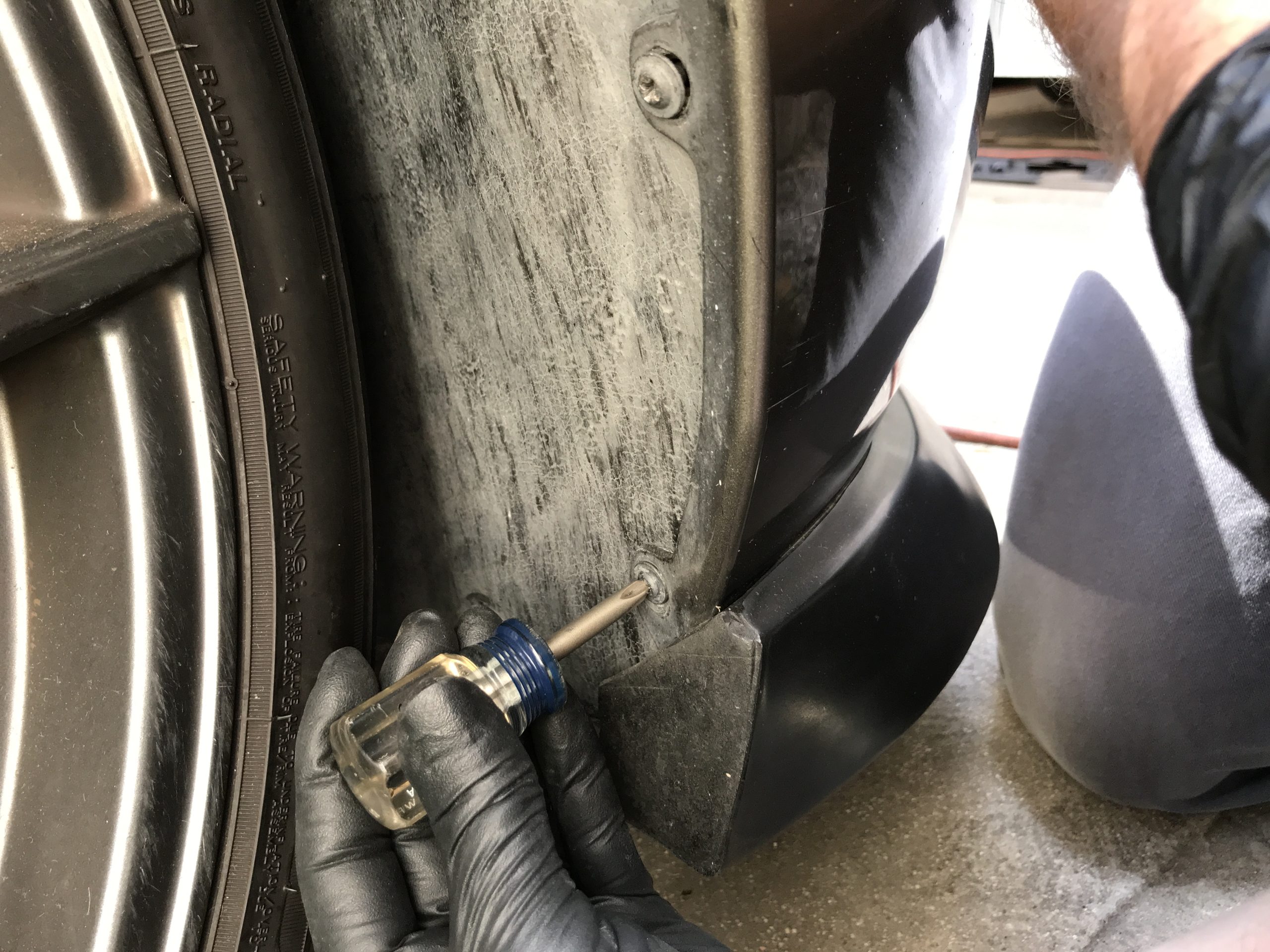
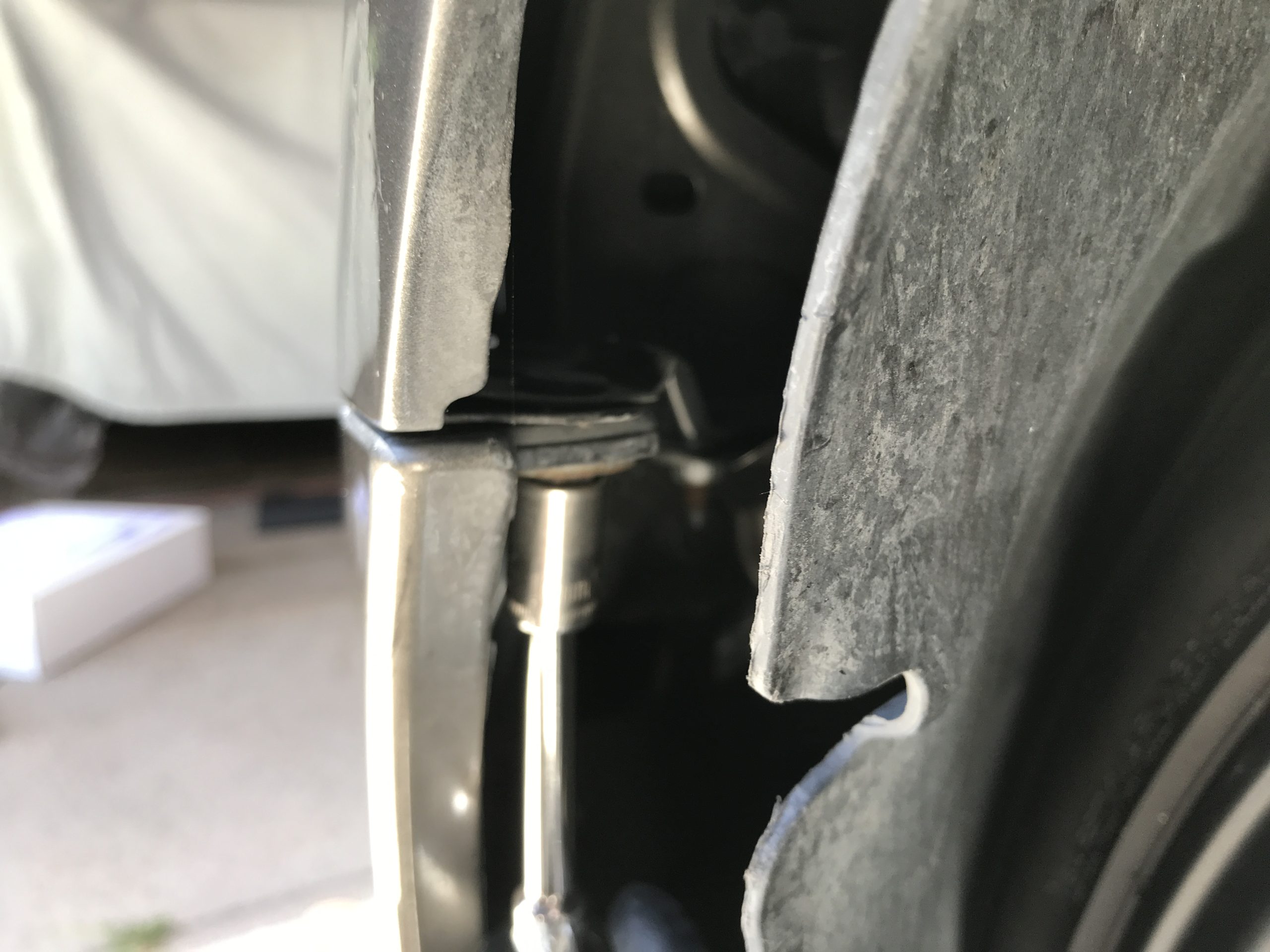
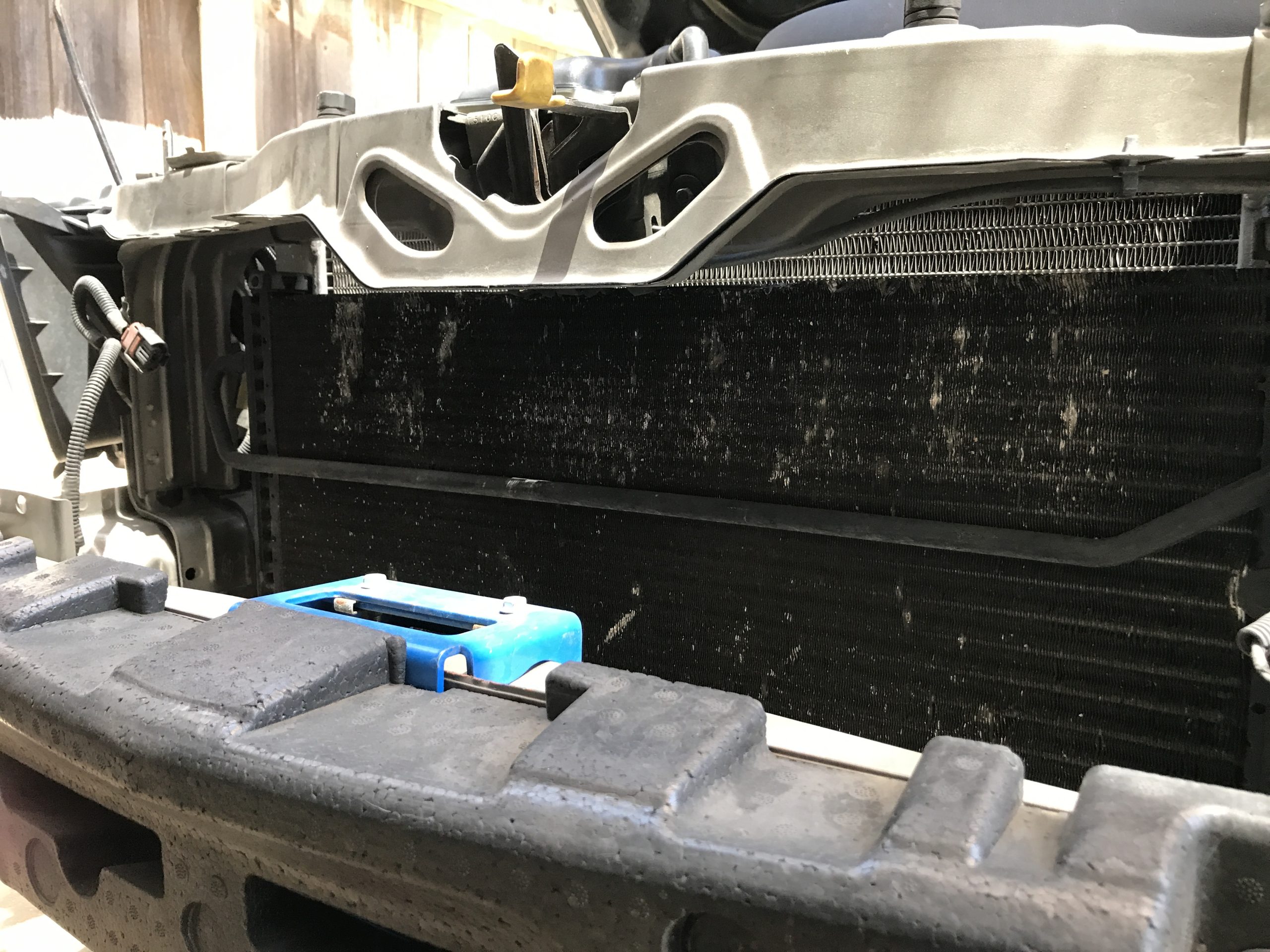
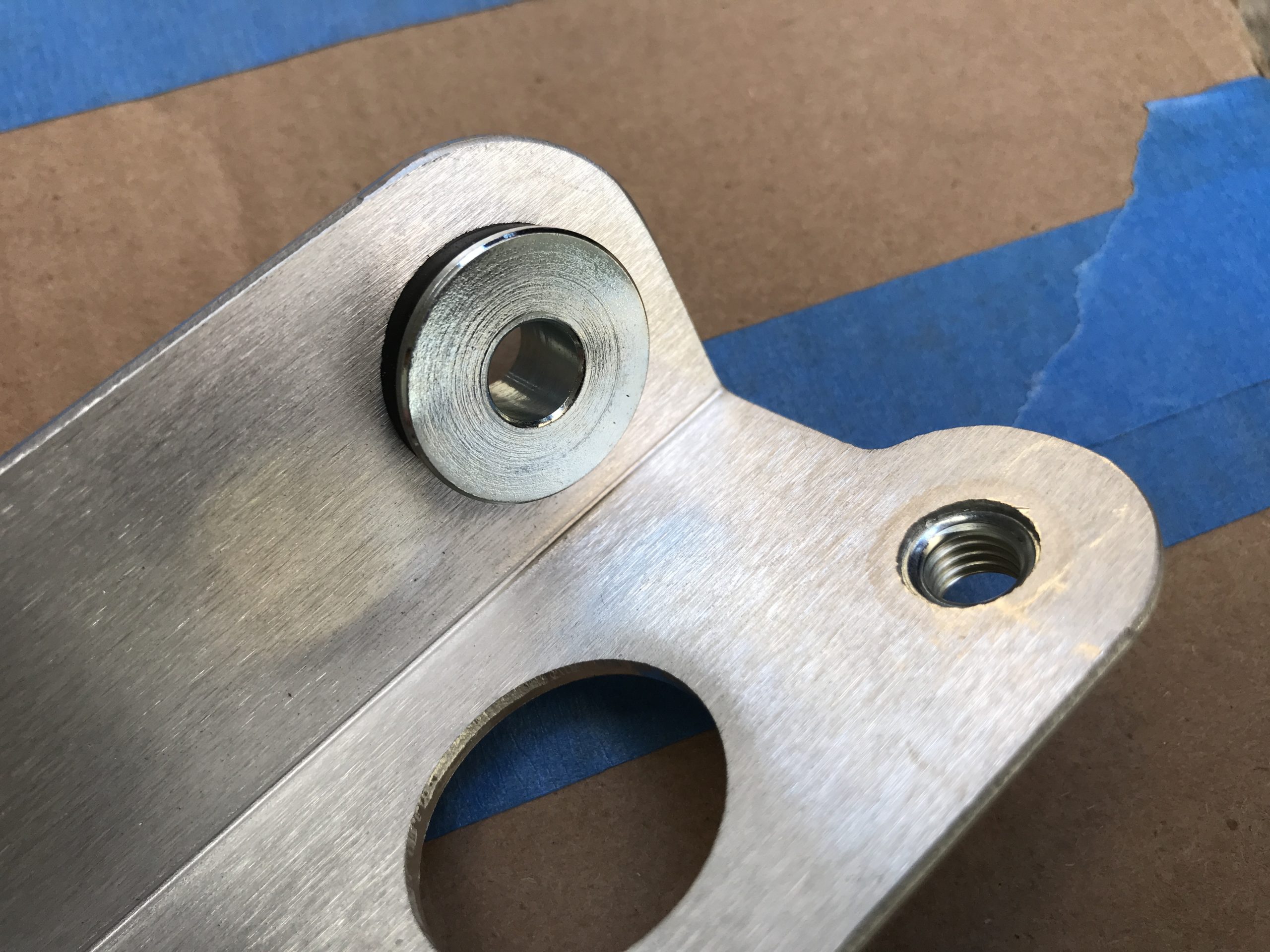
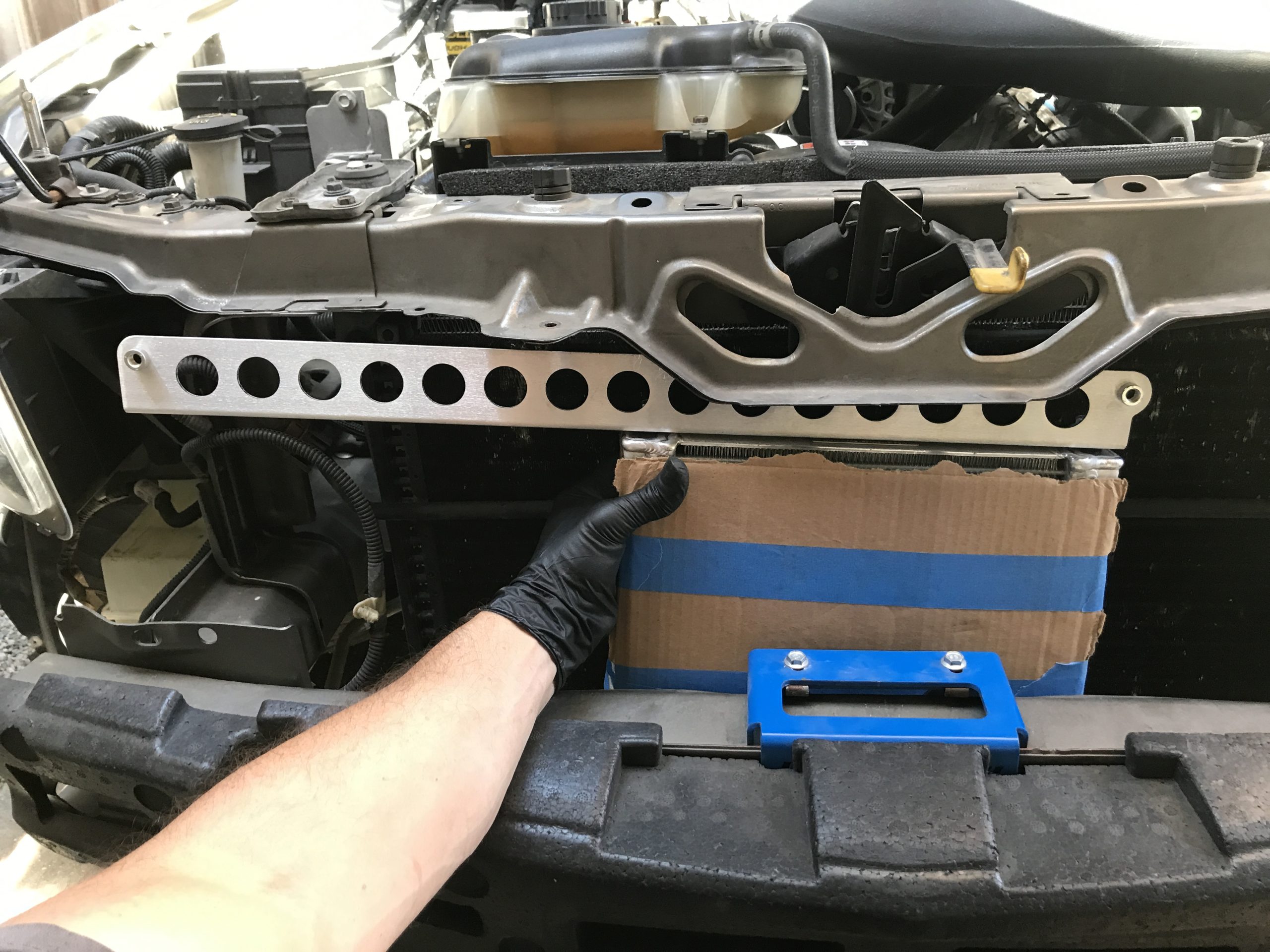
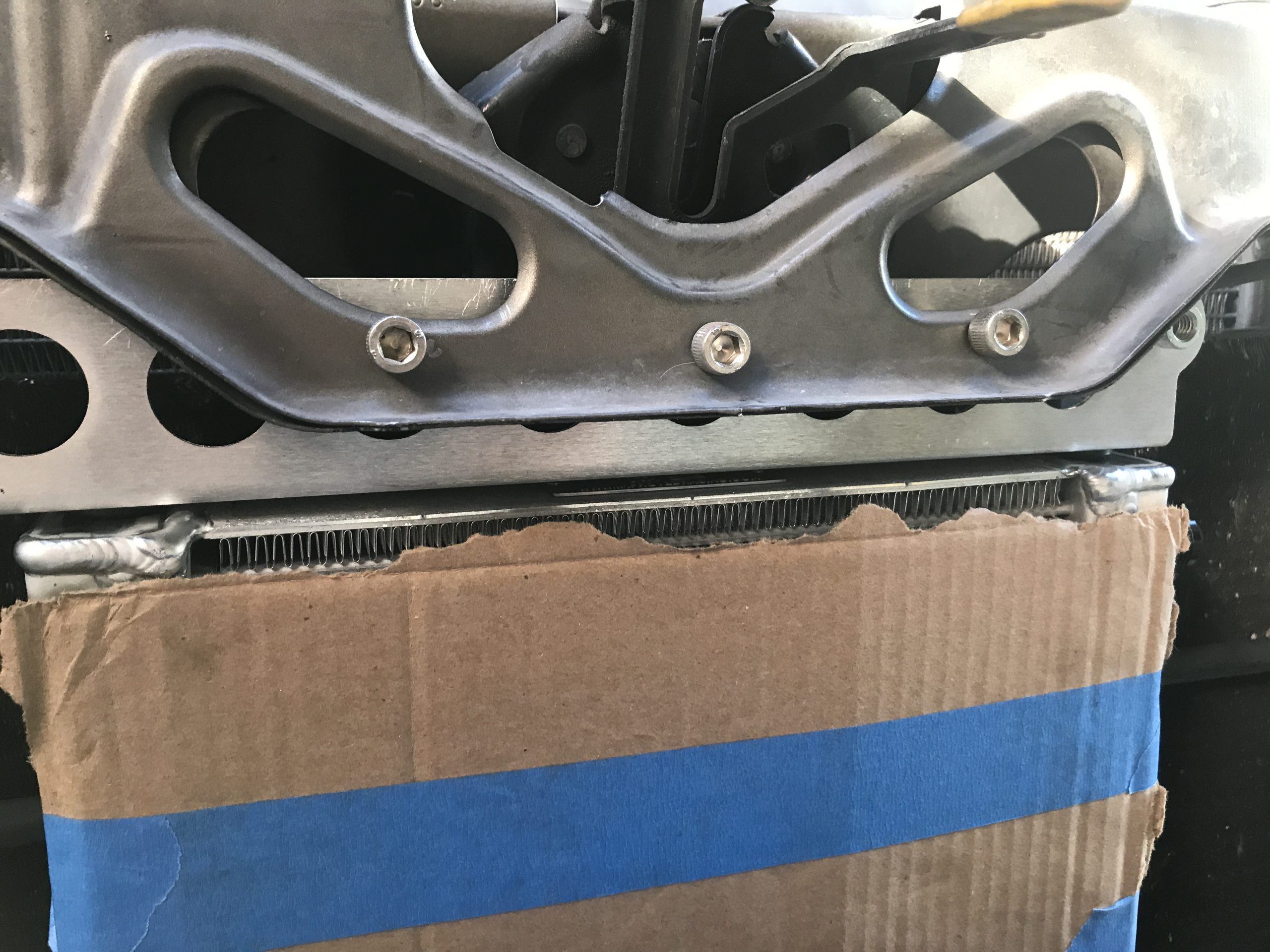
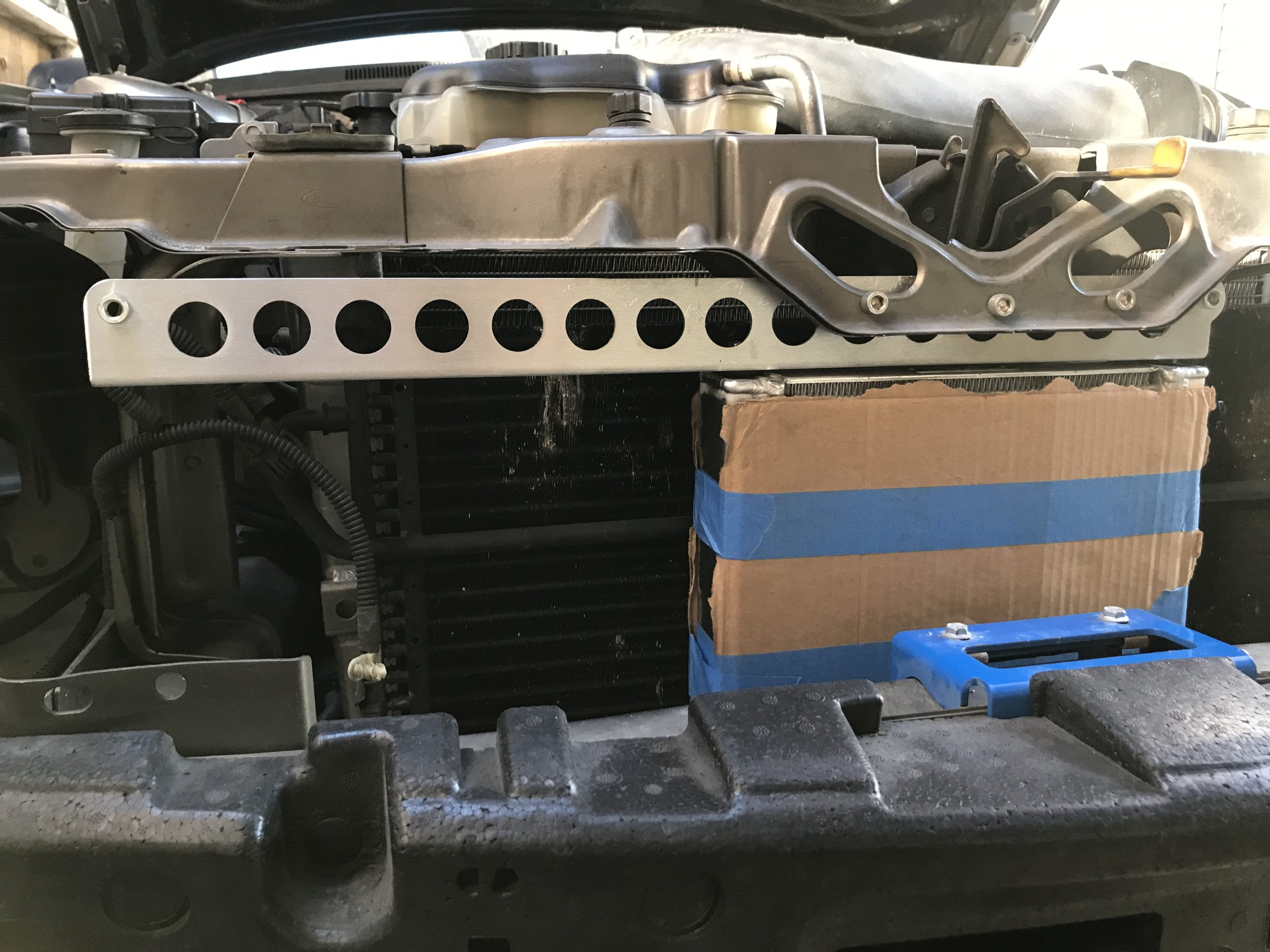
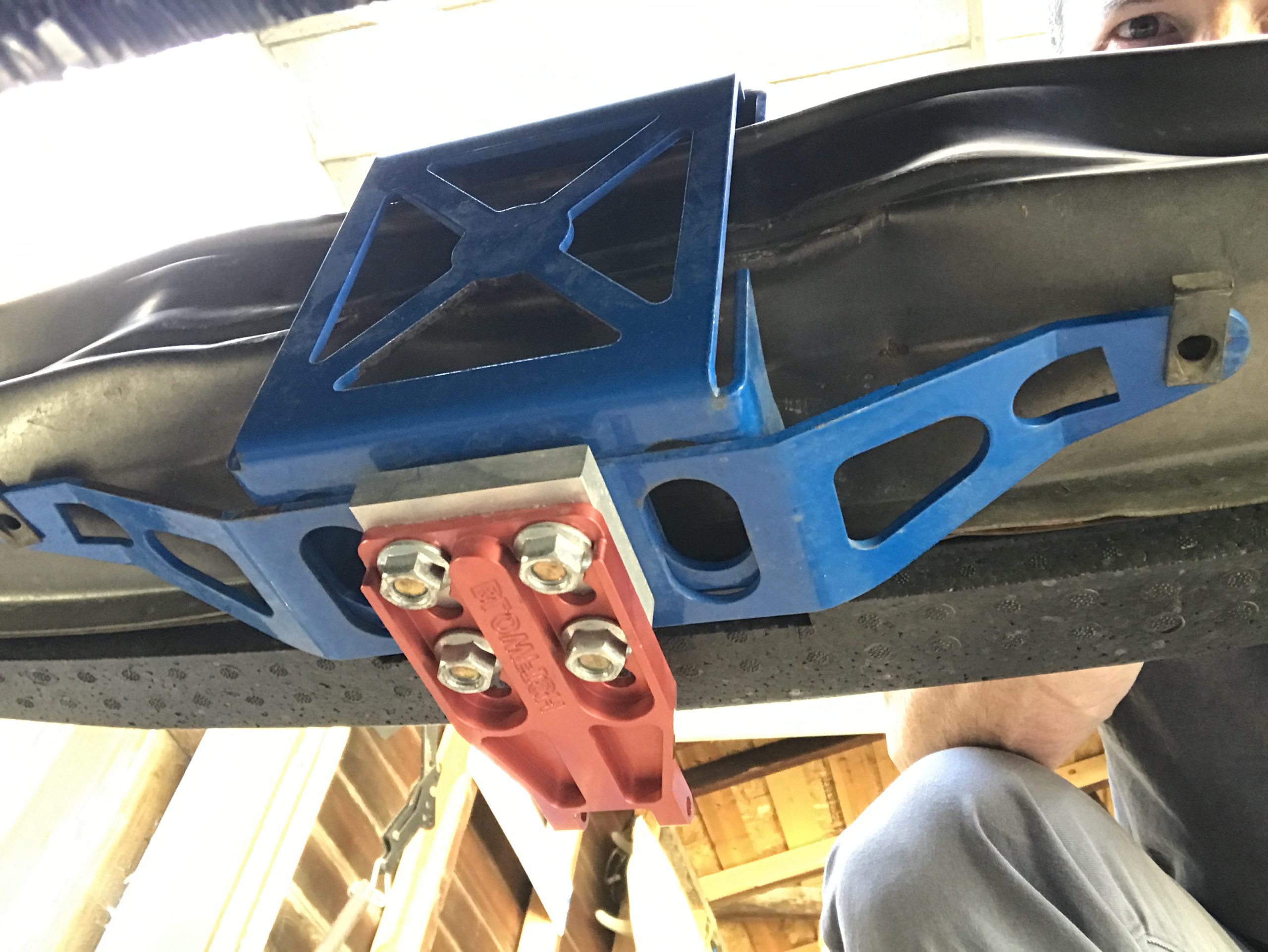
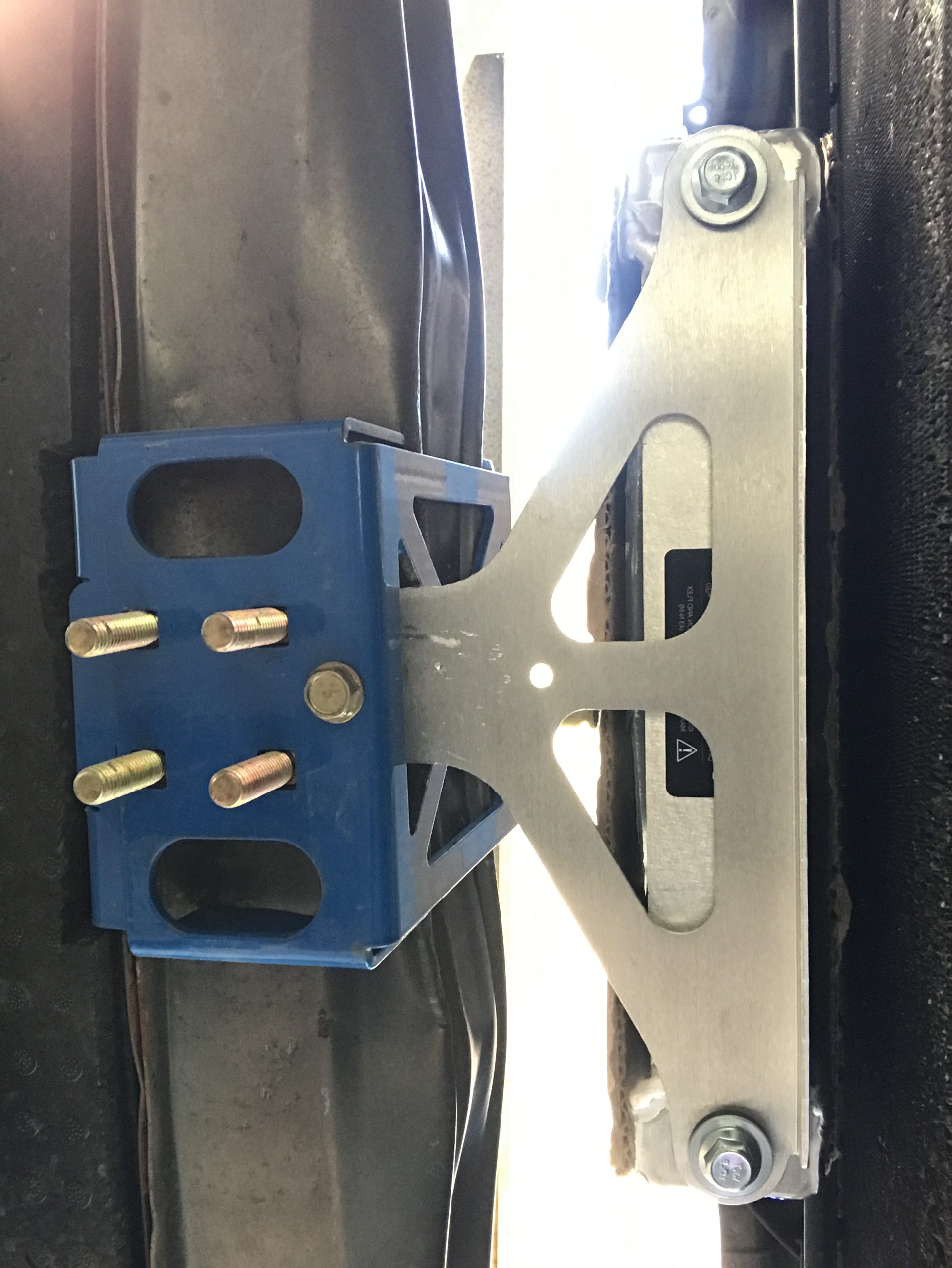
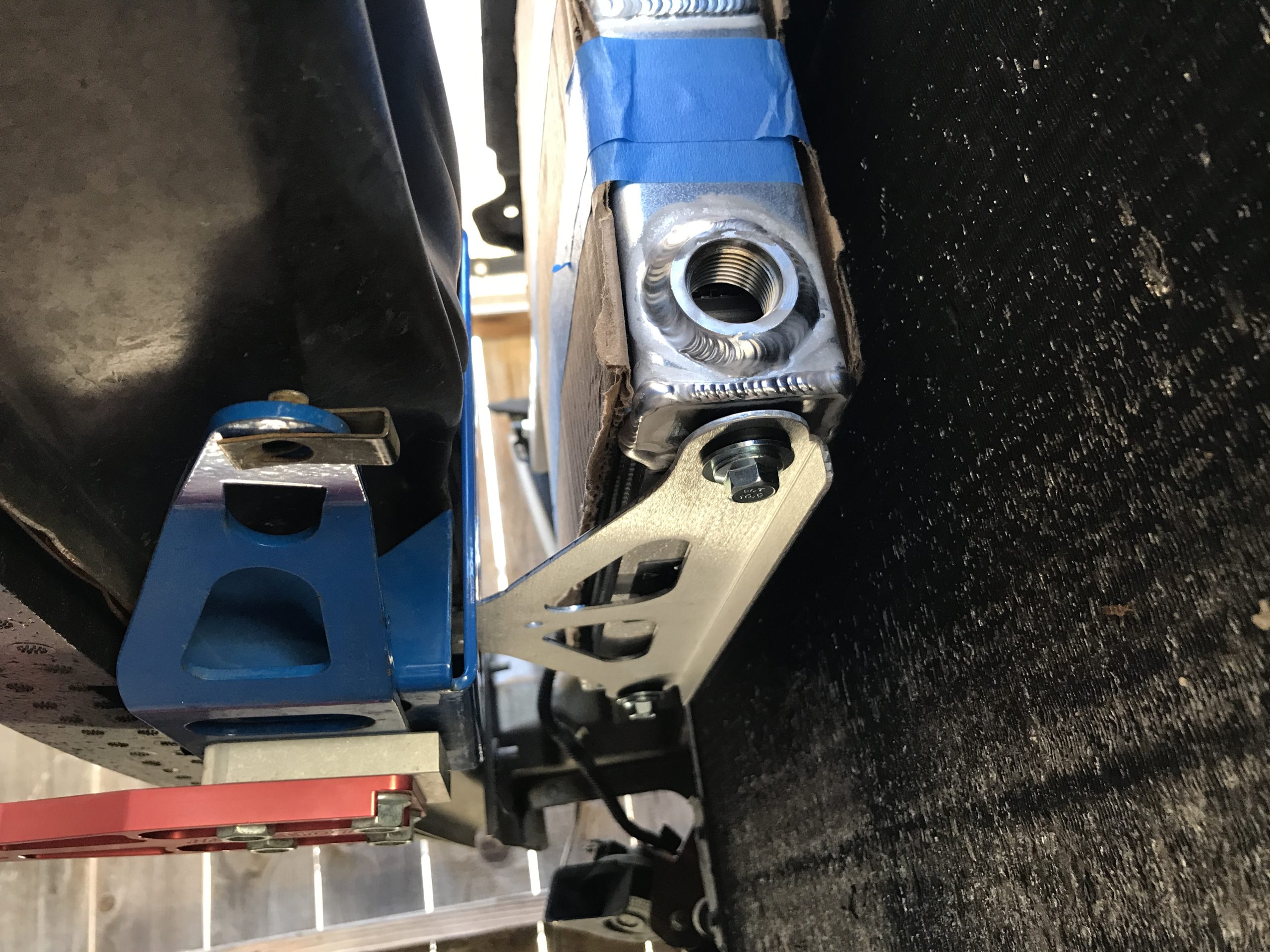
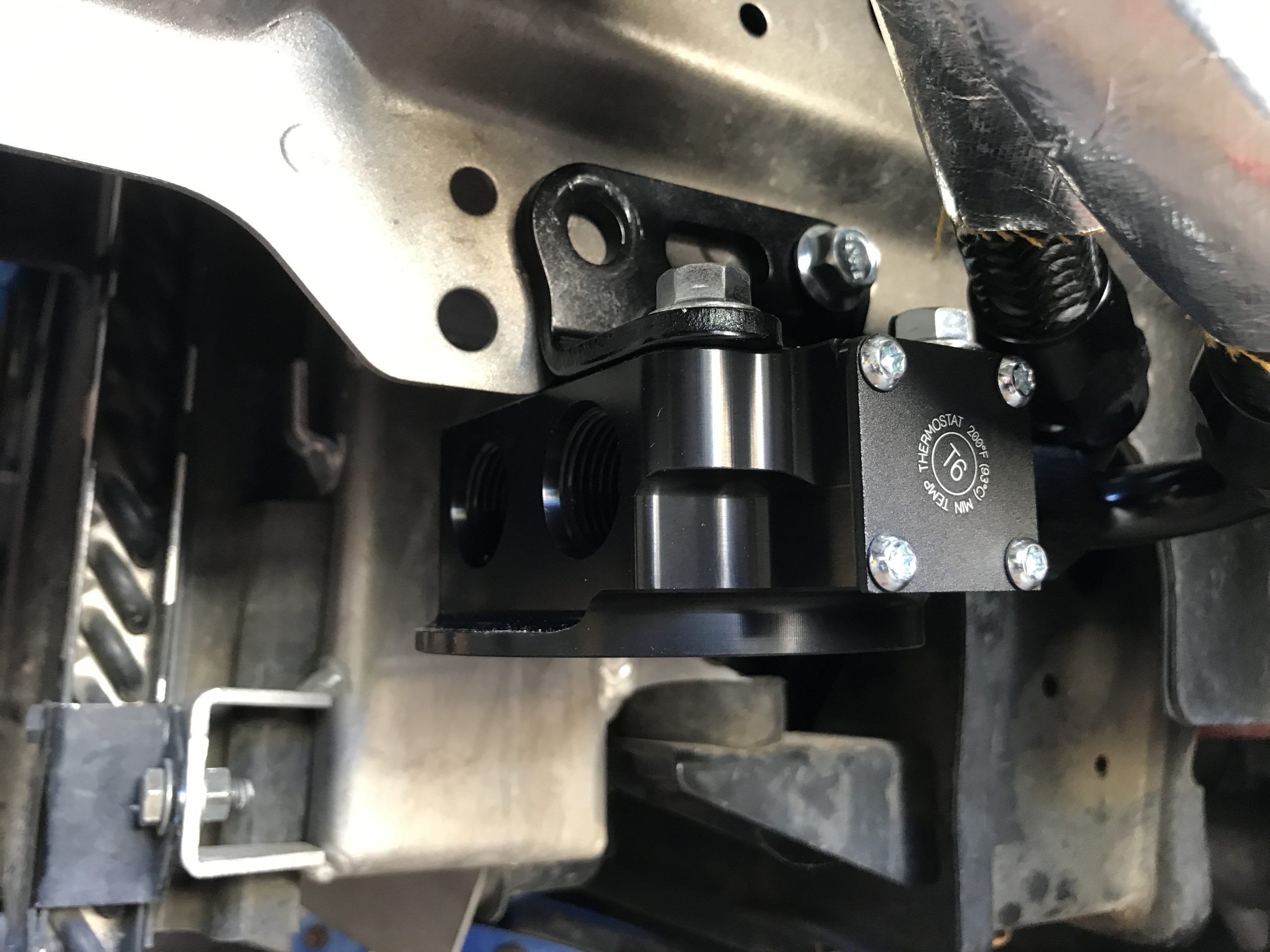
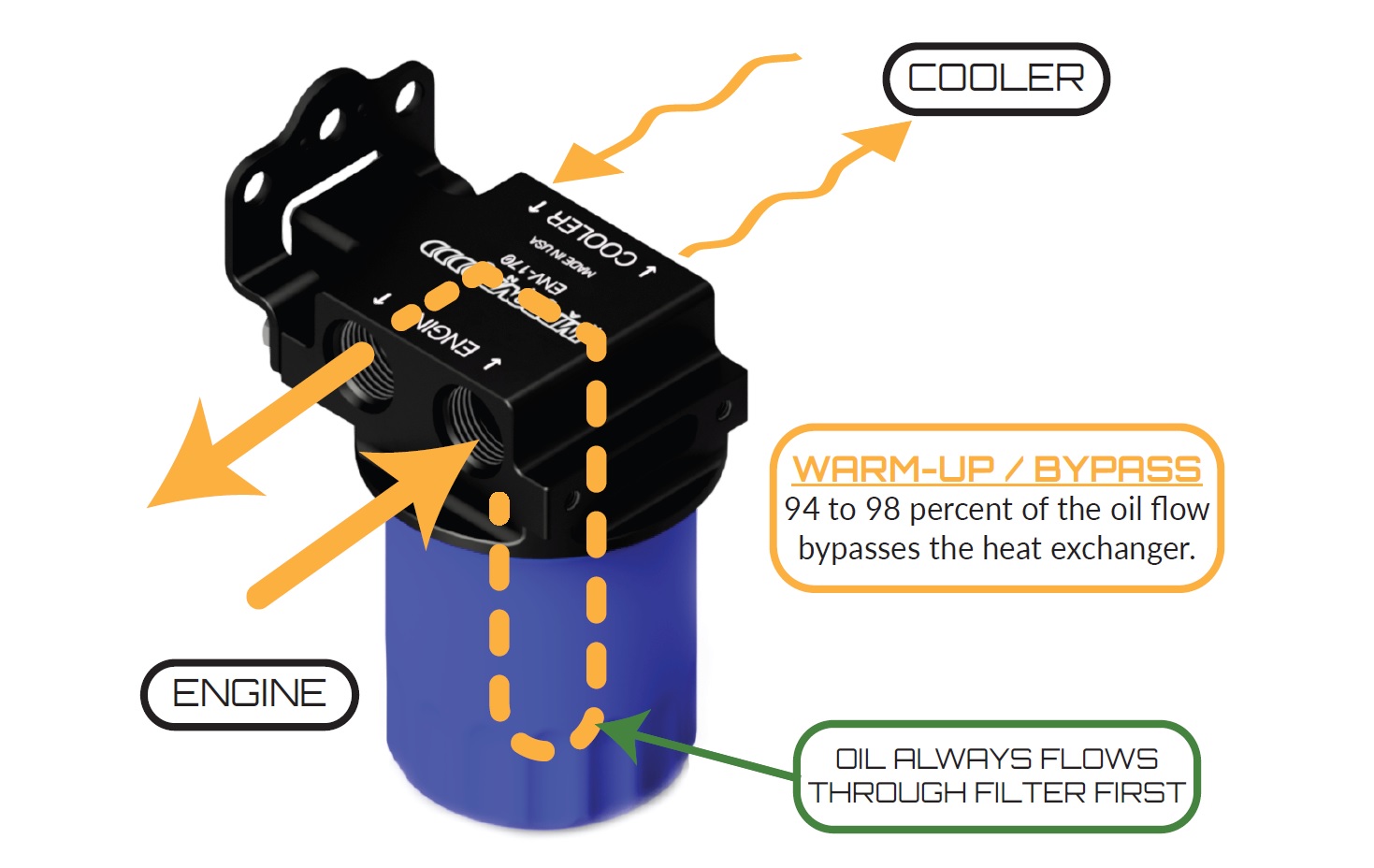
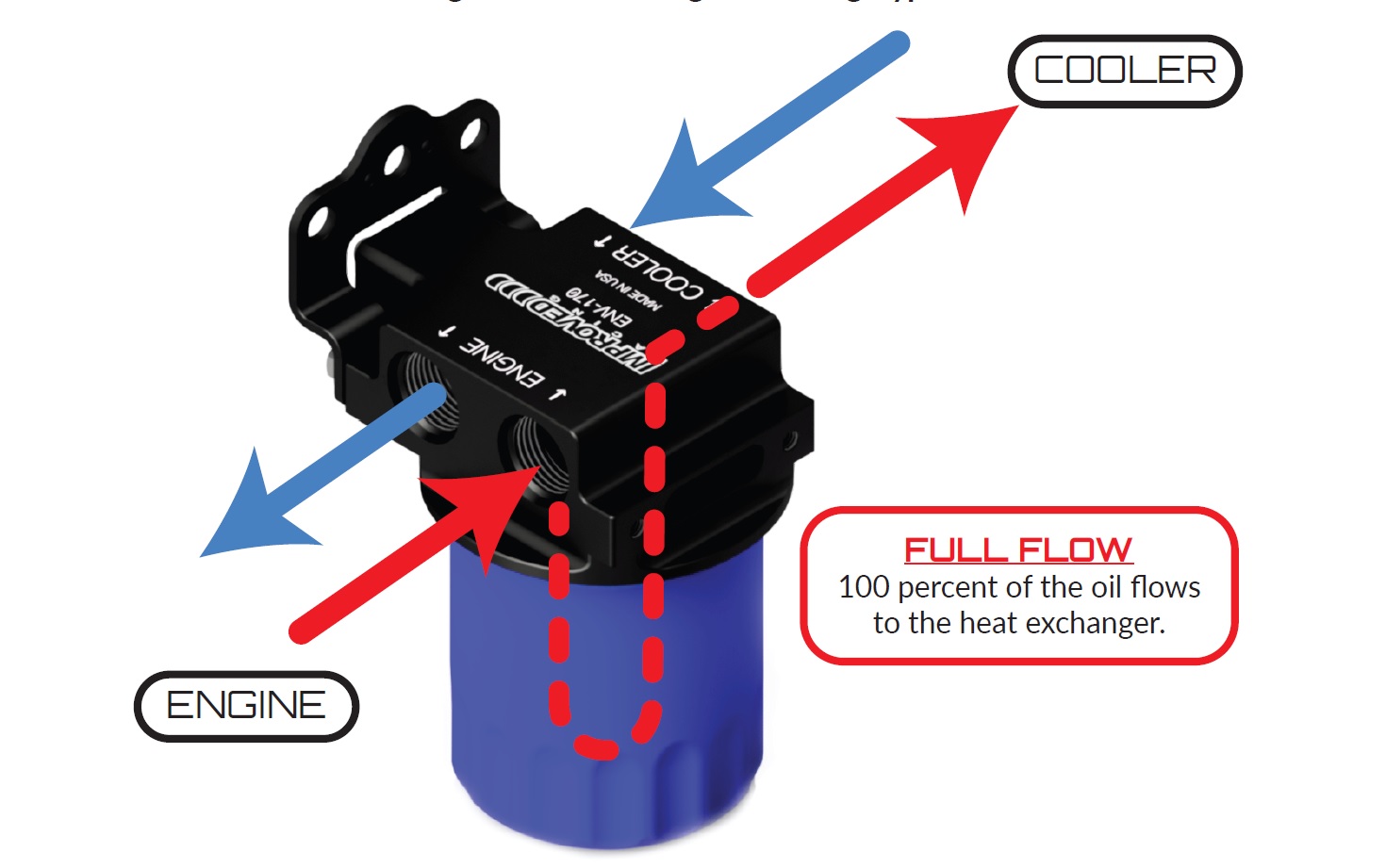
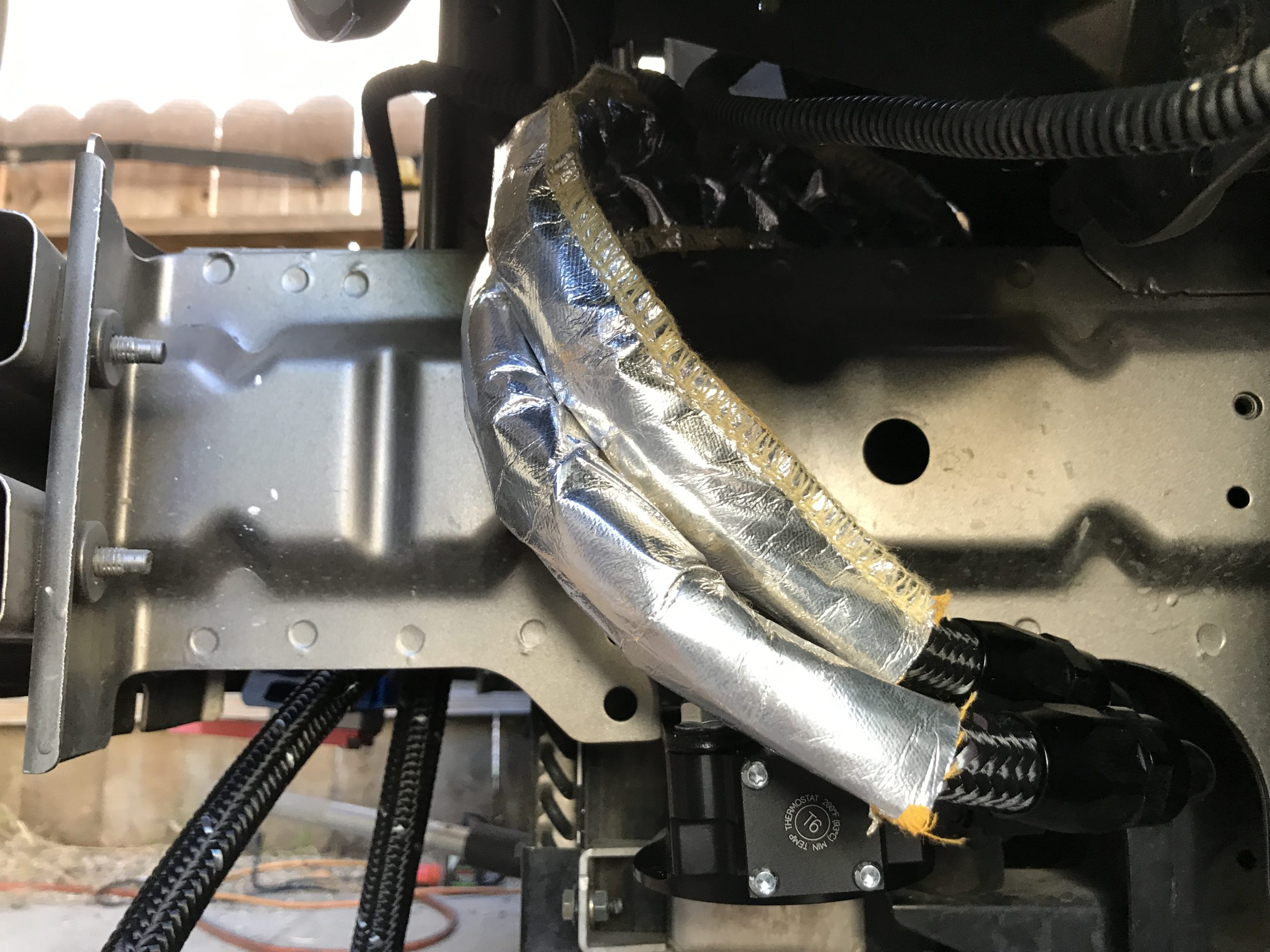
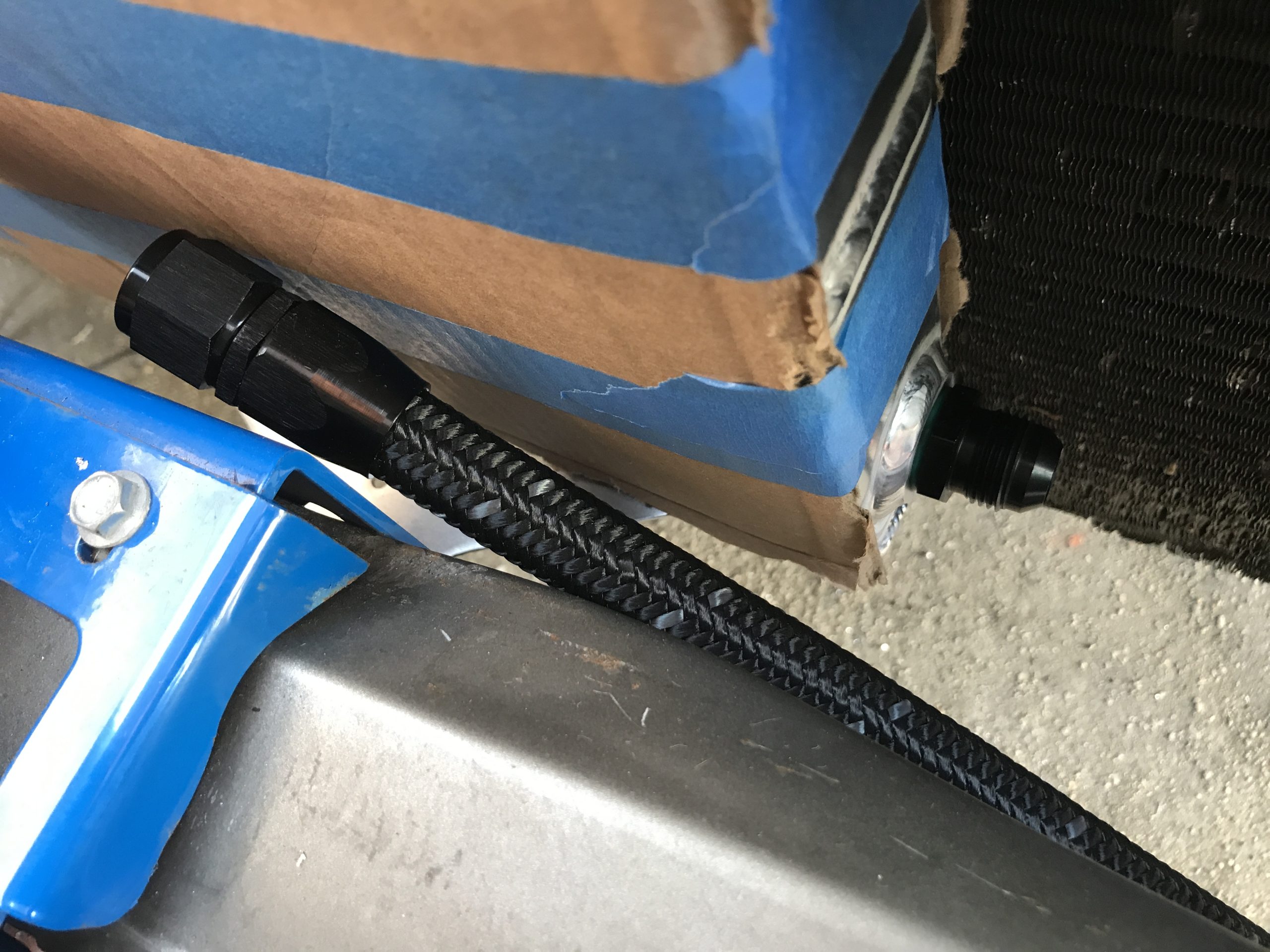
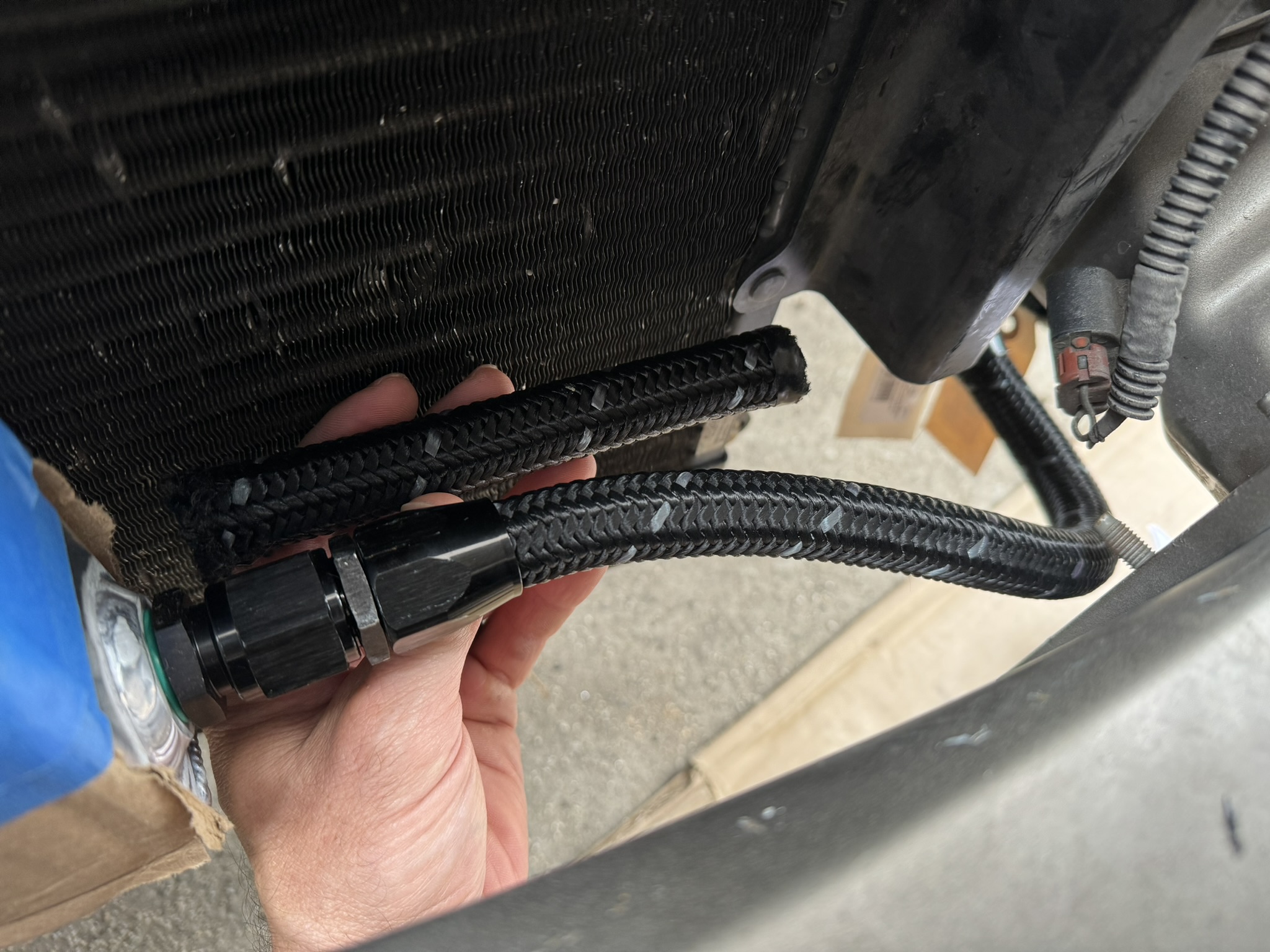
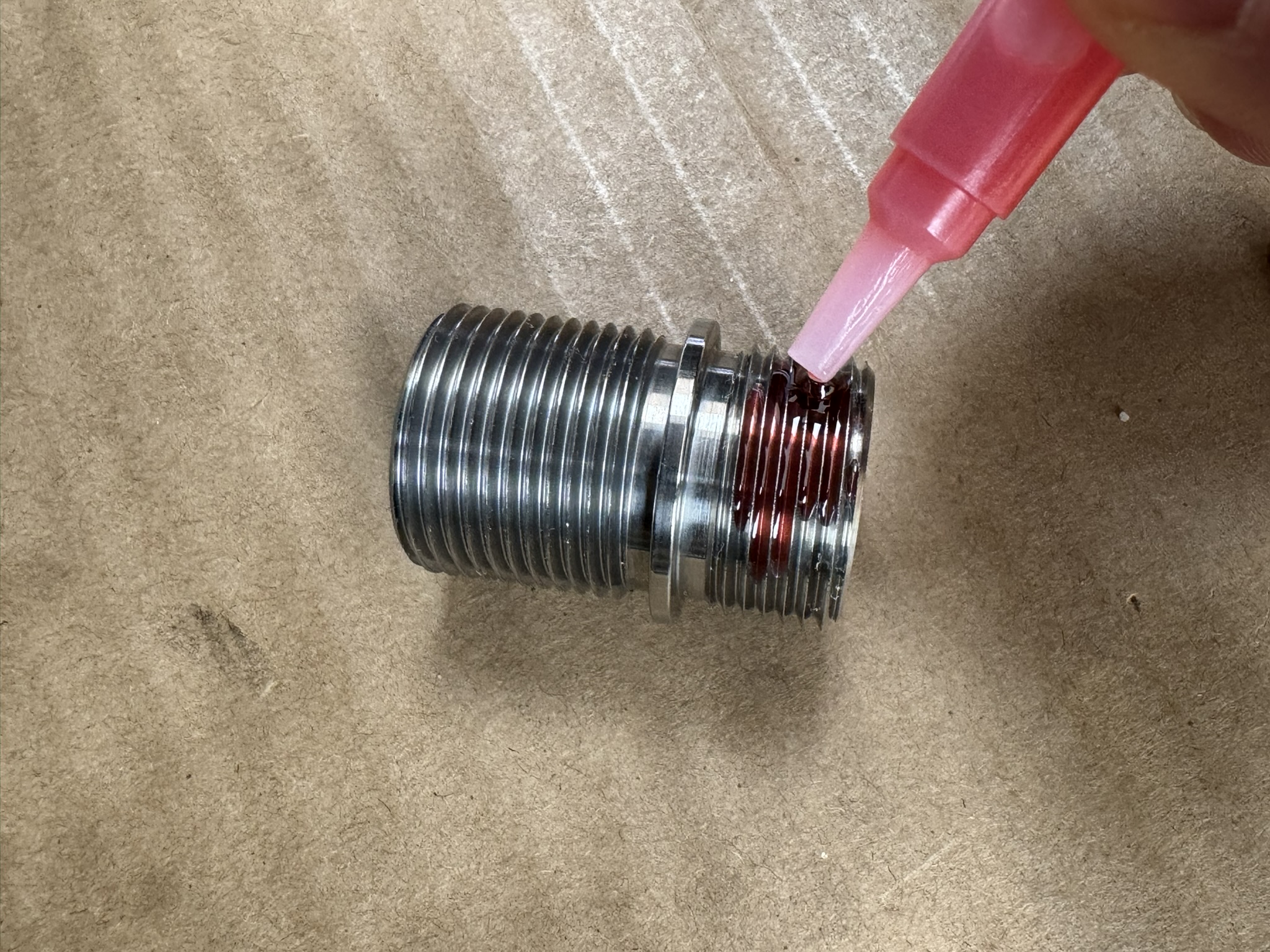
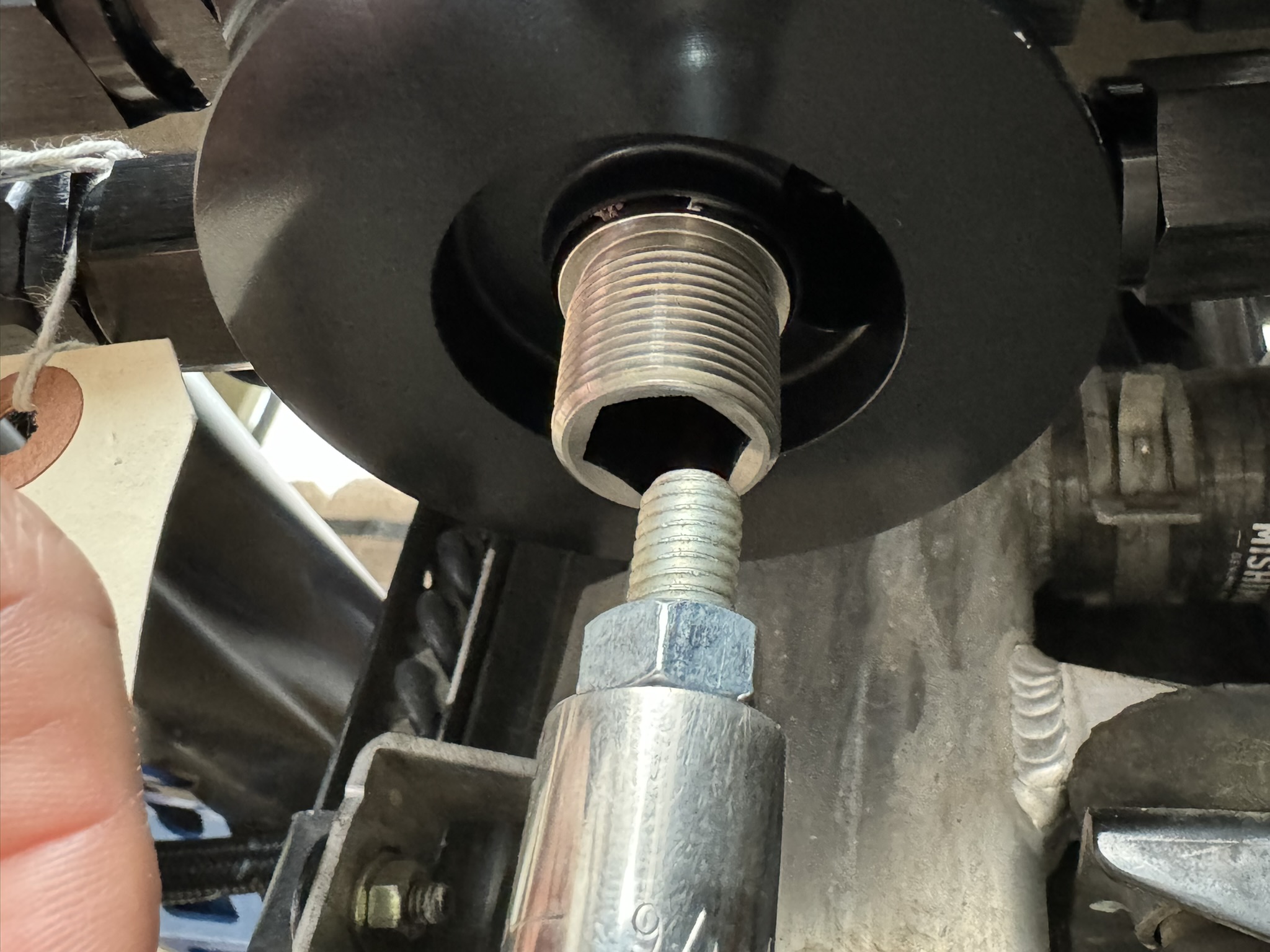
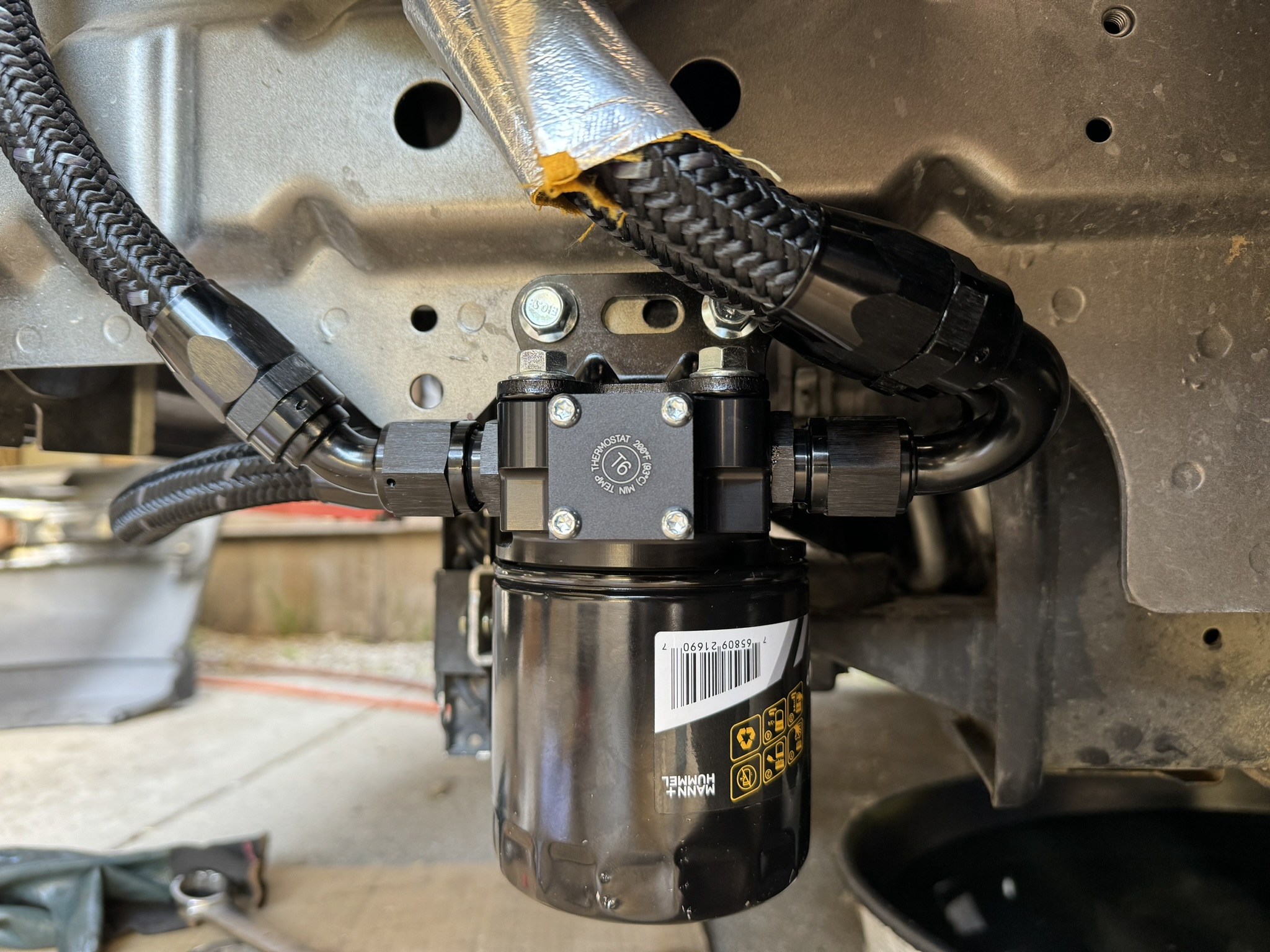
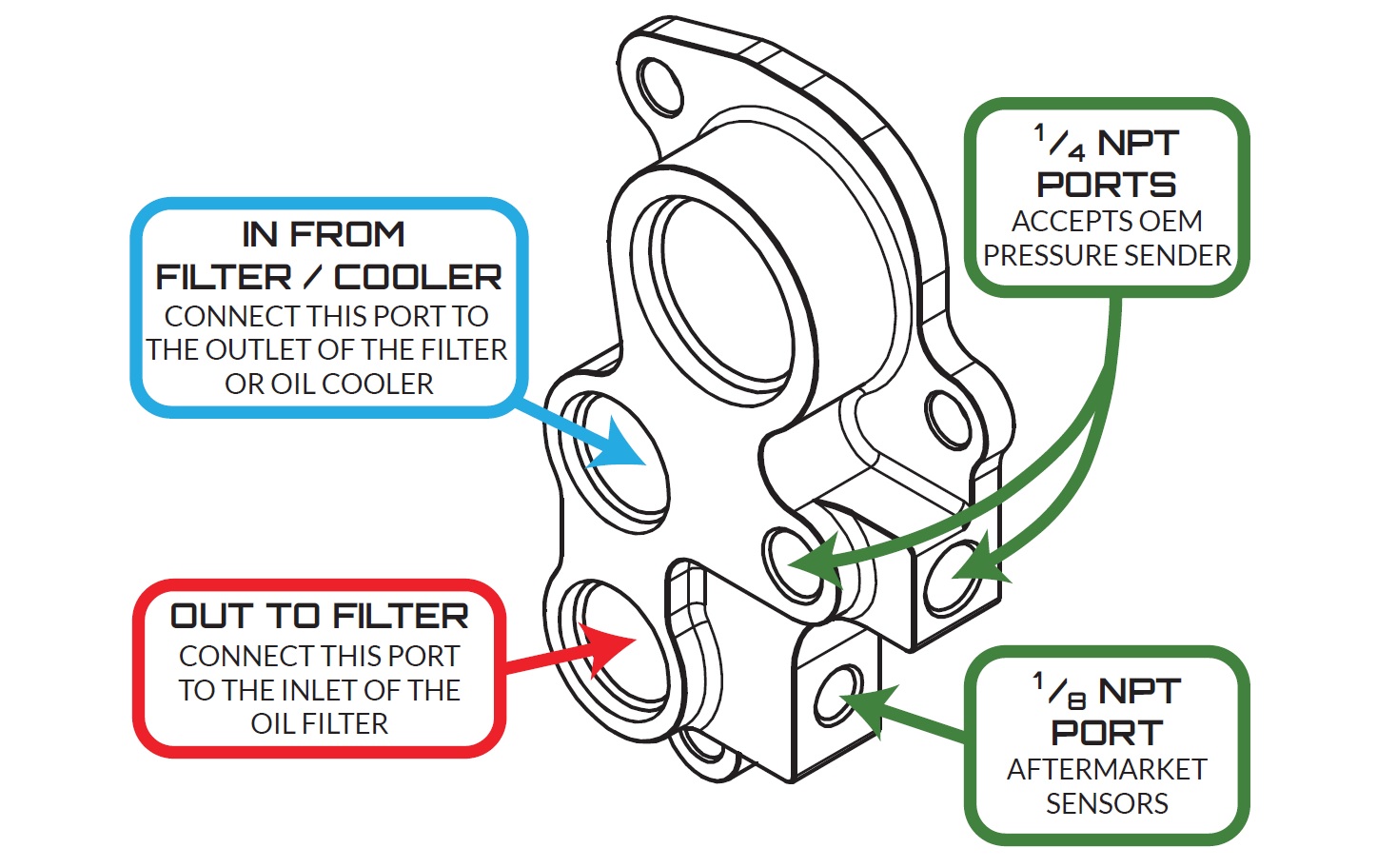
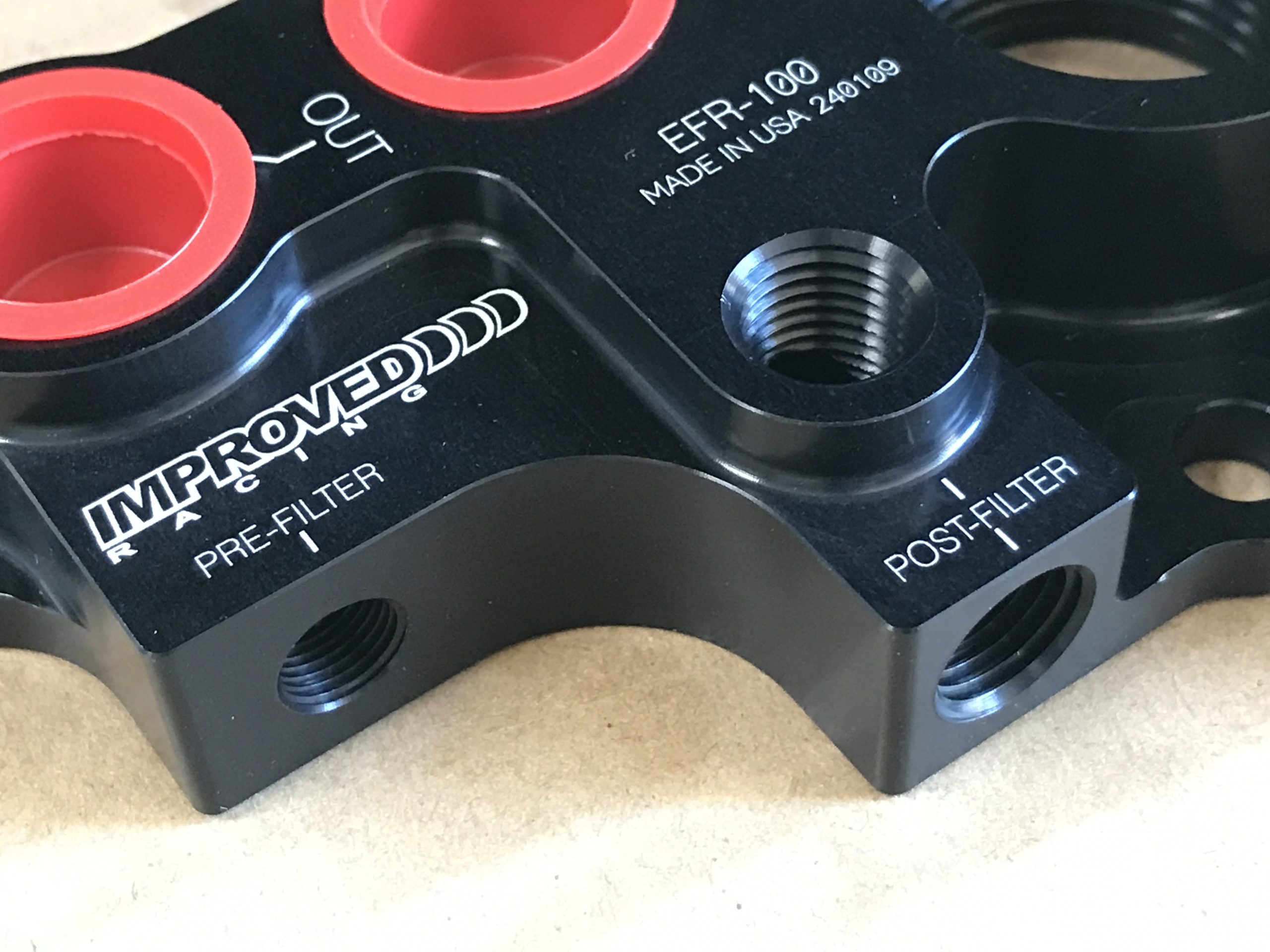
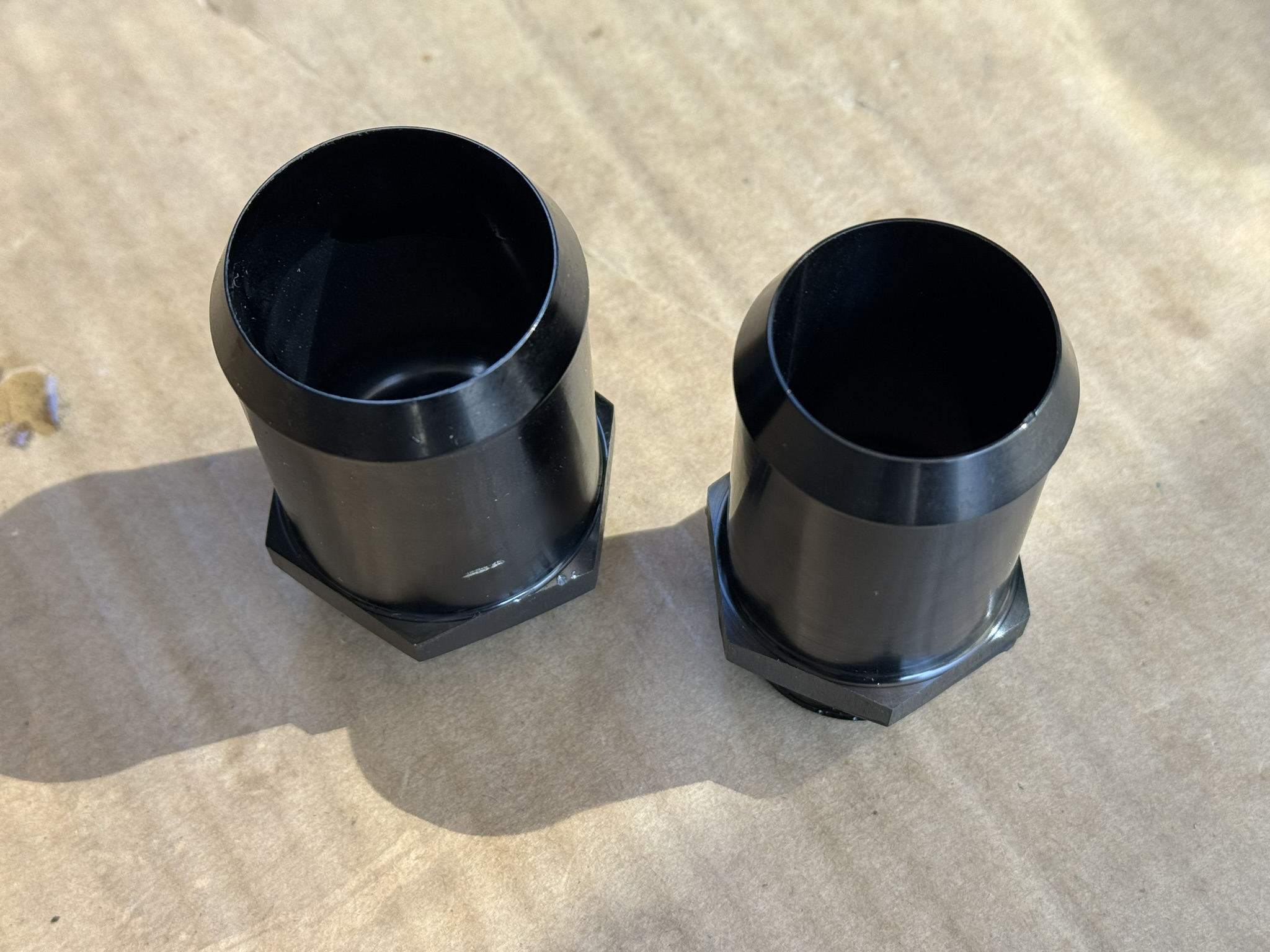
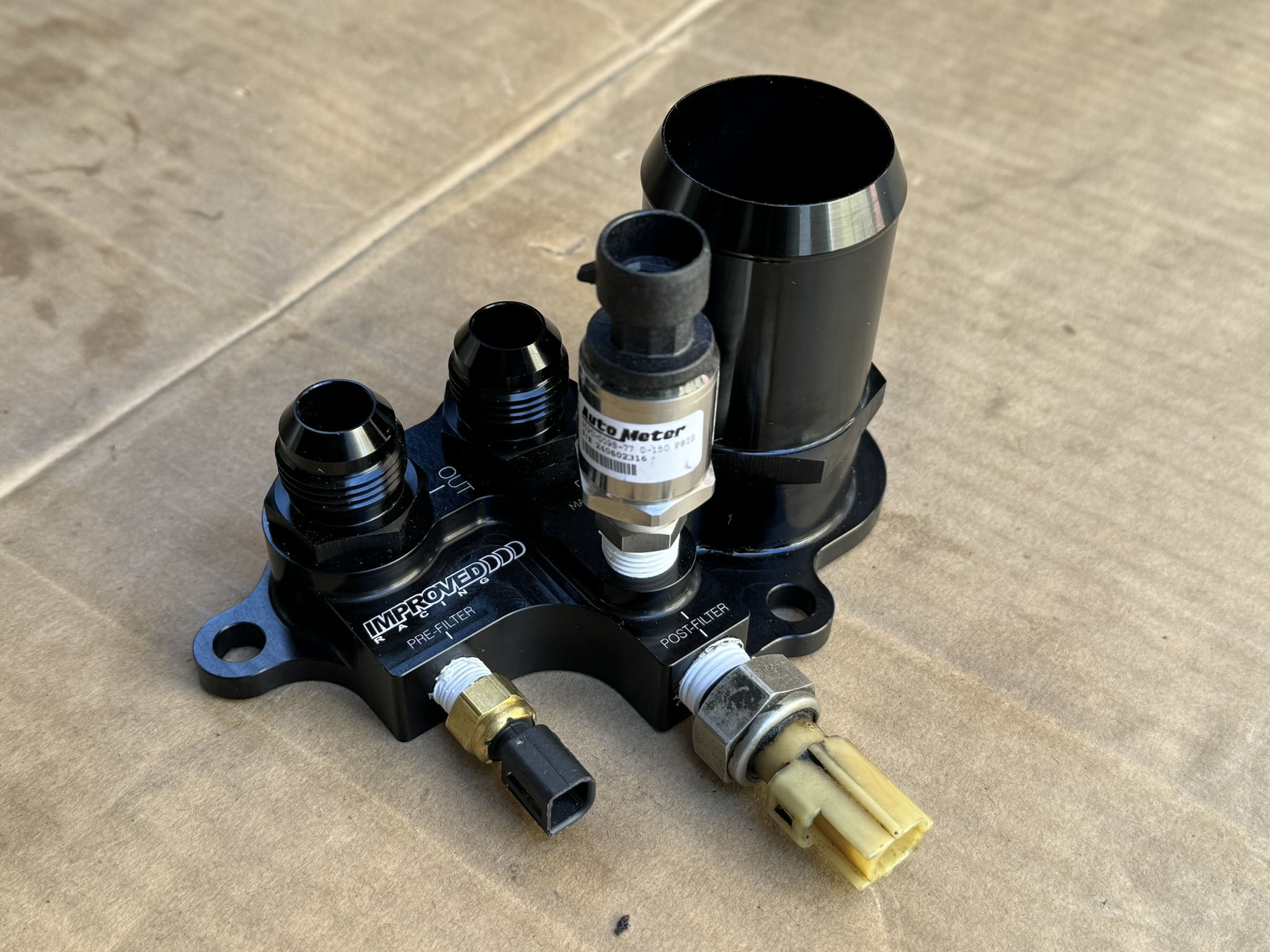
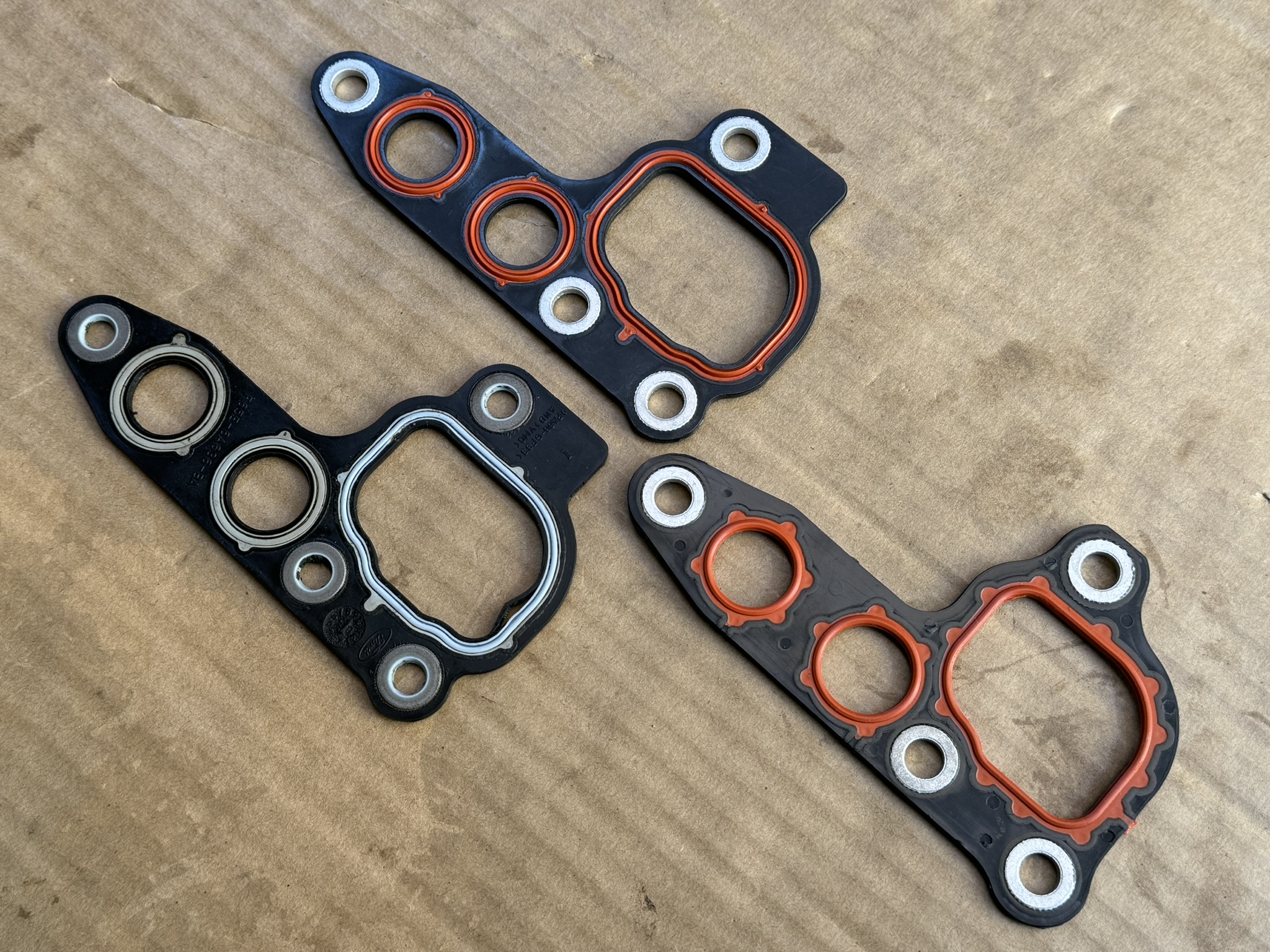
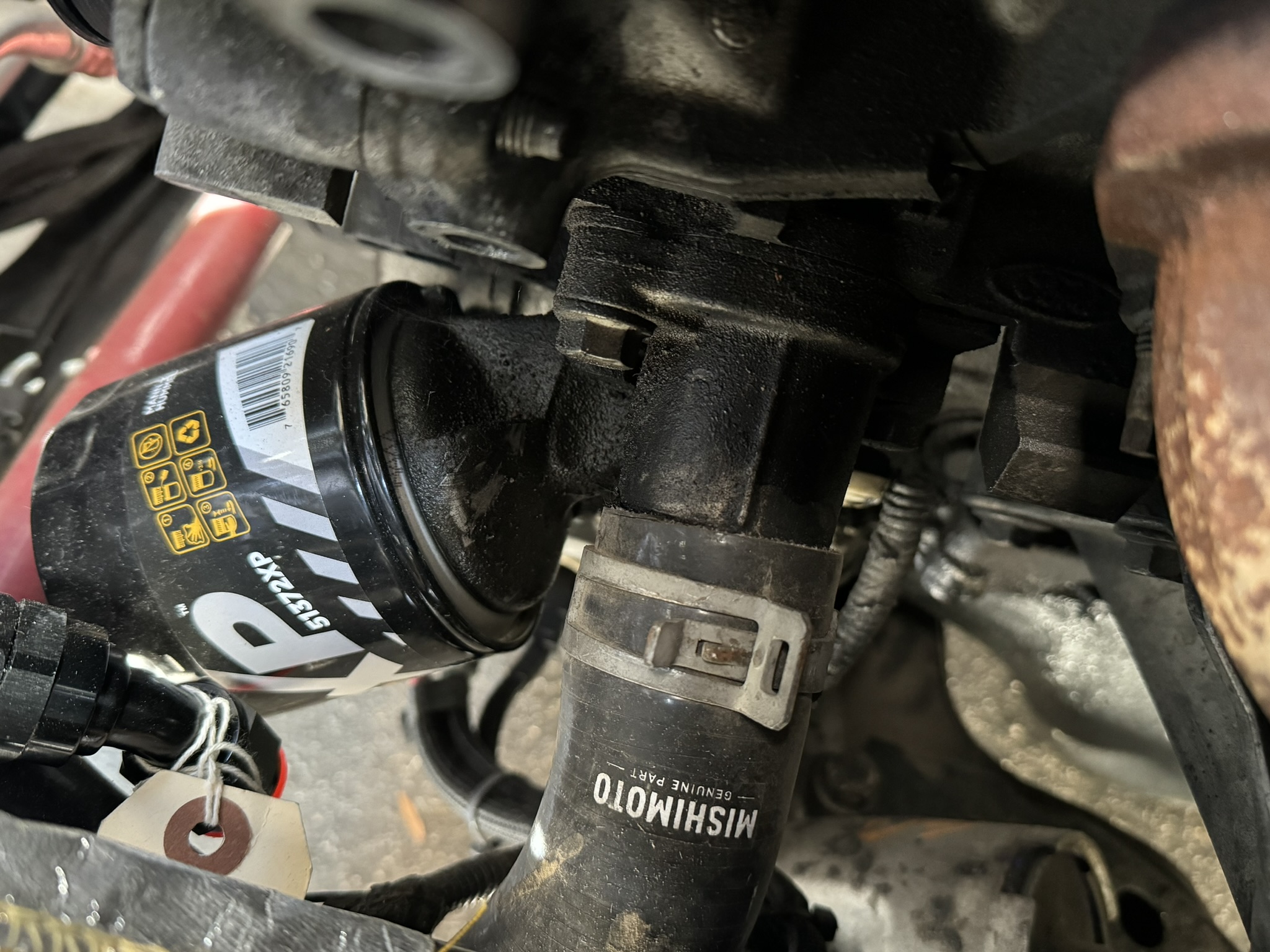
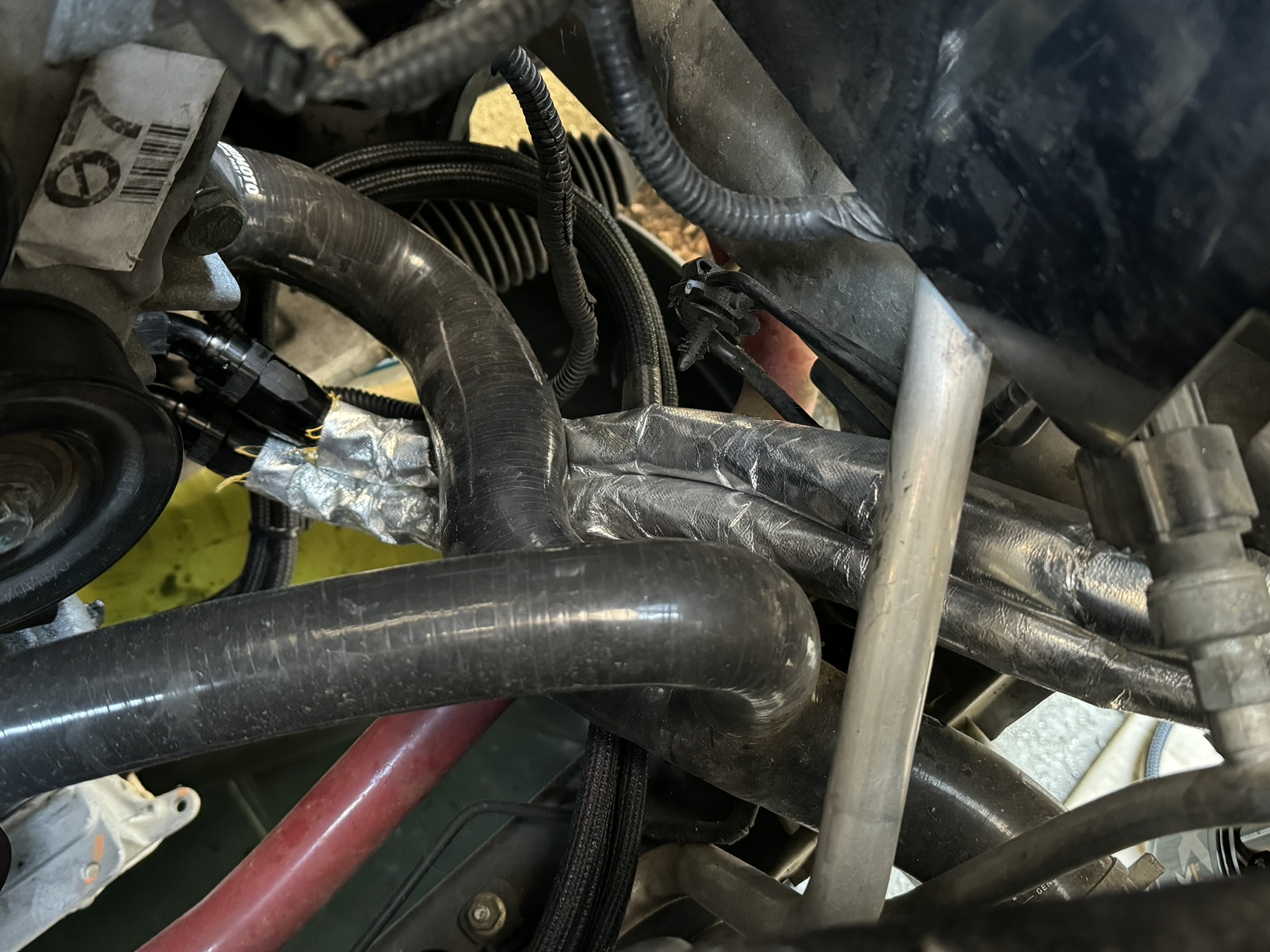
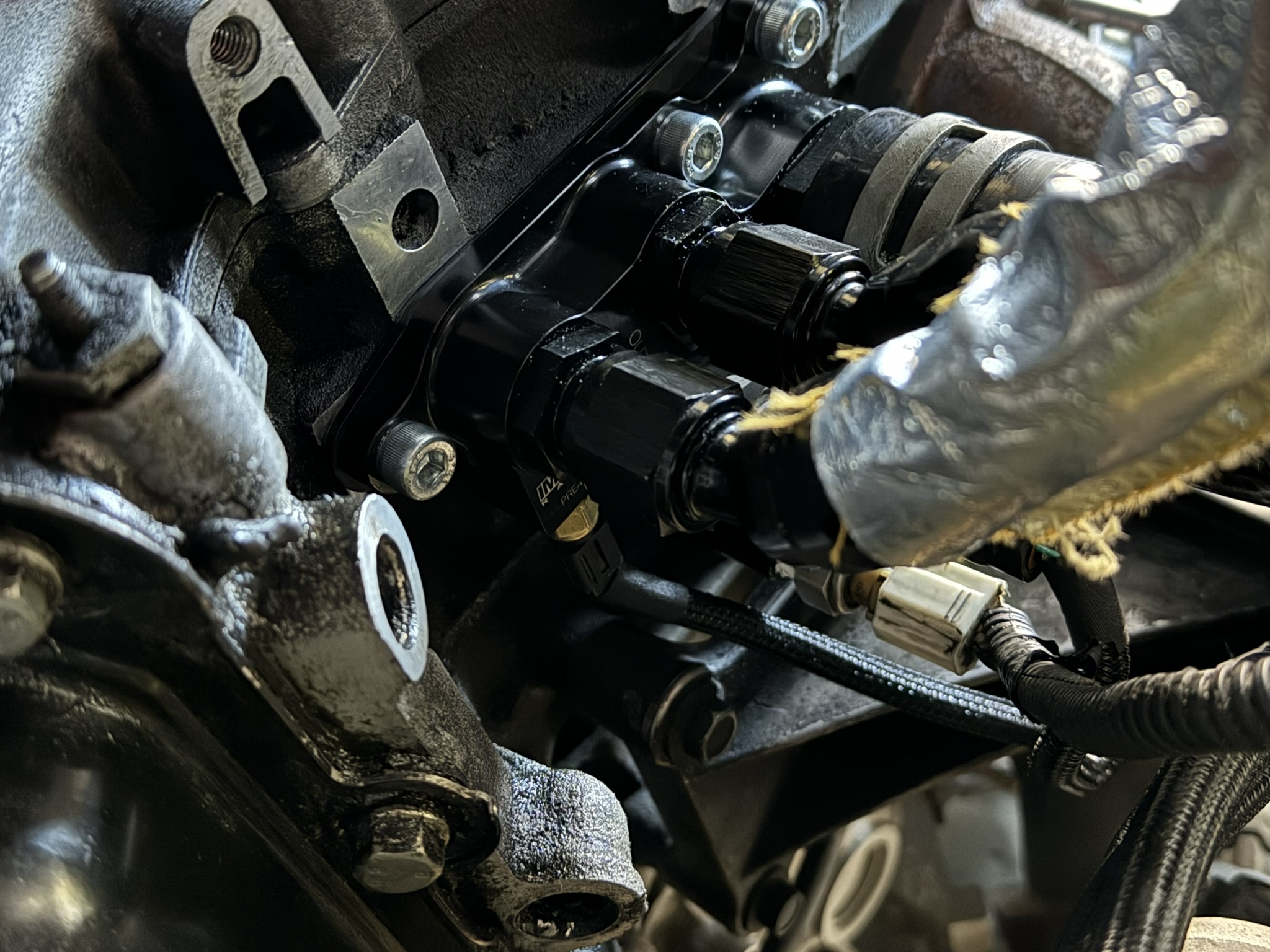
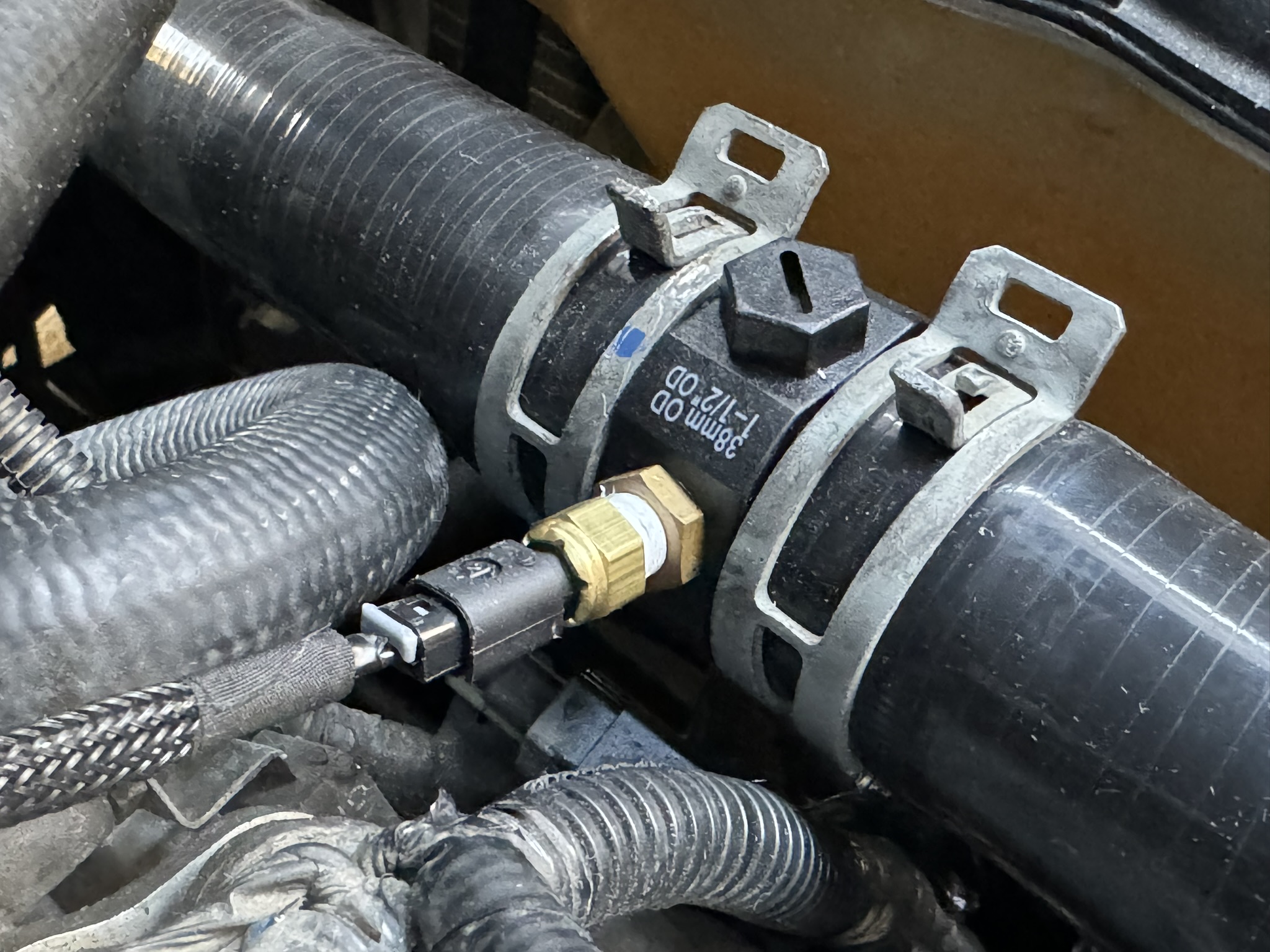
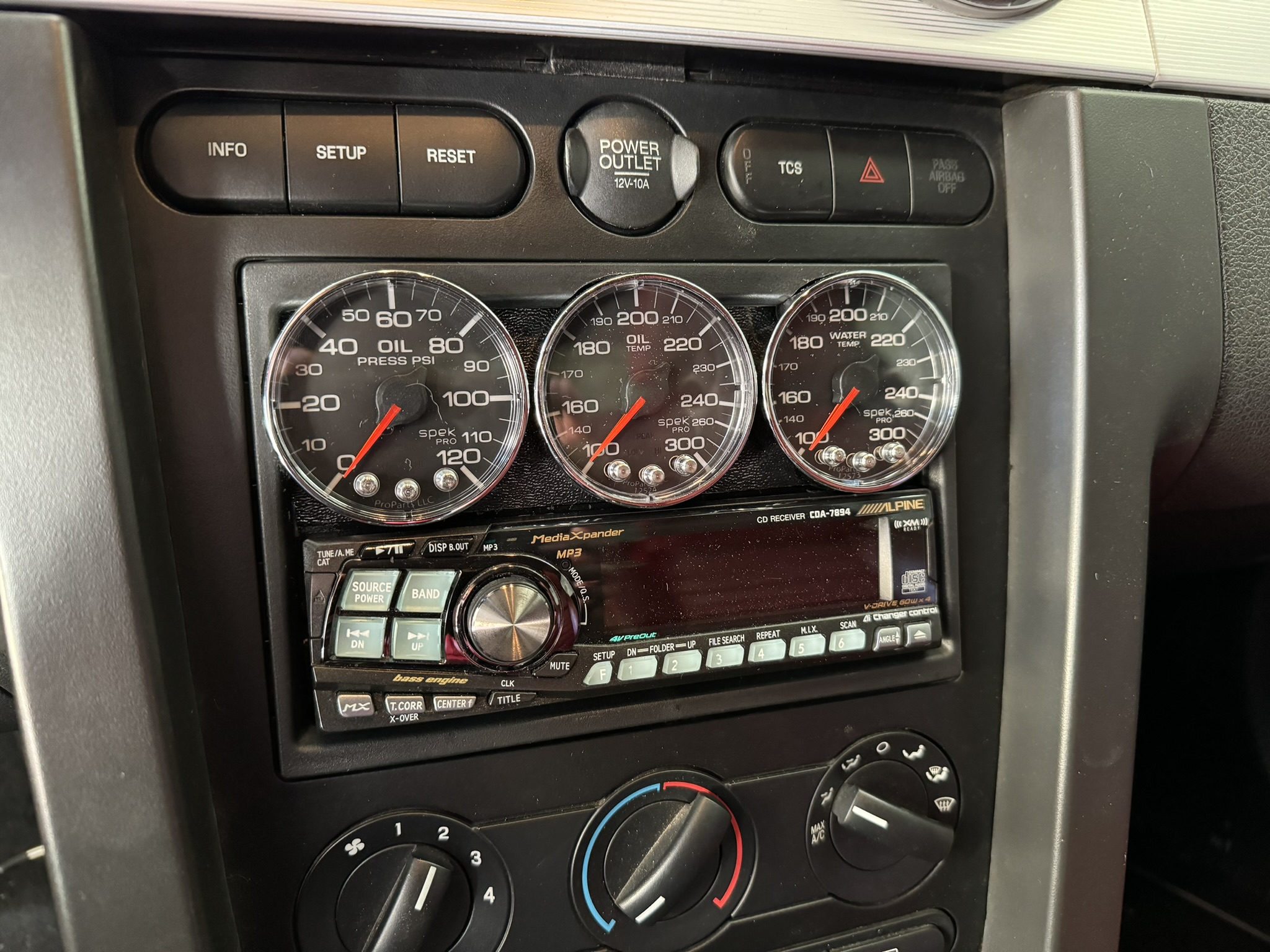
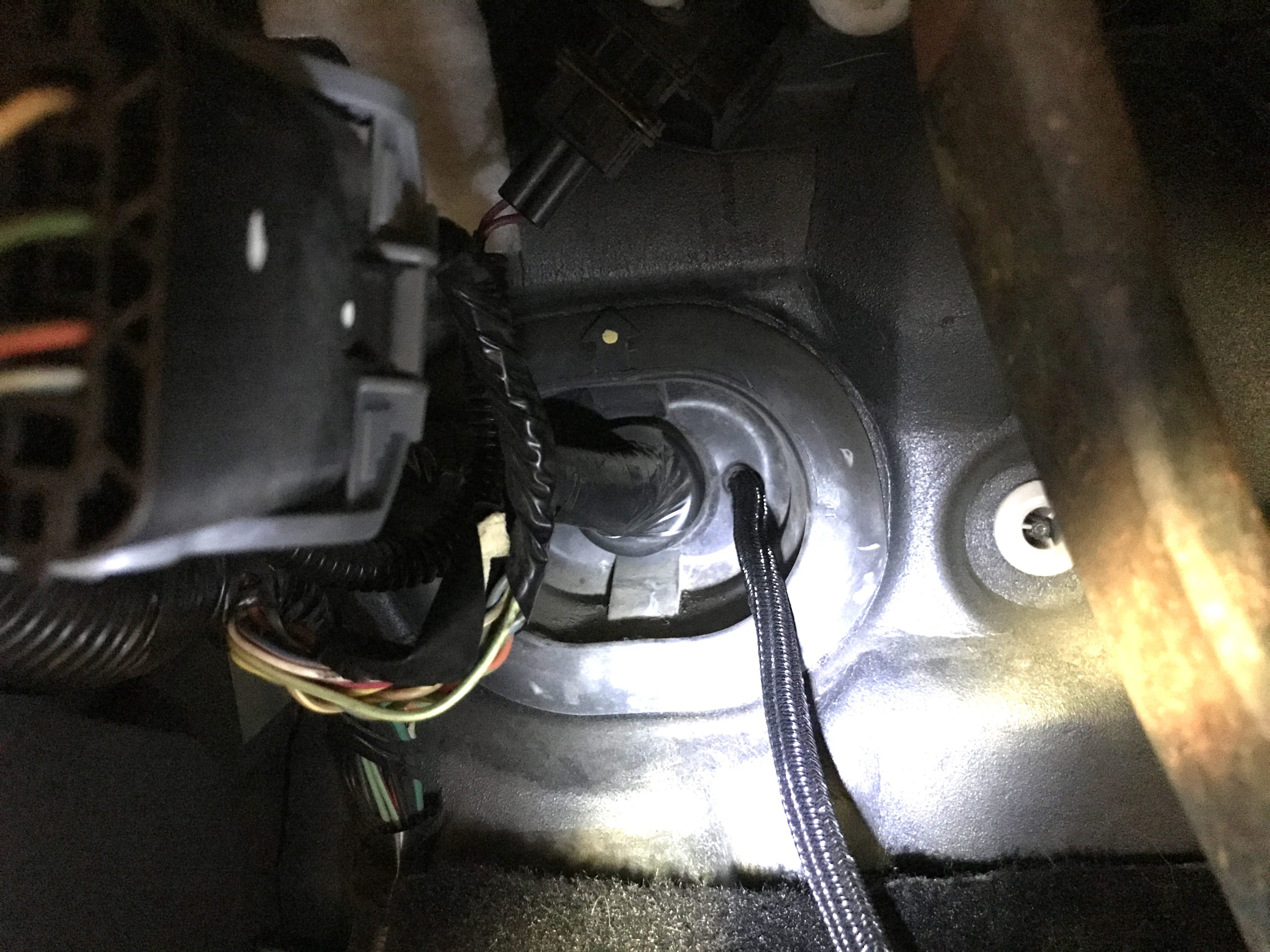
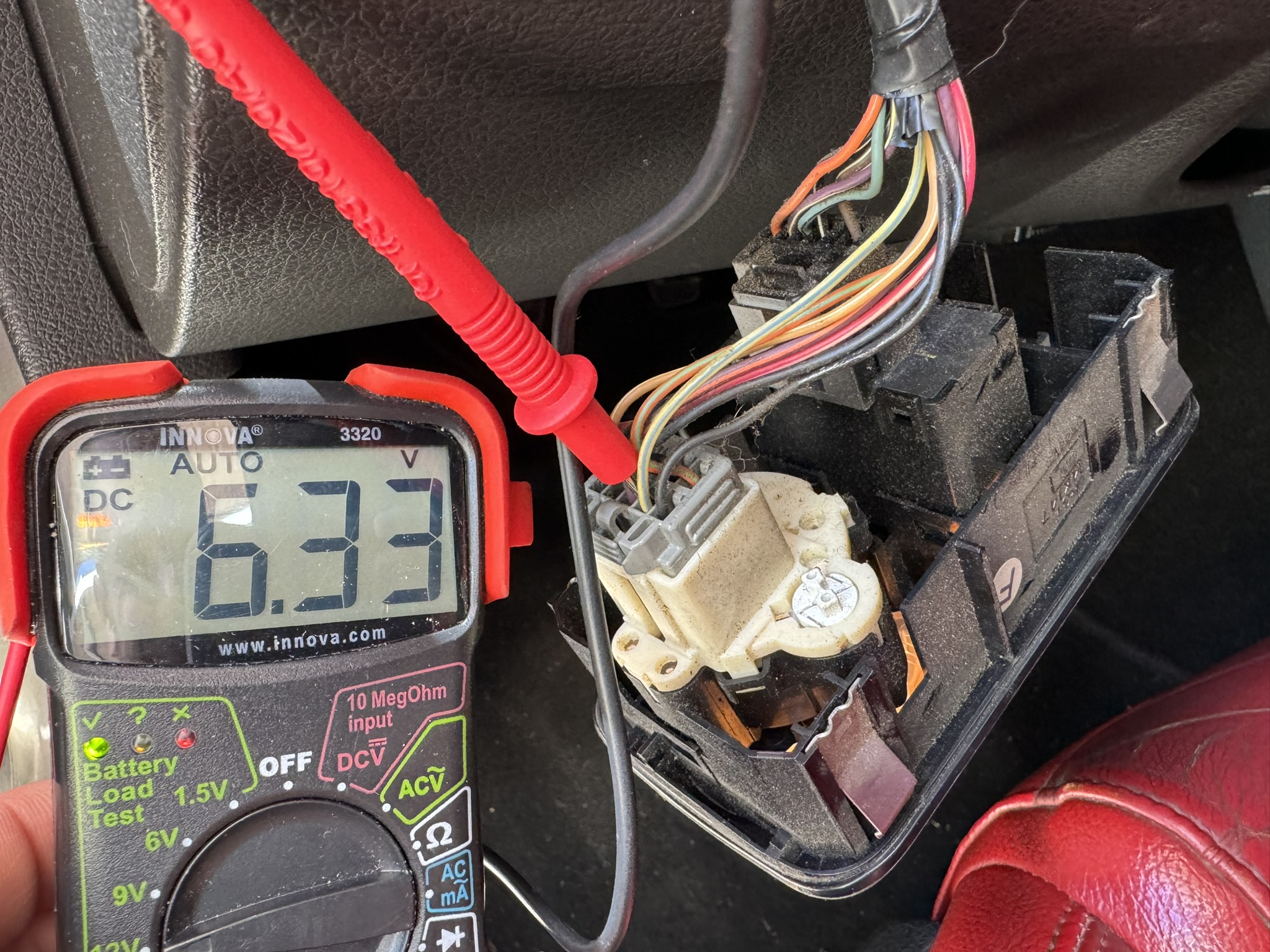
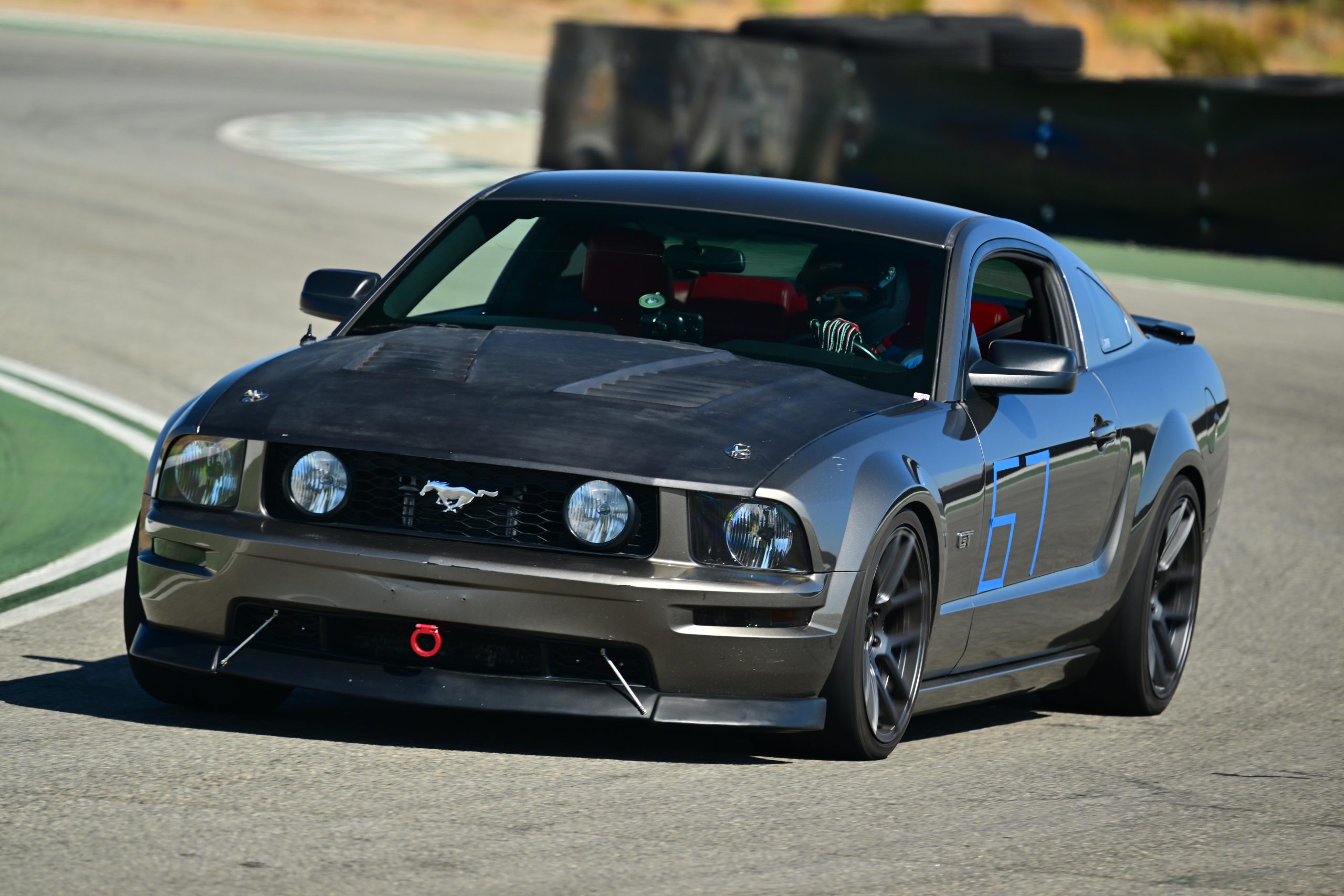
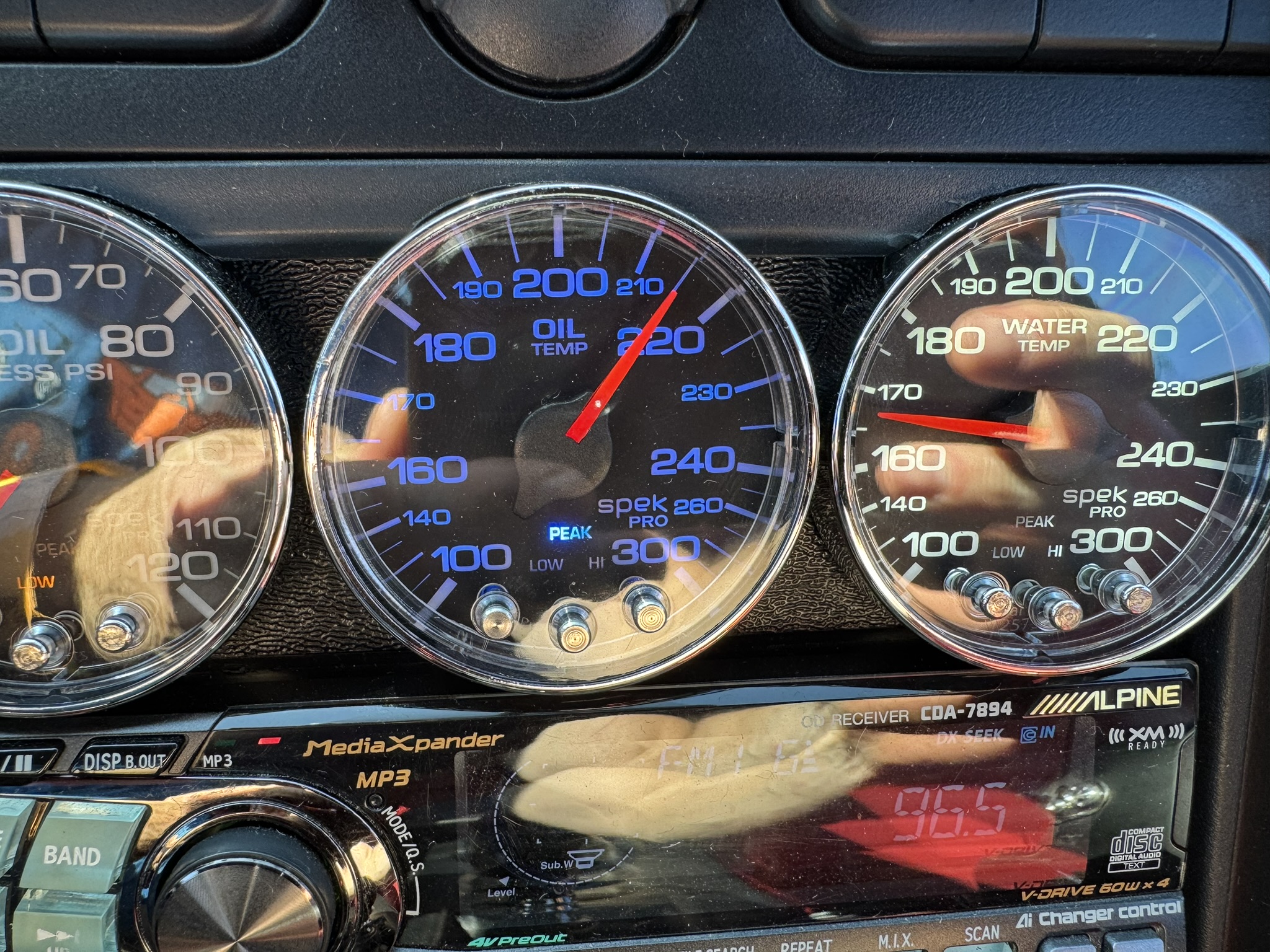
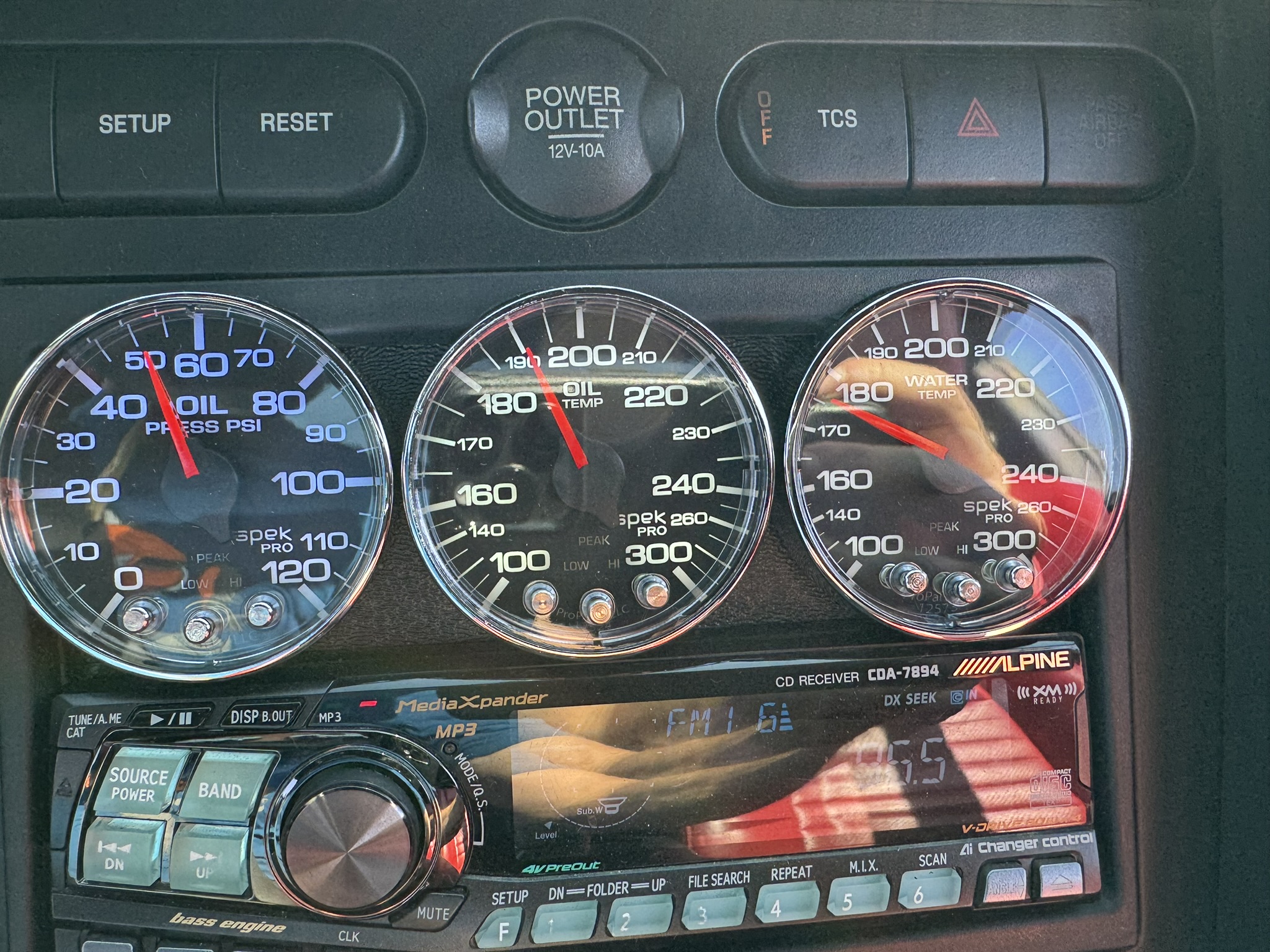
The Improved Racing’s bolt-on oil cooler kit for the 1996-2004 SN95 Ford Mustang GT comes with preassembled hoses and brackets that relocates the oil filter and mounts the cooler in the grille. With a few revisions, we’ll show you how to make it work for 2005-09 Mustangs powered by the 4.6 3V. (Image/Christopher Campbell)The 4.6 and 5.4 liter Ford modular engines use an adapter plate that includes the oil filter mount and the inlet for the cooling system. Improved Racing’s billet aluminum plate is a serious upgrade that adds -10 AN O-ring ports for the oil filter relocation and two 1/4” NPT ports and one 1/8″ NPT for factory sensors, aftermarket sensors, or additional oil line feeds. (Image/Christopher Campbell)While our car mostly lives on track, it is still a street car that is usually driven to nearby events. That’s why it’s critical that any engine oil cooler also has a thermostatic bypass to ensure that your oil doesn’t over cool. Our kit has a 180° F thermostat, but 200° F and 212° F are also available. The inlet/outlet ports in standard -10 AN O-ring boss threads, but optional fittings are available to accommodate -6 AN, -8 AN, -10 AN, and -12 AN lines, or 3/8″ and 1/2″ hose. (Image/Christopher Campbell)Here’s how we’ll drop oil temps 30 to 50° F. The kit includes Improved Racing’s MHX series high-efficiency 20-row, dual-pass oil cooler to keep oil temps in check at the track. (Image/Christopher Campbell)Improved Racing manufactures their own line of coolers based on their in-house testing. They’re a great value, made in the USA, and come in a range of sizes. Also worth noting, the capacity of our oil system with this MHX-521 cooler will go up by a bit over one quart to account for the cooler capacity and the AN hoses. (Image/Christopher Campbell)While a necessary modification for SN95 Mustangs, the reshaped silicon lower radiator hose included in the kit isn’t necessary for 2005-09 Mustangs, which is great since it’s also the incorrect diameter at 1.75 inch. 4.6 3V engines use a 1.5-inch diameter hose. The factory hose 3V lower hose works just fine with the Improved Racing adapter. (Image/Christopher Campbell)To get started on our install, the front bumper cover must come off. Fortunately, it’s a fairly easy operation for 2005-09 Mustangs. The two 10mm bolts on the uprights between the headlights and the grille are the only bolts on the top. (Image/Christopher Campbell)In the wheel well, there are three screws to remove, two on the outer edge and one towards the inside of the liner. Turning the wheel inward should provide enough room to remove them. (Image/Christopher Campbell)Pulling the liner back where the fender and bumper cover meet reveals two 10mm nuts. A long extension on a ratchet will make these easily accessible. (Image/Christopher Campbell)With the bumper cover off, we can get a good look at the real estate available for mounting the cooler. We still have an A/C condenser and no radiator ducting, so we’re going to shoot for placing the cooler in the most direct path of airflow. (Image/Christopher Campbell)The cooler mount included in the Improved Racing kit has built in vibration isolators. These are required to protect the cooler from developing stress cracks, so we’ll need to figure out how to orient the bracket to utilize them. (Image/Christopher Campbell)Since this is a custom application, the design of the mounting bracket doesn’t fit a stock S197, so some creativity is required. We’re only running the one cooler for now, so we’re going to center it in the grille opening. We highly recommend covering the cooler with some cardboard during this phase of the install to protect the fins. (Image/Christopher Campbell)After trying numerous mounting options to use the pre-threaded holes in the mounting bracket and coming up short, we settled on drilling some new holes to use the space below the hood release. (Image/Christopher Campbell)It’ll pain us to cut that great looking bracket, but the cooler mounts are offset to one side, so we’ll need to remove the extra length. We’ll save it for a future project. (Image/Christopher Campbell)Our project has an extra bit of complication in the form of a Blowfish Racing tow hook. Fortunately, it won’t prevent us from using the Improved Racing lower mount. (Image/Christopher Campbell)Thanks to an opportunely placed gap on the tow hook bracket, the cooler lower bracket will slide through. In our case, we drilled a hole through the tow hook bracket to securely bolt the cooler bracket. (Image/Christopher Campbell)Here’s the view from the side. If we didn’t have the tow hook, we would be using the jack nut supplied with the Improved Racing kit to secure the lower bracket to the bumper, as outlined in the instructions. (Image/Christopher Campbell)The mounting bracket for the remote oil filter mount has several configurations options that make it easy to find a version that works for your desired mounting position. We used the pre-terminated oil hoses in the kit to determine this location on the frame rail. The thick metal here will not need the supplied backing plate for reinforcement. (Image/Christopher Campbell)Proper hose routing is critical, so it’s good to understand how oil flows through the filter and bypass. The thermostat bypasses up to 98% of the total flow back to the engine during warm up. This occurs because the heat exchanger is more restrictive to flow than the bypass passage, and the fluid will take the path of least restriction. (Image/Improved Racing Products)When the activation temperature is reached, the internal valve begins to close and gradually forces the fluid through the cooling circuit. (Image/Improved Racing Products)Speaking of hose routing, the Improved Racing kit comes with pre-terminated hoses, which somewhat dictate the options. We opted to run the hoses to the engine up and over the frame rail out of the way of moving parts. (Image/Christopher Campbell)Our mounting point worked perfectly for three out of four hoses. The lower hose on the cooler had excess length that we could not figure out how to effectively route. (Image/Christopher Campbell)We removed six inches from the hose and reassembled it with our Koul Toolkit and now we have a very nice gentle curve toward the filter mount. (Image/Christopher Campbell)The kit includes a 2ml capsule of high-strength thread locker for the threads on the short end of the oil filter mounting screw. (Image/Christopher Campbell)The short end of the filter screw goes into the filter mount and is torqued to approximately 25 lb.-ft.. If you don’t have a massive hex key, we found that a bolt with a 9/16″ nut worked perfectly. Allow at least 10 minutes for the thread locker to set, it will be fully cured in 24 hours. (Image/Christopher Campbell)This is our final configuration for the mount and hoses. We’ll clamp the hoses securely once the bumper is back on. The hose fittings should be torqued to 25 lb.-ft. Worth noting, this mounting position will be a tight squeeze if you run brake cooling hoses, but it will still work. (Image/Christopher Campbell)Here is the port configuration for the engine block adapter. The critical thing to keep in mind here is the orientation of the in/out ports for the cooler. We kept this diagram sitting next to us for reference. (Image/Improved Racing Products)The engine block adapter includes two post-filter 1/4”-18 NPT ports for the factory pressure sender or turbo oil supply lines and one pre-filter 1/8”-27 NPT port for aftermarket sensors. Any unused ports must be plugged with the included NPT plugs (Image/Christopher Campbell)The kit includes a 1.75 inch hose fitting that is correct for 1996-2004 Mustangs. 2005-10 Ford Mustang GTs can reuse the factory lower radiator hose, but must use an optional 1.50 inch radiator hose fitting (Part # OB-16-24) (Image/Christopher Campbell)We love data and gauges, so we’ll be running aftermarket oil pressure and temperature sensors along with the factory sensor so we can track the effectiveness of the oil cooler. If you use a similar sender configuration, you may run into clearance issues with the engine mount and the factory gauge sender location. We solved it by adding a 90 degree NPT elbow. (Image/Christopher Campbell)For unknown reasons, Ford uses two different gasket styles on the block adapter, so Improved Racing includes both options. The 4.6 3V in 2005-09 Mustangs should use the upper one with the squared off tab. (Image/Christopher Campbell)If you haven’t cranked the engine in a while, there won’t be much oil loss from the filter or the block adapter. There’s no way around losing coolant, though. You can choose to drain the radiator or just pull the lower hose and dump it into a bucket. Once those are clear, four bolts must be removed for the adapter itself. (Image/Christopher Campbell)Here’s our hose routing for the remote oil filter. Going under the lower radiator hose worked for the pre-terminated length and created the best path for the hoses. (Image/Christopher Campbell)After ensuring the mounting surface is clean, the Improved Racing block adapter plate is installed with bolts torqued to 25 lb.-ft. In the background, you can see the engine mount and how its proximity can interfere with some sensor configurations. (Image/Christopher Campbell)In addition to monitoring our oil temps, we also want to get more accurate data on our cooling system temp and any changes from cooler engine oil. We opted to use a Davies-Craig inline adapter in the upper radiator hose for our gauge sensor. (Image/Christopher Campbell)Our oil pressure, oil temp, and water temp data will come via a trio of Spek-Pro gauges that we mounted in a generic radio kit. The gauges have high/low warnings are well as peak recall, which is very helpful when your eyes need to be on the road. They also feature programmable high/low pressure and temp warnings that will cause the whole dial to flash red. We still wanted tunes to and from the track, so we dusted off an old school Alpine single DIN radio. (Image/Christopher Campbell)Running the gauge wiring into the engine bay was easier than we expected. The factory wiring harness grommet has a dimple that is ideal for passing additional wires through. (Image/Christopher Campbell)If you’ve ever wondered which wire to tap into to get aftermarket gauges to work with the factory dimmer switch in a 2005-09 Mustang, it’s the white/blue stripe wire. You can confirm this with a multimeter and adjusting the dimmer switch. This is at the lowest setting. (Image/Christopher Campbell)Time to put this cooler to the test! We ran Streets of Willow at Willow Spring International Raceway on a sunny mid 80-degree day with no wind. (Image/CaliPhotography)The Spek gauges not only have built in warning lighting for high/low, they also have peak recall. Our peak oil temperature for the midday session was 215 degrees after six laps. We can see the oil easily being 5 to 10 degrees hotter in the middle of summer, which is still in a very safe range for synthetic oil. (Image/Christopher Campbell)After a low rpm cool down lap and running up and down the pit road, the oil temp was back down to 190 by the time we got to our pit space and oil pressure was a steady 50 psi at idle. Once it falls below 180, the thermostat in the Improved Racing remote filter housing will close the loop on the cooler to prevent overcooling of the oil. (Image/Christopher Campbell)
Christopher Campbell has been heavily involved in the automotive world since he began building his first car, a 1967 Ford Ranchero, with his dad at the age of 14. That started a lifelong passion with custom hot rods and muscle cars. After graduating from Cal State Long Beach, he went to work for HOT ROD magazine as Associate Editor. From there he became Technical Editor at Popular Hot Rodding magazine. Currently he creates freelance content for OnAllCylinders as well as many diverse enthusiast magazine titles such as HOT ROD, Muscle Mustangs and Fast Fords, Mopar Muscle, Super Chevy, Mustang Monthly, and 8-Lug.



Comments