
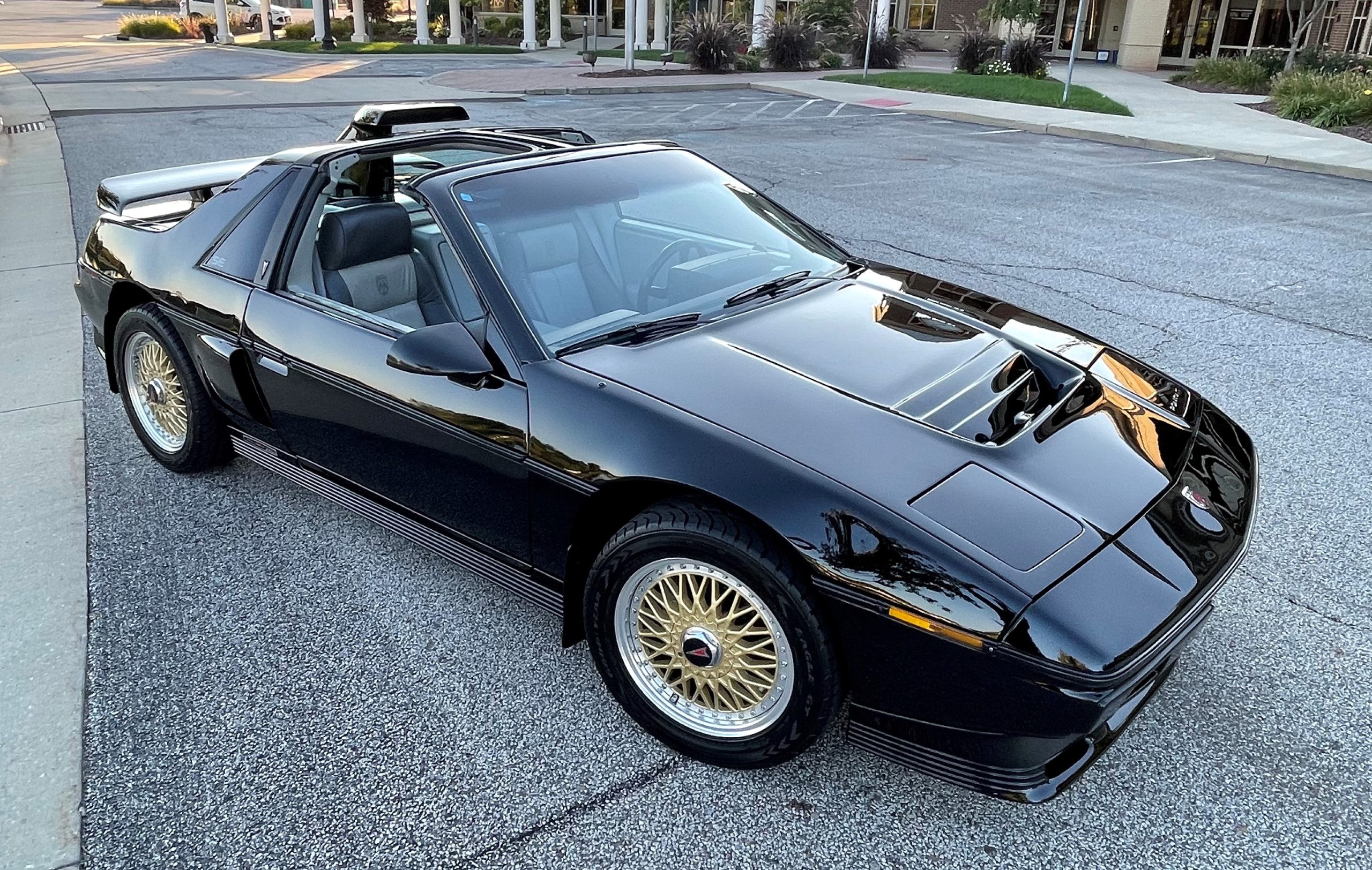
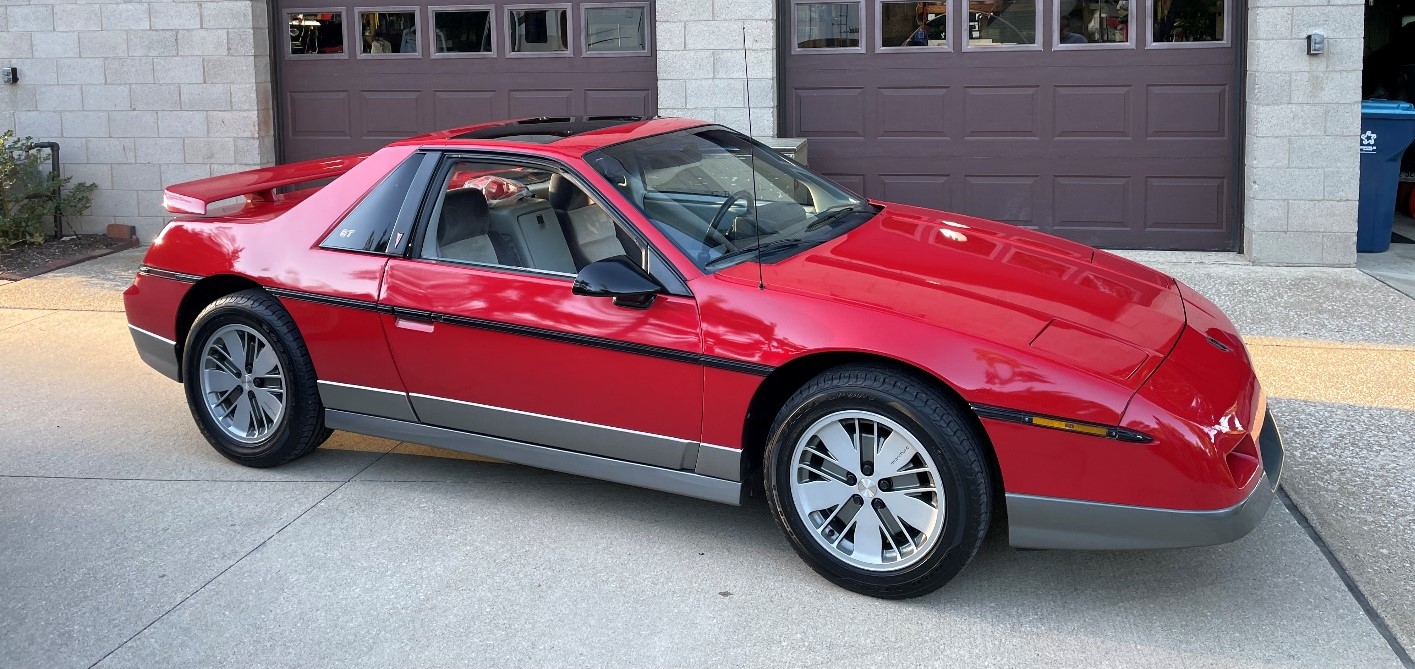
It’s been 40 years since I first drove off the lot in my brand new Pontiac Fiero.
When I bought the car, I was a celebrity amongst my gearhead friends. The futuristic mid-engine sports car from Pontiac was poised to be a quantum leap in GM performance, packed with potential and wrapped in an aura of innovation.
…Then after about a decade’s worth of bad Pontiac publicity, those same friends looked at me like I was the village idiot.
But today, with Radwood car shows and a resurgence of 1980s nostalgia, the Fiero is cool again.
Now I’m chatting with younger gearheads about this oft-overlooked coupe, and they’re astonished to learn that GM had the guts to make a mid-engine sports car during the waning years of the American automotive “Malaise Era.”
But much of the real story behind the Fiero still remains hidden in a sea of false information—and those inaccuracies are being kept alive on the web.
Well, since becoming the proud owner of a Fiero back in its heyday of the 1980s, I have evolved into somewhat of a historian on the car (and the enthusiast community that surrounds it). Over the years, I’ve dug through records, pored over articles, and spoken with the people who played a role in its origin story to get the truth on the Pontiac’s mid-engine miracle.
So, sit back and hear the tale of the Pontiac Fiero and the true story of its untimely demise.
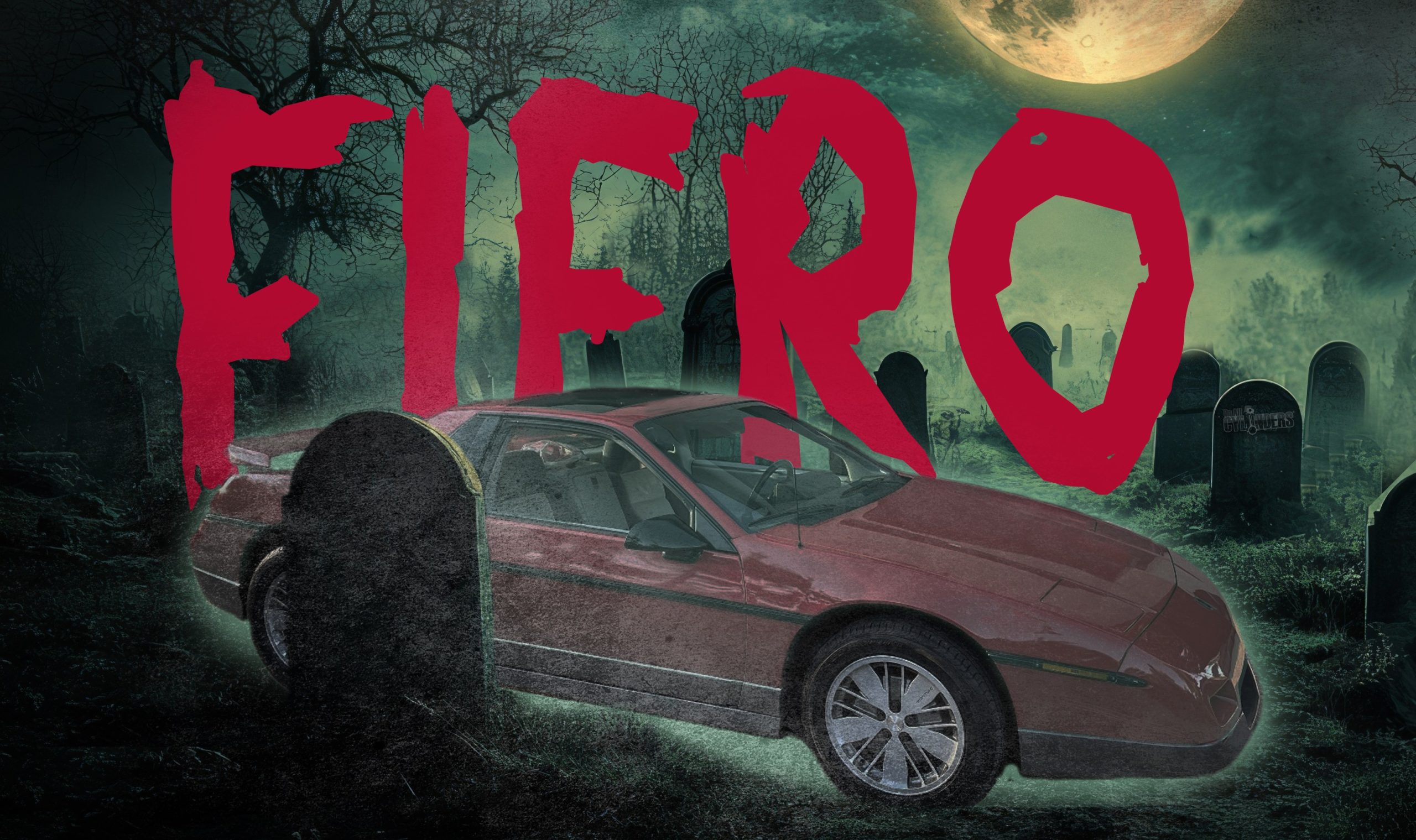
The Birth of the Pontiac Fiero
There is a lot of mystery and myth to the life…and death…of the Fiero. The program was an odd branch of the GM family tree from the start, and Pontiac just would not give it up.
Some of the Fiero’s origin story has been revealed over the years and it’s generally pretty accurate. There are two key points to recall, as context for its final chapter:
- The Fiero program was indeed canceled by GM several times during its early development stages.
- The project was hidden at an outside engineering firm called “Entech” until Pontiac sold GM on the idea of an economical commuter car (not a sports car).
Once GM finally gave the Fiero program its official green light, Pontiac took the ball and ran with it.
…Though there was a catch. Yes, they finally had corporate approval, but Pontiac engineers often had to settle for what they could scavenge from the GM parts bin, thanks to a very limited research and development budget. That meant the trusty 2.5L four-cylinder “Iron Duke” was the only suitable engine option at the time, simply because it was all they could get.
But from the start, Pontiac had bigger plans for a V6, even a Turbo, along with a better suspension—once the Fiero proved to be a success, of course.
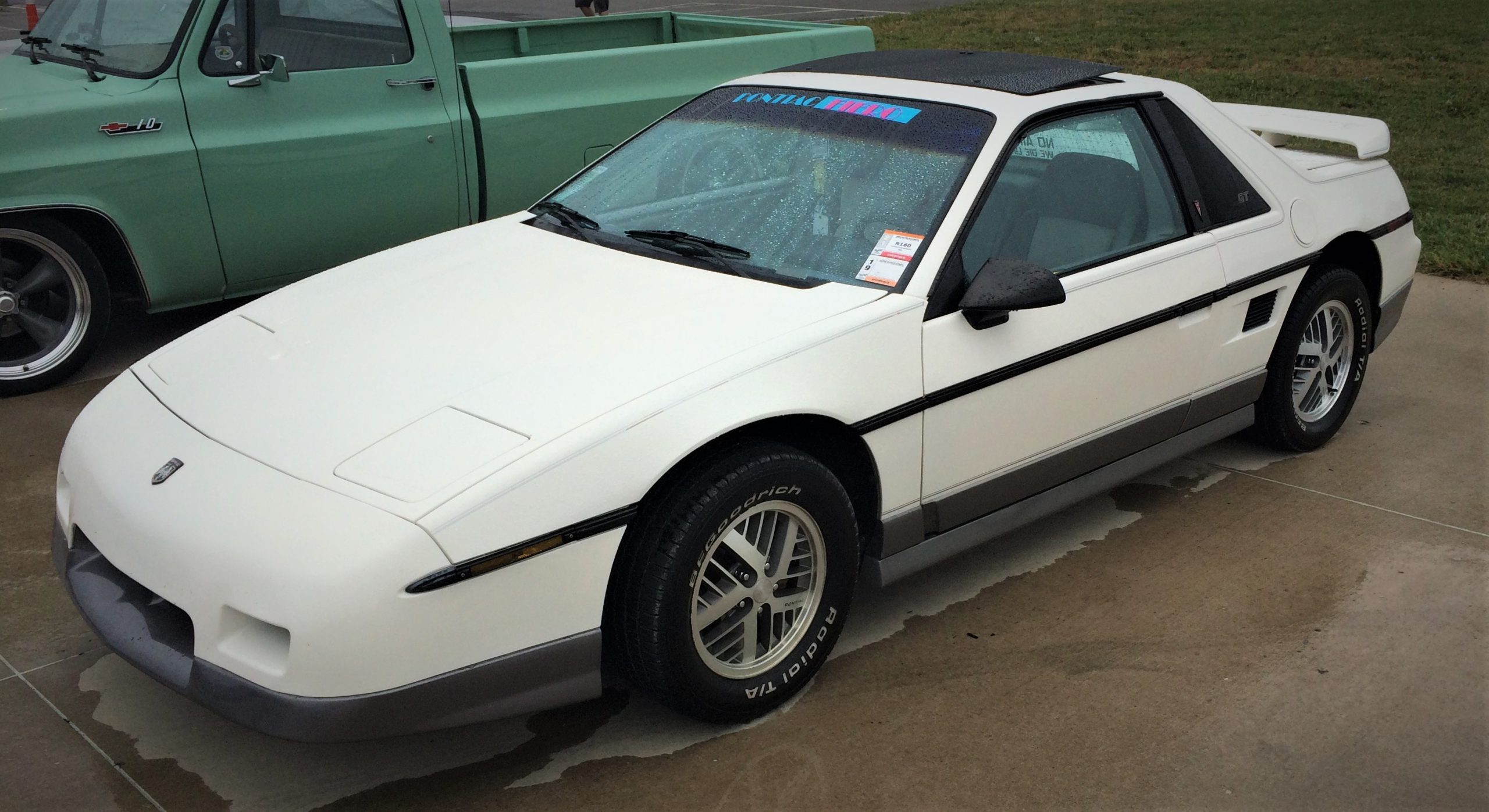
The Fiero Stands Alone
The Fiero was built at the Pontiac plant on Baldwin Avenue, appropriately located in Pontiac, Michigan.
Yet one of the key factors that contributed to the Fiero’s sad fate was that it was the only model assembled in a massive facility that could ultimately handle a whopping 350K unit/year production volume.
Sure, two-seater coupes are a limited market, but Pontiac was banking on overselling the Fiero and, more importantly, it pinned a lot of optimism on an all-new GM platform, still under development, called the GM-80.
The GM-80 was configured for front-wheel drive—but it had the potential to be adapted for all-wheel drive too. And GM had big plans for the GM-80, starting with its intended replacement for the traditional real-wheel drive F-body platform that underpinned the Camaro and Firebird. Pontiac expected the GM-80 cars to be assembled alongside the Fiero at the Baldwin Avenue plant, which would easily absorb the factory’s extra production capacity.
Problem was, the GM-80 platform never realized its full potential.
Cost over-runs and the lack of interest by many folks in the corporate leadership meant that GM eventually killed any further development in the GM-80 program. (Across town in Dearborn, Ford followed a similar arc when it scrapped plans for a front-wheel drive Mustang and pivoted its Mazda-derived chassis into a standalone Probe model.)
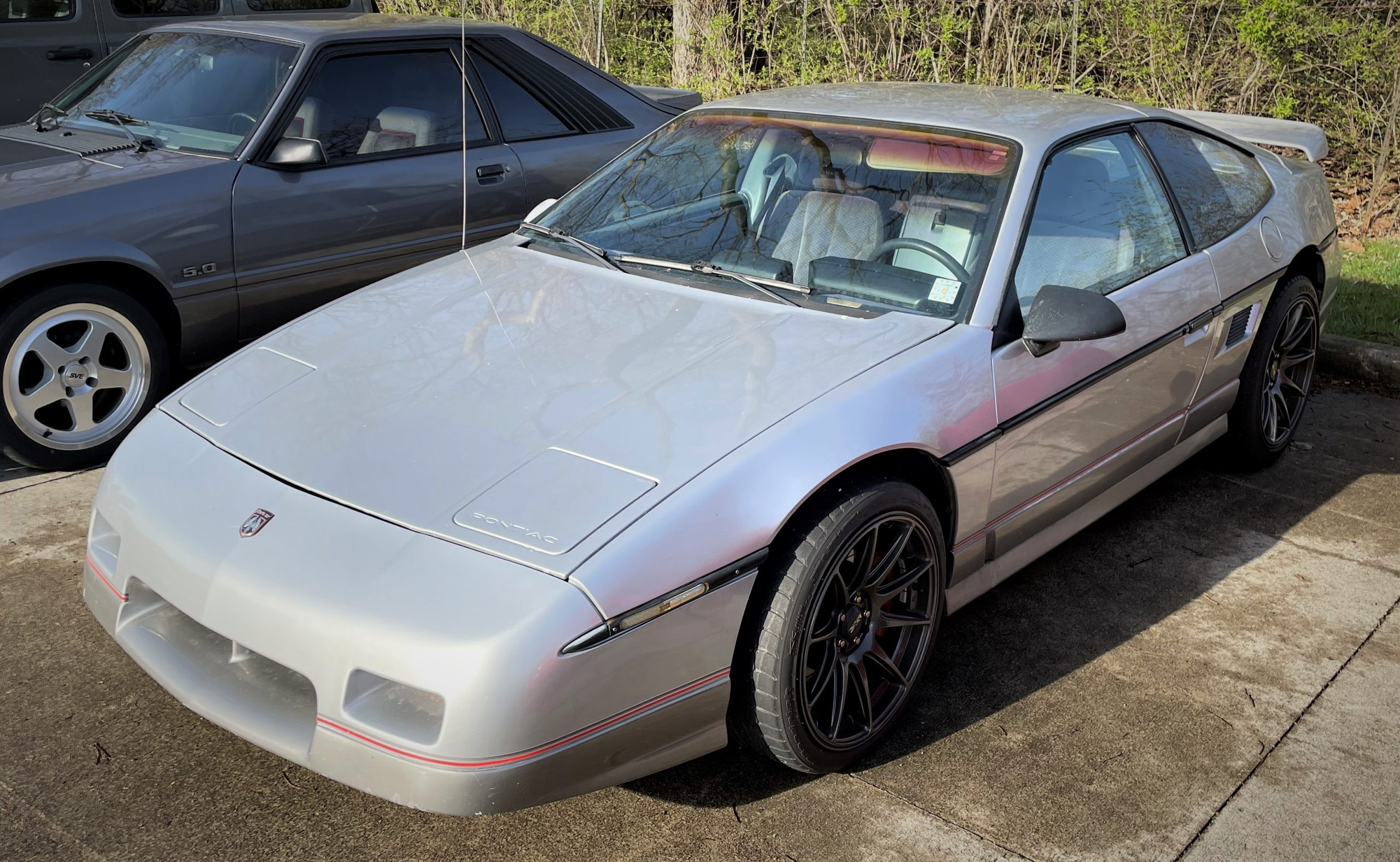
Pontiac had forecasted to sell 33,000 Fiero models a year. Now, with the GM-80 chassis development halted, this meant there was no other other model left to fill the production volume of that massive Pontiac facility.
Again, with the plant designed to handle 350,000 units a year, the Fiero’s estimated 33,000 units left the factory running at around 11% capacity.
GM was already hurting for money, so a few folks on the Corvette program shrewdly pointed out the lack of production at the Pontiac plant.
Who Killed the Fiero?
So why would the Corvette people want to bring attention to that fact?
Well, C4 Corvette sales were in decline and, at the same time, Pontiac was working on a DOHC V6 V6 for the Fiero that promised to make over 230 horsepower.
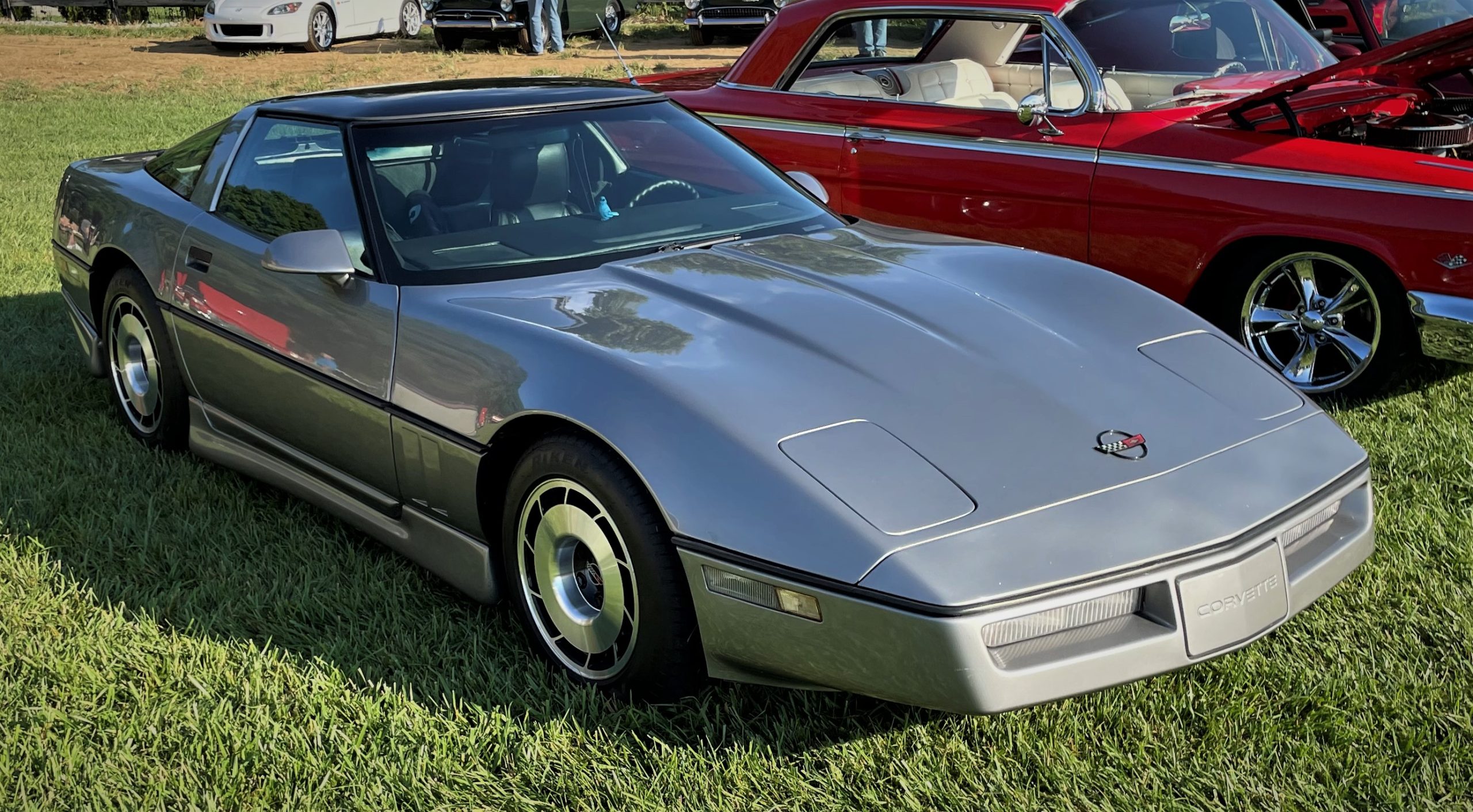
More alarming to the Corvette team was that this new Fiero would be cheaper and lighter, and carried by an all-new GM designed (and Porsche-tuned) suspension.
In other words, this updated Fiero could potentially torpedo the business case for the Corvette.
Now, I know what you’re going to say: “Kill the Corvette? That would never happen!”
Well truth is, the mighty Corvette’s future looked just as bleak in the late 1980s. Even with the Fiero out of the picture, the C5 Corvette program was still effectively canceled in 1993. The Corvette team was told to stop working on the C5 development, and GM froze its funding.
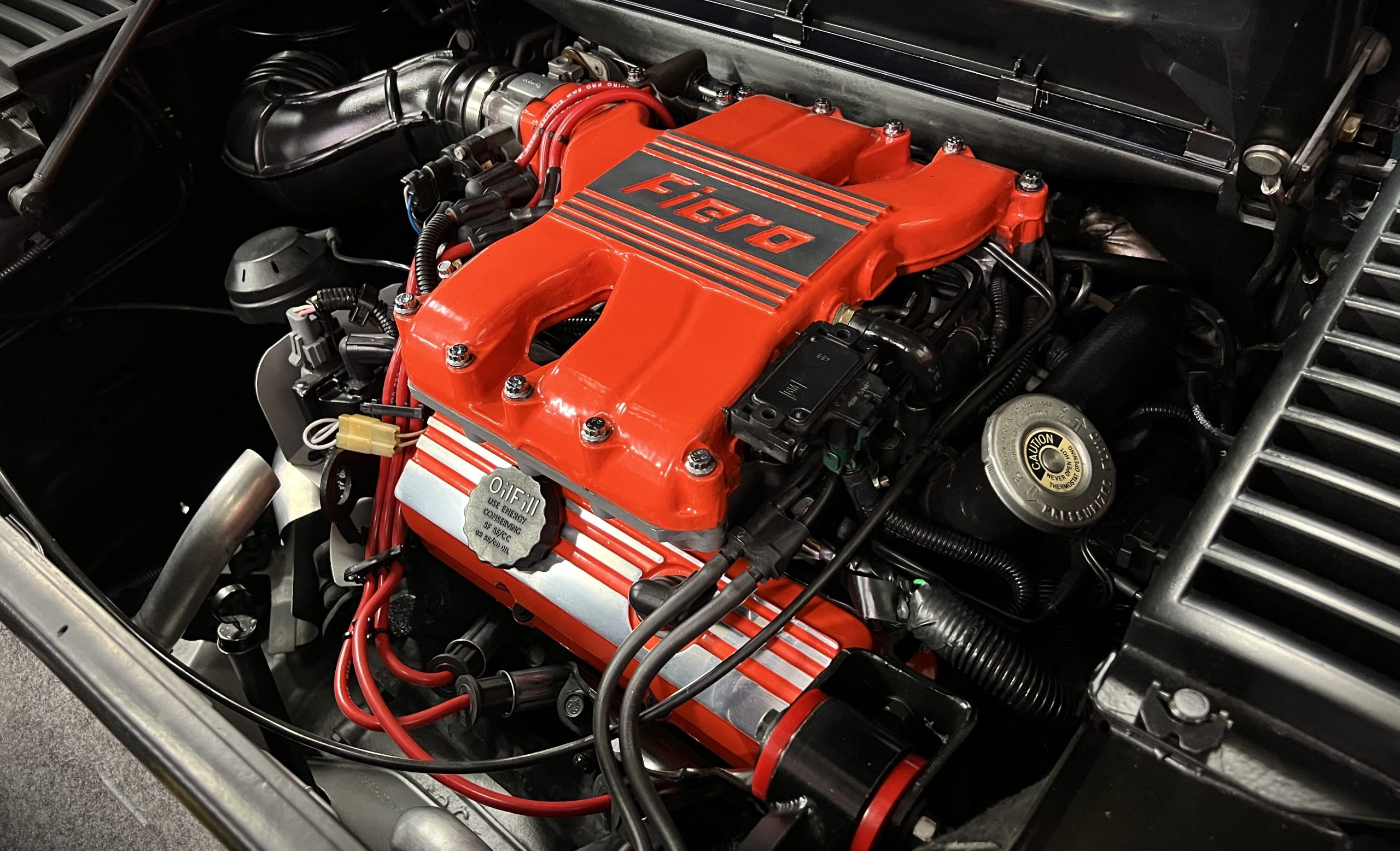
The Corvette was saved by some clever maneuvering by its R&D folks. They moved the C5 to an outside engineering firm, which then built running Corvette test mules to get the program back on track. (And if you recall, that’s the same tactic that Pontiac used to get the Fiero into production in the first place.)
So yes, the Corvette team was responsible for the Fiero’s death.
I have had this confirmed by Pontiac Fiero team members, as well as former Corvette leader Dave McLellan, as well as GM Designer John Schinella.
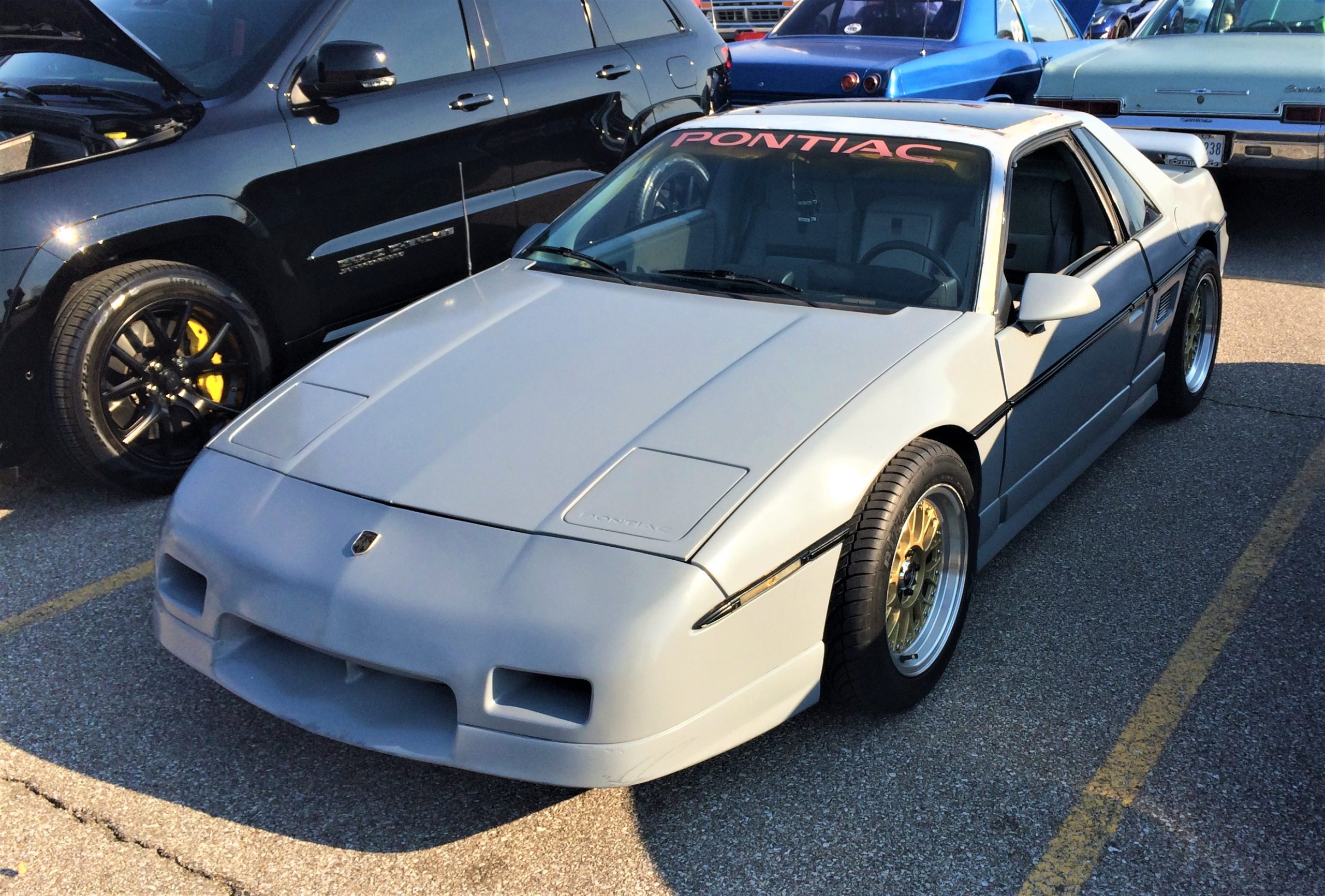
This is the true story of the Fiero’s death.
Sure, there were some other factors involved that certainly didn’t help, but the final blow was the Corvette team pointing out the under-capacity Pontiac plant, at a time when money was tight at GM.
Note: This underlying animosity between Pontiac, Chevy, and the UAW lasted for years—and this is what kept GM from ever truly revealing why the Fiero was killed off. Even today, some folks will not go public with comments on the car’s cancellation.
The Fiero Legacy Lives On
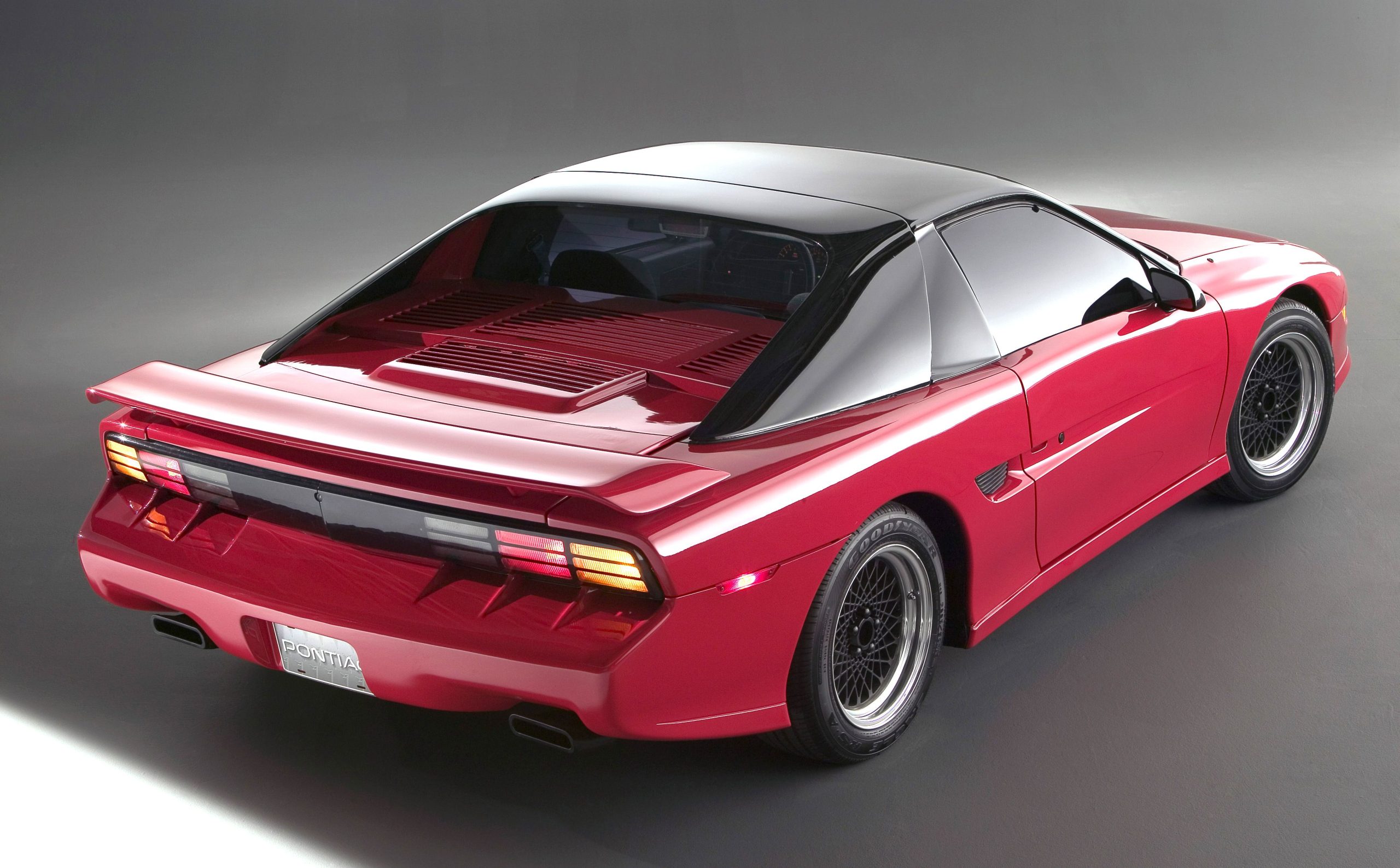
But that’s not the end of the Fiero story—the ill-fated sports car lived-on, in a way.
For starters, while the fourth-generation F-body Camaro/Firebird remained rear-wheel drive, it adopted the styling cues from the cancelled 1989 Fiero GT—heck, the driver-side gauges were carried right over from the concept.
And there was plenty of GM talent-sharing too. In fact, its corporate rival, the C5 Corvette, was designed by John Cafaro—an integral part of the design team on the Pontiac Fiero. The C5 Corvette’s interior was handled by Jon Albert, another Fiero program alum.
Looking back, it is more than a bit ironic that the Corvette was not only saved by the same bureaucratic tricks that the Pontiac folks used with the Fiero, the C5 inherited some of the R&D that went into it too.
A Second Chance That Never Arrived
Finally, something I just uncovered recently. Jim Hall, long-time Chevy racer and the father of the Chaparral race cars starting in the 1960s (and Indy winner in the 1980s) came into the picture.
For a long time, Jim had wanted to build his own sports car for the street. He once partnered with Carroll Shelby to make a Chevy-powered, Italian-bodied sports car—until Enzo Ferrari himself shut down that effort by pressuring the company tasked with making the bodies.
We all know that Carroll Shelby moved on to his Cobra coupes, and Jim just never got around to making a sports car for the street.
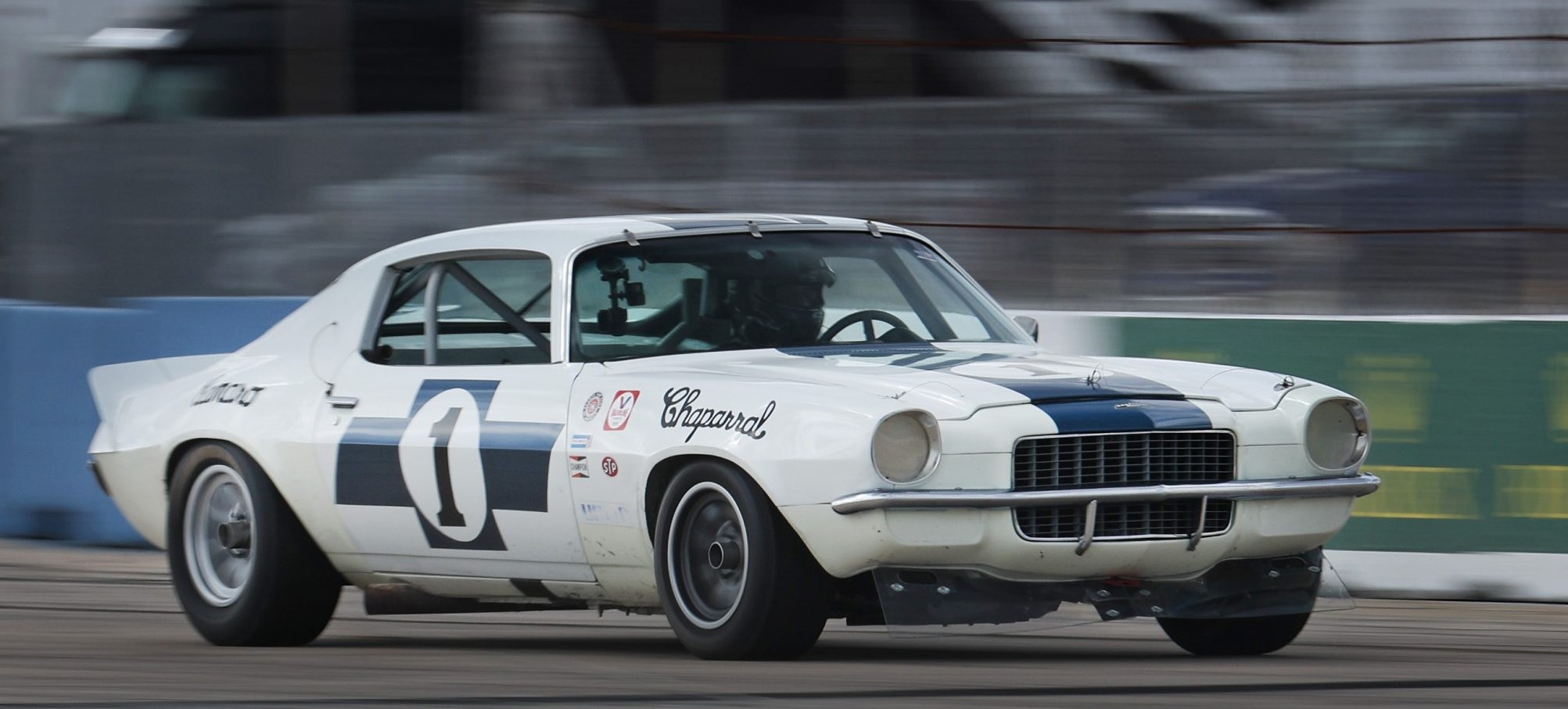
When the Fiero died, Jim investigated. Since the new Fiero prototype was done and ready, he wanted to take that car and modify it into his Chaparral road car—complete with a Chevy V8 behind the seats.
…It all sounded good until GM pulled a 180° and refused to sell the plant and tooling to Jim.
GM felt that, if Hall’s car failed, it would reflect badly on them.
Worse yet, if it succeeded, it would just stir up the hard feelings with Pontiac again.
But yes, there could…could…have been a mid-engine V8-powered Chevy years before the C8 Corvette arrived—per the story in the biography of Texas racing legend Jim Hall.
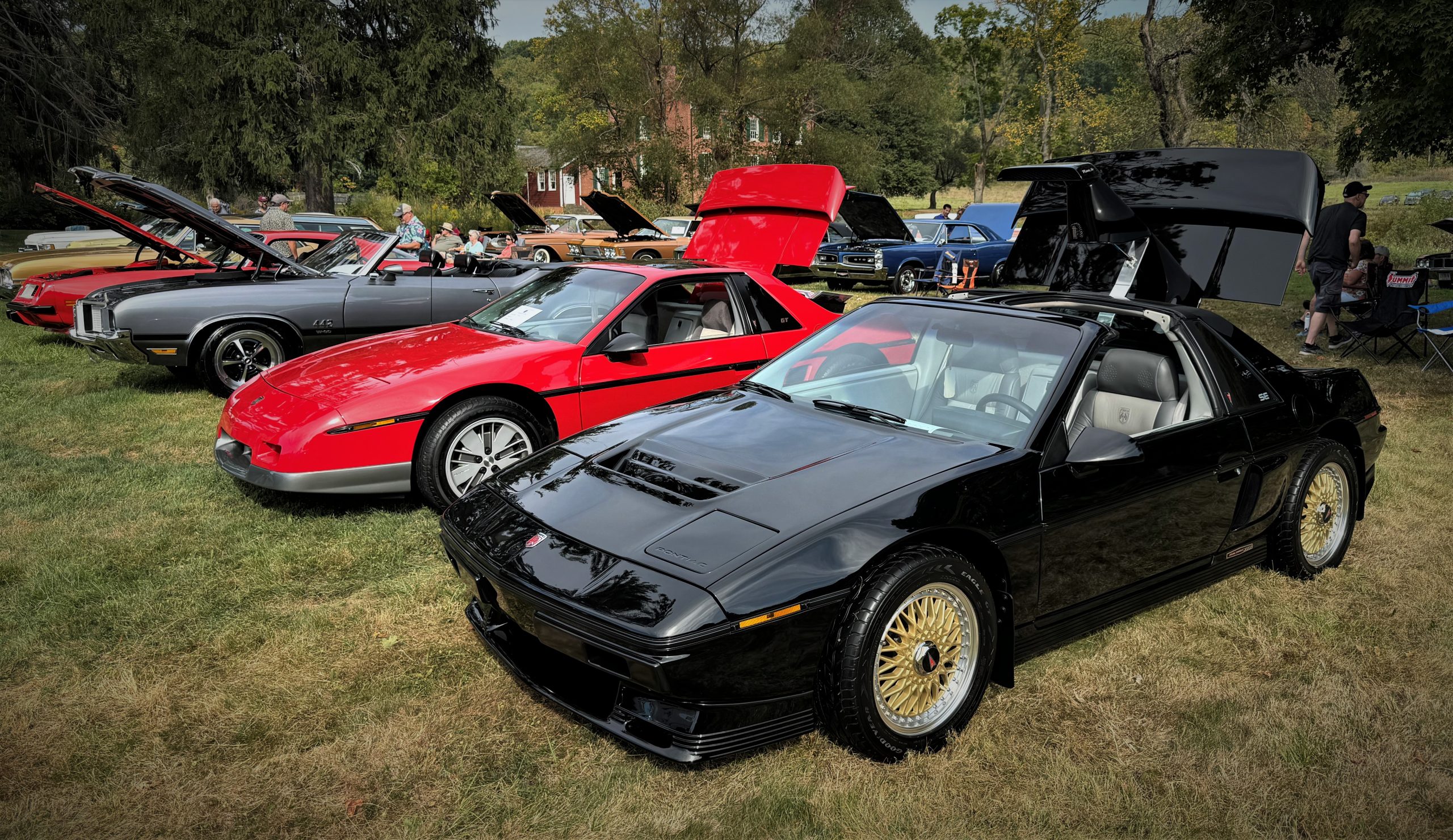
I could write a book on all this, because there is still much, much more to the Fiero’s story.
For instance, plenty of Fiero falsehoods need to be debunked—primarily the number of fires allegedly linked to poor engineering. Then of course, there’s the long-rumored “Lotus-tuned” suspension (in truth, it was Porsche engineering that did the tuning).
…Maybe someday I will write that book.
***



The Fiero suspension was never “Porsche Tuned”. That is a myth and was confirmed at the 40th Fiero Anniversary with the engineering team.
Well Tom Goad Pontiac engineer and Pontiac racer claimed different in High Performance Pontiac Magazine before he passed away.
He made it clear it was a GM designed suspension but Porsche Engineering was used for feel.
It is not unusual to get conflicting stories from past projects. Seeing Tom was a Pontiac Suspension guy I will take what he stated.
Often when working with outside firms not everyone is privy to what was going on.
He did clearly state that the suspension was a full in-house design.
Note Lotus Tuned was a myth for sure.