The 4000 and 2140 Series “Teapot” carburetors were the first production four-barrel carburetors made by Holley
Holley Teapot carburetors were mainly used on Ford, Mercury, and Lincoln Y-block V8s from 1953 to 1957
Holley Teapot carburetors get their nickname from the design that placed the fuel bowl and main body above the four-venturi throttle body
4000 series Teapot carburetors have vacuum secondaries. The 2140 series have mechanical secondaries
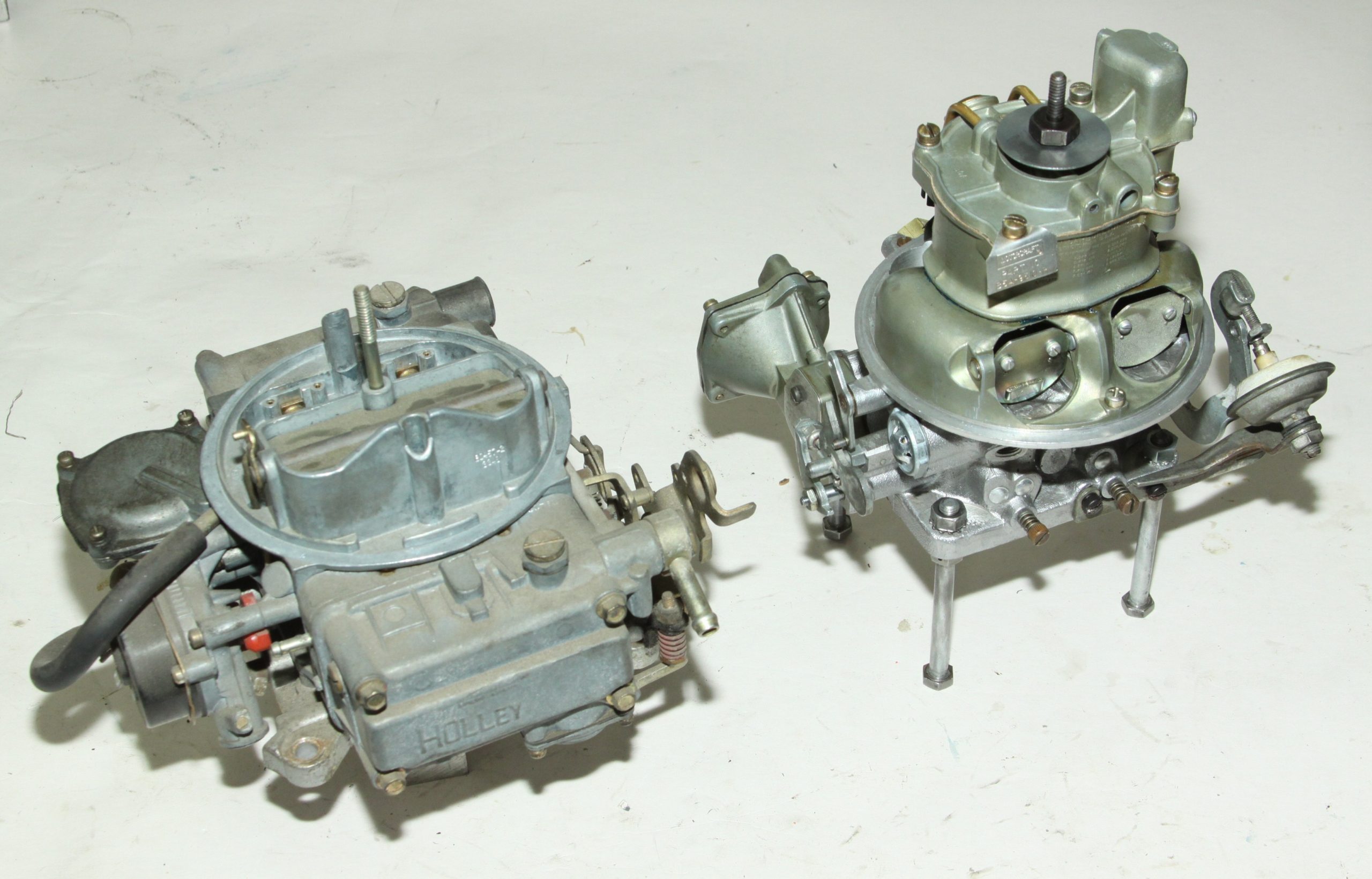
The Holley Teapot carburetors introduced features that were used on the Holley 4150/4160 carburetors
***
The Holley 4150 and 4160 series four-barrel carburetors came out in the 1950s. The 4150 was introduced on the 312 CID V8 in the 1957 Ford Thunderbird, and the 4160 came along in 1958 on Ford’s new 332 and 352 CID FE V8s. The carburetors’ modular design and tunability have made them the high-performance standard ever since.
But the 4150/4160 carbs were not the first four-barrels made by Holley. That title goes to the 4000/2140 ‘Teapot’ carburetors. They got their nickname from the unconventional design that placed the fuel bowl and main body above the four-venturi throttle body. Other nicknames included Haystack and Coffee Grinder.
The 2140 had mechanical secondaries. It was used on 1953-54 Lincolns with the 317 CID Y-block V8 and 1954 Mercury with the 256 CID Y-block.
The 4000 had vacuum secondaries and was first used on Ford’s 292 CID Y-block in 1955. The carburetor was installed on 292-312 V8s through 1957, including the dual quad setup on the 1957 E- and F-code 312s. The carburetor was also used on 1955 Lincoln 341 and 1956 368 Y-blocks.
Despite a design that was supposed to isolate fuel from engine heat, the carburetors developed a reputation for igniting fuel in the bowl when they backfired. That earned them not-so-flattering names like Firebox and Towering Inferno.
Ford wasn’t the only automaker to use the Teapot carburetor. International and GM used a governed version of the 2140 on heavy-duty and military truck engines into the 1970s.
The Teapot carburetors are an interesting piece of Ford high-performance history. Comparing one to the 4150/4160 carburetor shows the progression of Holley’s thinking on carburetor design.
This Holley 4000 service manualfrom Carburetor Parts.com is an excellent reference for understanding and servicing these carburetors.
If you’re into Ford Y-blocks and looking for information on them and 4000 Series Teapot carburetors, the Hot Rod Reverend YouTube channel has plenty of good videos to watch.
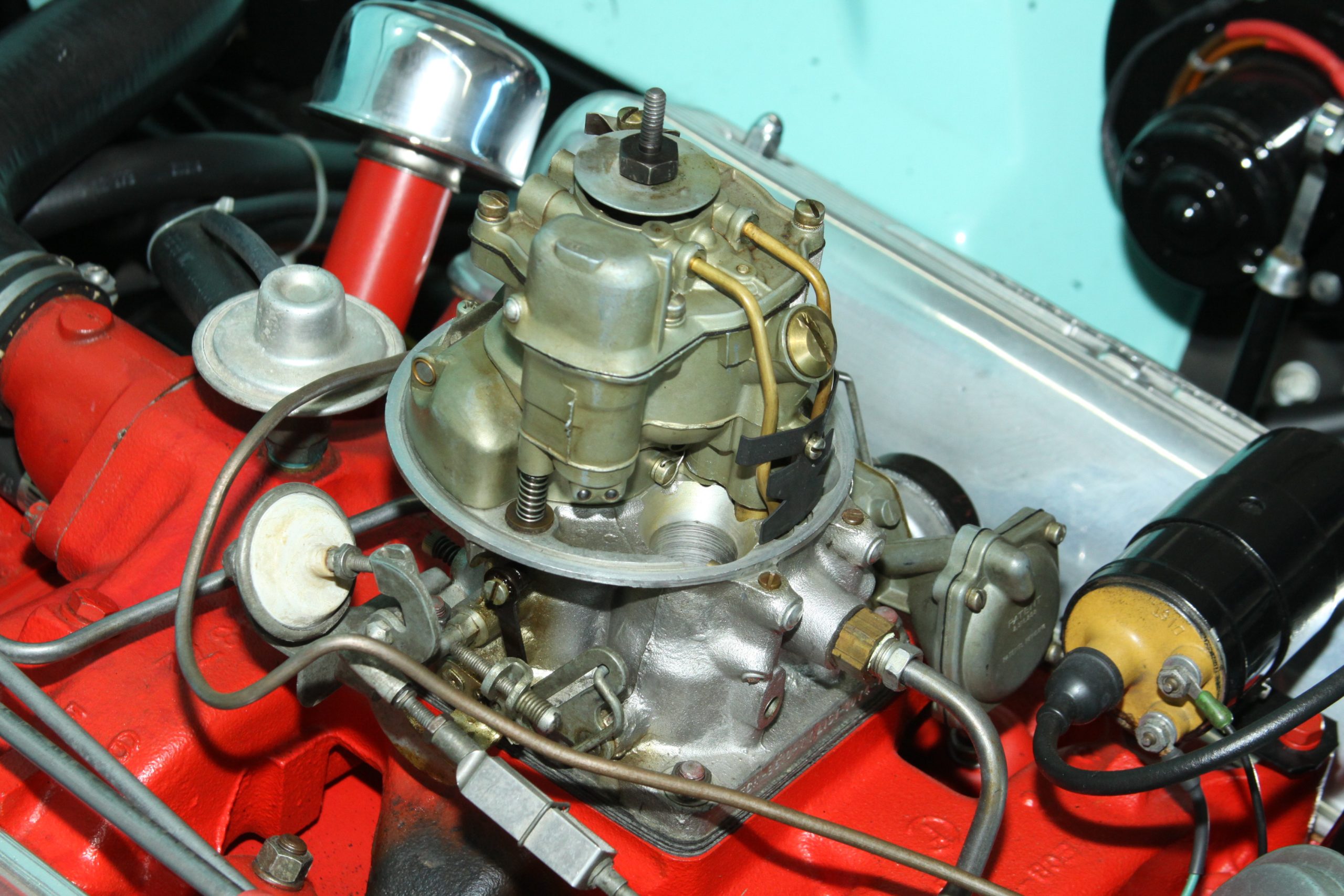
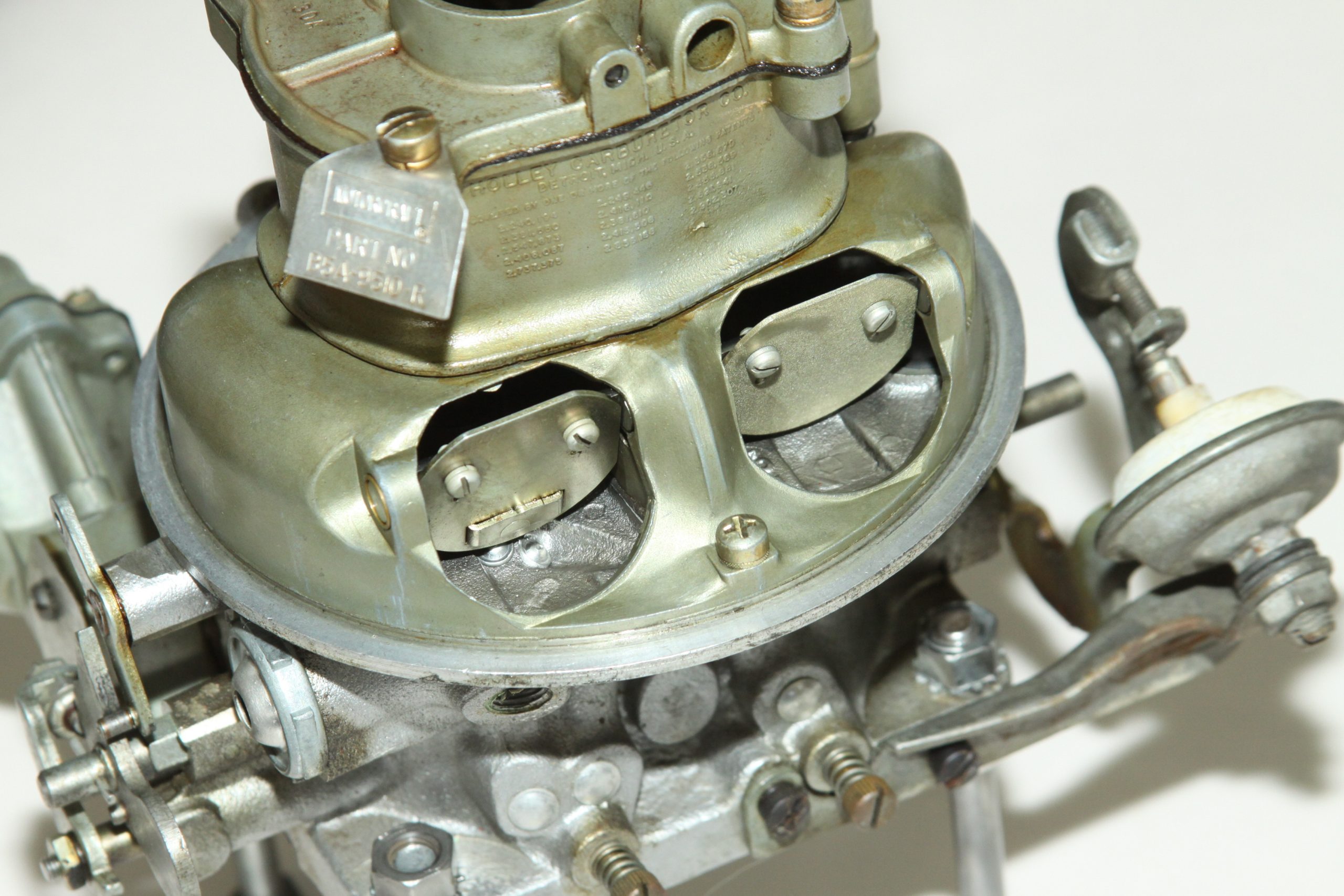
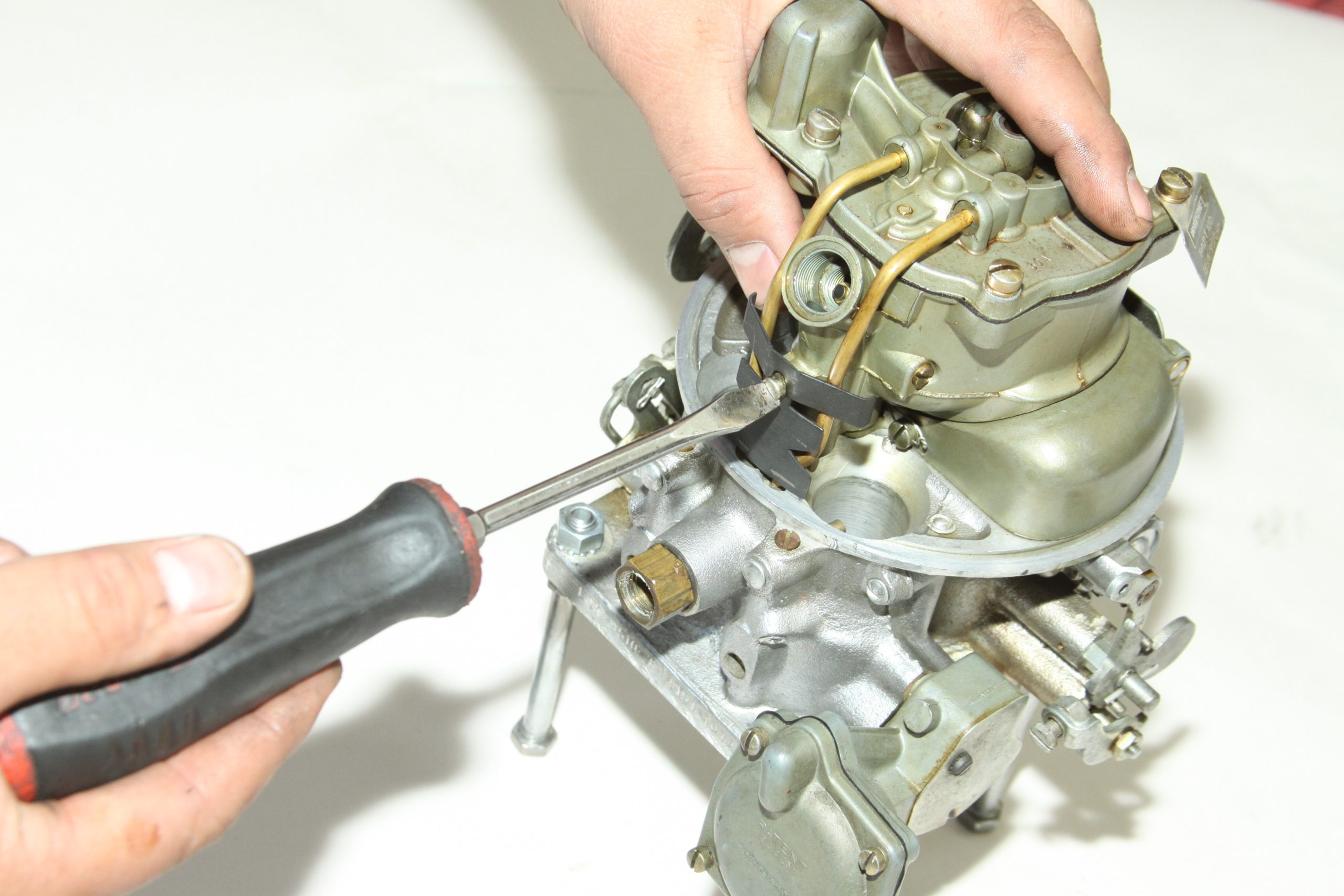
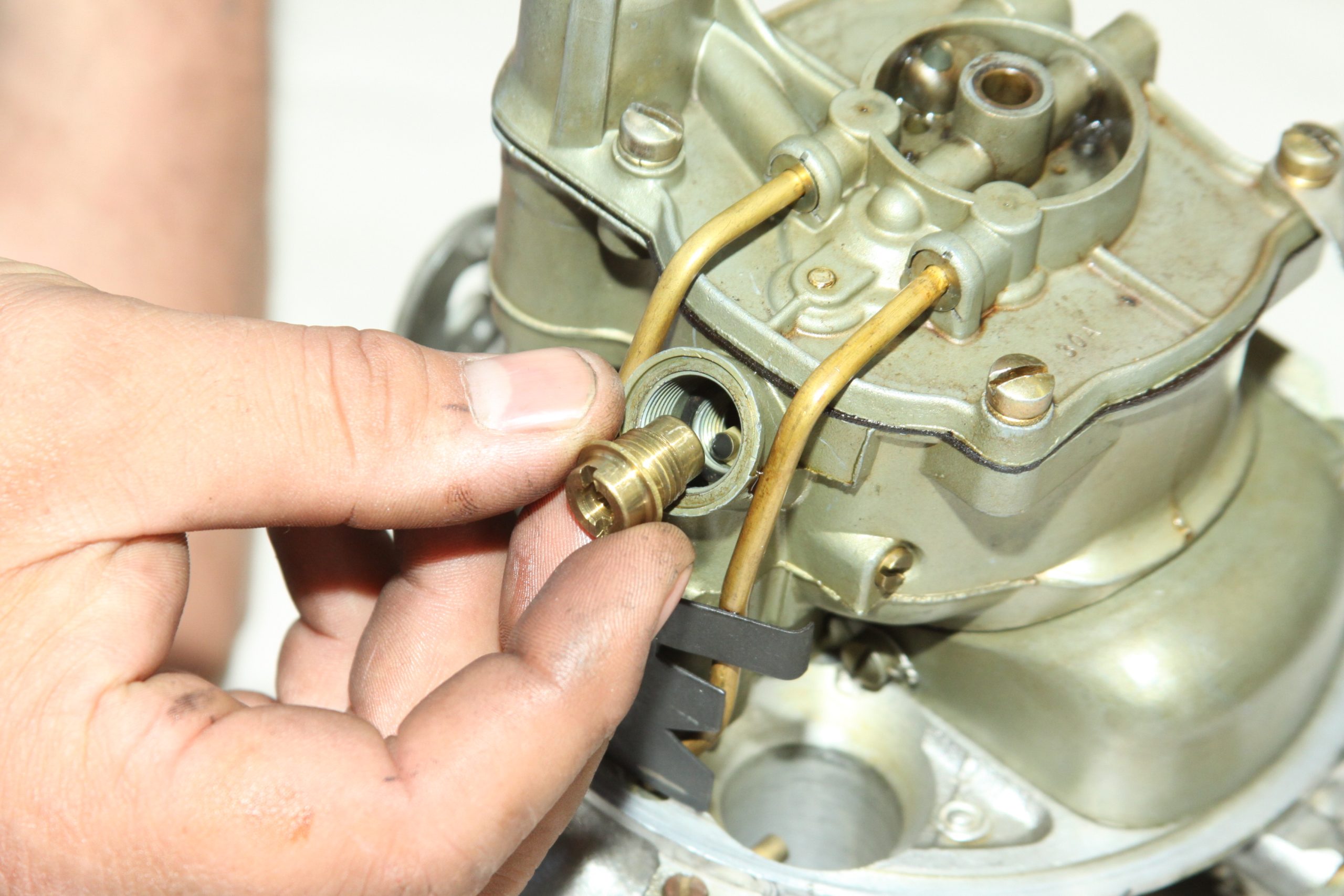
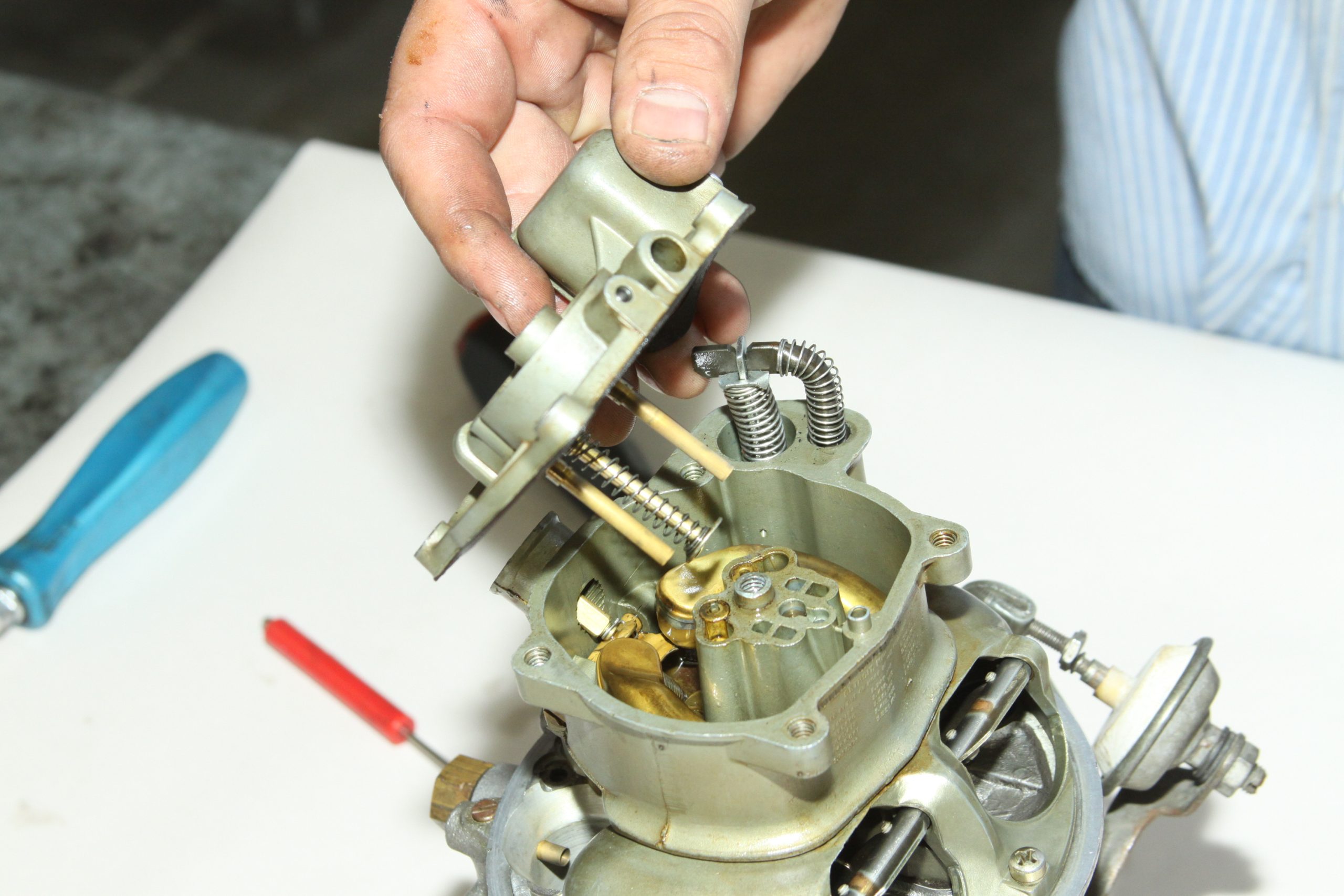
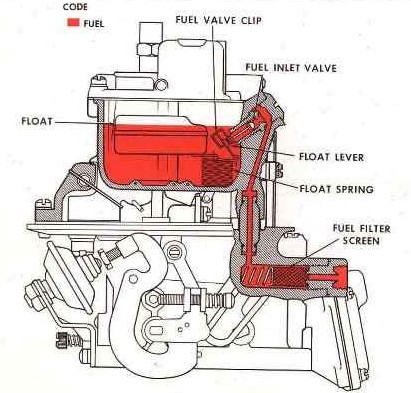
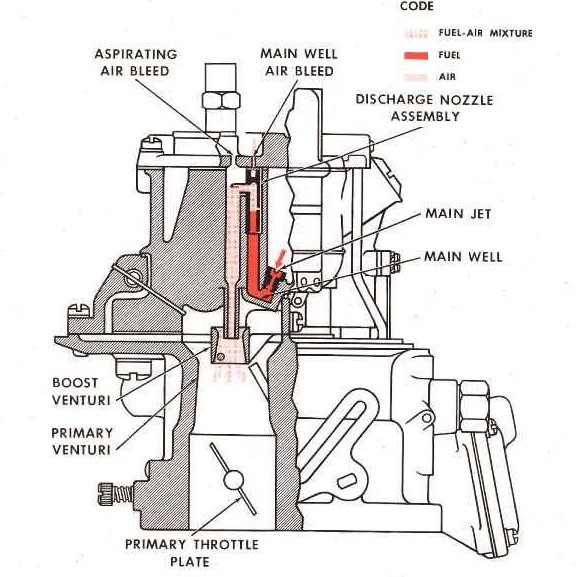
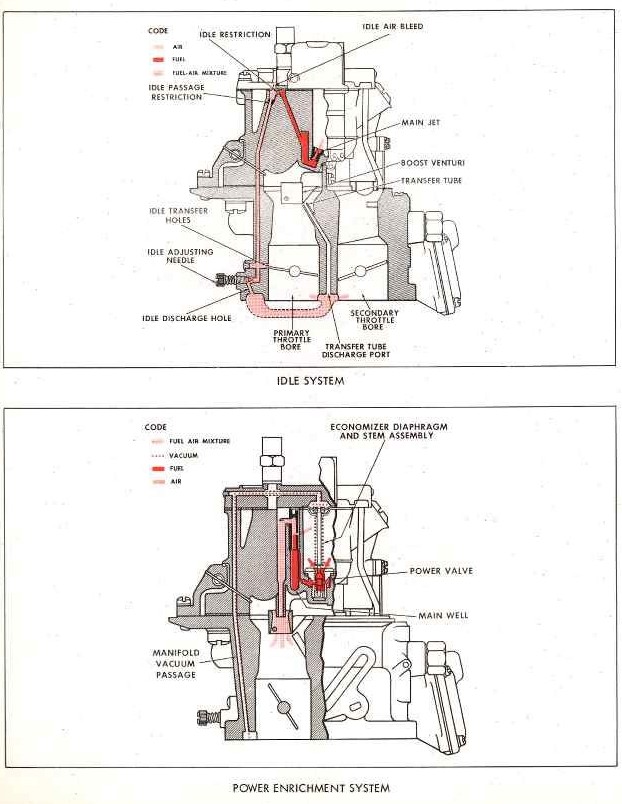
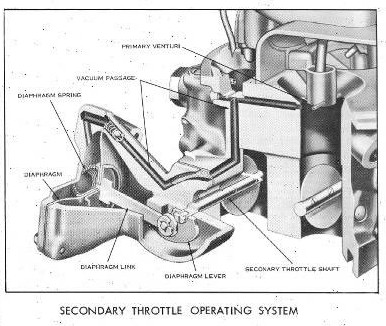
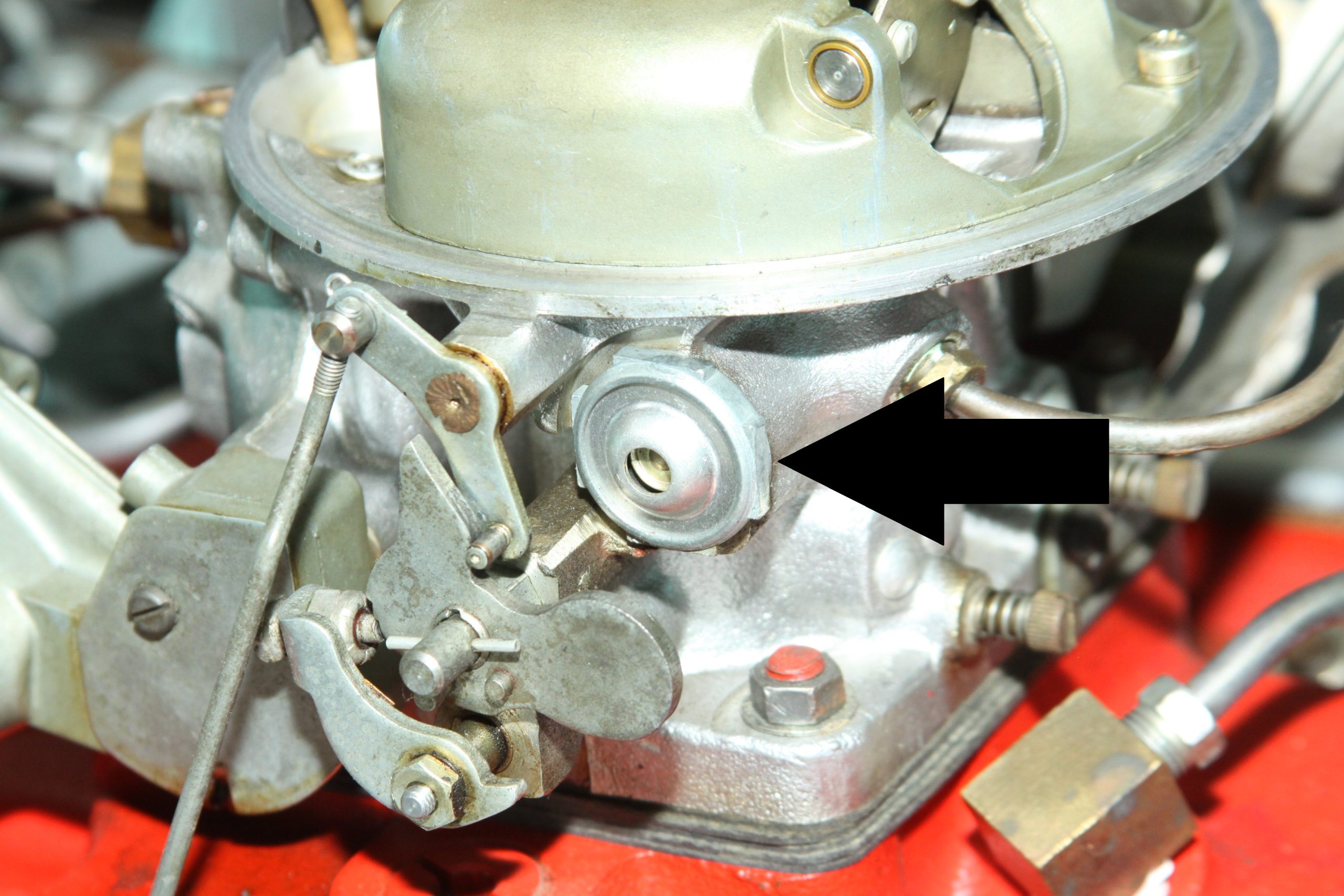
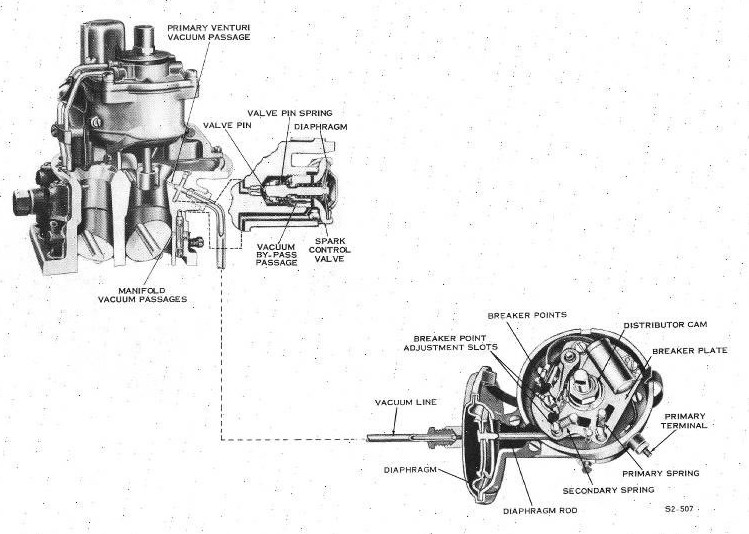
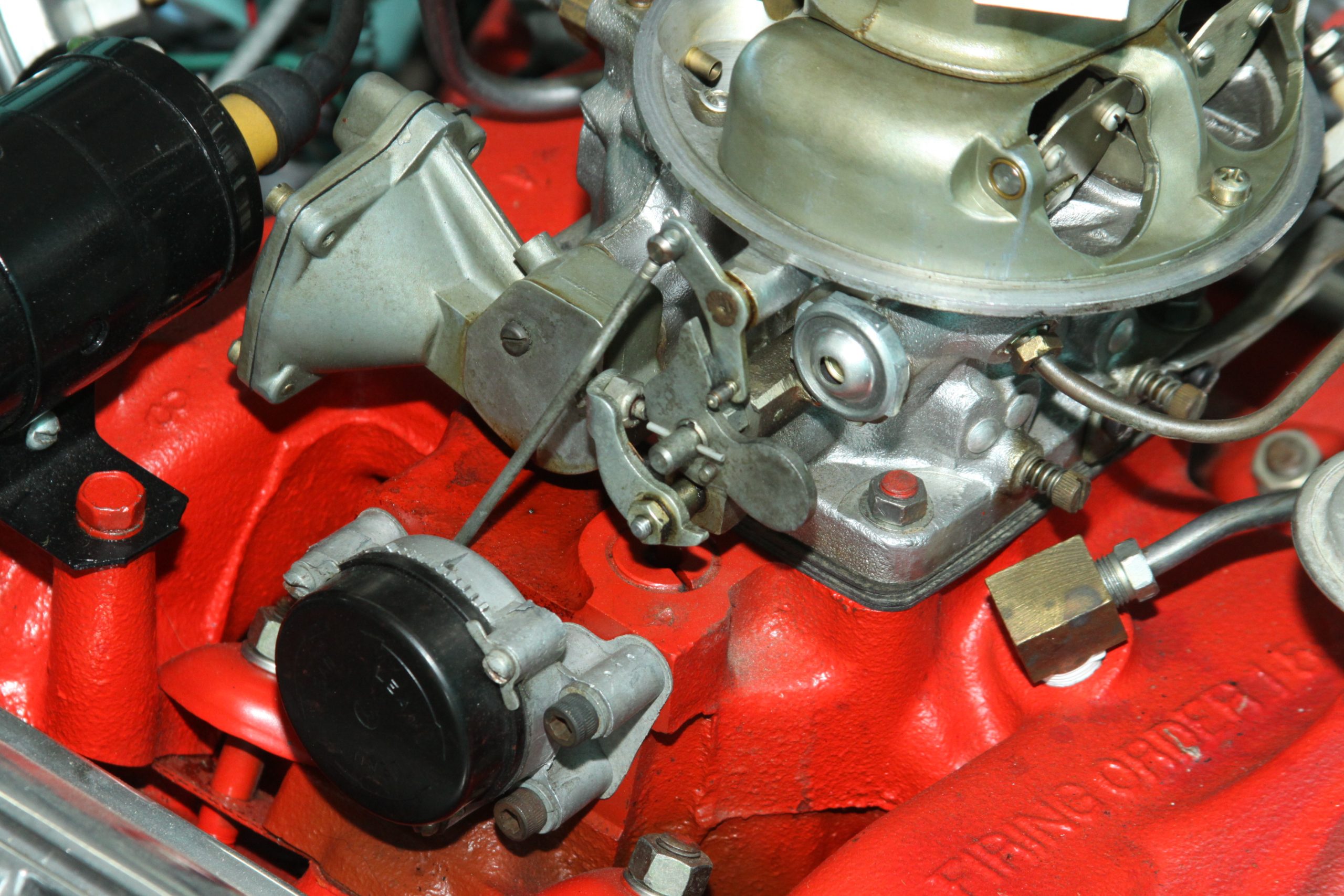
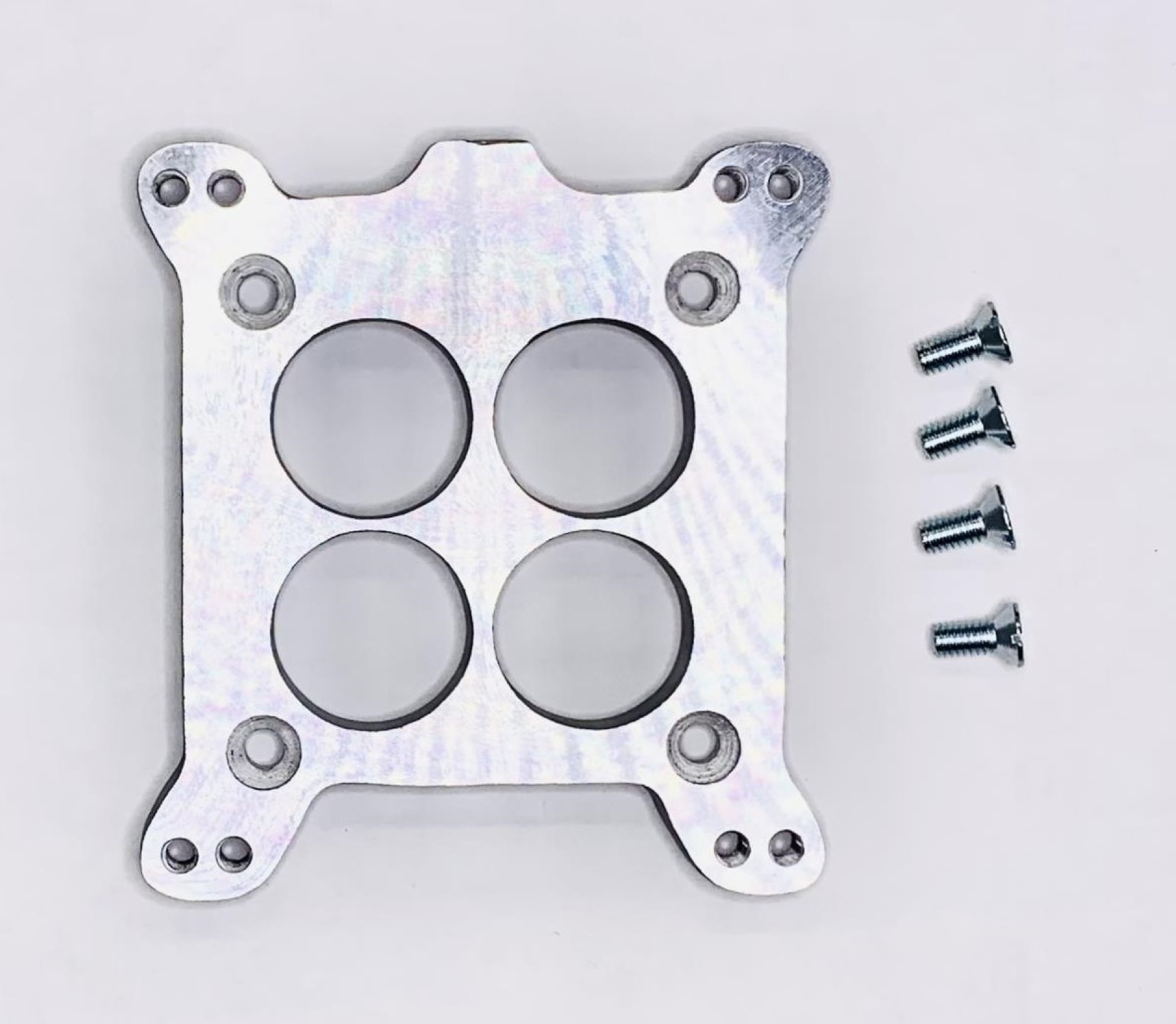
This is the rather unconventional Holley 4000 “Teapot” four-barrel carburetor. What made it unconventional was the fuel bowl and main body located above the throttle bores. This was an attempt to isolate the fuel from engine heat and was only partly successful. (Image/Jim Smart)Compare the Teapot (right) and the Holley 4150 carburetor (left) that replaced it in 1957 on high-performance Ford V8s. The 4150 owes features like the thermostatic automatic choke, vacuum secondaries, and anti-stall dashpot to its older brother. (Image/Jim Smart)Twin choke plates are controlled by an exhaust-heated thermostatic control spring, which expands and contracts based on manifold heat. As it heats up, it opens the choke plates. (Image/Jim Smart) These are the secondary connecting tubes that feed fuel to the secondary throttle bores. They are a press-fit design retained with O-rings and this stamped steel bracket. The tubes are guaranteed to leak if the O-rings crack or are missing. (Image/Jim Smart)The fuel bowl inlet is located here above the secondaries. Remove the fitting and you can see the fuel needle assembly, which seats in the inlet fitting. Having a single fuel needle assembly limited the amount of fuel the Teapot carburetors could supply, leading to starvation issues with modified engines. Holley put two fuel needle assemblies in the 4150/4160 carburetors to eliminate the problem. (Image/Jim Smart)Removing the fuel bowl cap as shown allows access to the float, needle valve, and pivot pin. The Teapot is a simple carburetor to disassemble and rebuild. (Image/Jim Smart)This illustration shows a cross-section of the fuel bowl, fuel inlet, and how the fuel enters the carburetor body. (Image/Jim Smart)Here’s the main metering circuit. Fuel from the bowl is fed to the circuit and mixed with incoming air at the boosters. (Image/Jim Smart)These two illustrations show the idle circuit and power enrichment system. The power enrichment circuit is controlled by manifold vacuum. The circuit supplies a richer mixture to the main circuit when manifold vacuum drops at higher engine loads and more power is required. (Image/Jim Smart)This is the secondary diaphragm actuator on the 4000 model Teapot. When engine speed increases to a point where additional breathing capacity is needed, vacuum from one primary venturi moves the diaphragm, which depresses a spring. That forces the actuator link to open secondary throttle plates. The 2140 model carburetors have mechanically actuated secondaries so they don’t have this feature. (Image/Jim Smart)This screw-in vacuum valve looks an awful lot like a Holley power valve. It’s actually the Spark Control Valve that sends manifold vacuum to the Load-O-Matic distributor. The valve modulates the vacuum signal to the distributor based on engine load and speed, allowing the distributor to advance or retard ignition timing—there is no mechanical advance mechanism. (Image/Jim Smart)This illustration shows how the Teapot carburetor and Load-O-Matic distributor work together to control spark advance. The Teapots were designed to work only with this distributor. If you drop a later distributor with mechanical advance in an engine with a Teapot carburetor, performance will suffer. (Image/Jim Smart)The Teapot’s automatic choke uses a thermostatic coil heated by exhaust gases, causing coil expansion and manipulation of the choke plates as the engine warmed. The choke was mounted on the intake manifold in 1954 and 1955 as shown here. (Image/Jim Smart)If you aren’t concerned about factory-correct, you can replace a Teapot carburetor on your pre-1957 Y-block with a modern squarebore carburetor using this Offenhauser carburetor adapter. Keep in mind that a factory Load-O-Matic distributor will not work with a later carburetor. Replace it with a 1957 and later distributor with a mechanical advance. (Image/Summit Racing)
Jim Smart is a veteran automotive journalist, technical editor, and historian with hundreds of how-to and feature articles to his credit. Jim's also an enthusiast, and has owned and restored many classic vehicles, including an impressive mix of vintage Ford Mustangs.
Comments
3 responses to “The First Holley Four-Barrel: The 4000/2140 Series “Teapot” Carburetor”
We have a 1957 Ford thunderbird e code with twin Holley 4000 teapot carbs , we have a major problem with the engine at kerbside idle ,when a gear is selected the engine stops immediately. The carbs have just come back from the states after complete rebuild. Even if we raise the kerbside idle speed to 850 RPM the engine stops when a gear is selected. Please can someone offer possible solutions to this problem.
Regards
CB Engineering
Hey Walter, I searched around and couldn’t find a definitive answer, but the general consensus is around 330 to 400 CFM, depending on the year and the engine (Ford/Lincoln/Mercury) it was attached to.



We have a 1957 Ford thunderbird e code with twin Holley 4000 teapot carbs , we have a major problem with the engine at kerbside idle ,when a gear is selected the engine stops immediately. The carbs have just come back from the states after complete rebuild. Even if we raise the kerbside idle speed to 850 RPM the engine stops when a gear is selected. Please can someone offer possible solutions to this problem.
Regards
CB Engineering
What is the CFM rating on the 4000 carbs?
Hey Walter, I searched around and couldn’t find a definitive answer, but the general consensus is around 330 to 400 CFM, depending on the year and the engine (Ford/Lincoln/Mercury) it was attached to.