
During World War II, nearly every domestic industry adapted its operations to assist the War Effort.
For some companies, that simply meant rationing raw materials, but others (namely those in the manufacturing sector) were called upon to re-tool their factories and begin assembling battle-ready vehicles, components, and other equipment.
This was especially true for automotive companies, which had the unique ability to quickly scale-up mass production, making them an essential component of the Allied victory.
You’re probably familiar with the Jeep legend, but many more of the armored vehicles, boats, and aircraft that helped achieve victory on the battlefield were built by companies that had been assembling business coupes just a few months prior.
Here are some examples of how the automotive industry stepped-up to assist the Allied forces during WWII and later military conflicts.
…
M29 Weasel, Built by Studebaker
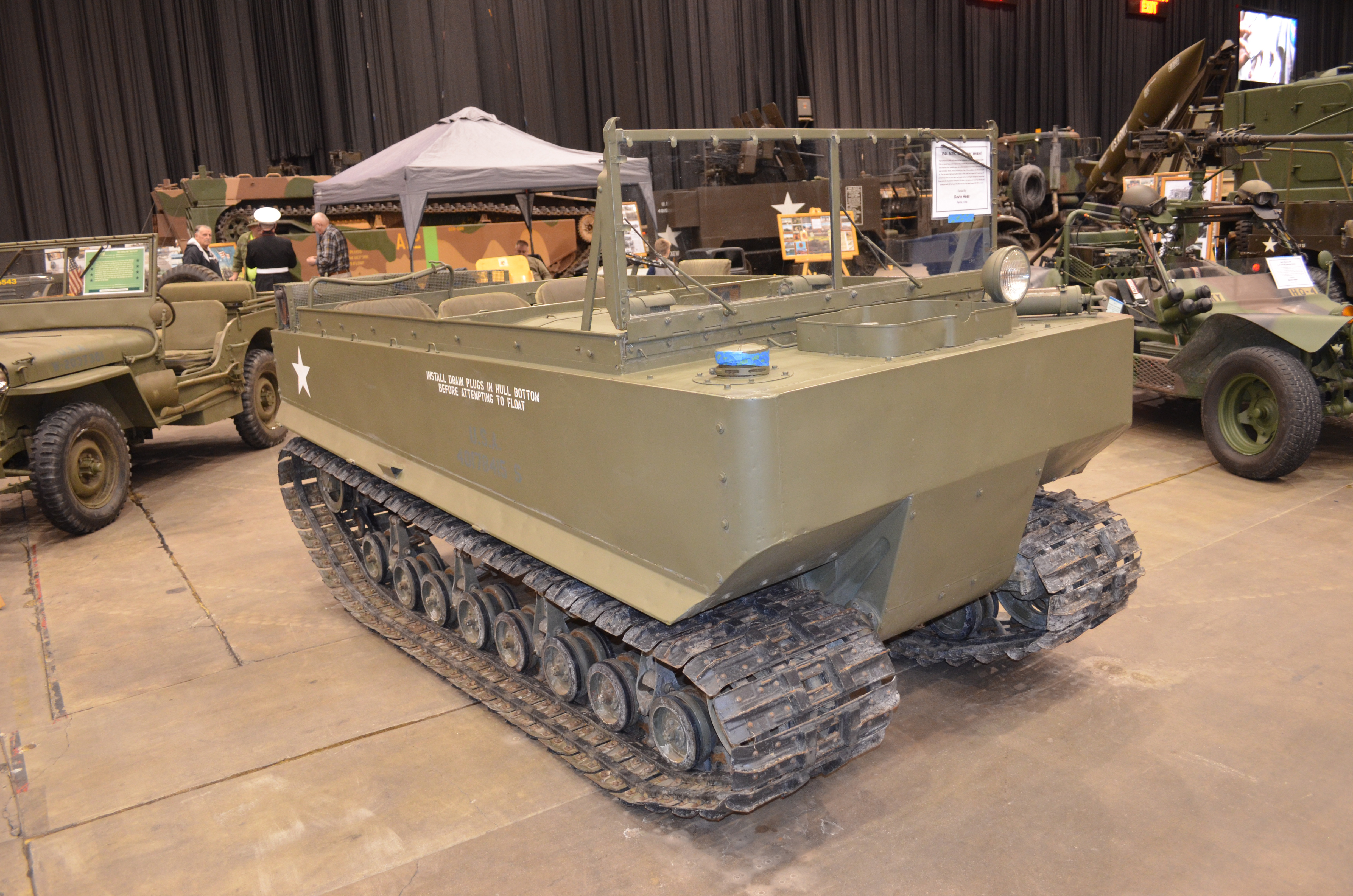
Though initially developed for the snow, the M29 Weasel proved adept at a wide range of terrain. The troop/cargo transport was built by Studebaker, and powered by a 70-horsepower engine previously used in the automaker’s Champion passenger car.
You can read a more detailed history of the Studebaker Weasel in this article: South Bend Goes to War
…
M18 Hellcat, Built by Buick
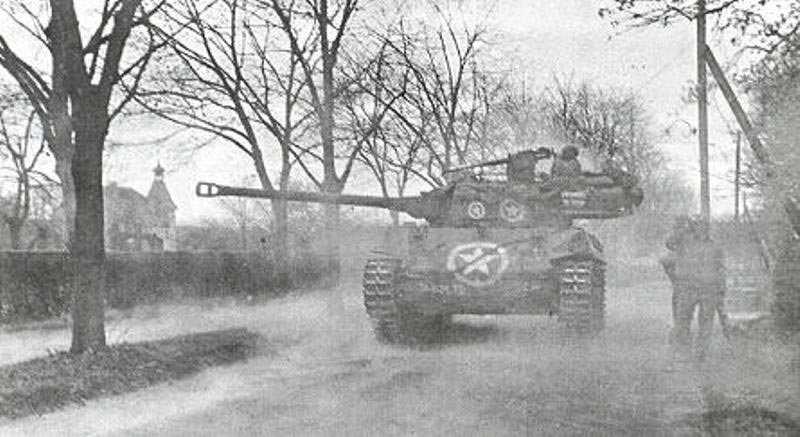
The M18 Tank Destroyer was the fastest tracked armored vehicle in the U.S. arsenal for decades. The design and construction was handled by Buick, and the M18 was powered by a Wright 9-cylinder radial aircraft engine coupled to a GM Hydramatic transmission.
Though produced for a little over a year, the fast-moving Hellcat proved highly effective at neutralizing enemy tanks during WWII.
…
COBRA Generator, Built by Crosley
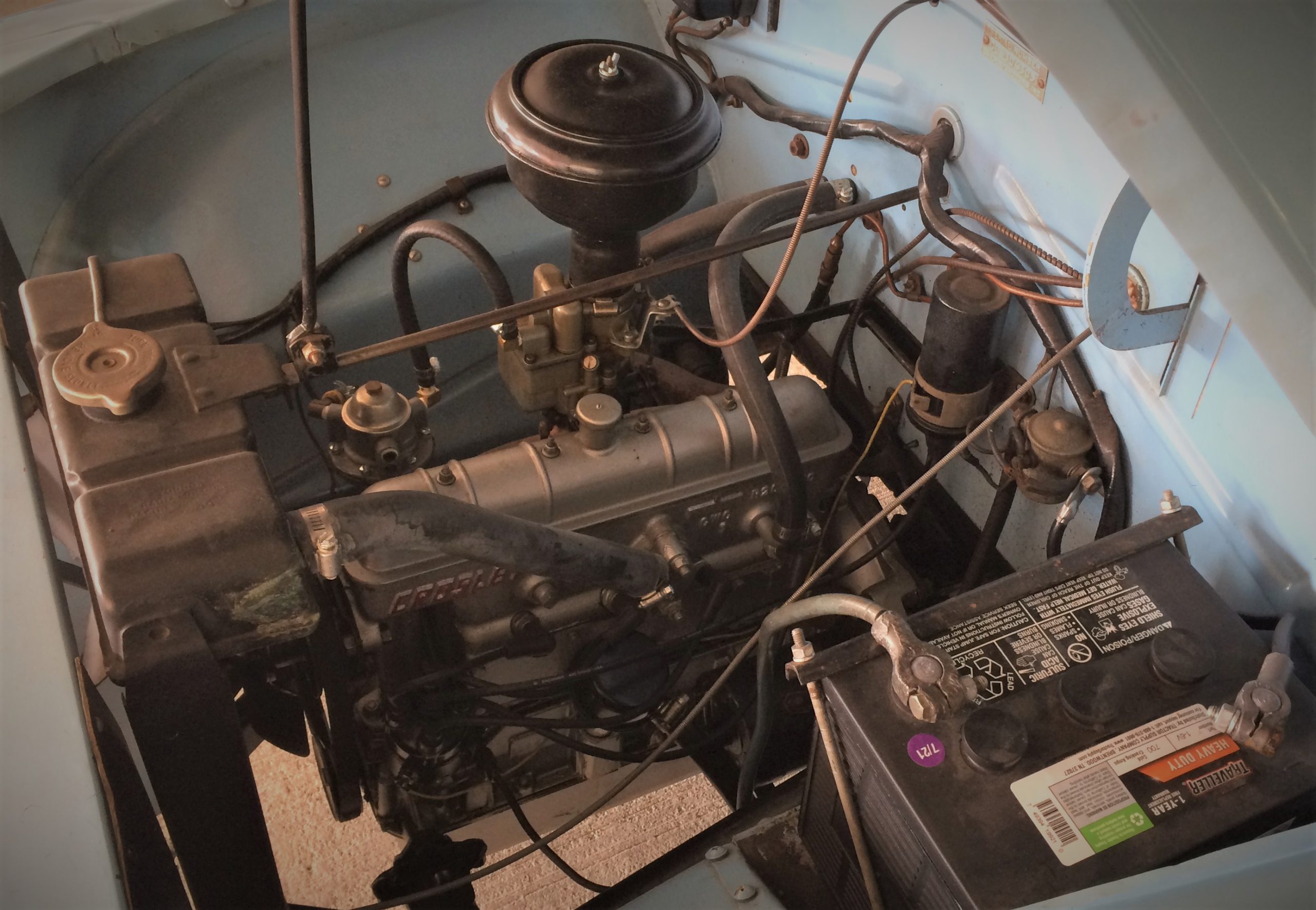
Boasting unique copper-brazed (hence, CO-BRA) stamped-steel construction, Crosley’s self-contained electrical generators wound up in boats, aircraft, and remote outposts during WWII.
The 44 cubic-inch engine’s lightweight, compact design also made it ideal for air-drop applications.
Into Crosleys? You may enjoy this too: Meet the Crosley Hotshot: America’s First Postwar Sports Car
…
WC Series, Built by Dodge
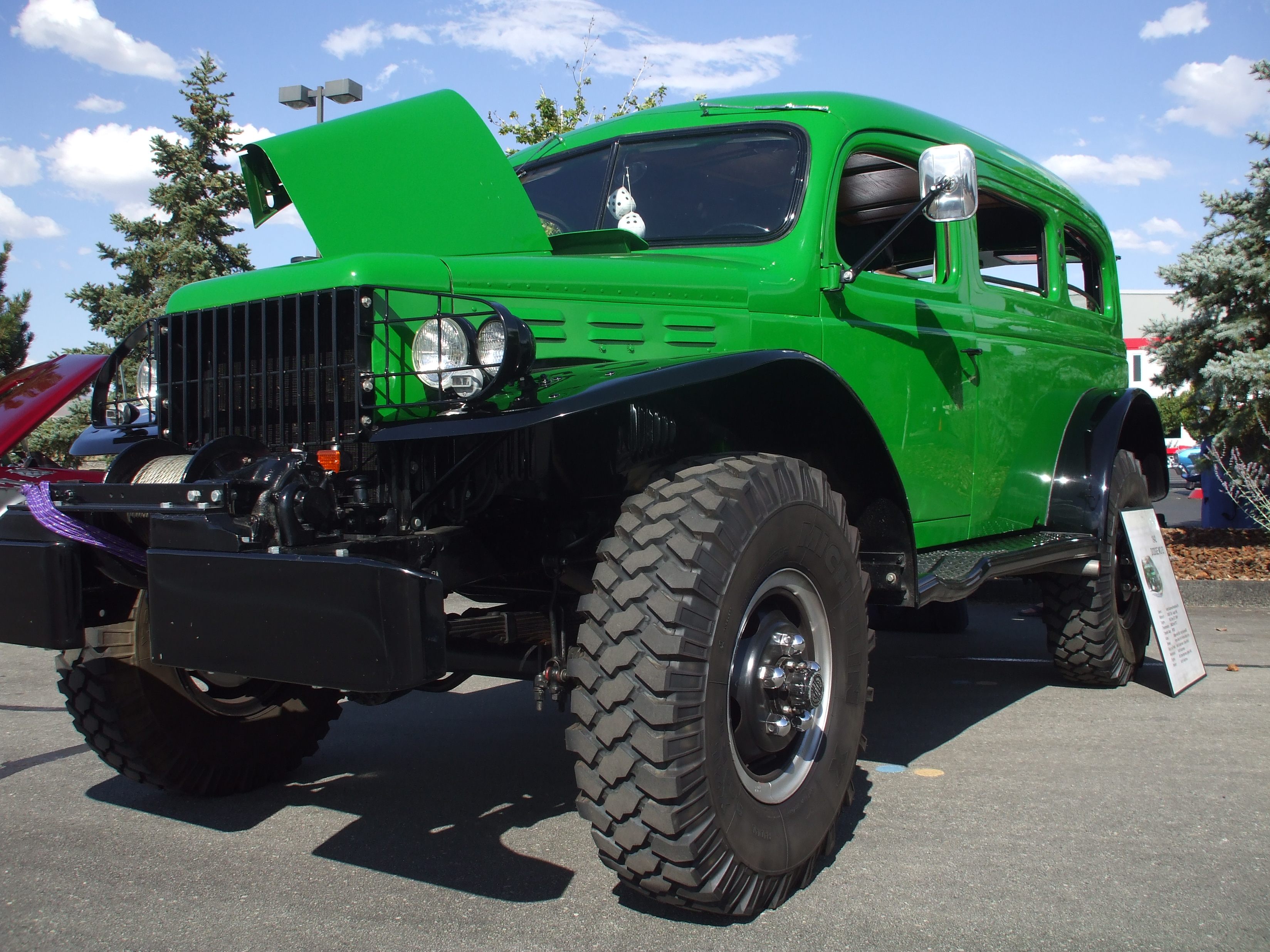
Most folks know the story of the Jeep (which is why it’s not on this list), but the WC series of four-wheel-drive trucks built by Dodge played an equally-significant role in WWII.
The WC-series chassis came in dozens of configurations, and they served as troop transports, command cars, ambulances, panel vans, and radio trucks. The WC series lived on after the war as the popular Power Wagon.
…
Ford’s Willow Run B-24 Liberator Bomber Plant
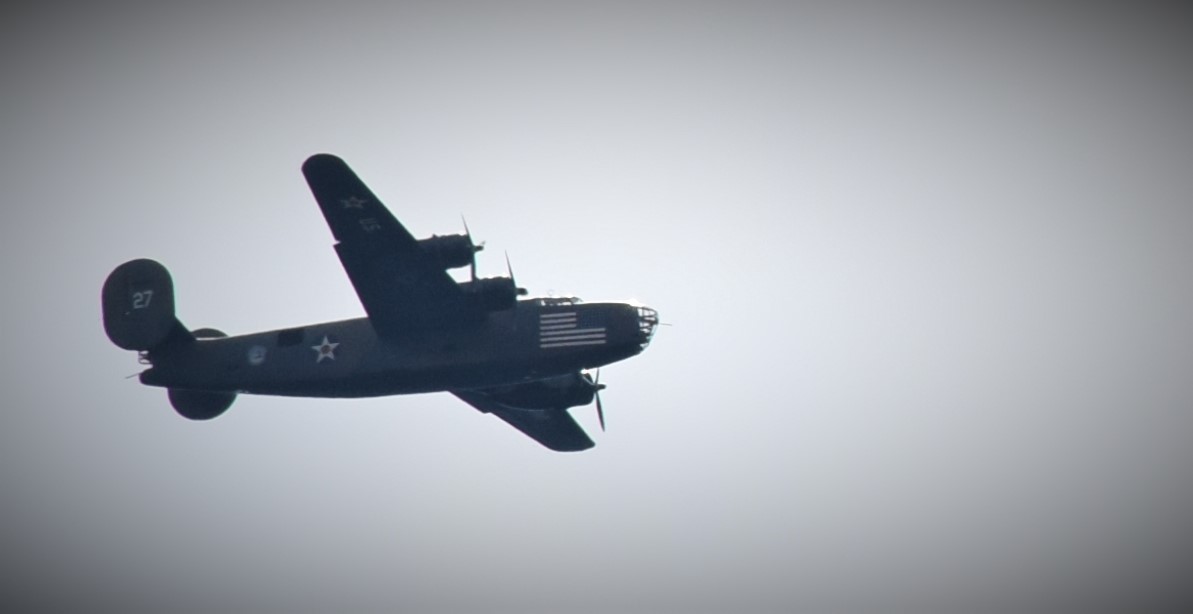
Who will answer the call? Ford Motor Co., for one.
Under the direction of Edsel Ford, the automaker began constructing the 3.5 million-square-foot Willow Run manufacturing facility that would eventually feature a mile-long aircraft assembly line and hold the distinction of housing the world’s single largest enclosed room.
It was the facility that would mass-produce military aircraft, most notably the B-24 Liberator heavy bomber. By 1944, Ford was producing a new B-24 bomber plane every 63 minutes, 24/7.
It was the most-produced heavy bomber in history, reaching production numbers of 650 per month during its most-productive stretch.
…
Merlin Aircraft Engine, Built by Rolls Royce & Packard
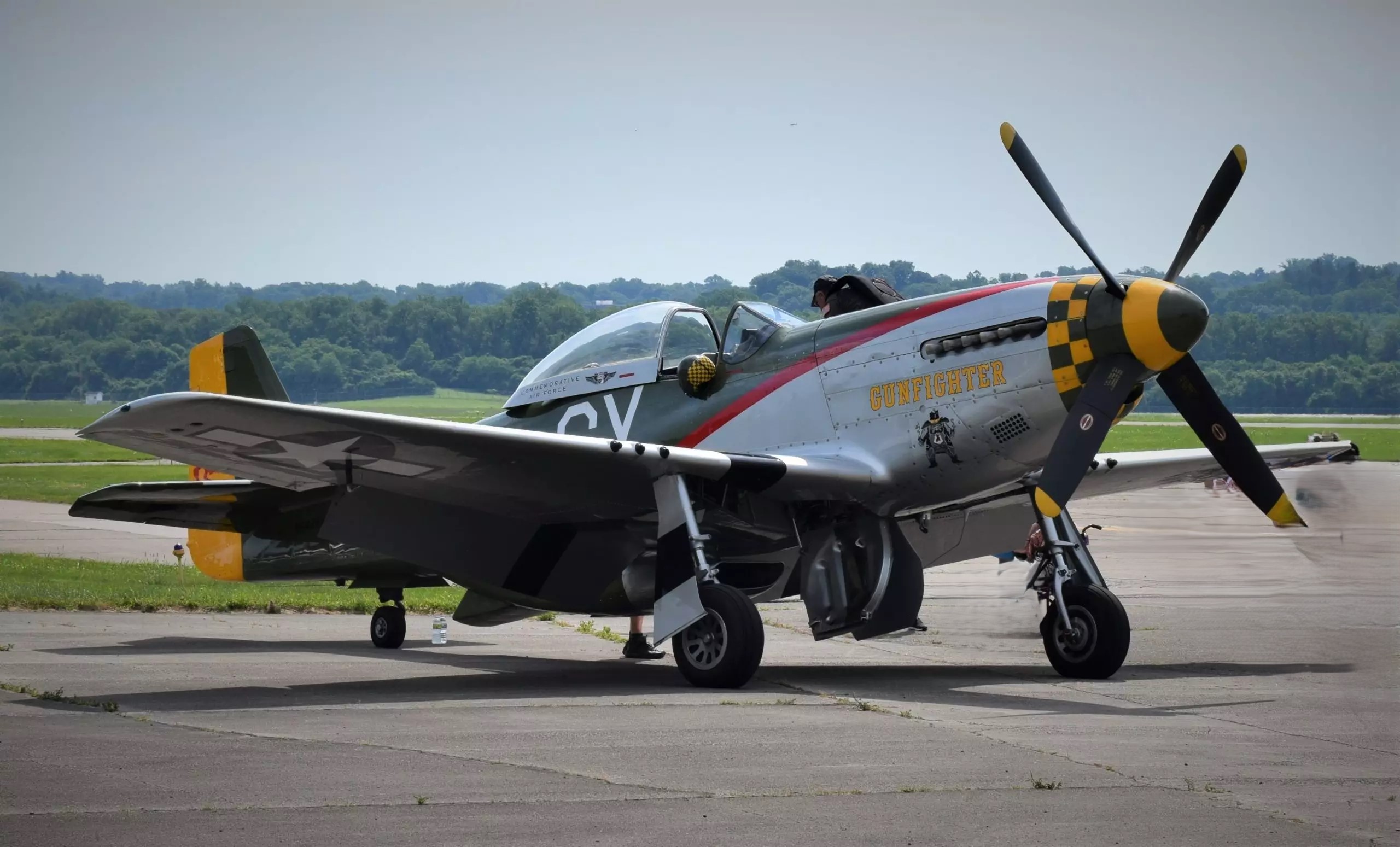
The V12 Merlin powered some of the most famous aircraft of World War II, including the North American P-51 Mustang and Supermarine Spitfire fighter planes, along with the Avro Lancaster heavy bomber. It was designed and built by Rolls Royce, and was licensed to Packard to increase the engine’s production in the States. Rugged and versatile, it’s quite possibly the most glorious sounding engine ever made.
You can read a more detailed hisotry of the Merlin engine here: How Rolls-Royce Teamed up with Packard to Help End World War 2
…
LVT-4 Water Buffalo, Built by Graham-Paige

Perhaps the least-known automaker on this list, Graham-Paige didn’t survive after the war, due in large part to the the logistics and expense of converting back to automobile production. But the LVT (Landing Vehicle Tracked) was an invaluable asset to the amphibious beach landings that were a core element of the Pacific Theatre.
You can read a far more in-depth history on the Water Buffalo here: The LVT-4 Was One of the Last Vehicles Made by the Graham-Paige Automobile Company
…
M151 MUTT, Built by Ford
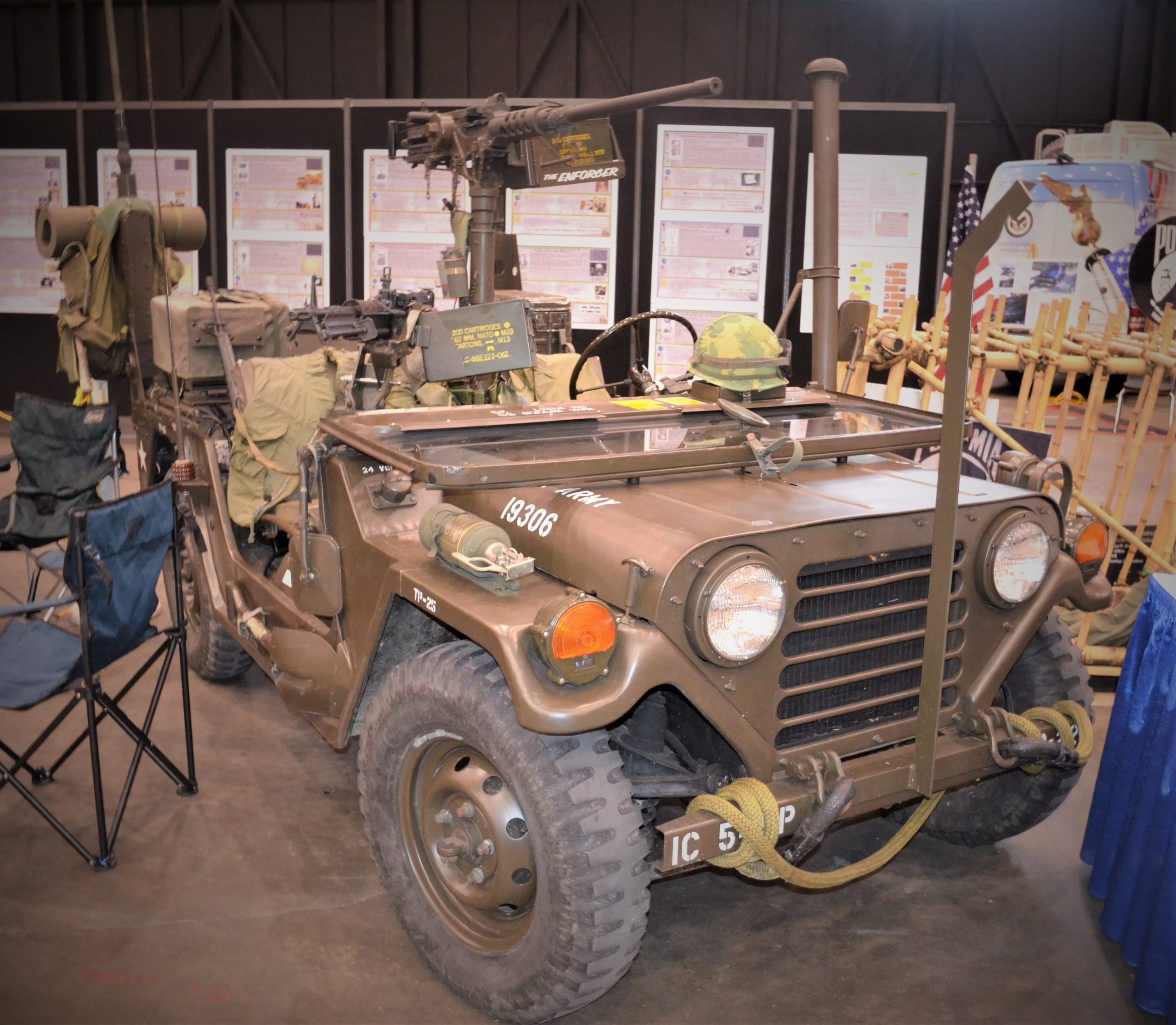
Together with Bantam and Willys, Ford played a massive role in getting the original Jeep onto battlefields across Europe and Asia. But after World War II, Ford engineers took out a clean sheet of drafting paper and aimed to design a new vehicle similar to the O.G. Jeep, but with several key improvements.
The result was the M151 Military Utility Tactical Truck, affectionately called the MUTT. Unlike its Jeep predecessor, the 4×4 MUTT had unibody construction, to make it lighter and roomier inside. It also had a full independent suspension, with a swing axle, similar to a Corvair.
Read all about it here: Learn About the Ford M151 MUTT from a Veteran That Owns One
…
M422 Mighty Mite, Built by AMC

Before American Motors Co. was building Javelins and AMXs, it was building the M422 ‘Mighty Mite’—a nimble, aluminum-bodied quarter-ton 4×4 tactical truck used by the U.S. Marine Corps in the early 1960s.
Fun Fact #1: The Mighty Mite, kitted with Marines-supplied flotation devices, were amphibious vehicles. They came from the AMC factory with most deep-water fording equipment already installed. The spinning wheels gave the Mighty Mite propulsion and steering in water.
Fun Fact #2: The Mighty Mite could still drive while missing one of its rear wheels or tires.
Fun Fact #3: The small 4×4 was powered by a rare V4 engine design.
Fun Fact #4: The original prototype lacked a traditional muffler or exhaust pipe, as the exhaust was routed through the vehicle’s frame. While awesome, that led to some premature frame failure issues forcing an exhaust system redesign. In total, there were 3,922 Mighty Mites built from 1959 through 1962 in two separate wheelbase lengths.
…
Do you have any other examples you’d like to share? Let us hear about them in the comments section below.


I do know that the American Auto Industry went all out for the war effort. I’m a proud owner of a 1940 LaSalle series 50 sedan,1940 was the last year of production due to the up coming involvement of WWll.
Cadillac decided to devote that assembly division to the war effort.That was the end for Lasalle’s. What a shame!,The economy Cadillac disappeared.
P.S.Harley Earl was pissed off,LaSalle was his first idea with GM,,,his BABY!!!!