
Got questions?
We’ve got the answers when the Summit Racing tech department tackles your automotive-related conundrums. This week, we help eliminate an engine knock problem.
Q: I just put a new 9.7:1 compression 383 small block engine in my 1969 Chevy pickup. It has less than 100 miles on in it and runs great until engine speed drops while under load. At this point, the engine also begins to knock/ping (usually while the truck is in fourth gear). The engine was built to give me more torque and power for pulling a trailer. It uses the same Edelbrock Performer intake, Quadrajet carburetor, and exhaust (tri-Y headers, 2.25-inch dual pipes) as the 350 that used to be in the truck. The ignition system is a new HEI distributor with an ACCEL Supercoil.
Retarding the timing eliminates the knock. Am I just running too much ignition advance, or do I need to re-curve the distributor? A water injection system was suggested to me, as was an MSD ignition with an advance control. Is there something else I should do to fix this problem?
L.P.
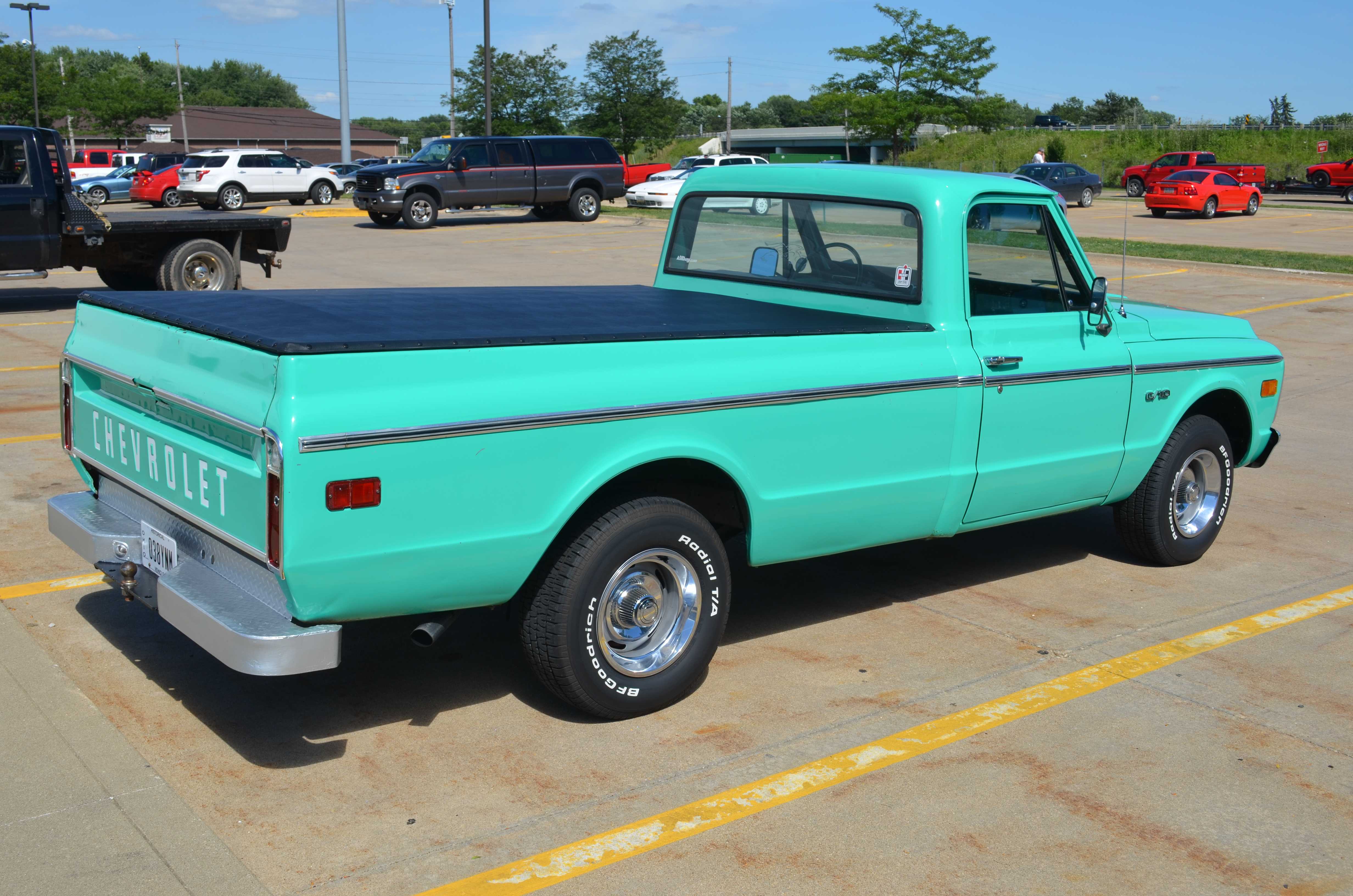
A: You may have to do a number of things to eliminate the knock. Retarding the timing obviously worked. You can also add octane booster to the fuel; your 9.7:1 compression ratio is too high even for 92 octane premium. Re-curving the distributor is a good idea, as is an MSD Timing Control to let you adjust the timing from the driver’s seat. You might also consider a gear swap to help take some of the load off of your engine. For example, if you have 31 inch tall tires, a 4.10 gear front and rear would work very well.


Readjust advance curve getting to high base timing sounds OK base 8 12 degrees btdc
Are you running vacuum advance? If so, you may want to eliminate it or get a vacuum canister that limits the advance. It sounds like you’re pulling in too much advance via vacuum advance at low rpms. Another option is to install the bushings in the distributor weights that limit the maximum advance or lock the advance all together. I’m running 11.25-1 compression with 38 degrees total all in by 2600 rpm, no vacuum advance, aluminum heads, on 93 octane and I don’t ping ever.
Vacuum advance is non-existent or nearly so in an engine under load. Any old timer with vacuum wipers will tell you that. Vacuum only really comes in under low or no-load conditions. The key is you are exceeding the max load for that engine. It it is a manual transmission it will go away when you change down. You can back off the onset of knock with less initial or less advance rate of rise. But your engines dynamic compression ratio determines its ability to avoid knock you have a high compression (static) ratio and if you have a stump puller cam then you will have a big dynamic compression ratio also. It all is about static compression and your cam timing. so fundimental engine build.
You should add stiffer springs to the mechanical advance weights. The mechanical advance should come in much slower and at a higher rpm. The vacuum advance should work fine then.