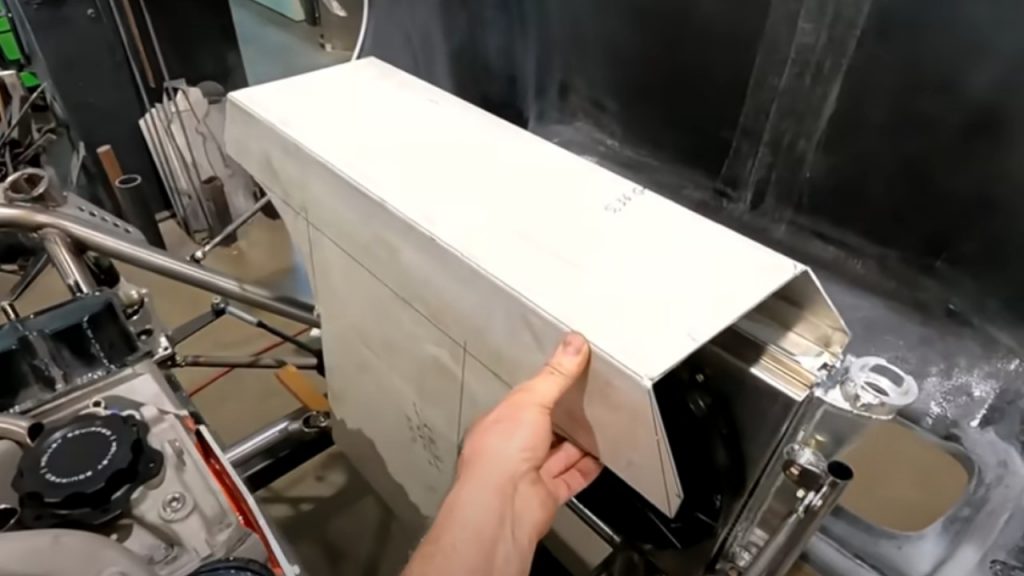
If you have ever been around ’55 Chevys you know how little space is under the hood. Throw in a twin-turbo big block Chevy, and space is even at more […]
If you live in an area that endures freezing cold temperatures every winter, you probably already know the toll that bitter cold takes on your engine—and that’s especially true if […]
Q: Why do I need to use antifreeze? … A: The fluid you use in your engine’s cooling system can affect its performance. For most vehicles, a 50/50 mixture of antifreeze and […]
In a liquid cooled engine, the thermostat is a valve installed between the water pump and the radiator. It controls when the radiator starts to cool the engine. It’s job is to […]
Q: What is a double-pass radiator? … A: In a single-pass radiator, coolant only crosses the radiator core one time. Single-pass radiators work well in most street applications. For stock […]
By Nicholas Thomas, Mishimoto Back in the infancy of liquid-cooled engines, nearly all emissions systems would vent chemicals and harmful vapors into the atmosphere. No PCV or CCV lines, and […]
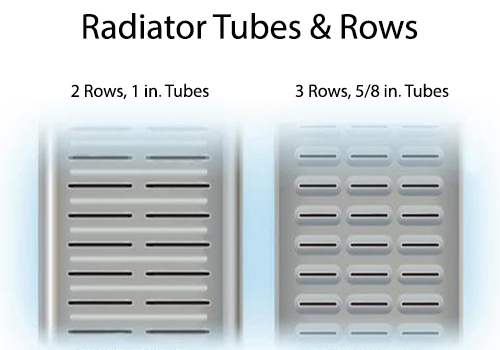
Cooling Basics – Row Quantity vs. Tube Size In the radiator core, coolant flows through tubes. The tubes are joined together by the fins. More heat can be exchanged when […]
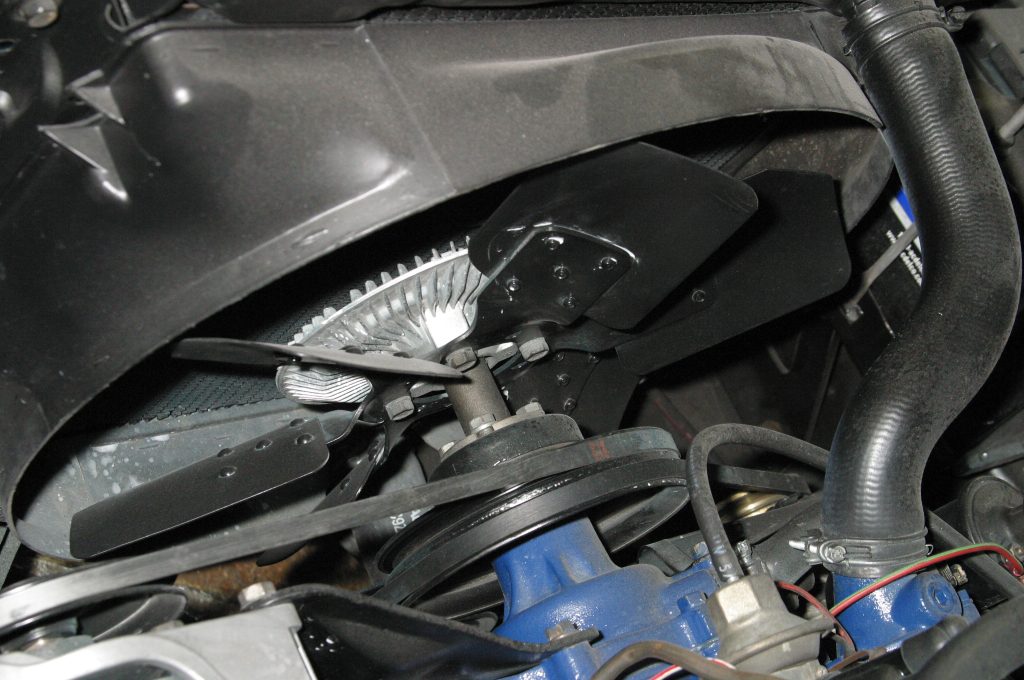
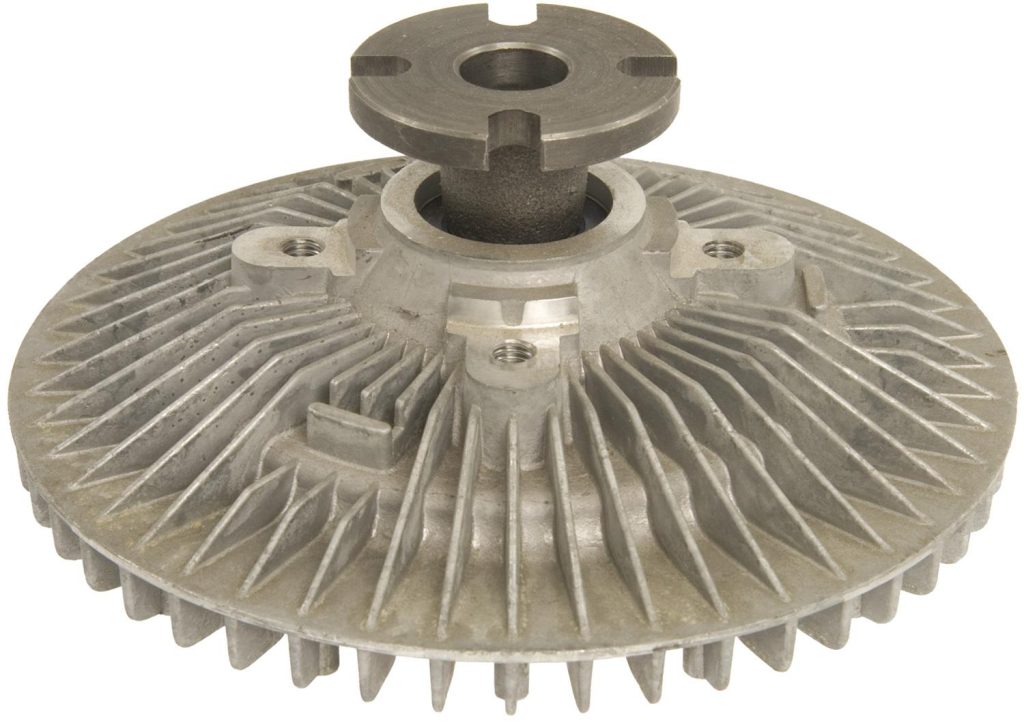
The fan clutch is an important part of your cooling system. Its drive shaft attaches to the water pump. Then, the fan attaches to the clutch housing. The fan clutch’s job is […]