Ford’s FE Series big block engine family has been popular for nearly seven decades. What started as mild-mannered 332ci and 352ci family sedan engines became fire-breathing street performance and race engines like the legendary 427 and the 428 Cobra Jet.
The most common FE engine is the 390. Introduced in 1961, it has always delivered the most bang for the buck due to its 3.785-inch stroke and moderate 4.050-inch bore size. While 390s were most commonly found in full size sedans and pickups, Ford did make high performance versions including the 401-horse 390 High Performance in 1961 and the 405 horsepower 401 from 1962, both sporting a trio of Holley 2V carburetors.
Story Overview
See how a Ford 390ci FE engine can be bored and stroked to 442ci for more power
A high connecting rod ratio gives the piston more dwell time to allow more air and fuel into the cylinders and improve exhaust scavenging
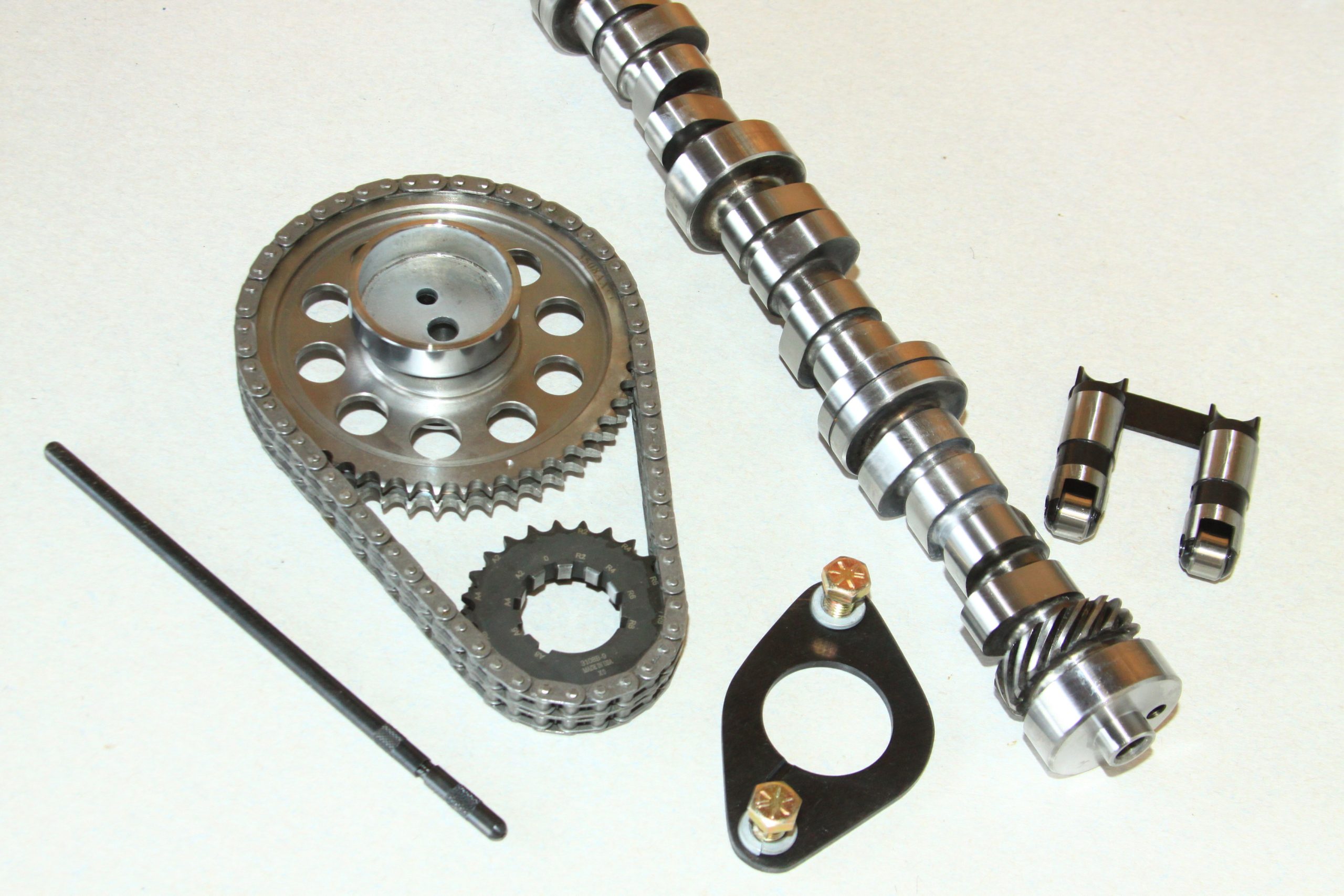
The custom-grind COMP Cams hydraulic roller camshaft is rated at 236° duration @.050-inch lift and .657″ of lift
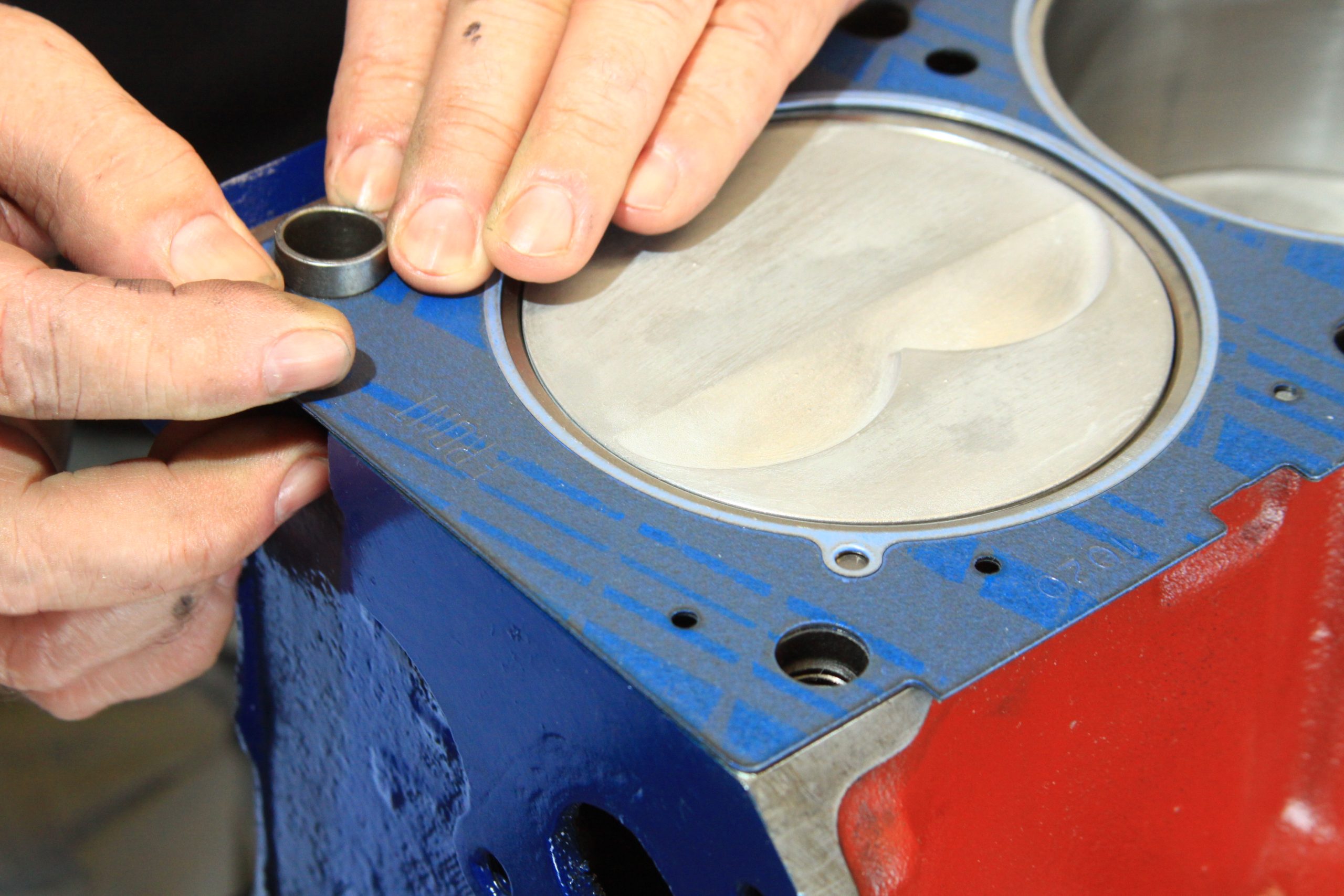
Composite Fel-Pro cylinder head gaskets provide a better seal on vintage engines like the Ford FE than multi-layer steel (MLS) gaskets
Affordable Stroker Power
Stroking a 390 for more cubic inches is just a crankshaft and cylinder overbore away. Stroking an engine provides greater mechanical leverage. The more stroke we can fit into an engine, along with the highest possible rod ratio, the more power we’re going to make. Increased rod ratio is important because it gives the piston more dwell time the top and bottom of the stroke. That allows more air and fuel into the cylinders and improves exhaust scavenging as well.
Mark Jeffrey of Trans Am Racing in Los Angeles, California, has a pretty good track record with his FE builds. When planning a 390 for a customer, he gave displacement a lot of thought. The customer wanted a street engine with a broad torque curve for street duty and fun on Saturday nights.
“To get torque, you need bore, stroke, and the right valve timing events as they relate to piston travel,” Mark explained. “Although this seems simple in theory, it isn’t in reality because there are so many variations and hurdles. You’ve got to carefully plan your build with the right combination of parts and chase it with proper tuning.”
“When you’re on the dyno and you see there is a huge differential in the percentage of airflow in and out of the engine, you know by the VE (Volumetric Efficiency) numbers if you’ve made a poor parts selection.”
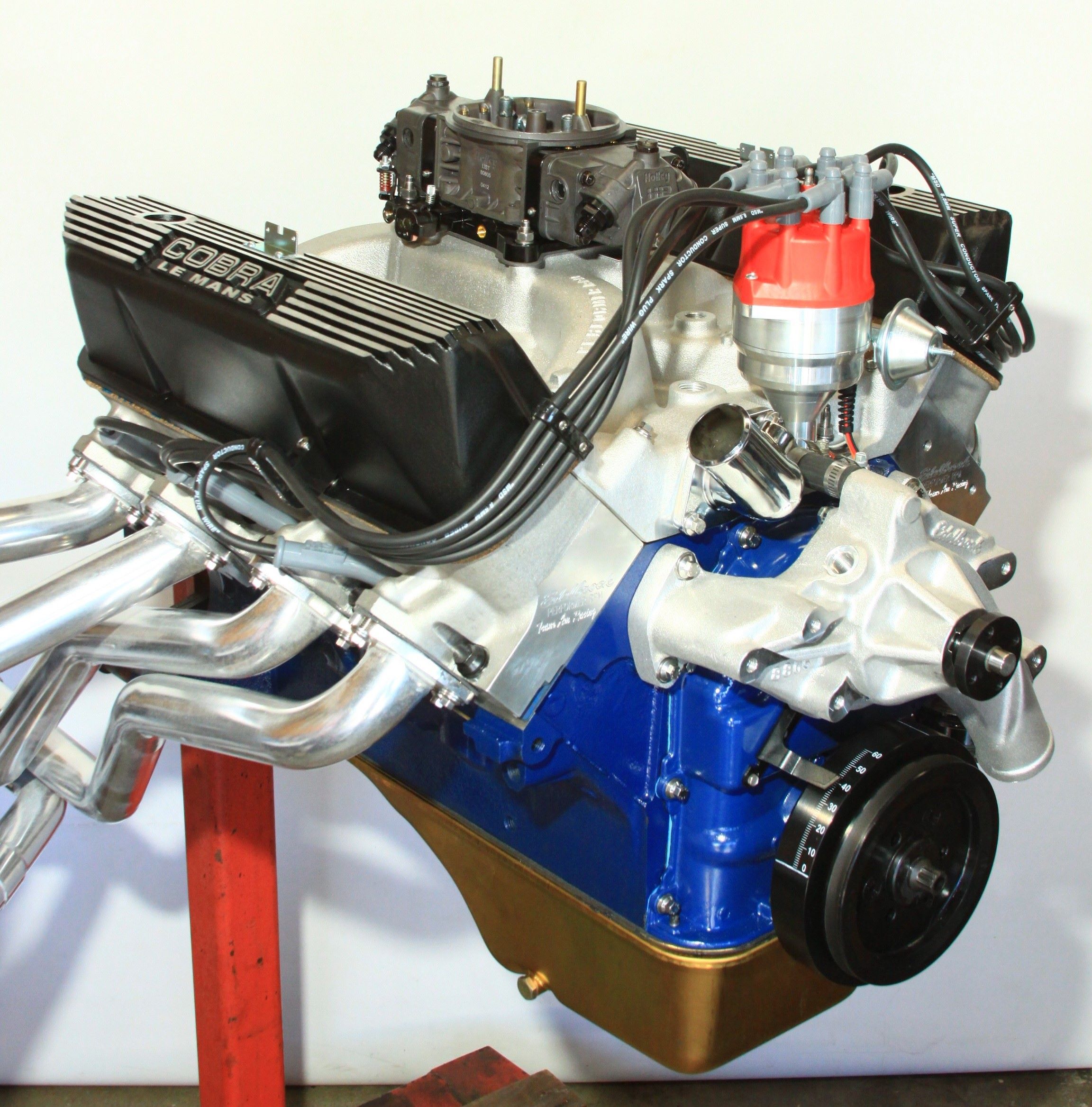
Mark landed on 442 cubic inches by using a 4.250-inch stroke crankshaft and increasing the bore size to 4.080 inches. Using quality parts like a custom-grind COMP Cams hydraulic roller camshaft; Edelbrock Performer RPM cylinder heads with COMP roller rockers; an Edelbrock Performer RPM intake and 950 CFM Holley carburetor; MSD ignition: and ARP fasteners and Fel-Pro gaskets, the stroker FE made 582 horsepower and 557 lbs.-ft. of torque.
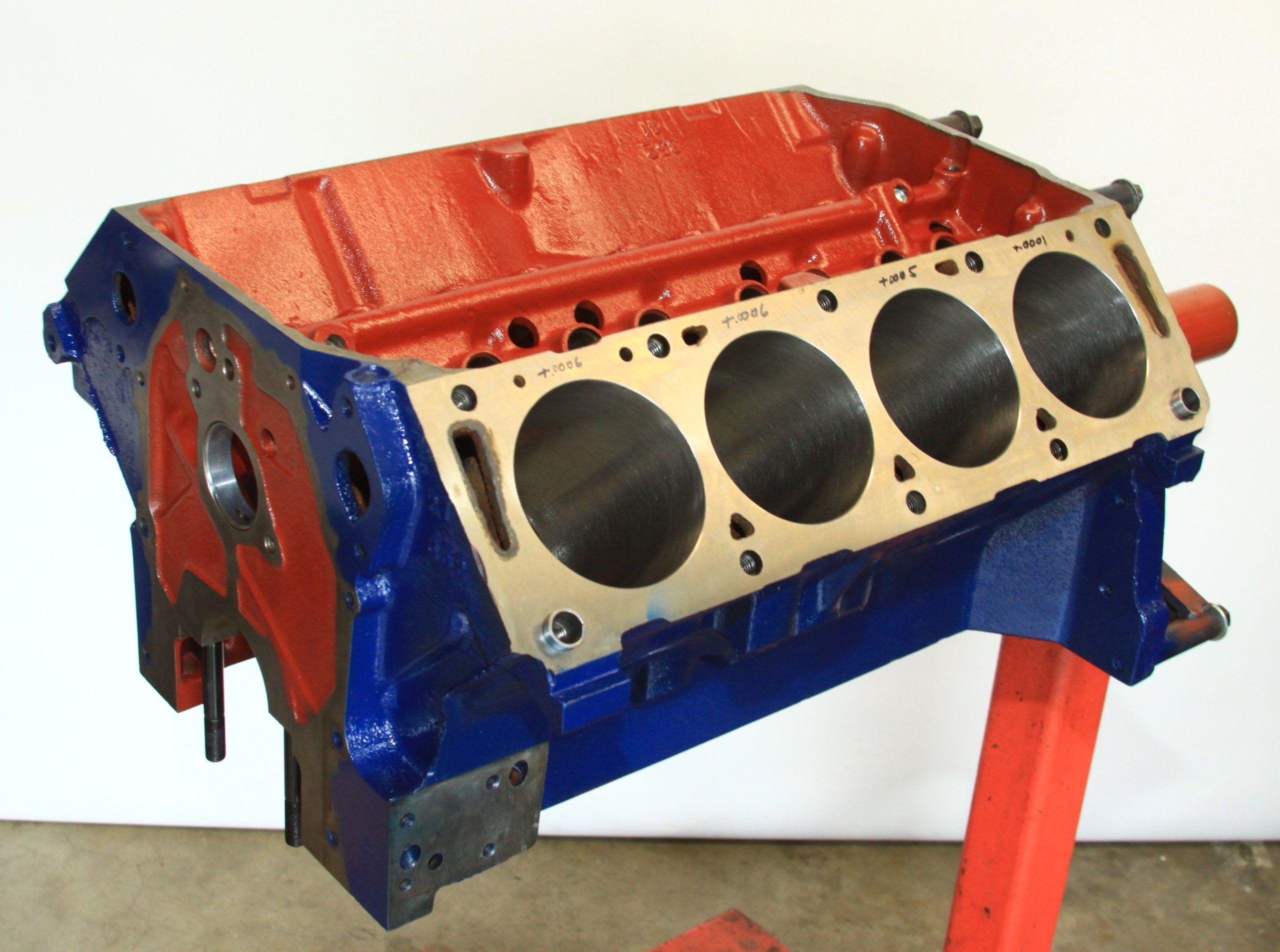
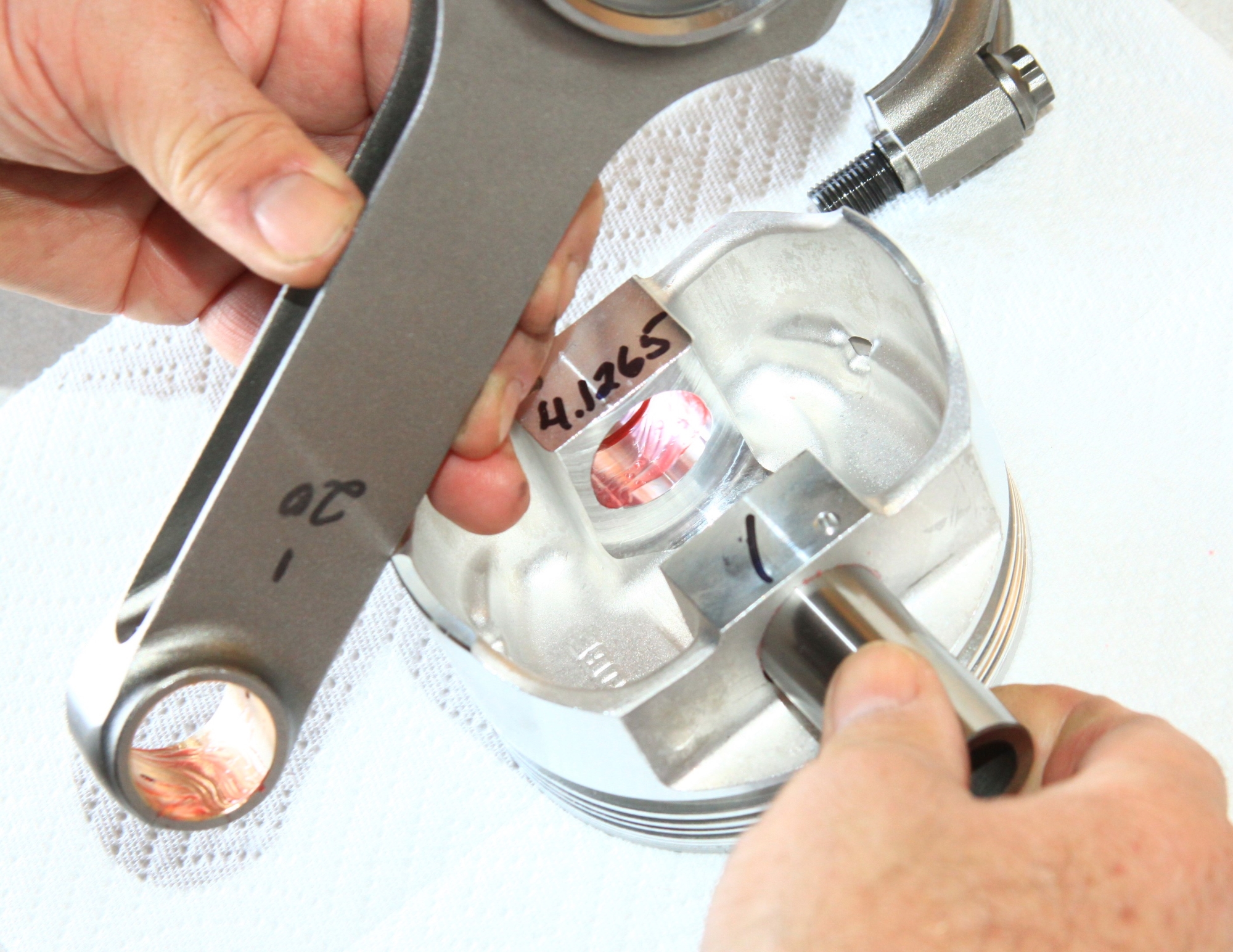
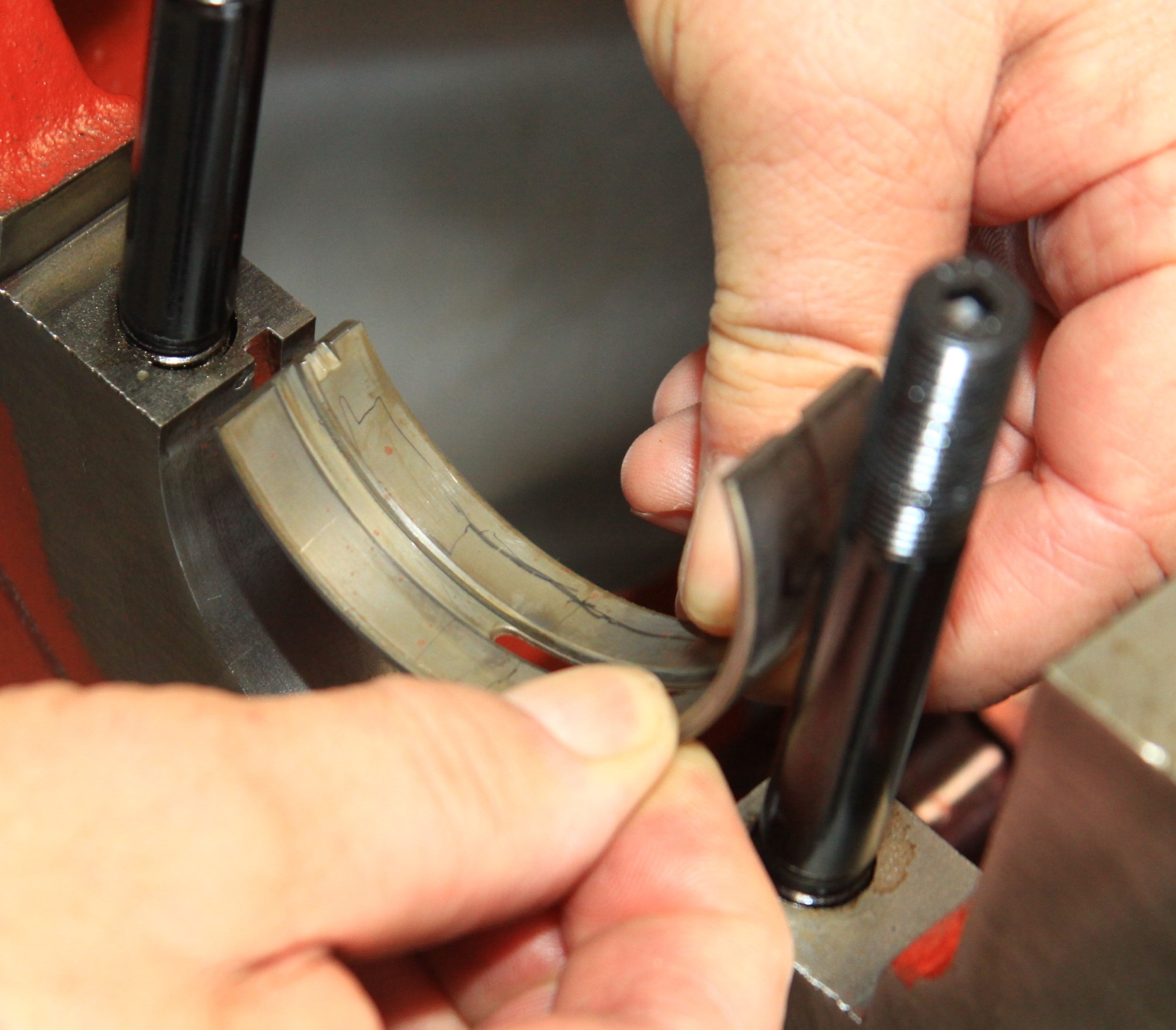
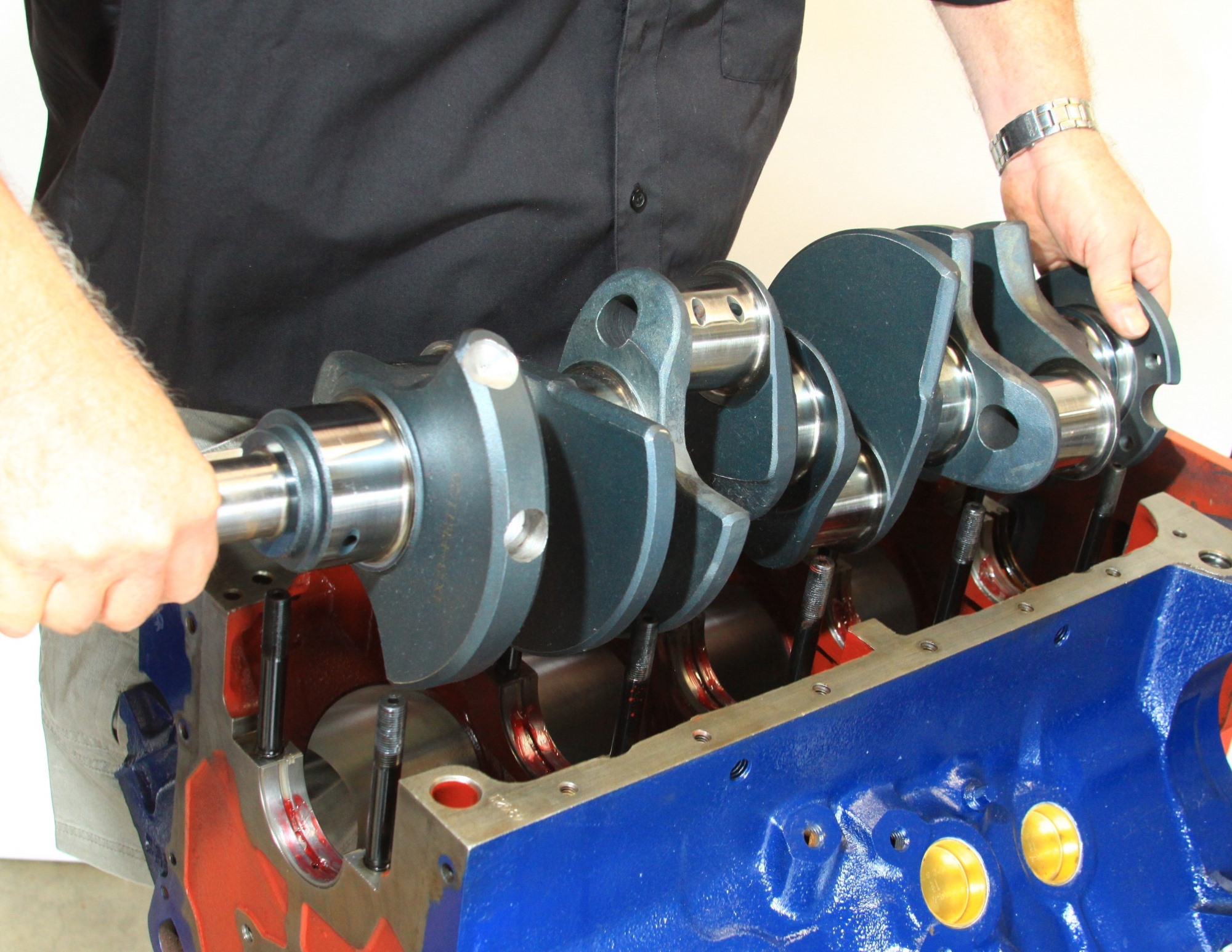
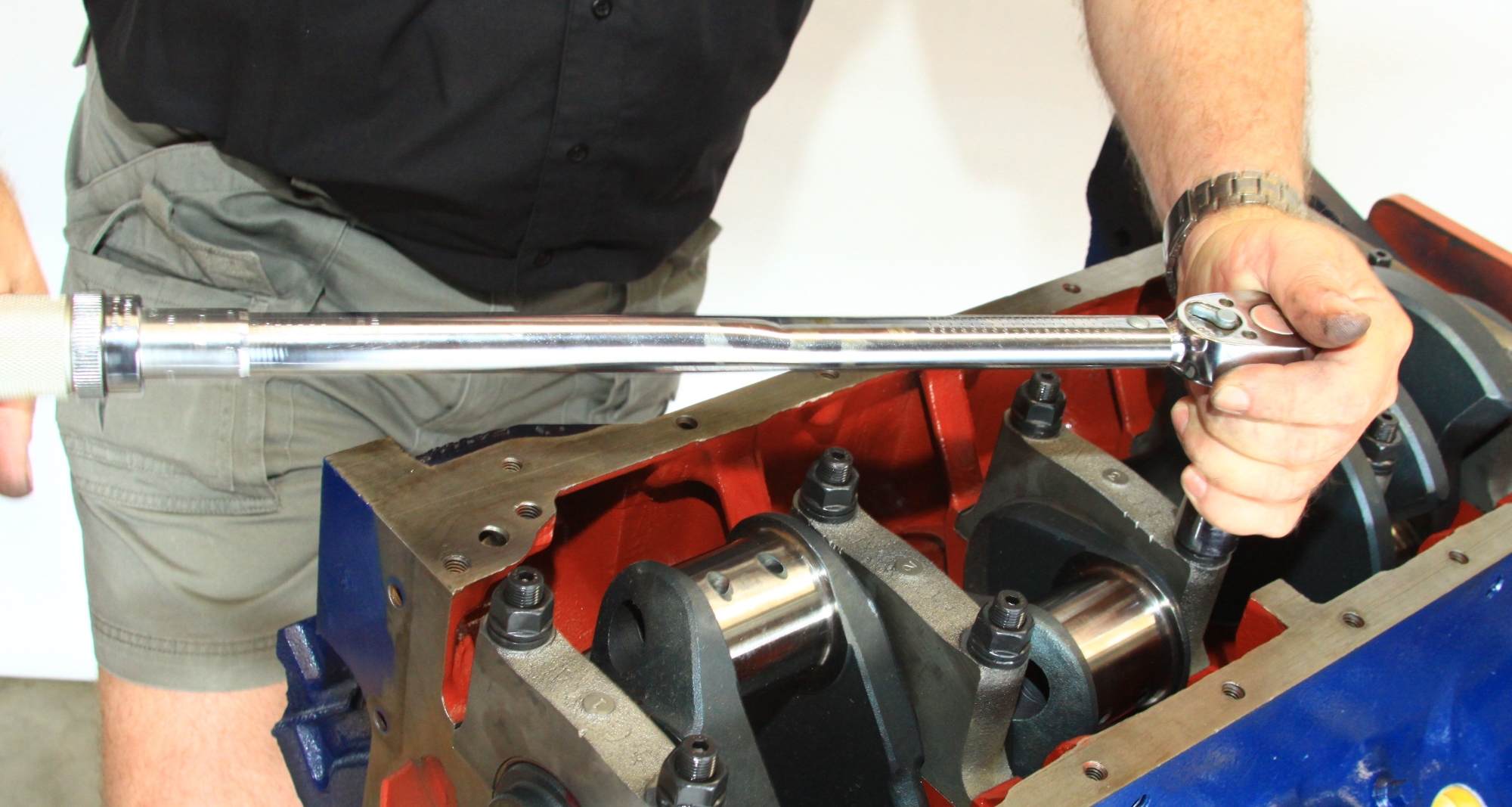
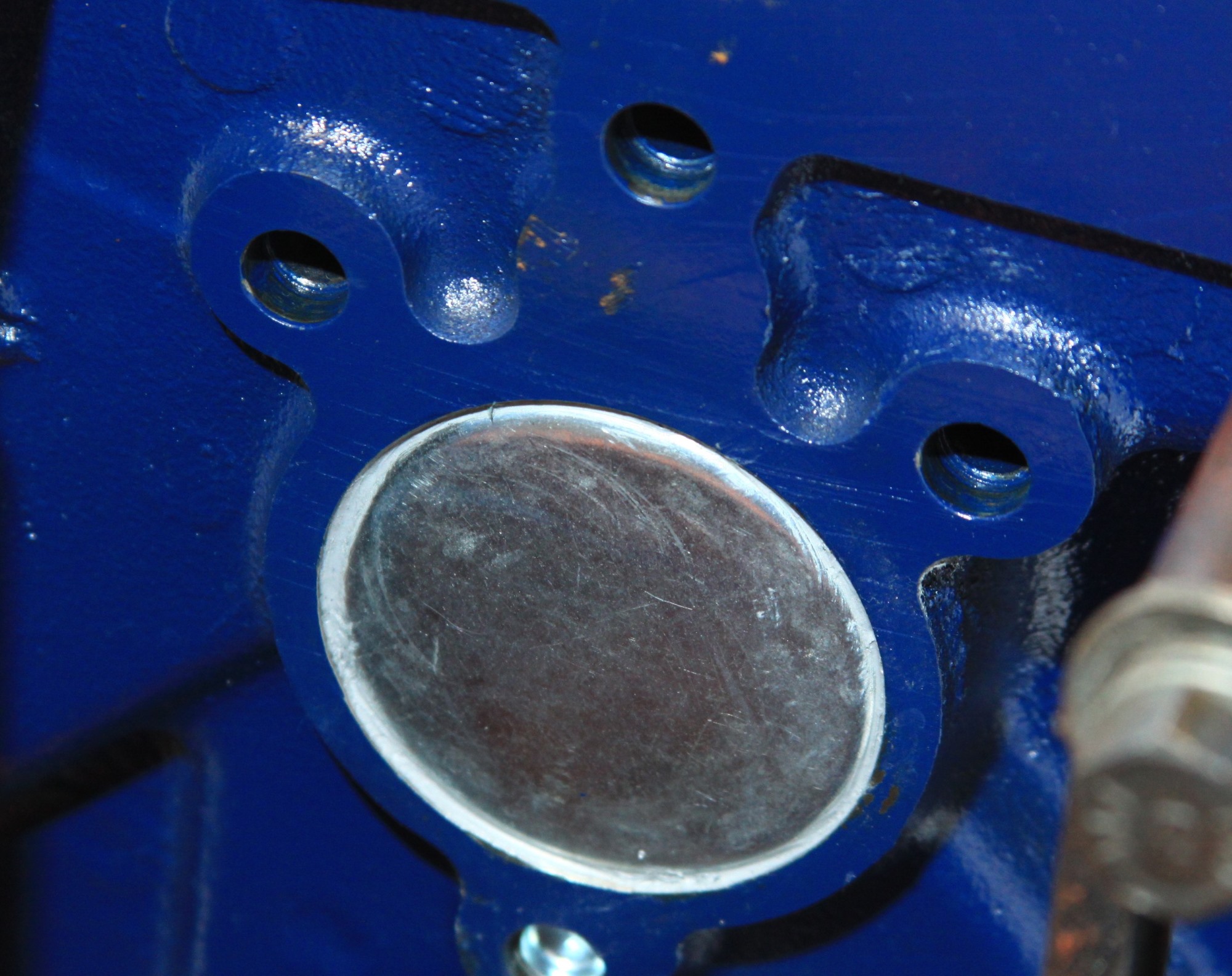
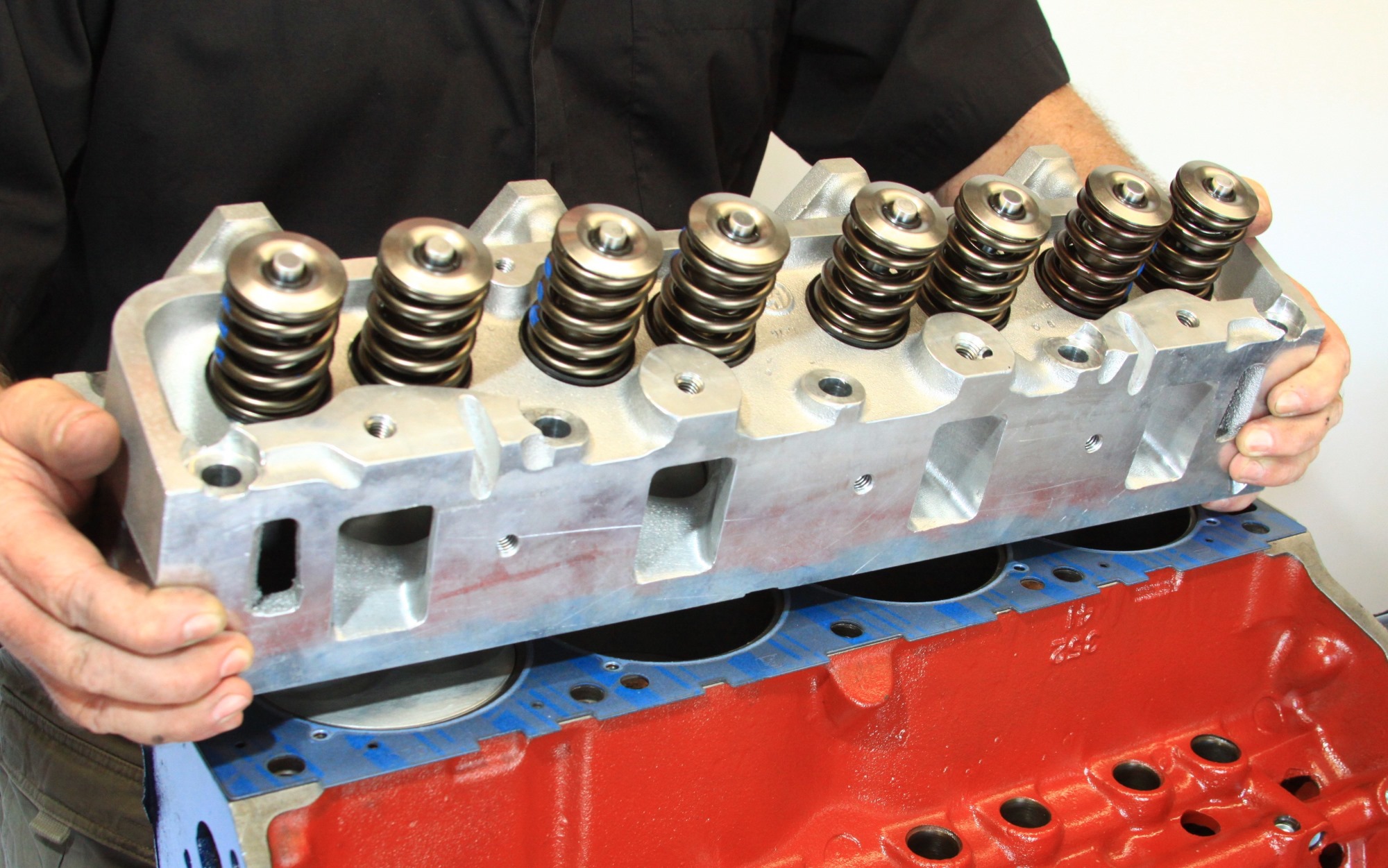
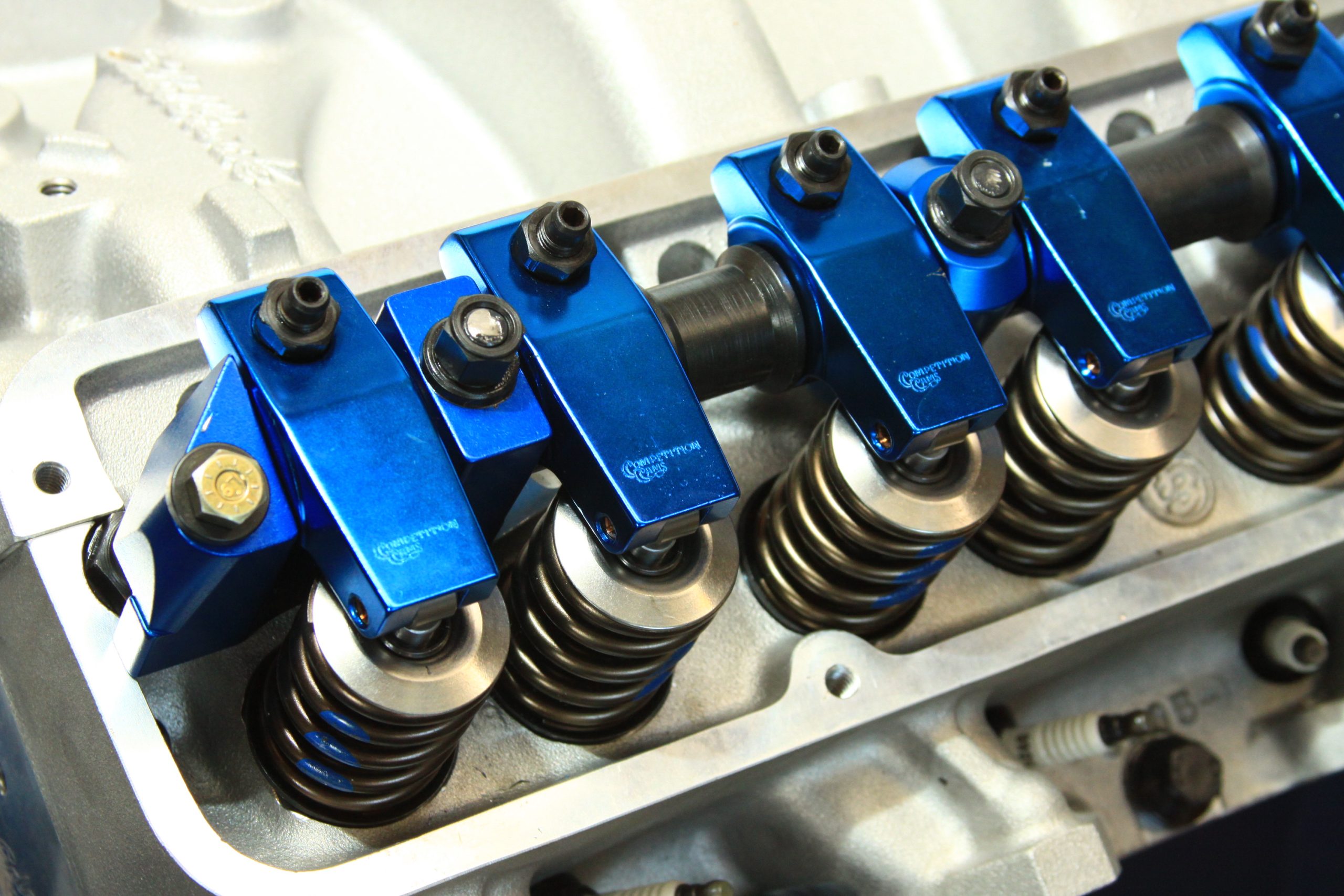
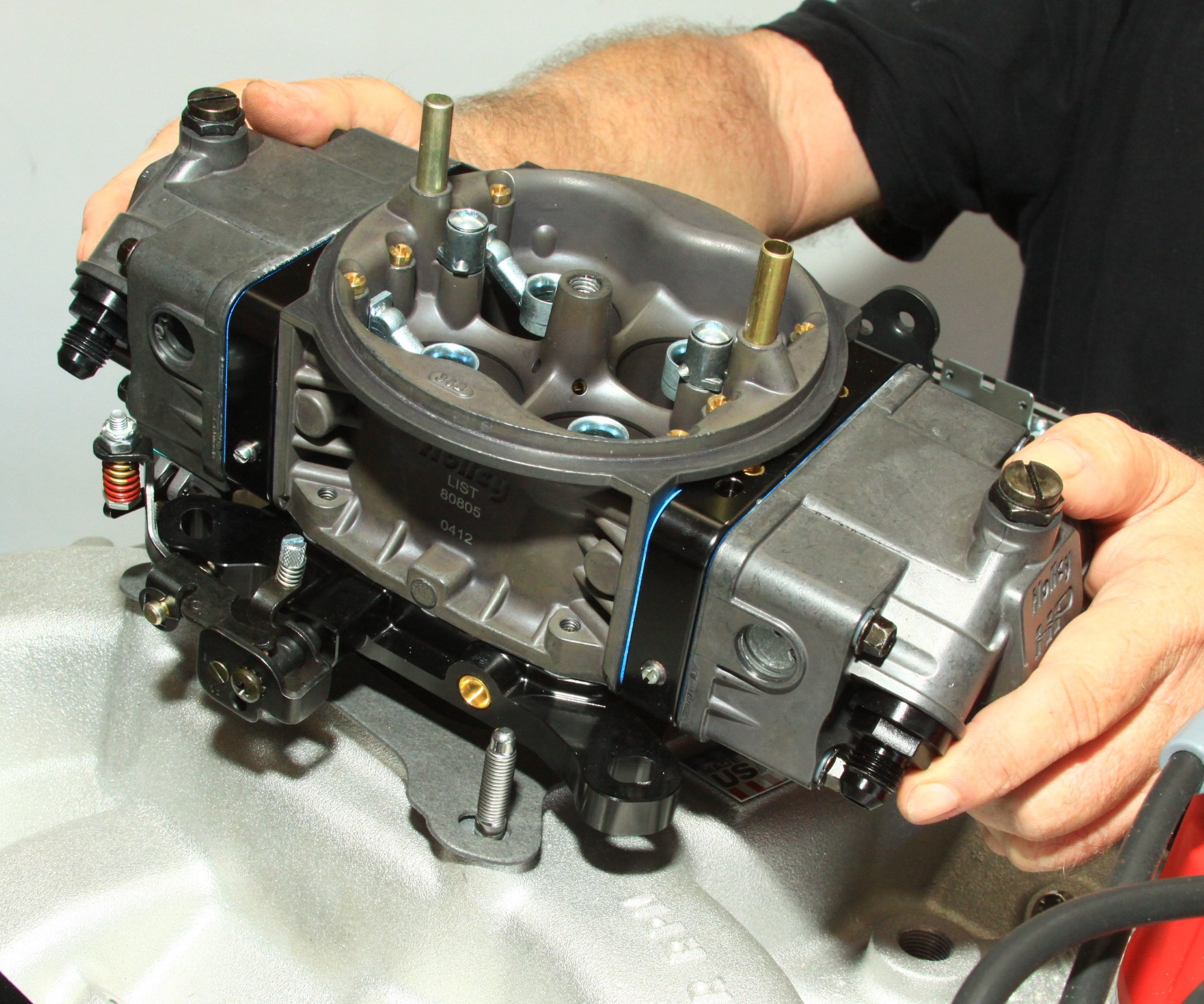
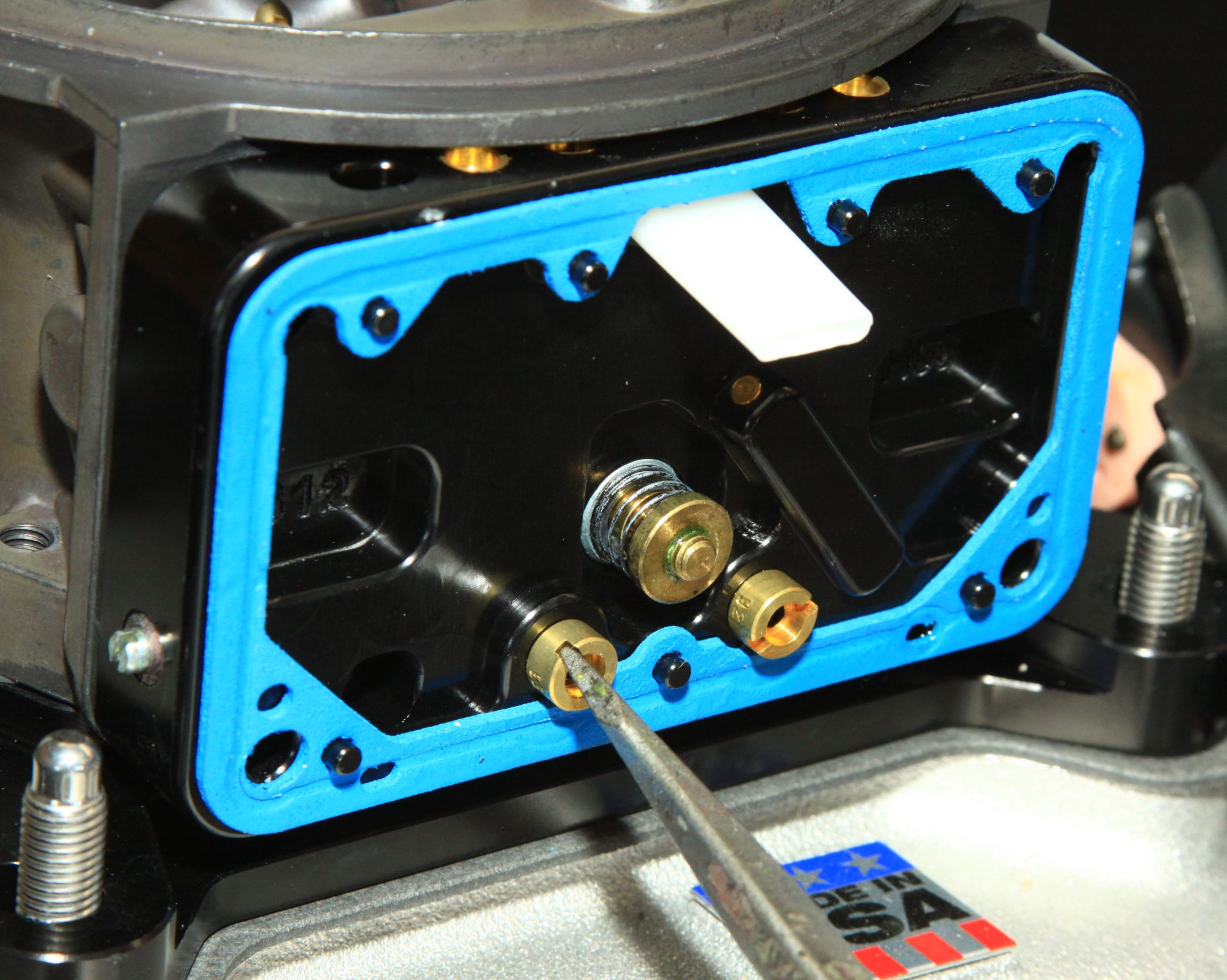
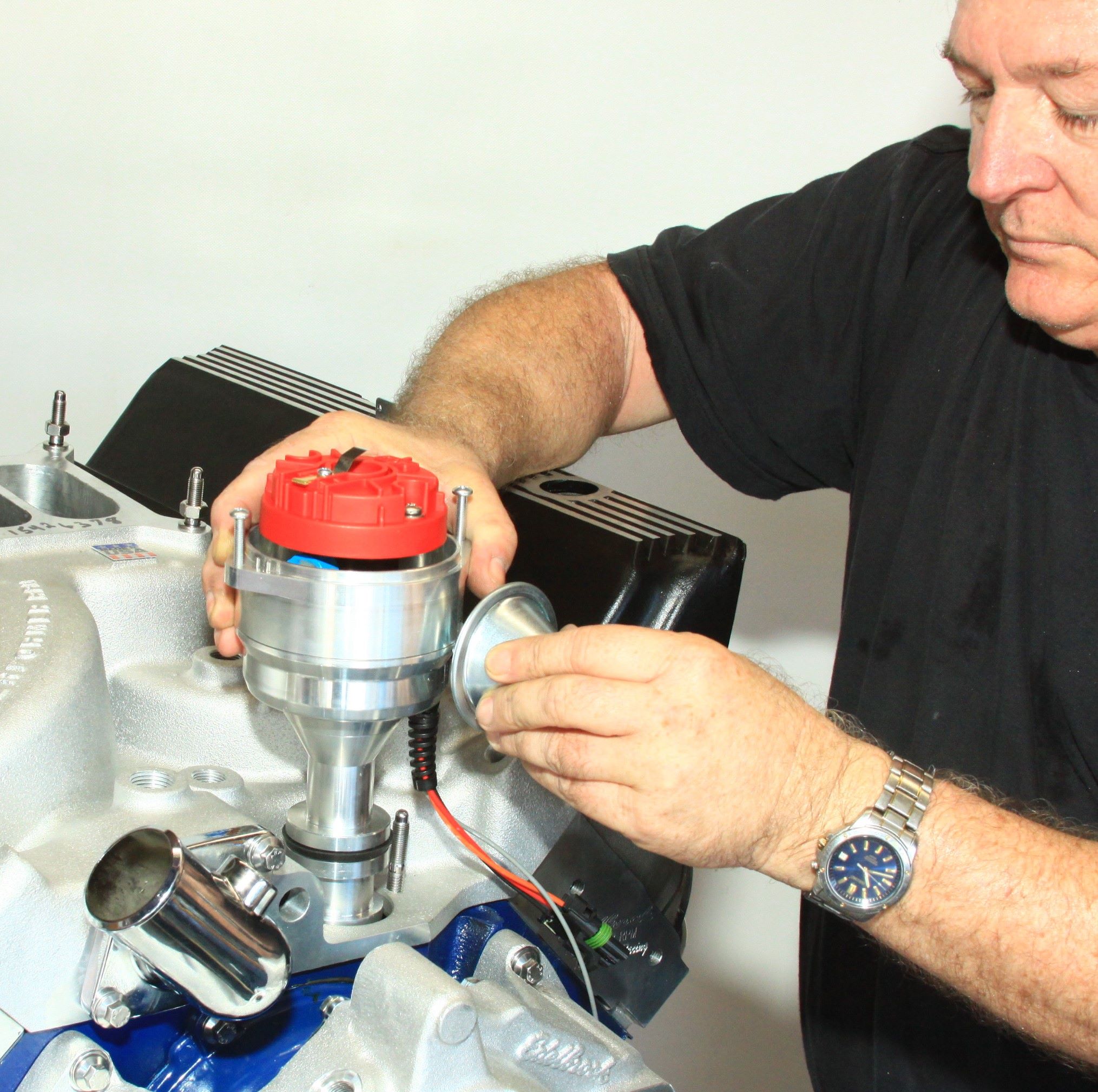
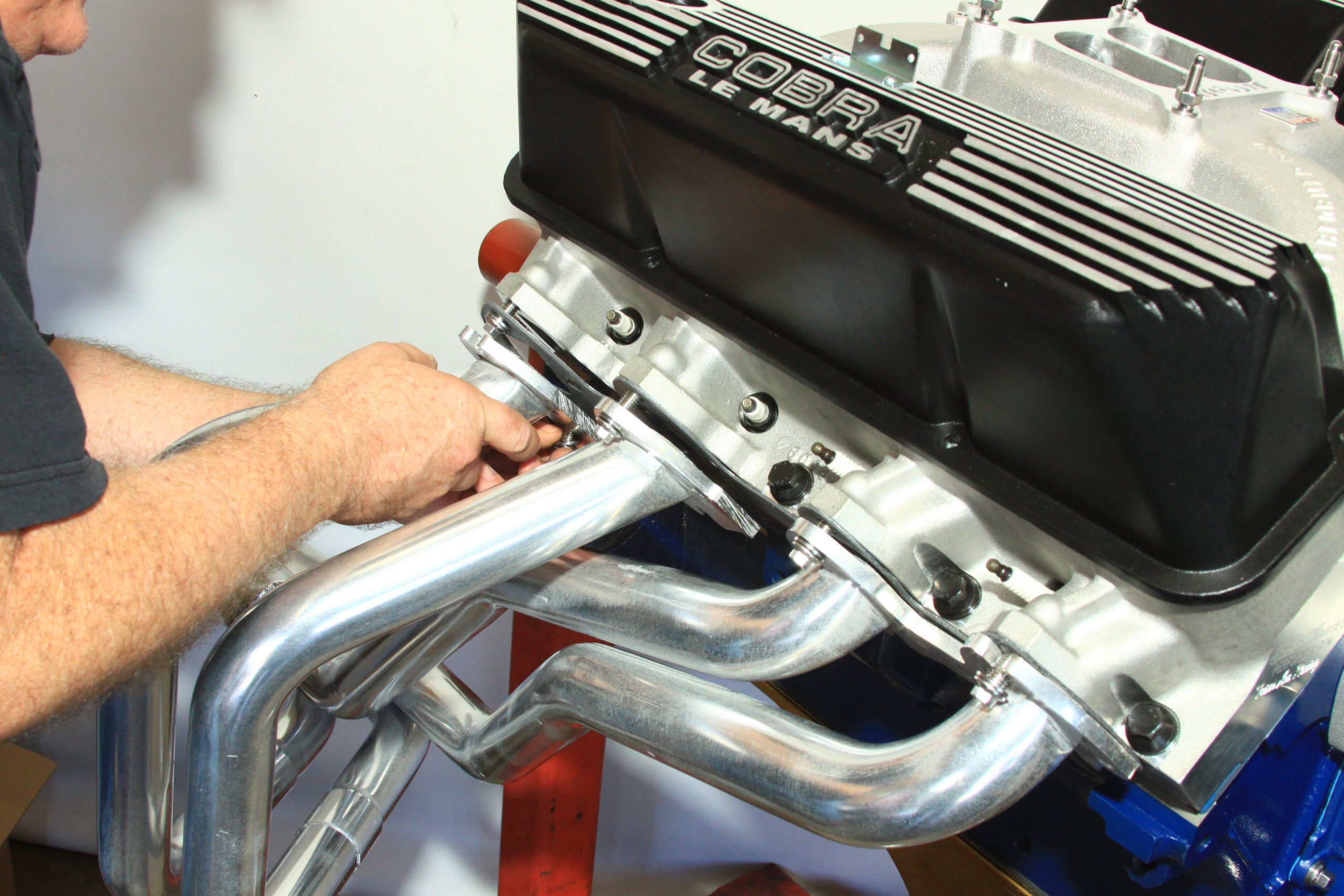
The foundation for the 442 is a 1966 “C6ME” 390 block that was decked, bored, honed, and line honed. It is remarkable how much displacement you can stuff into this block. Bore the 4.050-inch cylinders to 4.080-inches, add a 4.250-inch stroke crankshaft, and enjoy a 52ci increase in displacement. (Image/Jim Smart)As Mark was planning to make 500-plus horsepower with this build, he opted for 6.70-inch long H-beam connecting rods and custom forged pistons to get the desired compression ratio. Summit Racing offers several SCAT rotating assemblies to build a 442ci FE. (Image/Jim Smart)ARP main studs and Clevite main and rod bearings are a smart investment for high performance. The main bearings are pressed in at the edge to keep skin oil away from bearing surfaces. (Image/Jim Smart)Mark sets the crank after coating the mains in engine assembly lube. Some builders use engine oil on the mains and rods, but assembly lube like Summit Racing’s clings much better to bearings, cam lobes, and other parts for maximum protection during initial engine break-in. (Image/Jim Smart) The ARP main studs are torqued to 110 ft.-lbs. in one-third values beginning with #2 main cap, then #4, then #1, and finally #5. Stud threads must be coated with fastener lube for accurate torque readings. (Image/Jim Smart)Mark has decades of experience at cam selection. He speced a custom COMP Cams hydraulic roller rated at 236 degrees duration @ .050 and .657 inches of lift on both the intake and exhaust side. He used a COMP Cams Magnum dual roller timing chain, link-bar roller lifters, and a cam wear plate to complete the install. (Image/Jim Smart)Rear cam plugs on FE engines are leakers. Mark solves that problem by using silicone sealer around the plug hole’s perimeter and pressing the plug in place. Don’t forget the oil galley plugs, and use Teflon sealer on their threads to keep them from weeping oil. (Image/Jim Smart)Modern MLS head gaskets will work on an FE, but in my personal experience they will leak coolant. This is why I’ve stayed with the more traditional composite Fel-Pro head gaskets. (Image/Jim Smart)The Edelbrock Performer RPM cylinder heads are engineered for use on any 1961-76 390, 427, or 428ci FE Ford. They feature 72cc combustion chambers with 2.090- and 1.660-inch valves plus 1.500-inch diameter valve springs for hydraulic roller cams up to .600 inch of valve lift. Mark did some port work on 170cc intake and 125cc exhaust runners to improve airflow. (Image/Jim Smart)COMP Cams shaft-mounted 1.76:1 roller rockers provide proper valvetrain geometry with less friction. Our parts list includes COMP’s Ultra Gold ARC rockers. Mark checked geometry followed by valve lash adjustment. The rockers’ roller tips should travel a limited distance across the valve stem tips. The roller should begin toward the intake side and finish up on the exhaust side of the head. (Image/Jim Smart)Mark chose Holley’s 950 CFM Ultra HP Series carburetor (now the Ultra XP) and Edelbrock’s Performer RPM intake for the big FE. He port matched the intake to the AFR Renegade heads’ intake ports for smooth transfer of air and fuel into the engine. (Image/Jim Smart)Mark rejetted the Holley carburetor to provide reliable air and fuel delivery. His tuning regimen involves not going too lean on the air/fuel mixture while keeping ignition timing conservative. (Image/Jim Smart)MSD’s Pro-Billet Ready-to-Run distributor is a sweet upgrade from the factory points-triggered unit. It has a reliable magnetic pickup, an adjustable mechanical advance to tailor the ignition curve to match your engine’s needs, and an adjustable vacuum advance canister for good street manners. (Image/Jim Smart)Ceramic-coated Hooker long-tube headers help the big FE breathe deeply. The headers in the parts list are Super Competitions designed for an FE in a 1967-70 Mustang. They have tuned 1 3/4-inch primary tubes for efficient exhaust scavenging from the engine’s cylinders. That allows the cylinder heads to take in a fresh air/fuel charge sooner—and that helps make horsepower. (Image/Jim Smart)The proof of Mark’s parts selection is in the dyno numbers. The 442ci FE made 582 horsepower and 557 lbs-ft of torque. (Image/Jim Smart)
Jim Smart is a veteran automotive journalist, technical editor, and historian with hundreds of how-to and feature articles to his credit. Jim's also an enthusiast, and has owned and restored many classic vehicles, including an impressive mix of vintage Ford Mustangs.


Comments