When Chevrolet introduced the Gen III LS1 engine in the late 1990s, it couldn’t have envisioned how popular it and its successors, including the Gen IV and Gen V engines, would be. I have always been a Ford guy, but I can tell you the LS and LT family of GM pushrod V8s are some of the best domestic V8 engines ever produced. They are simple, commonsense engines that are easy to build and easier yet to build for more power.
How easy? We’re at John Bouchard Engines in the heart of Tennessee to see if we can build a 500 horsepower LS1 with the same parts you can buy off the shelf at your favorite speed shop (which is Summit Racing, of course).
Story Overview
John Bouchard Engines built a 500-plus horsepower GM LS1 engine with off-the-shelf parts
An LS1 engine’s factory block and reciprocating assembly can handle around 600 horsepower with accurate machine work and assembly
A good set of aftermarket cylinder heads flow more air for about the same cost as overhauling stock iron heads
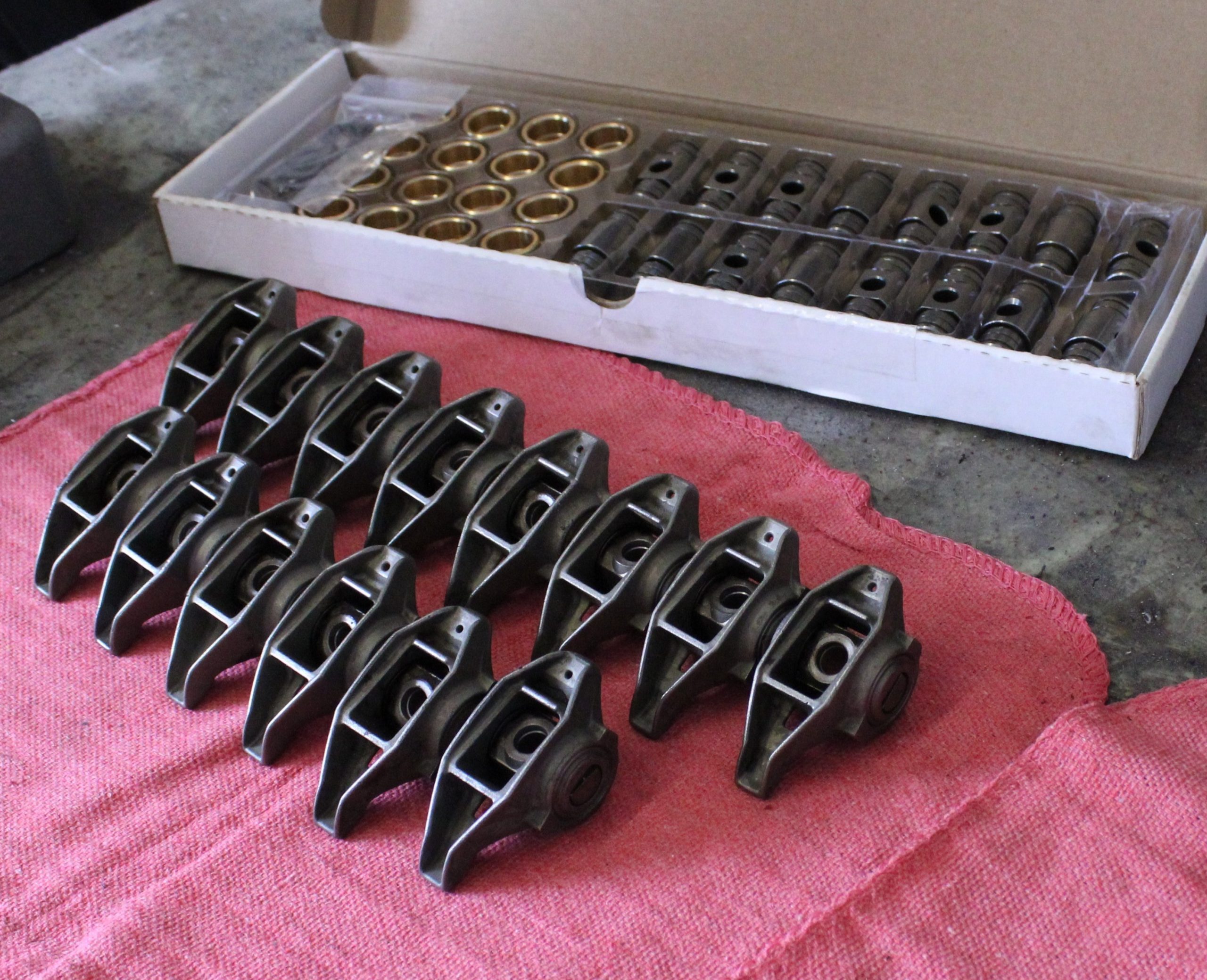
Updating factory rocker arms with a Summit Racing Retrofit Trunnion Kit allows them to handle higher-lift camshafts
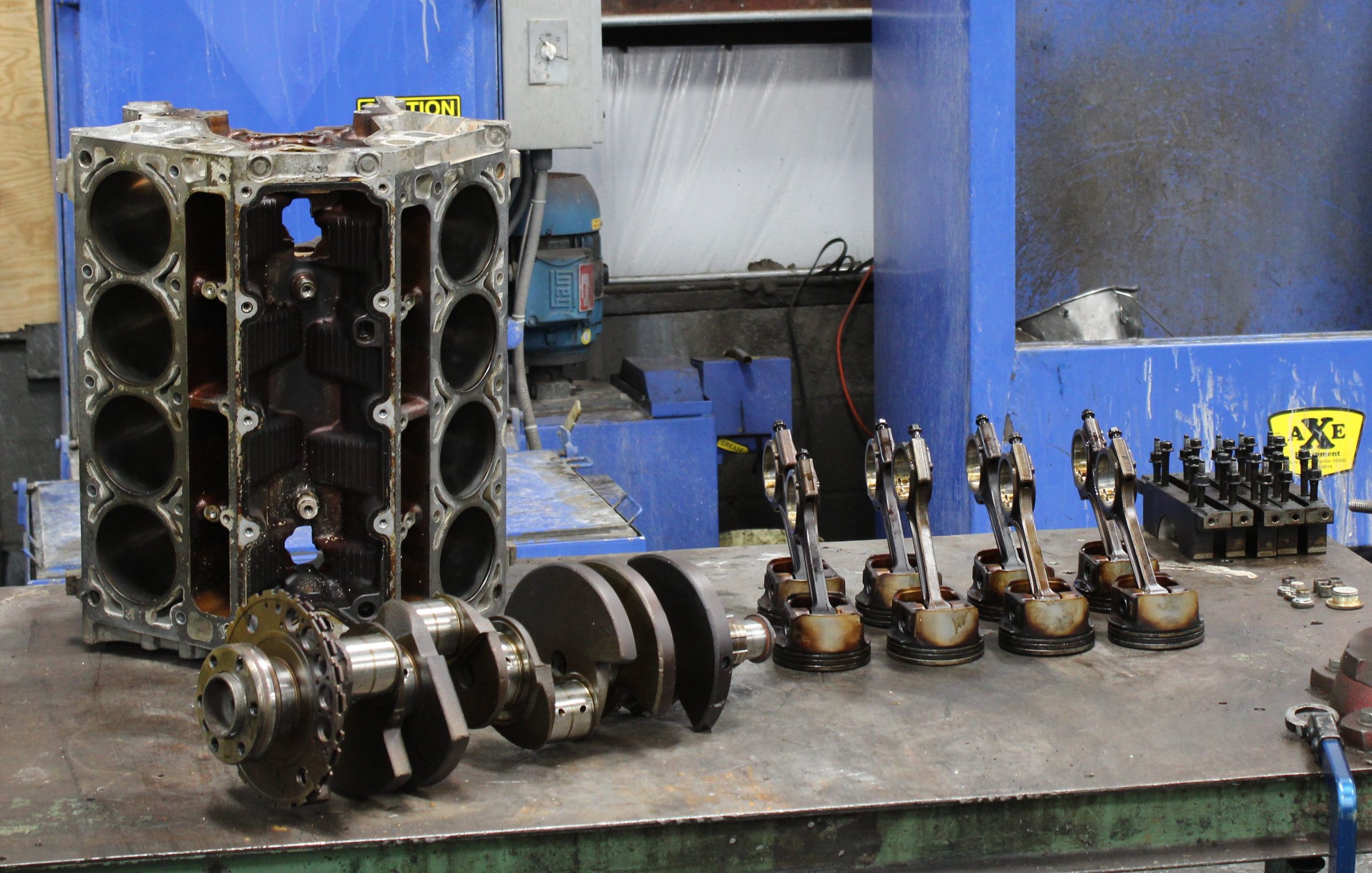
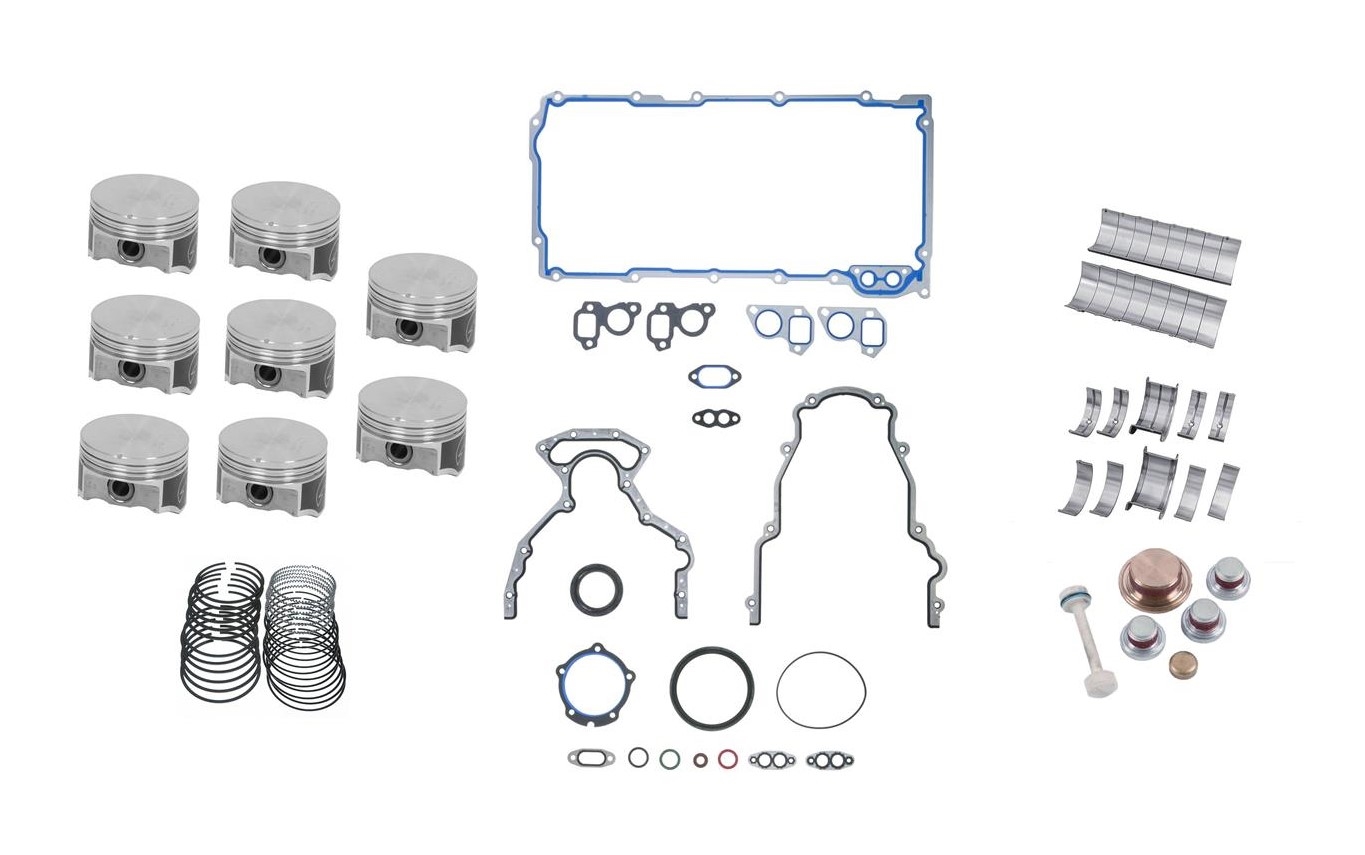
John pulled a badly neglected LS1 from a late 2002 Trans Am. Upon disassembly he found the only salvageable items were the block, crank, and rods. Everything else were throwaways from sitting outside in the weather. He took those parts to Tommy’s Auto Machine in Springfield, Tennessee for machine work. Summit Racing provided an Engine Rebuild Kit to finish the bottom end. It includes hypereutectic pistons with plasma moly rings, rod and main bearings, gaskets, and block plugs.
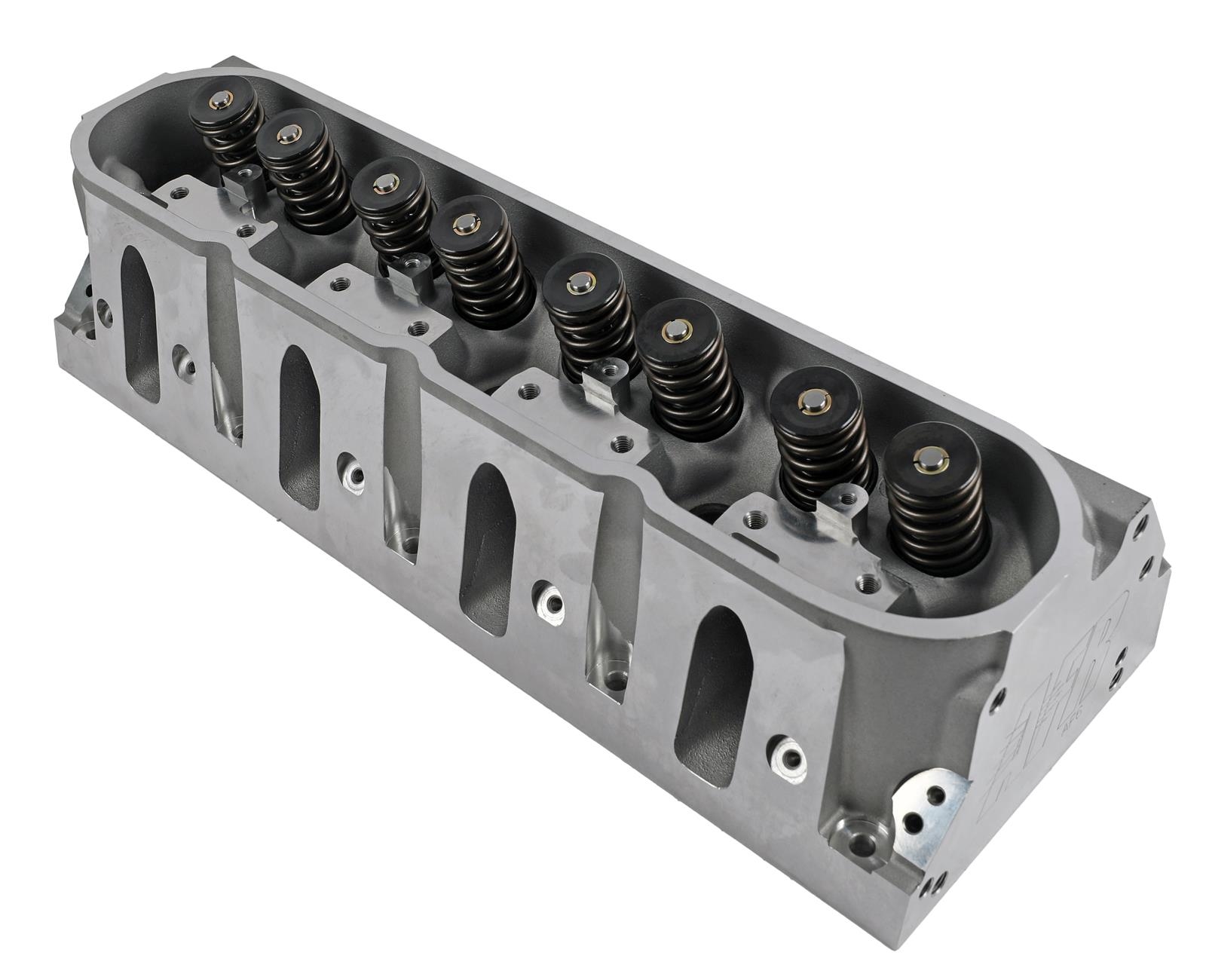
Because the LS1 heads were too far gone to save, John opted for AFR 201cc Enforcer cylinder heads. The assembled heads feature 210cc intake and 82cc exhaust runners, 64cc combustion chambers with 2.02-/1.60-inch valves, and PAC Racing dual valve springs rated to .600-inch of valve lift. The Enforcer heads are a good value for the money when you consider what it would have cost to save the factory heads.
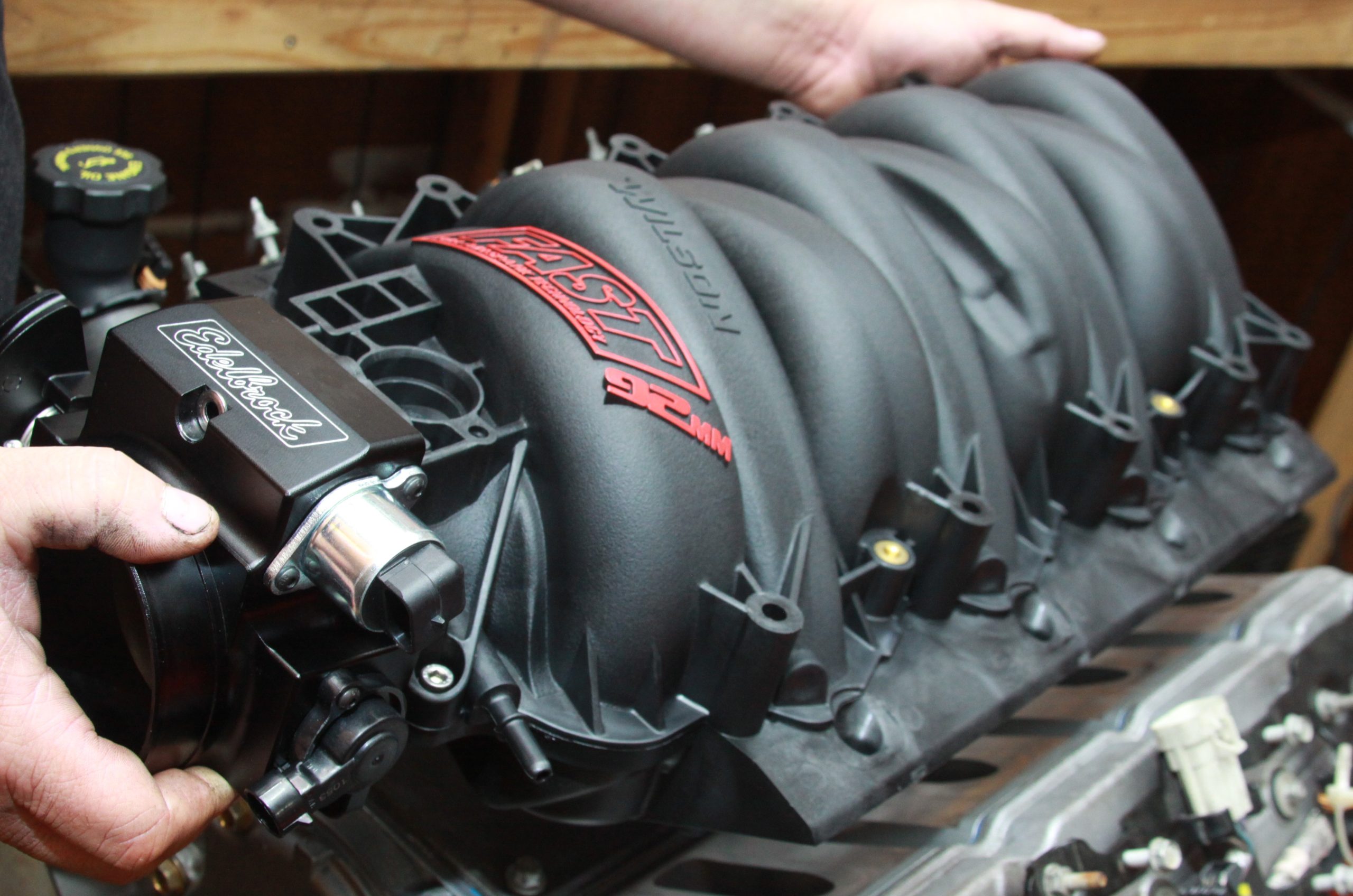
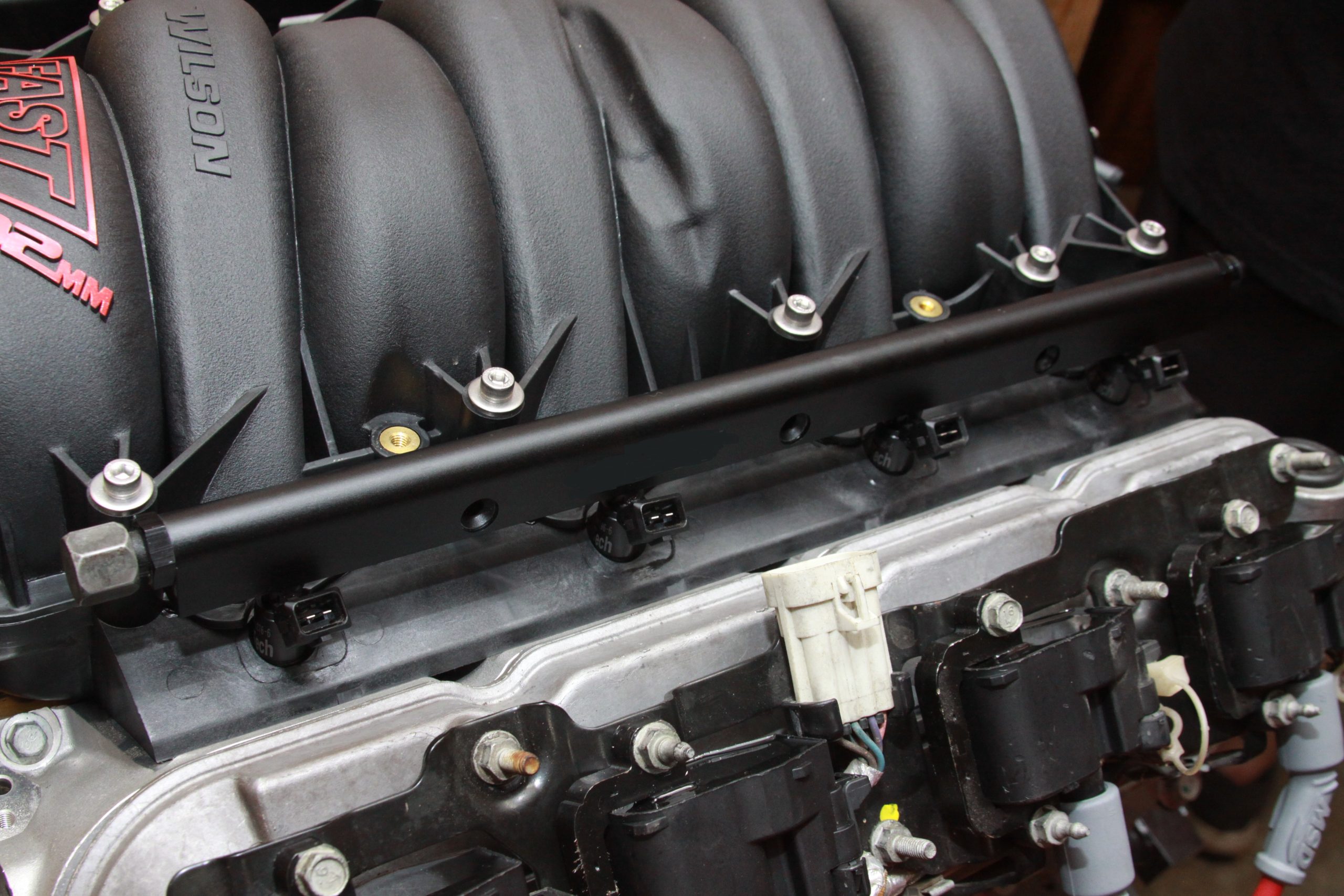
Other performance goodies include a Summit Racing Pro LS Stage 2 hydraulic roller camshaft, a FAST LSX intake manifold with a 90mm Edelbrock Victor LS throttle body, 55 lb.-hr. fuel injectors, and stock replacement ignition coils.
On the dyno, the revived LS1 made 512 horsepower and 459 lbs.-ft. of torque. The engine has a broad torque curve, which makes it ideal for the street and great fun for the track. Follow along as we get into the build and see if this combination will work for you.
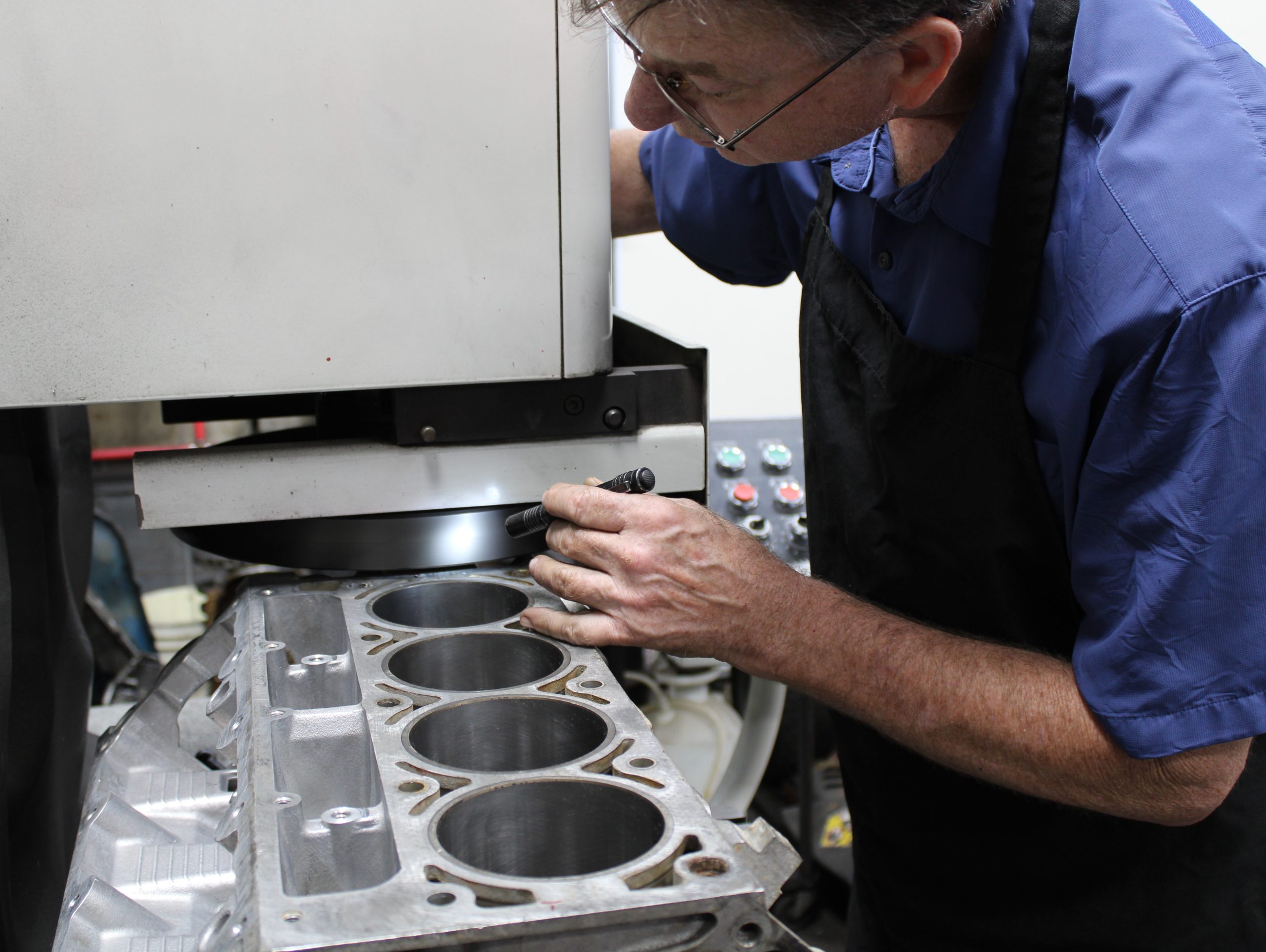
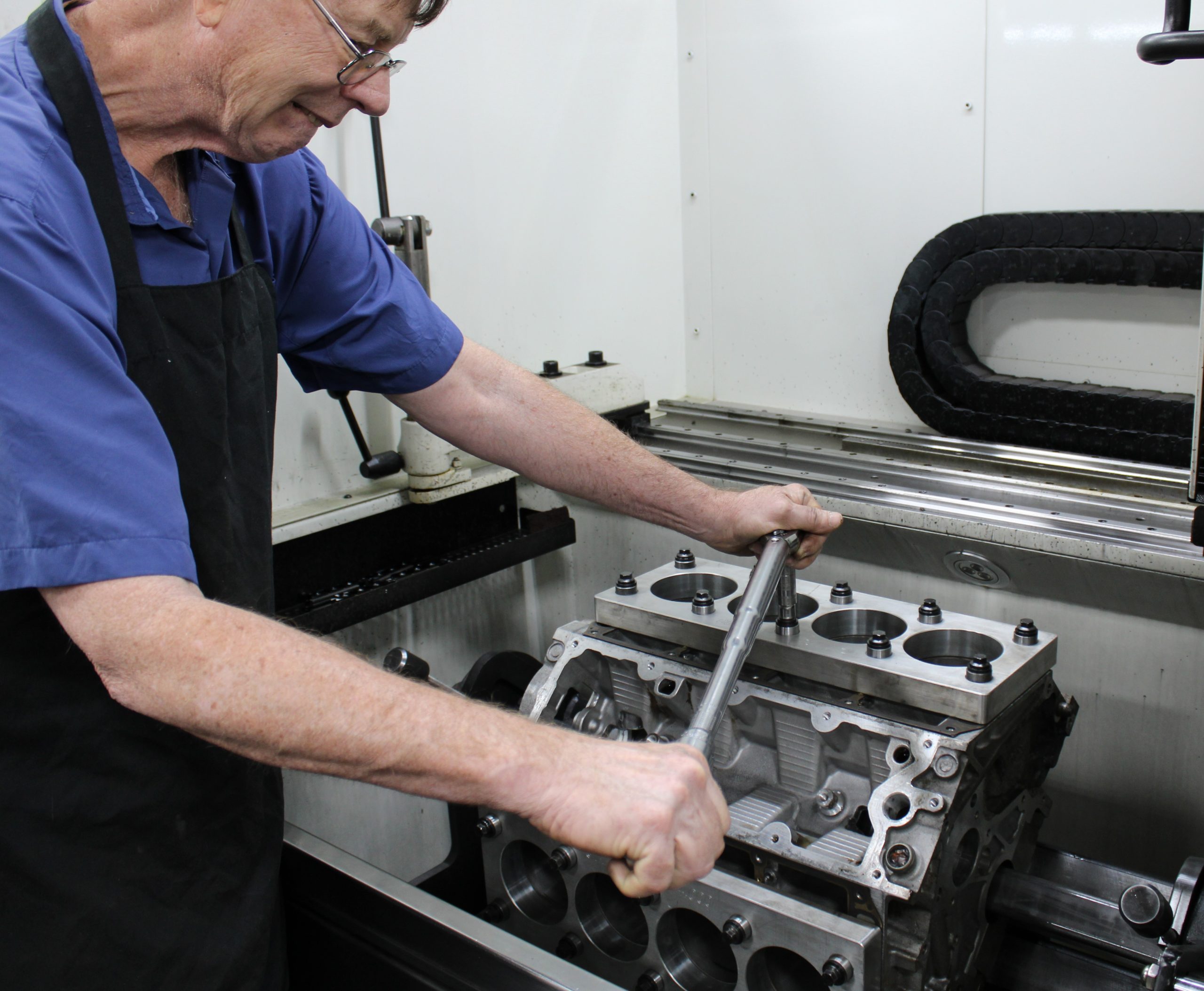
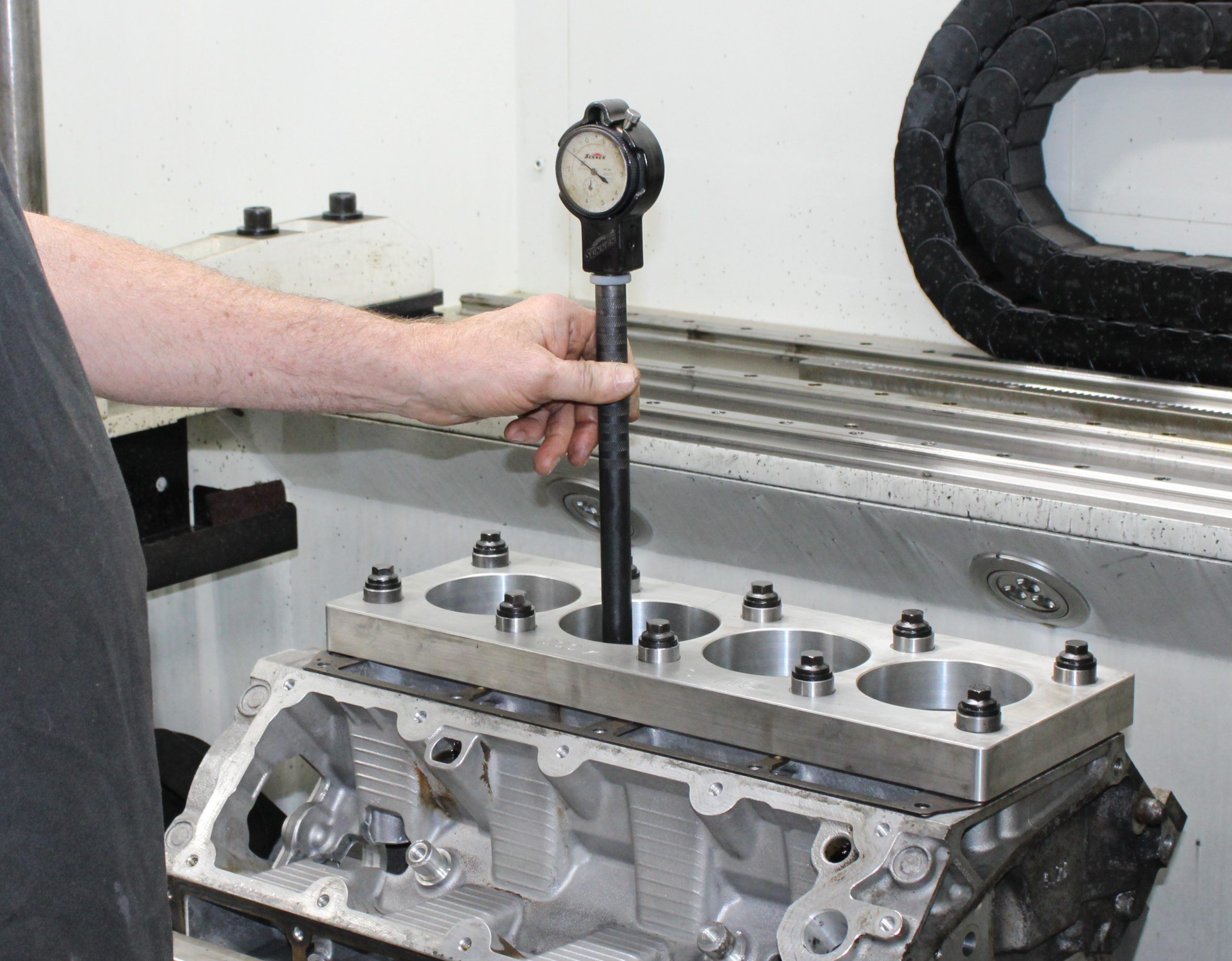
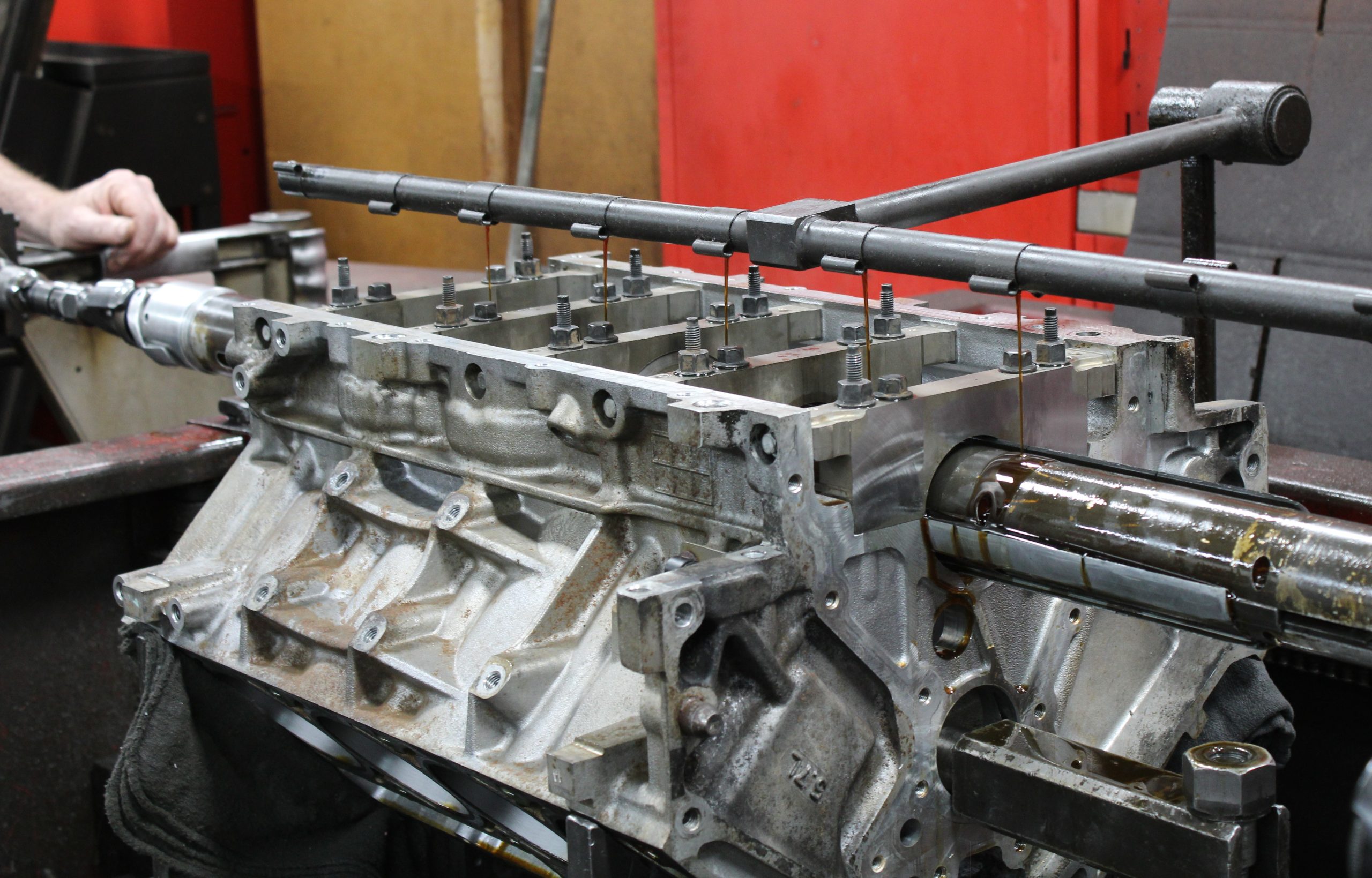
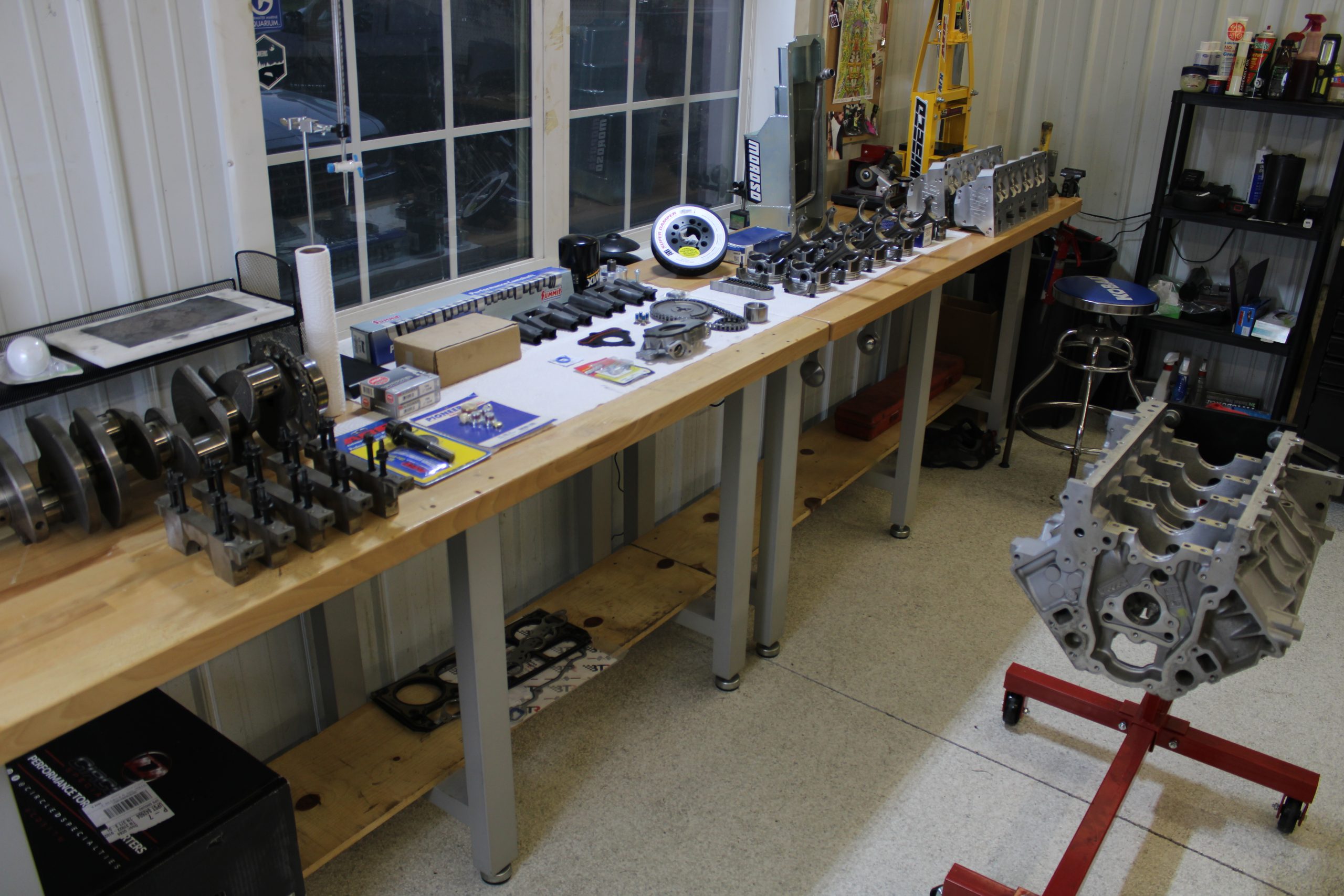
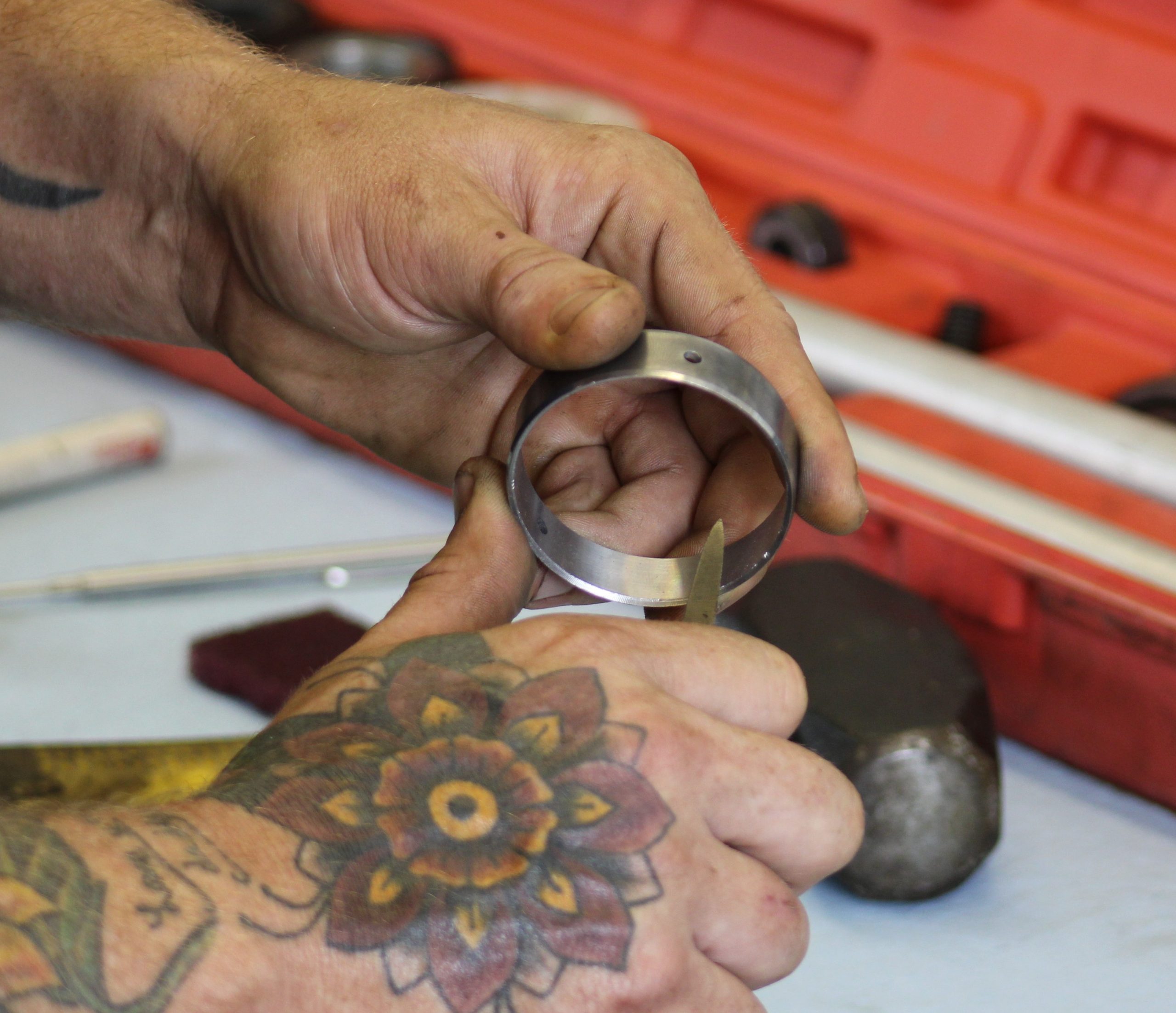
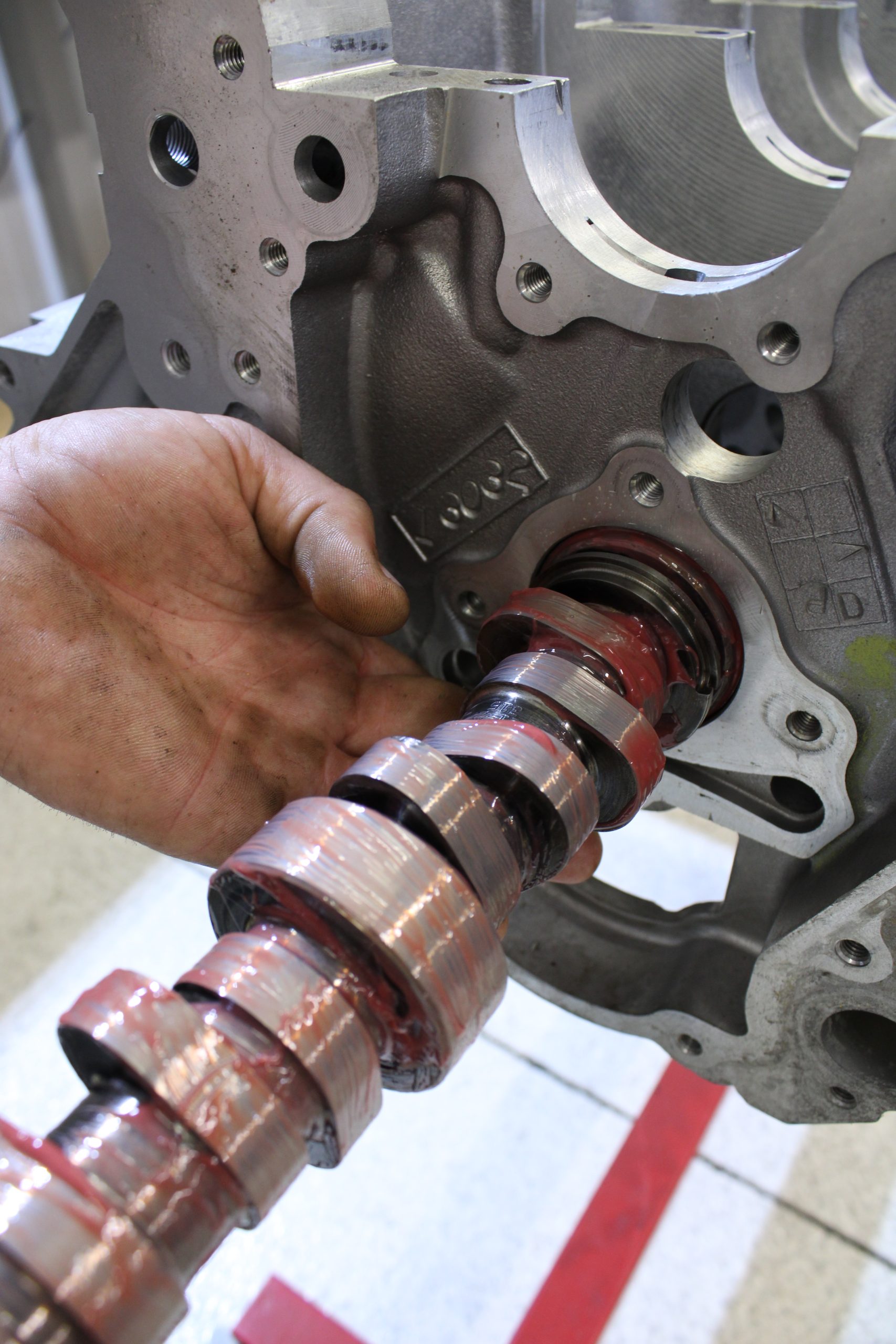
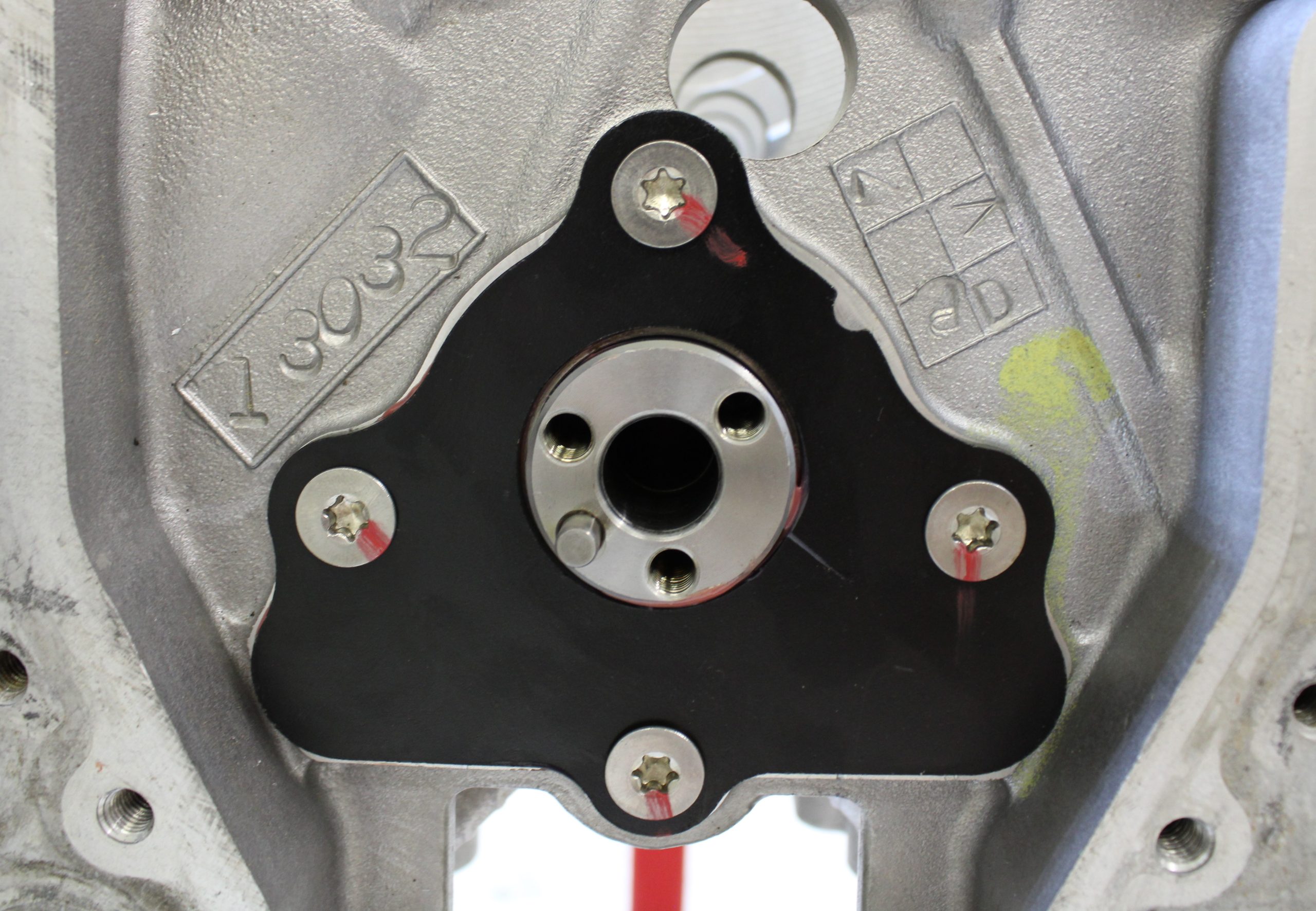
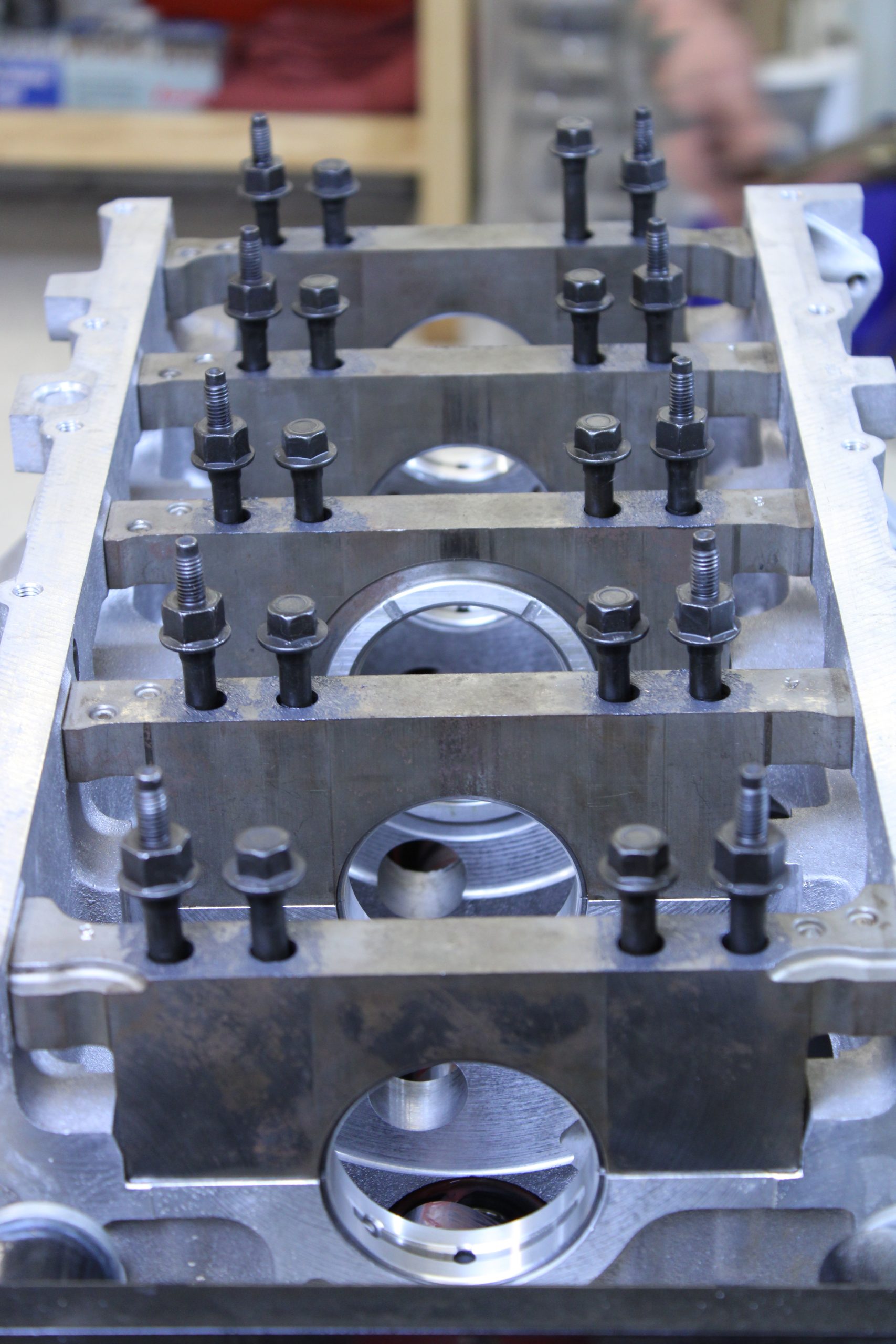
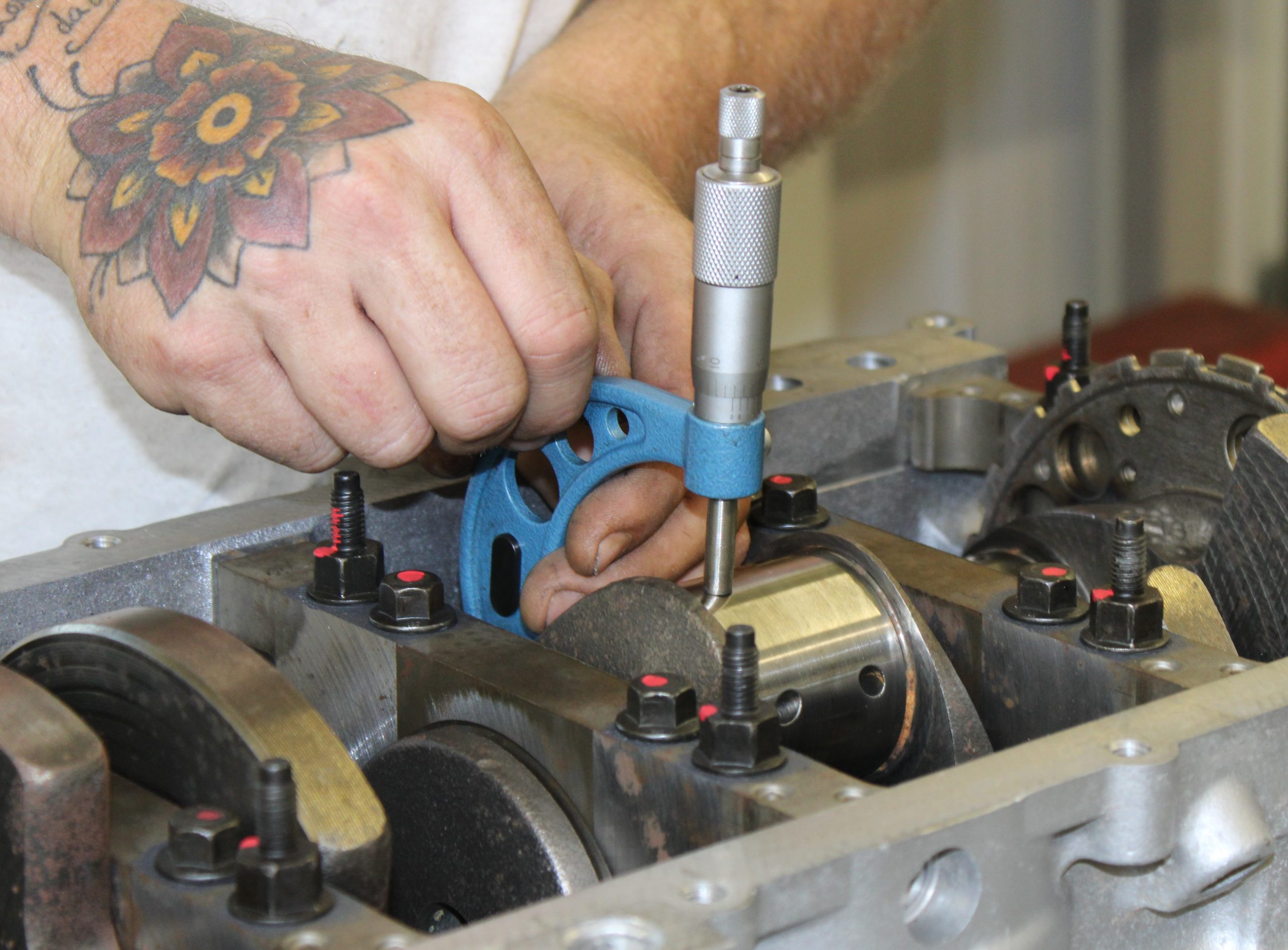
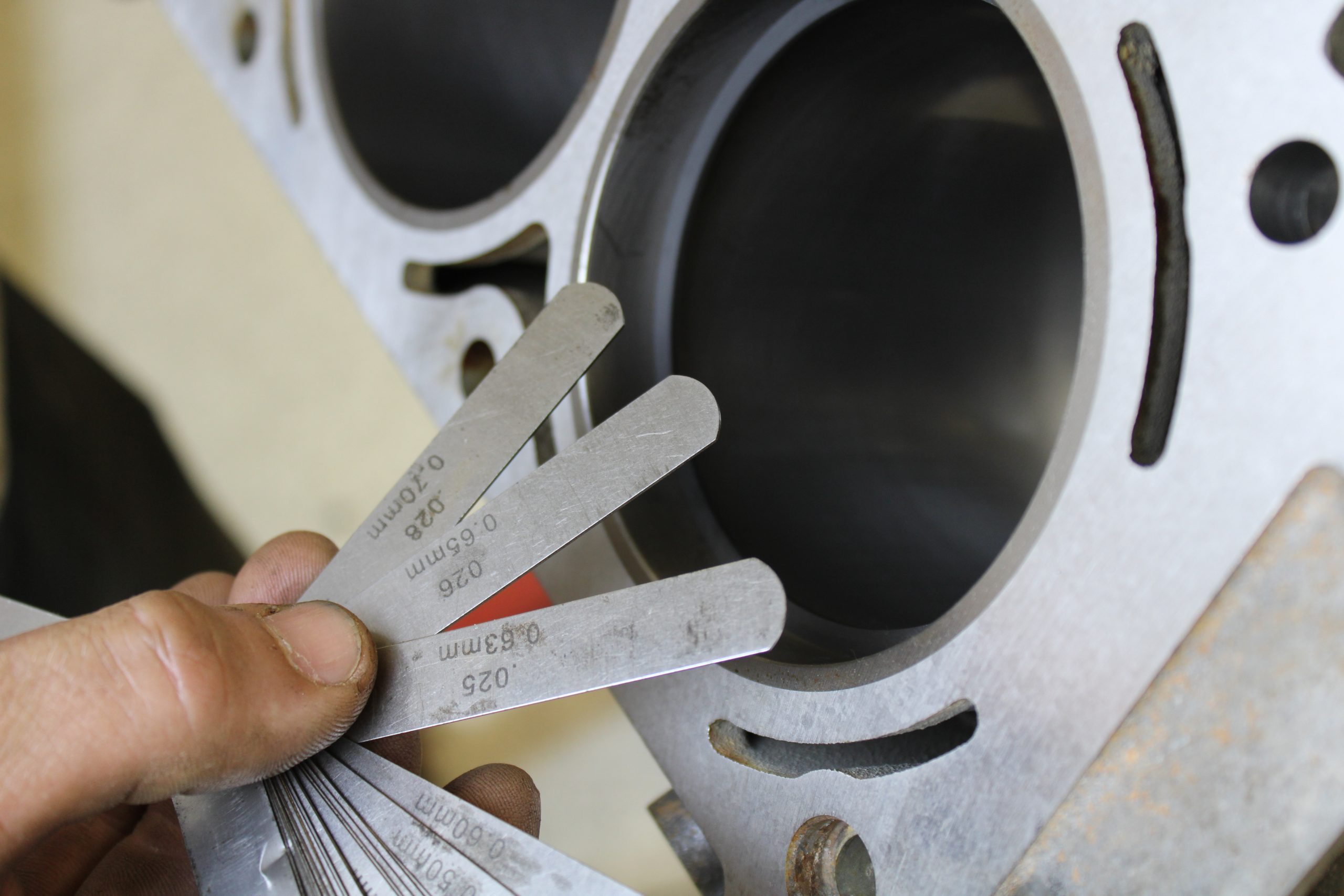
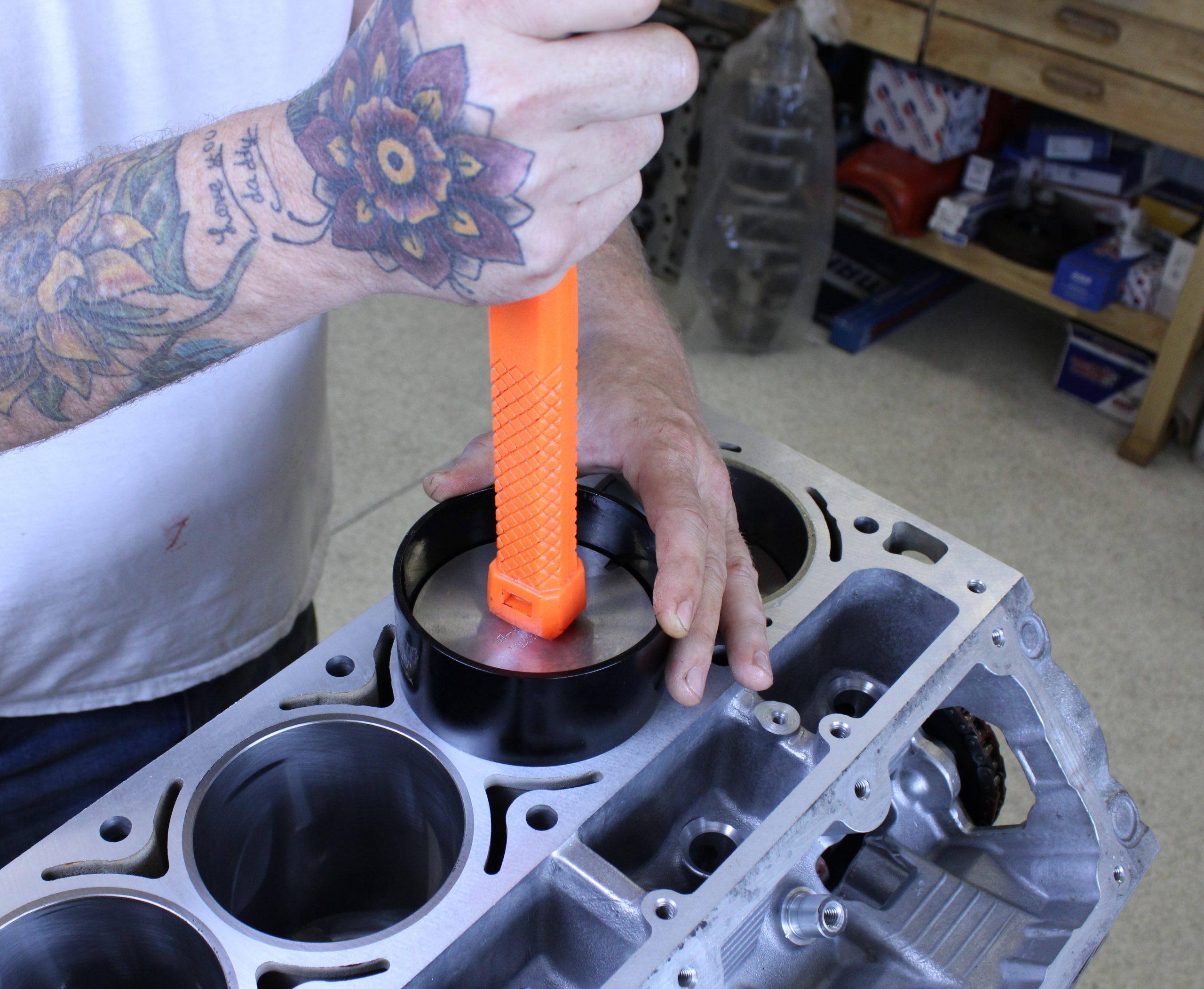
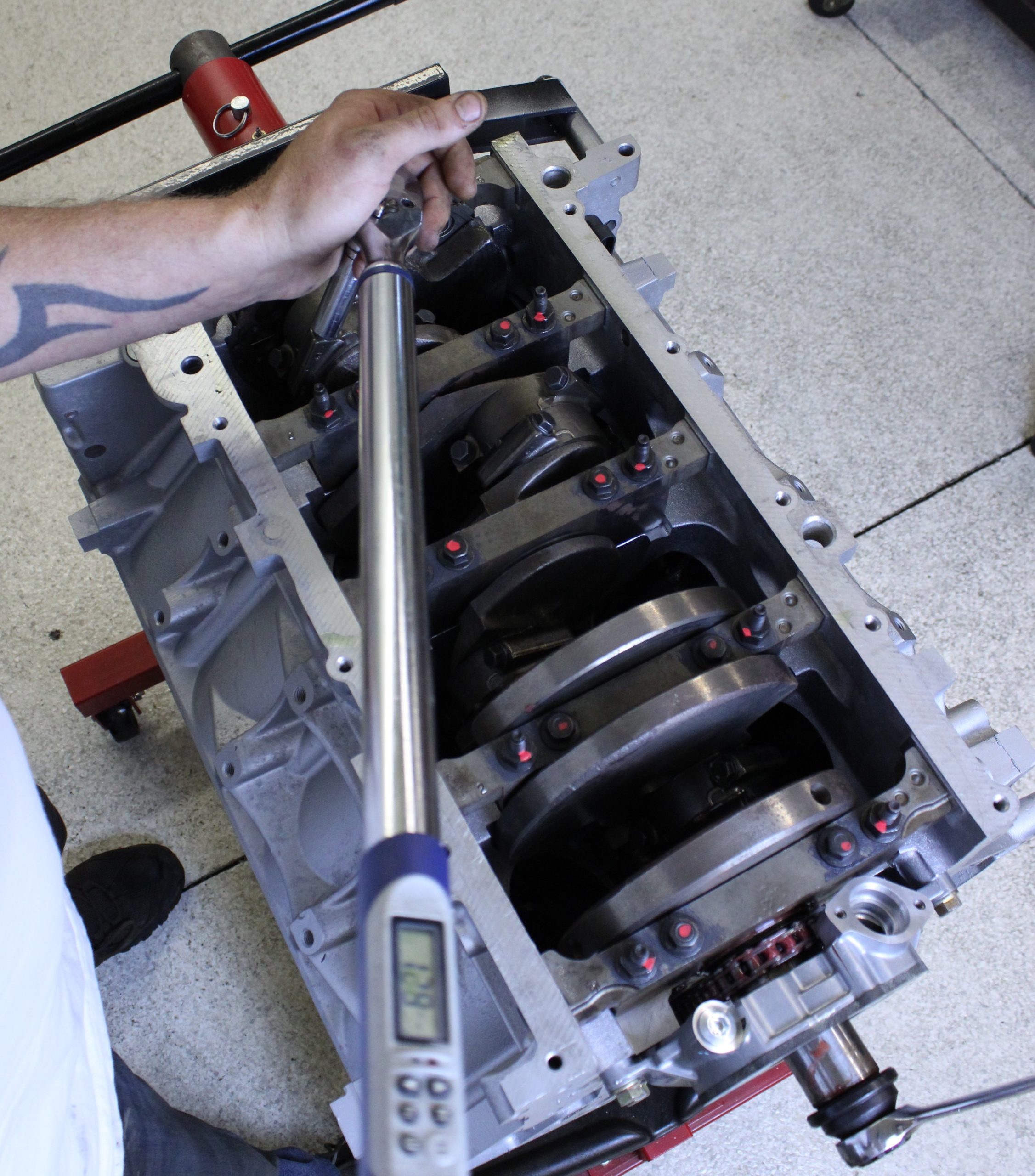
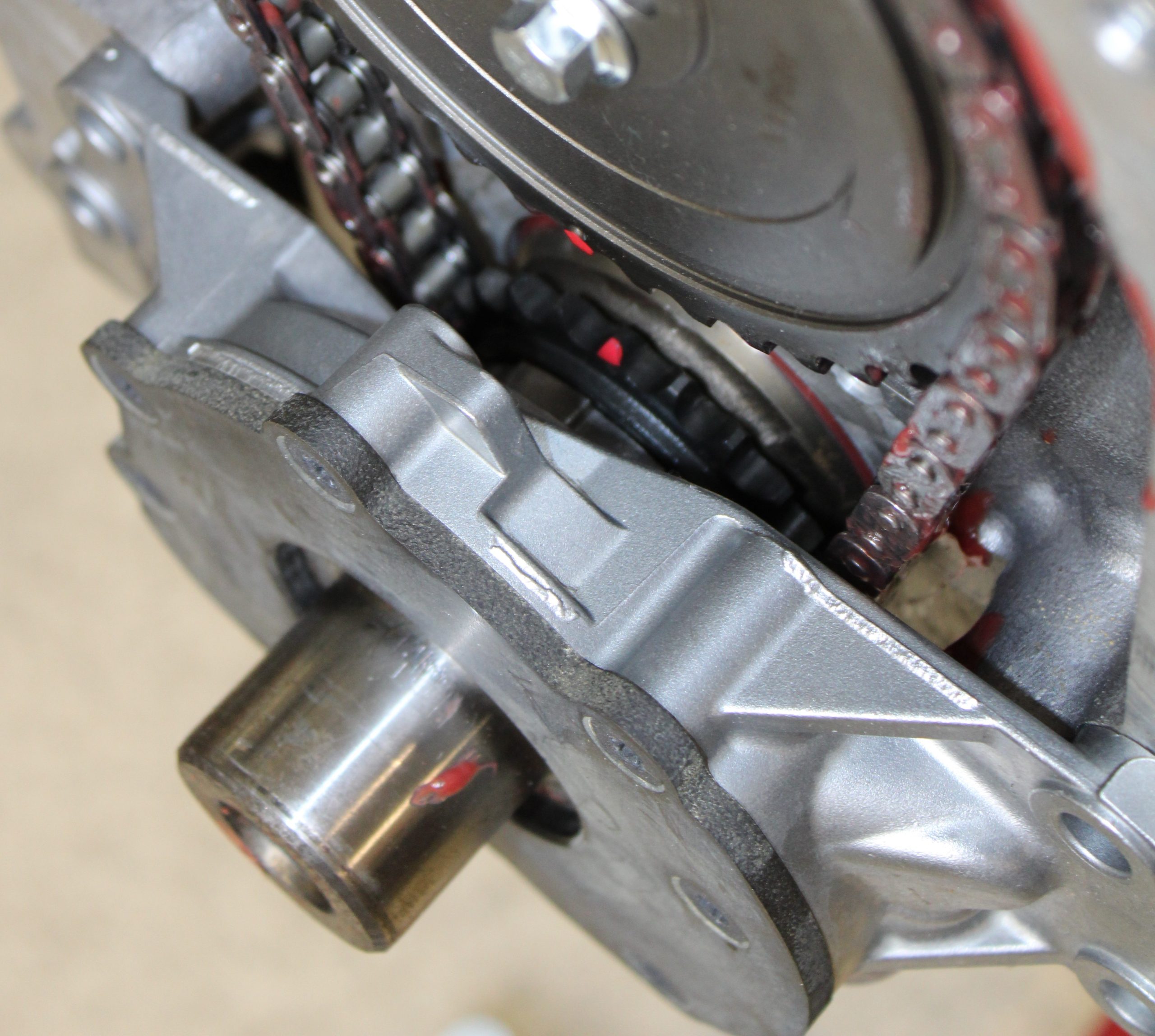
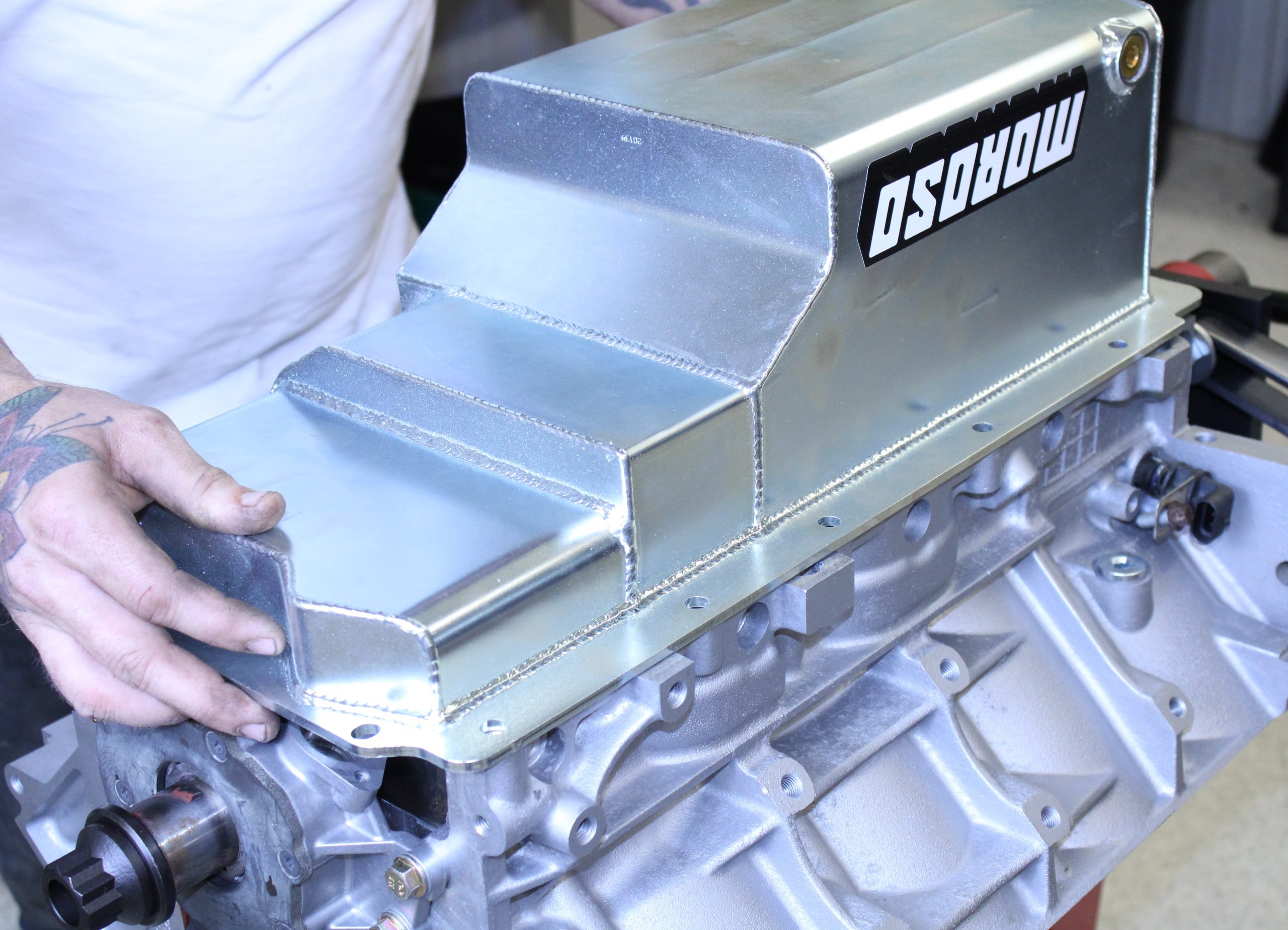
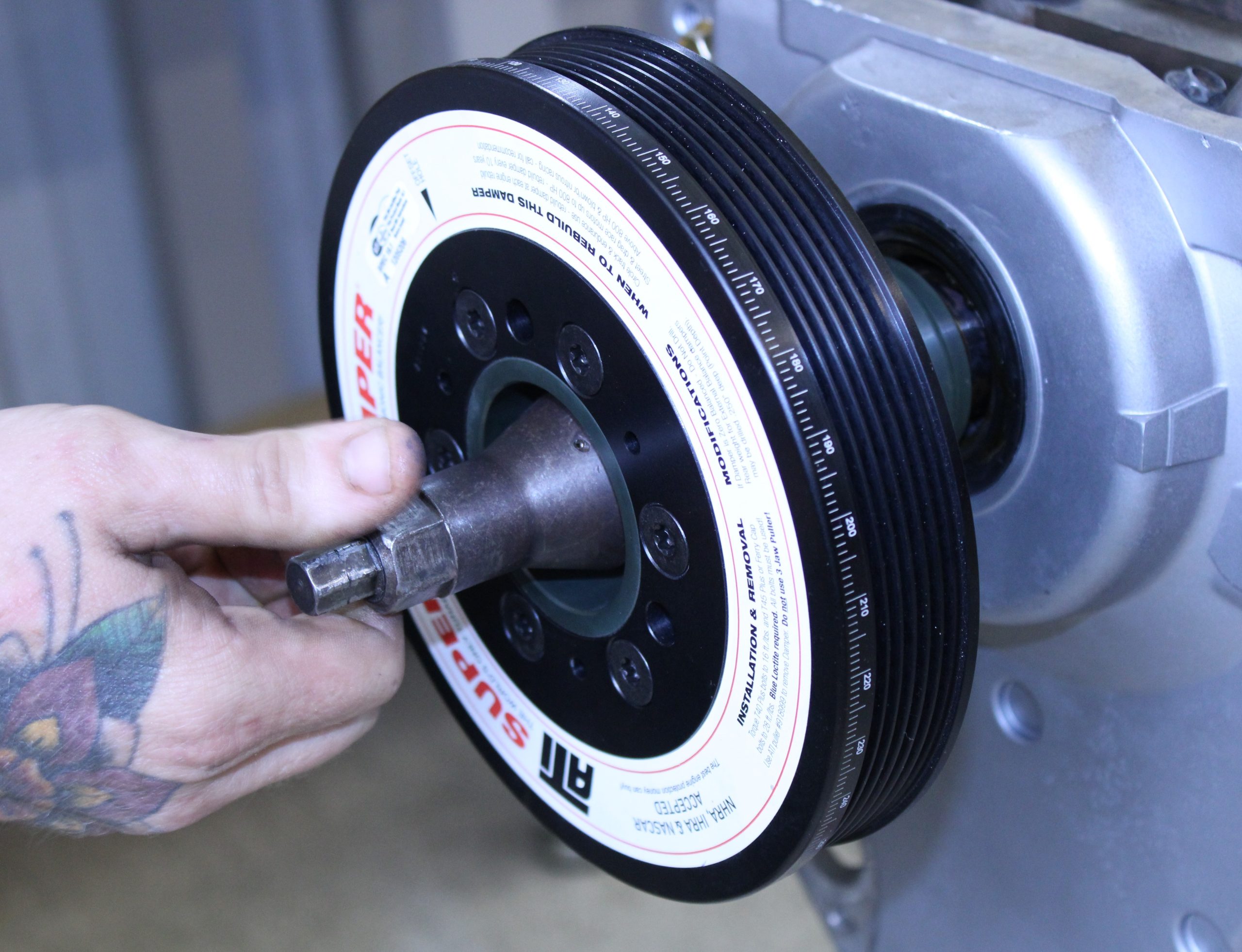
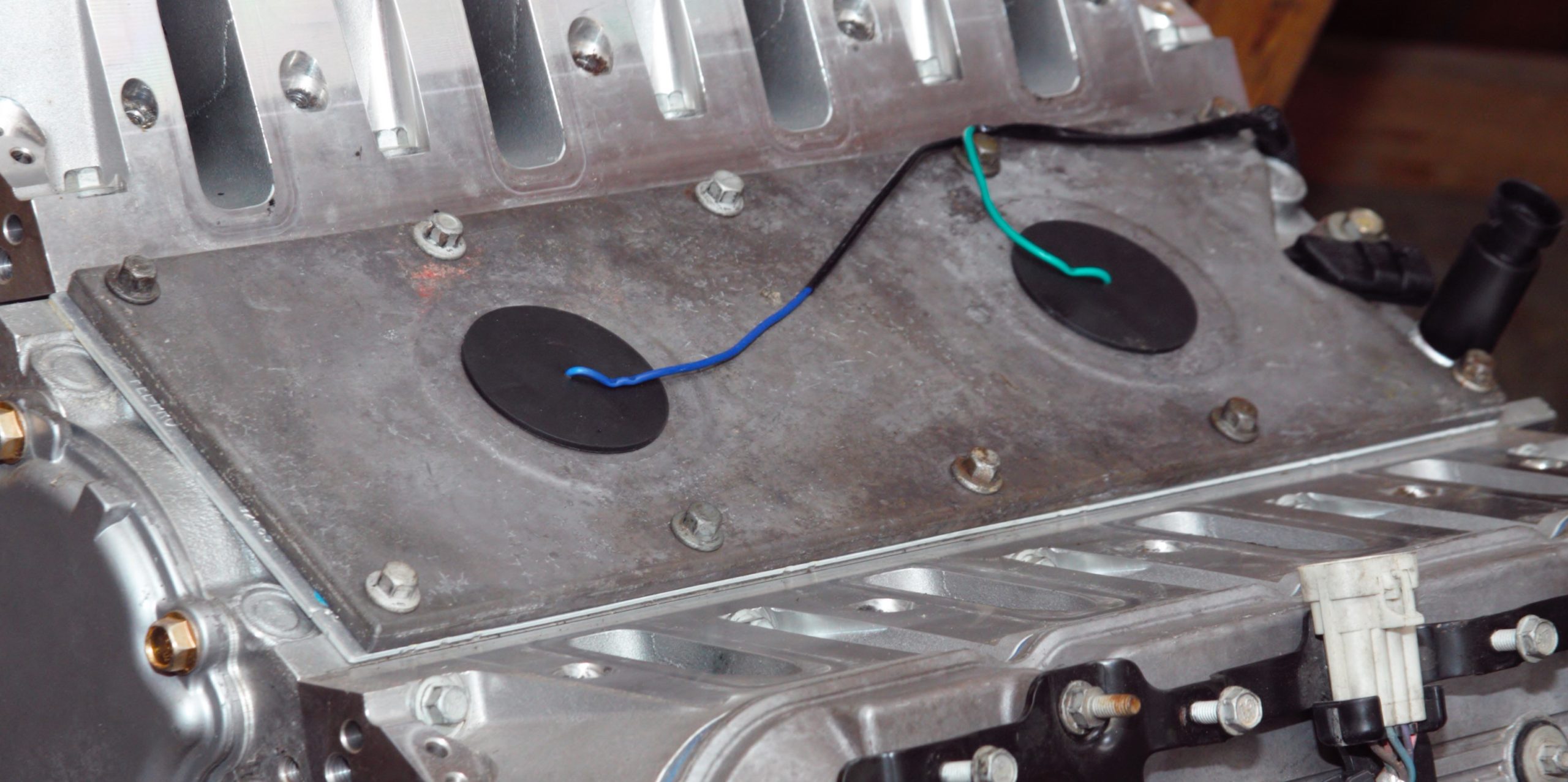
Our worse for wear LS1 donated its block, crank, and connecting rods for the build. The factory parts are plenty stout for power levels approaching 600 horsepower. (Image/John Bouchard Engines)Tommy’s Auto Machine milled the block decks .010-inch to make sure they are as flat as possible. This helps maintain a good cylinder head seal. (Image/John Bouchard Engines)Tommy’s uses torque plates on both banks for honing the cylinders after they have been bored. Torque plates simulate bolted cylinder heads so the cylinder bores are dimensionally the same as they would be with cylinder heads installed. This process will produce straight cylinder bores, accurate piston ring seating, and proper ring-to-cylinder wall clearances. (Image/John Bouchard Engines)The bores are finish-honed with a nice crosshatch pattern for good ring seating and oil control. Bores are checked with a dial bore gauge. (Image/John Bouchard Engines)The main journal saddles are optimized by milling the main caps, installing them, and align-honing the saddle bores. This moves the crank closer to the block decks, which calls for close attention to piston deck height during assembly. It’s a good idea to perform a mock-up assembly without rings installed to confirm dimensions. (Image/John Bouchard Engines)John sets a good example for how an engine assembly room should be set up. Parts are laid out in the order they go into the engine to make assembly easier with less chance of mixing up parts. (Image/John Bouchard Engines)John doesn’t like installing parts right out of the box. Here he is trimming cam bearings, which were a little ragged out of the box. Cam bearings are pressed into their bores dry. John marks the bearings with a felt tip marker to confirm oil galley alignment. (Image/John Bouchard Engines)If you are reusing the crank and connecting rods for your build, a Summit Racing Engine Rebuild Kit is a great time-saver. The kit for the LS1 includes Sealed Power hypereutectic pistons; MAHLE piston rings with a plasma-moly top ring; Summit Racing main and rod bearings; a Fel-Pro bottom end gasket kit; and a Summit Racing freeze plug kit. How’s that for convenience? (Image/Summit Racing)John installs the Summit Racing Pro LS Stage 2 hydraulic roller cam. It’s rated at 226°/238° duration at .050-inch lift and .600-inch of valve lift. Lobe separation is 113°. John uses plenty of engine assembly lube on the cam lobes and journals. It protects parts much better than engine oil during assembly. (Image/John Bouchard Engines)John marks every fastener, including these screws on the Summit Racing camshaft retainer plate, with a paint pen to indicate that each has been torqued to spec. (Image/John Bouchard Engines)John used new stock-style main bearing cap bolts, which should tell you how solid and reliable they are. If you plan on making over 600 horsepower or running a lot of boost, ARP main studs and ARP connecting rod bolts are highly recommended. (Image/John Bouchard Engines)All bearing clearances are checked before and during assembly to make sure everything is accurate. Here, John is rechecking the rod journals before installing the connecting rod and piston assemblies. He keeps a permanent record of these clearances for each build. (Image/John Bouchard Engines)Piston ring end gaps are checked for each cylinder bore. An end gap that’s too small can cause the top and secondary rings to close. This will force them to dig deeper into the cylinder walls, causing excessive heat and engine failure. A gap that’s too large is the lesser of two evils, but will still cause cylinder leakdown and a loss of power. Always confirm by checking recommended gaps from the ring manufacturer. (Image/John Bouchard Engines)John bathes the rings in engine assembly lube before installing the piston and rod assemblies in the block. He uses a non-adjustable billet ring compressor because they tend to be more dimensionally accurate than an adjustable compressor. (Image/John Bouchard Engines)The connecting rod bolts are torqued to factory spec. The first pass is 15-ft.-lbs. using a torque wrench, then a final 85 degrees using a torque angle gauge. Each bolt is marked with a red marker once it’s torqued. John goes over the bolts one more time to confirm they are torqued to spec. Be sure you know which rod bolts you have. There are two types and each has a different torque spec. This Summit Racing article covers the differences. (Image/ John Bouchard Engines)John used a Melling Performance oil pump. It has a CNC-machined body and cover and flows 18 percent more oil than the factory pump. The pump also has a stiffer pressure relief spring to provide 10% higher oil pressure over stock. (Image/John Bouchard Engines)The Moroso Street/Strip oil pan is designed to fit 1993-2002 Camaros and Firebirds with an LS engine and a factory front subframe. It has a six-inch deep rear sump, a trap door and rear anti-climb baffle for improved oil control, and is clearanced for cranks up to 4.25-inch stroke. The pan now comes with a black powdercoat finish. (Image/John Bouchard Engines)John likes using ATI Super Damper harmonic dampers. They’re really good at absorbing vibration and crankshaft twist, but their big feature are the replaceable elastomer rings that allow you to rebuild your damper. Elastomer rings are also available in different durometers so you can tune the damper to your engine combination. (Image/John Bouchard Engines)The AFR 201cc Enforcer cylinder heads feature 210cc intake runners, 64cc combustion chambers with 2.02-/1.60-inch valves, and PAC Racing dual valve springs rated to .600-inch of valve lift. The heads flow more air and can handle higher lift cams than the factory heads, and cost about the same as having factory heads machined and reassembled with new parts. (Image/Summit Racing)The stock rocker arms are a good design, but the needle bearing trunnions limit how big a camshaft you can run—.500- to .550-inch of valve lift is about the limit. Fortunately, updating the rockers with a Summit Racing retrofit trunnion kit will help them live with bigger cams (up to .950-inch lift) and stiffer valve springs (up to 400 lbs./in.). The kit replaces the trunnions and bearings with hardened steel trunnions and bearing-grade bronze bushings. (Image/John Bouchard Engines)LS1 engines have been around for almost 30 years. When you rebuild one, do yourself a favor and replace the sensors, like these knock sensors in the lifter valley. It doesn’t make sense to take chances with old electronics when new replacements are so affordable. (Image/John Bouchard Engines)The FAST LSX intake manifold is a three-piece design that improves high RPM power without compromising low-end torque and drivability. The composite intake can even be ported to increase airflow and horsepower. The original game plan going was to use the matching FAST Big Mouth 92mm throttle body, but it was unavailable at the time of our build due to COVID supply chain issues. John chose the Edelbrock 90mm Victor LS throttle body as a substitute. Though it’s a tad smaller than the FAST throttle body, it still managed to flow enough air to support 512 horsepower. (Image/John Bouchard Engines)The FAST 50 lb.-hr. fuel injectors recommended for use with the FAST LSX intake were another victim of COVID supply chain issues. John got creative and sourced some 55 lb.-hr. FiTech fuel injectorsthat worked out OK. He also got a pair of FiTech fuel rails to feed them. (Image/John Bouchard Racing Engines)
Jim Smart is a veteran automotive journalist, technical editor, and historian with hundreds of how-to and feature articles to his credit. Jim's also an enthusiast, and has owned and restored many classic vehicles, including an impressive mix of vintage Ford Mustangs.



Comments