
As much as we love open-top off-roading, we might just love fall and winter riding even more. And while that means we might be stowing away our sunscreen and bug spray, cold-weather Jeeping still demands a significant degree of preparedness.
So in this quick article, we’ll cover what you need to know when heading off the grid for some chilly off-road fun.
***
Cold-Weather Off-Roading Tips for Jeep Owners
***
1. Dress Appropriately
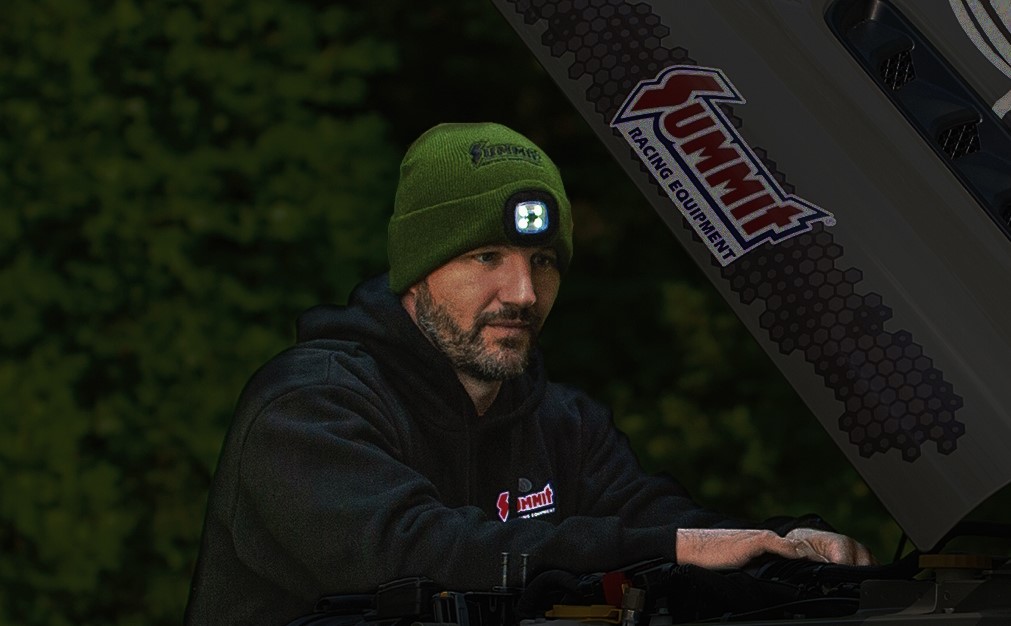
While it may sound obvious, don’t overlook the importance of proper clothing and cold-weather riding gear. While sneakers may…may…have been OK during the summer, you’ll want to step up to sturdy boots and insulated socks—just in case you accidentally stomp into a slushy puddle.
Depending on your driving style, we tend to ride more complicated trails with at least one window open, so we can lean out and better assess the terrain and conditions. Suffice it to say, doing that on a 40 degree day means the cabin gets chilly, so a stout cold weather jacket, or maybe even a heated jacket or heated vest comes in handy. (Same deal with a good set of gloves as well.)
You can also gear-up with a nice Jeep hoodie or hat too.
***
2. Insulate Your Jeep
We’re going to assume that you’re installing your doors and top here. And that’s the perfect time to check the condition of your weatherstrip. Those seals degrade with age and wear, and there’s nothing more irritating than a bunch of gaps that allow freezing air to enter the cabin. The good news is you can get replacement Jeep weatherstrip—available as individual Jeep weatherstrip sections or in complete Jeep weatherstrip kits—and they’re usually pretty easy to install.
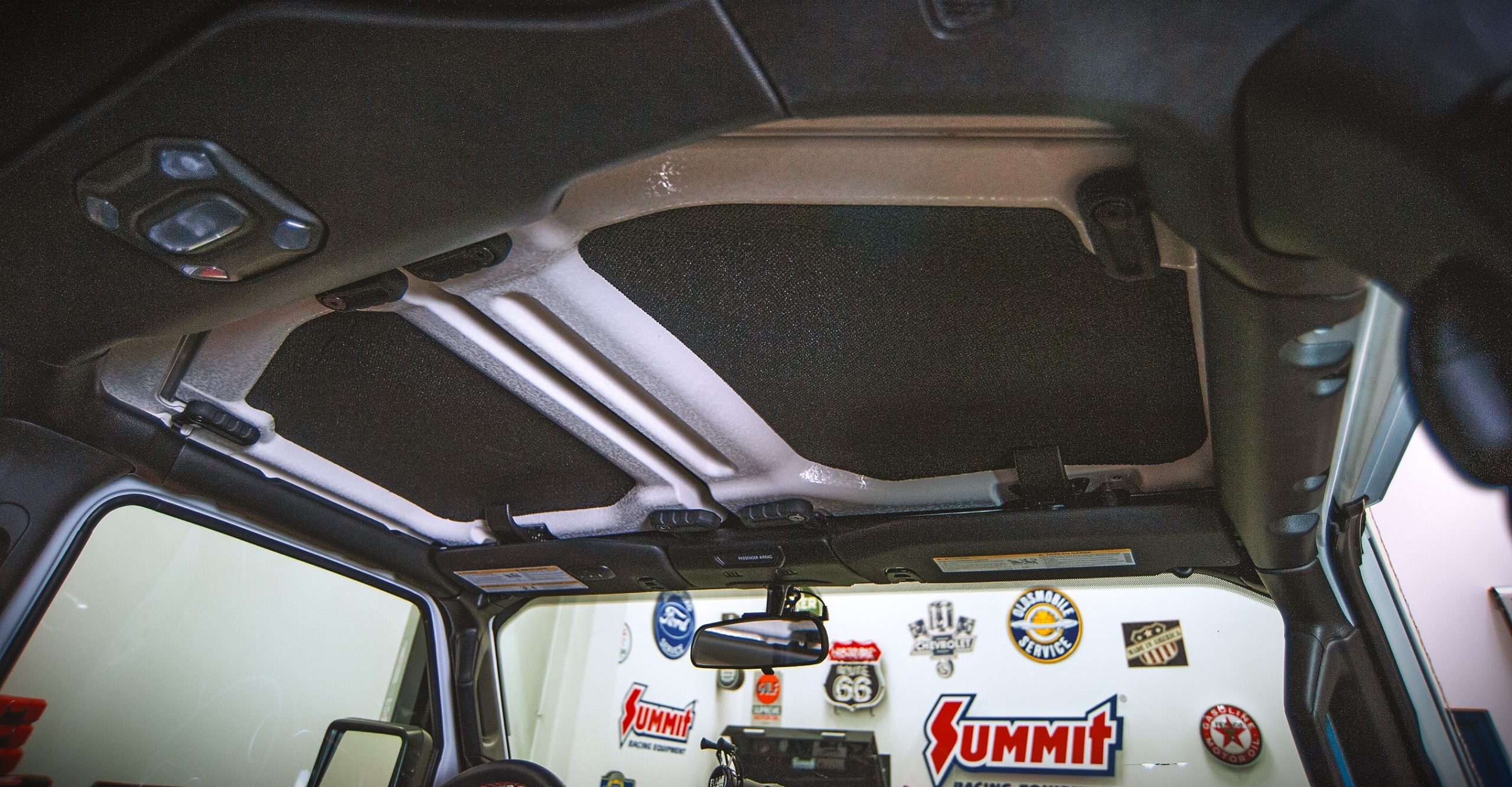
You can go a step further too, by insulating your Jeep’s hardtop with headliner insulation for your Wrangler. These headliners help trap heat (and cool air in the summer), and can make your passenger compartment quieter too by cutting down ambient road noise.
And don’t forget your feet—a stout set of floor liners can add another layer of insulation down below to keep your piggies warm, while also protecting your interior carpeting from dirty slush and mud.
3. Check Your Tires & Air Down
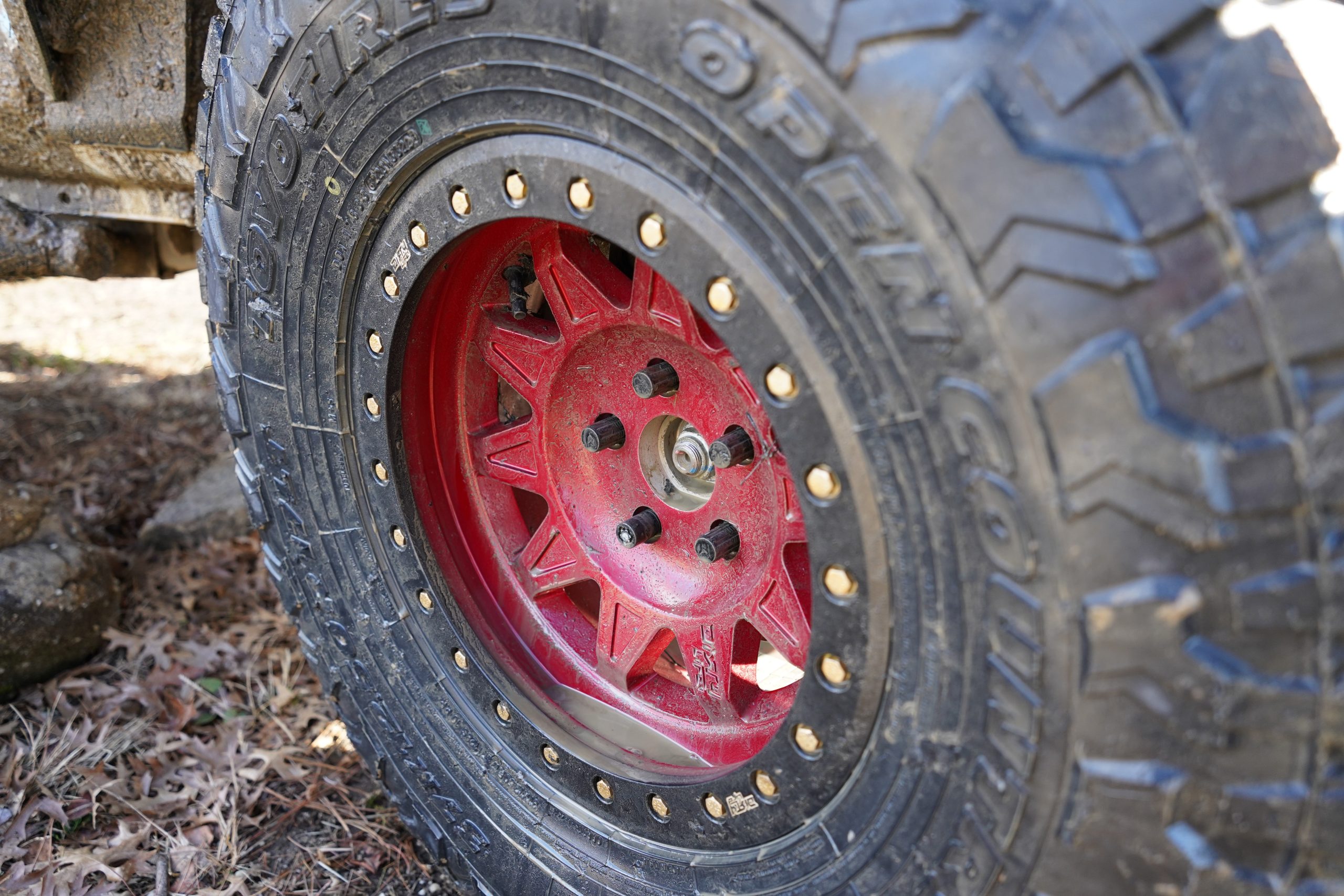
Fall and winter trail riding presents a unique set of technical challenges. To begin with, failing leaves can accumulate in ruts and dips, obscuring low points in the trail. Toss in some rainfall—and perhaps even an early-morning freeze—and they can become slick spots that’ll cause headaches along the path. Many experienced off-roaders will air-down (more so than usual) to gain more traction over obstacles covered in slick leaves and rutted with icy troughs.
While you should always diligently monitor your air pressure before and after a ride, be mindful that sub-zero temperatures create denser air, which can lower your tire pressure—particularly as your rig slumbers on the frosty ground overnight.
In these situations, a tire deflator and portable tankless air compressor are invaluable assets for airing-up and airing-down on the trail.
4. Fight Rust Before It Starts
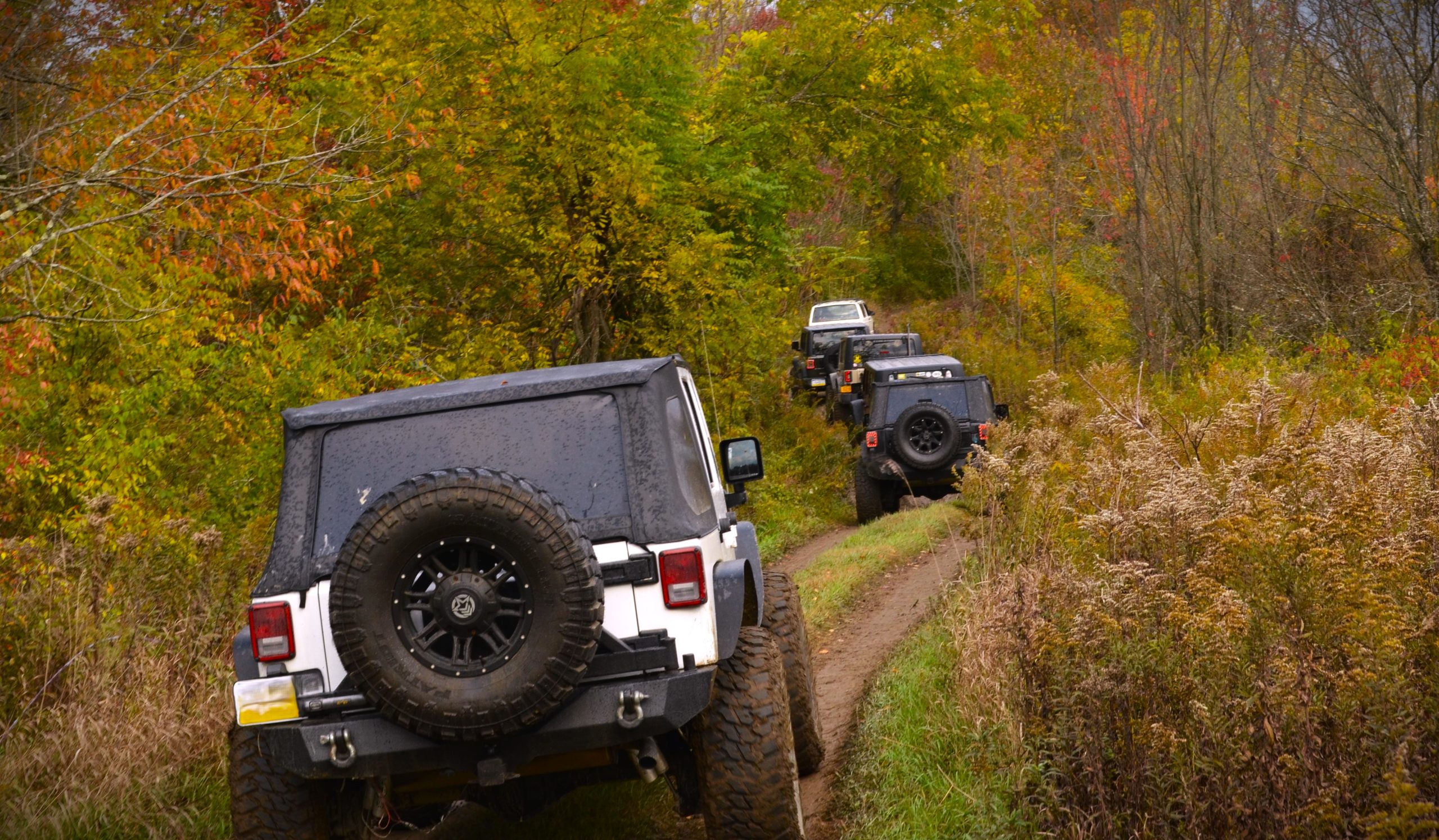
In our neck of the woods, autumn brings with it rain—and then snow follows soon after that.
That means you may be driving through more drizzles and puddles than you would on a summer ride. So get in the habit of inspecting your Jeep’s body and frame for any place where rust can grab hold. Scratches, scrapes, and dents can chip away the paint, exposing the raw metal underneath—and that’s like ringing the dinner bell for corrosion.
This is especially true if you live in a region that salts its roads during the winter, as the salt joins with moisture to serve as an electrolyte—which is a fancy way of saying it’ll rust faster. If this sounds familiar, you should use touchup paint or perhaps even a thick rust preventative coating to repair the damage whenever possible.
Really concerned about rust? You can protect you undercarriage by spraying a corrosion inhibitor like Fluid Film liberally on your chassis and underneath your Jeep’s body. And always, always, always remember to give your Jeep a thorough wash and cleaning after each trail ride—so it’s a good idea to have plenty of cleaning/car wash supplies and car polishes/protectants on hand.
5. Unpack & Repack Your Recovery Gear
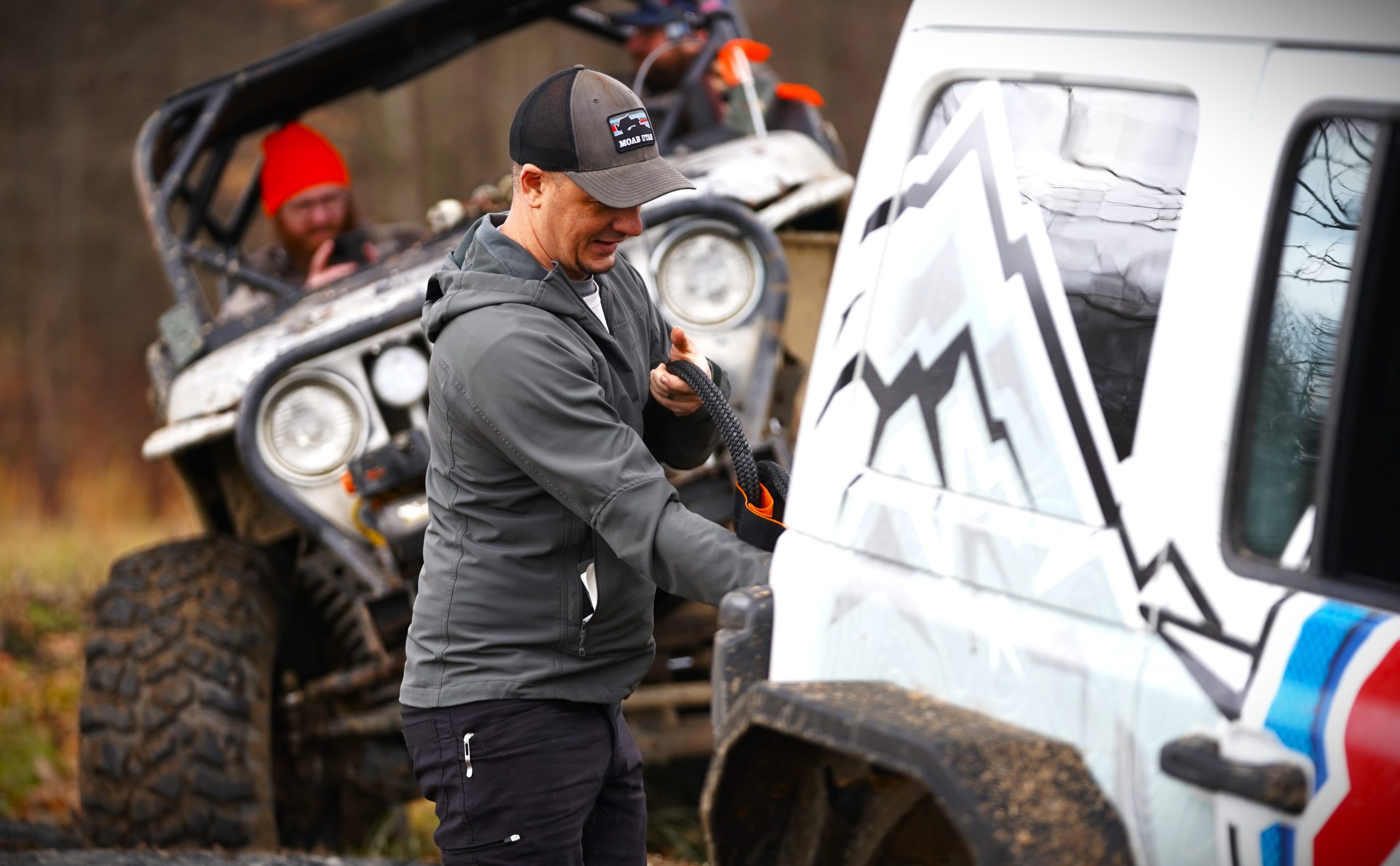
Even if you were lucky enough to not have to use it this summer, now’s the time to pull out all of your recovery gear and make sure it’s all there and in good working order.
For example, some leftover water from a deep fording last time could have gotten into your gear and made a mess of things. Or perhaps a critter climbed in and chewed your recovery straps to make its home. And the last place you want to discover this stuff is when you’re axle-deep in frigid mud.
In other words, there are 100 reasons why regularly inspecting your recovery gear is a smart move—so get into the routine with every seasonal change.
Not sure what recovery gear you need? Summit Racing carries several off-road recovery kits with all the essentials, and you can check out our handy recovery gear checklist in the link below:
Click here for a downloadable off-road recovery gear checklist PDF.
***
Bonus Tip: Optimize Your Interior Storage
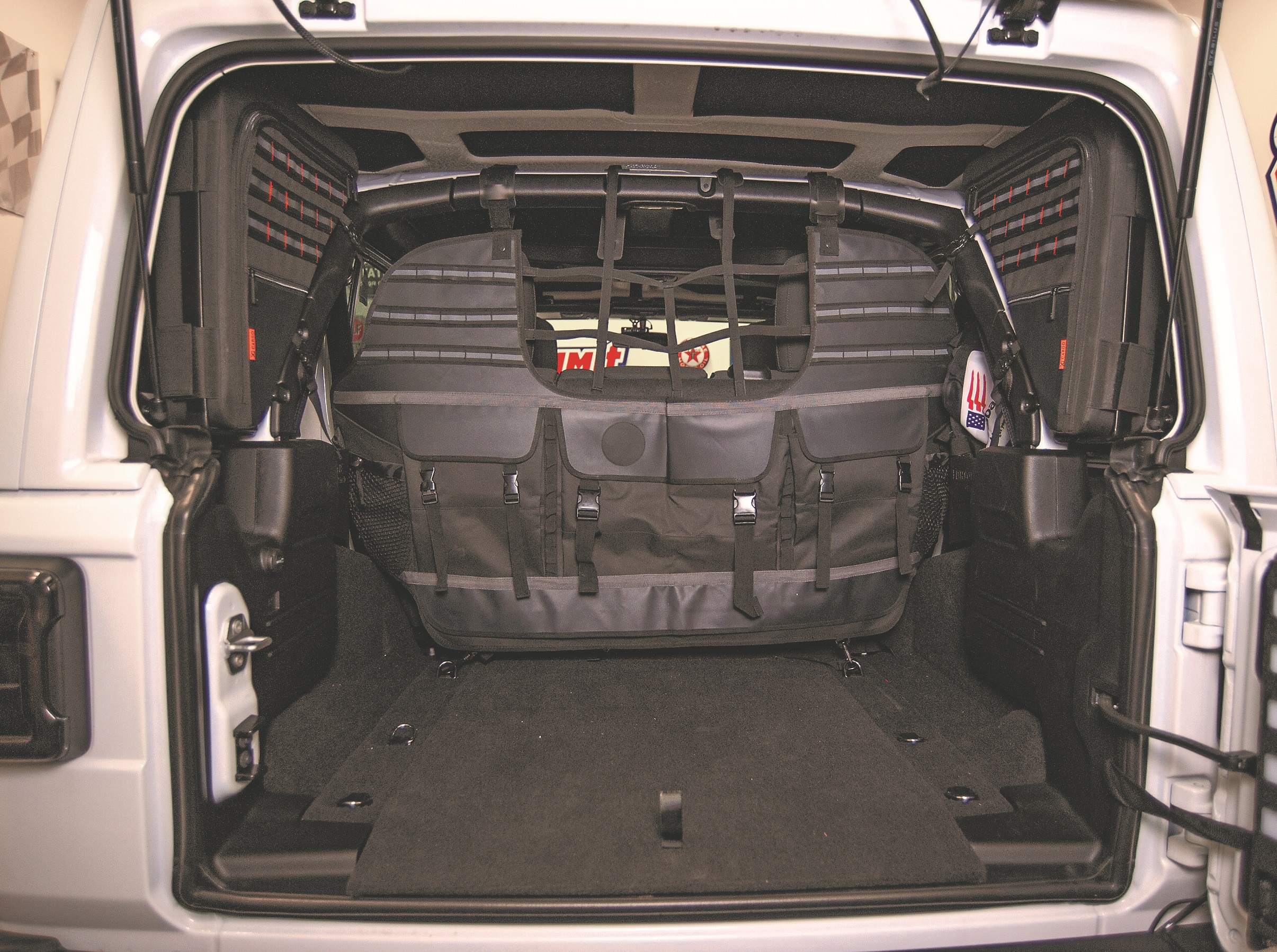
With extra coats and jackets, there’s a good chance you’ll be bringing along more gear for fall and winter trail rides and, considering you’ll most likely be running with your doors and top on, storage space is even more of a concern.
From tool boxes to complete interior storage solutions custom tailored to the Jeep Wrangler, keeping your gear tidy and organized is always a big deal. (As an added bonus, storing things in their proper places helps you determine if a part or tool is missing too.)
***
Are you going to let some wet leaves and a little frost cancel your fun?
Yeah, we didn’t think so.
So c’mon, gear up properly and get out there—you can enjoy trail riding in your Jeep all year long.


Comments