At the beginning of the 1960s every Detroit automaker was a player in the compact car game. That meant smaller, more economical engines, usually of the six-cylinder variety. Chrysler had the all-new (at the time) overhead valve 170 and 225 CID ‘Slant Six’ engines. Chevrolet had the Turbo-Thrift inline sixes and well as the Corvair’s air-cooled pancake six. AMC had flathead and overhead valve inline sixes, and Studebaker released an overhead valve version of their Champion flathead six in 1961.
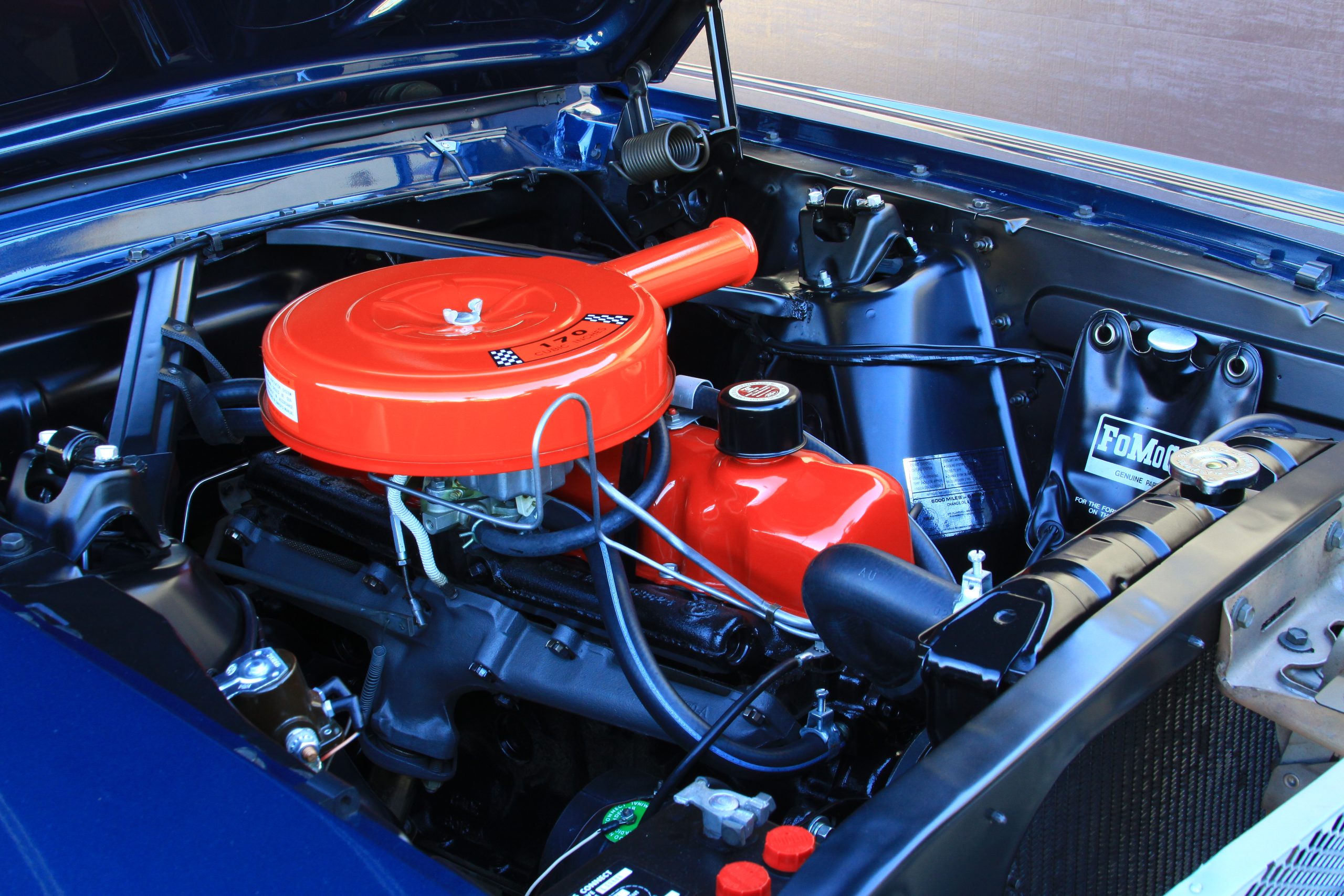
Over at Ford, a new generation of lightweight inline sixes displacing 144 and 170 CID came onstream. The 144 CID ‘Thrift Power’ inline six was introduced in the 1960 Falcon. The optional 170 CID ‘Special’ six was optional in the Falcon and Mercury Comet from 1961 to 1964. The 144 had a 3.500-inch bore with a 2.500-inch stroke and a Holley one-barrel glass bowl carburetor. The larger 170 had the same 3.500-inch bores but a longer 2.940 inch stroke.
The original 144 six made 90 horsepower and the 170 was rated at 101 horsepower. These engines provided good fuel economy (up to 30 MPG) and were exceptionally durable, if lacking in the horsepower department. Ford decided to do something about that. They took the 170 engine, bored it out to 3.685 inches, and added a 3.126-inch crank to create the 200 CID six. Making 120 horsepower and 191 lbs.-ft. of torque, the 200 was a welcome addition to the Ford six lineup and would be a mainstream player in the years ahead.
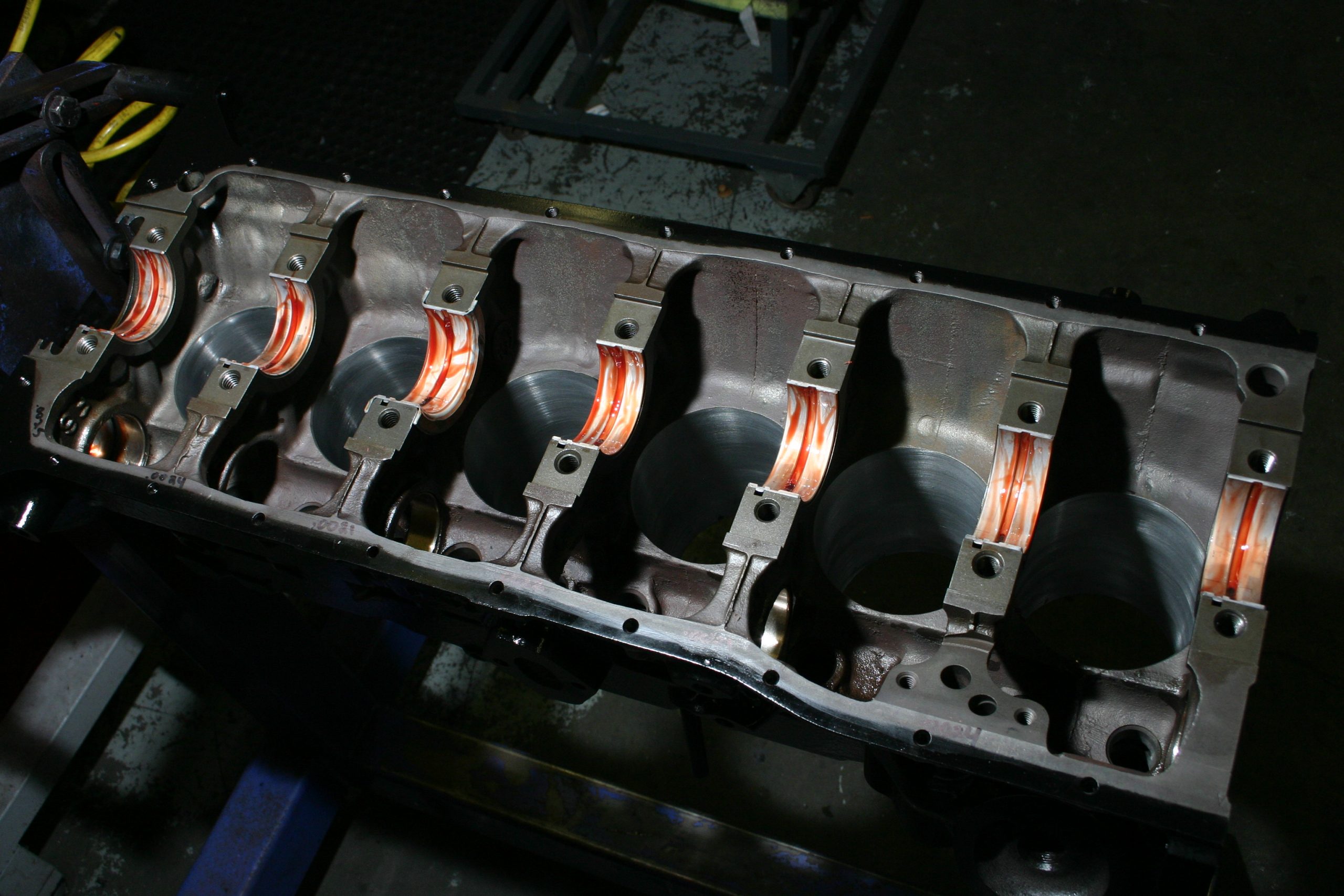
In 1964, Ford engineers and product planners wanted to reduce the 200’s noise, vibration, and harshness. A complete bottom-end redesign with seven main bearings, a thicker block deck, and hydraulic lifters improved the engine’s NVH considerably. In August 1964 Ford began offering the 200 six as the standard Mustang engine, replacing the 170.
The 200 soldiered on until through the early 1980s in Mavericks and Comets, Granadas, Fairmonts, and other midsize Ford passenger cars. The engine was also used in the Fox-Body Mustangs from 1979 to 1982 due to a shortage of ‘Cologne’ 2.8L V6s from Ford of Germany.
In 1968, Ford created the 250 CID six by raising the 200’s deck some 1.66 inches and increasing crank stroke to 3.910 inches. This added up to a very useful 155 horsepower and 240 lbs.-ft. of torque. The 250 was a nice option for those who didn’t want a V8 and liked the smoothness of a six. The engine was the standard powerplant in the Mustang from 1971 to 1973, and was offered in compact and midsize Ford cars through 1980.
Identifying a 144-250 Inline Six
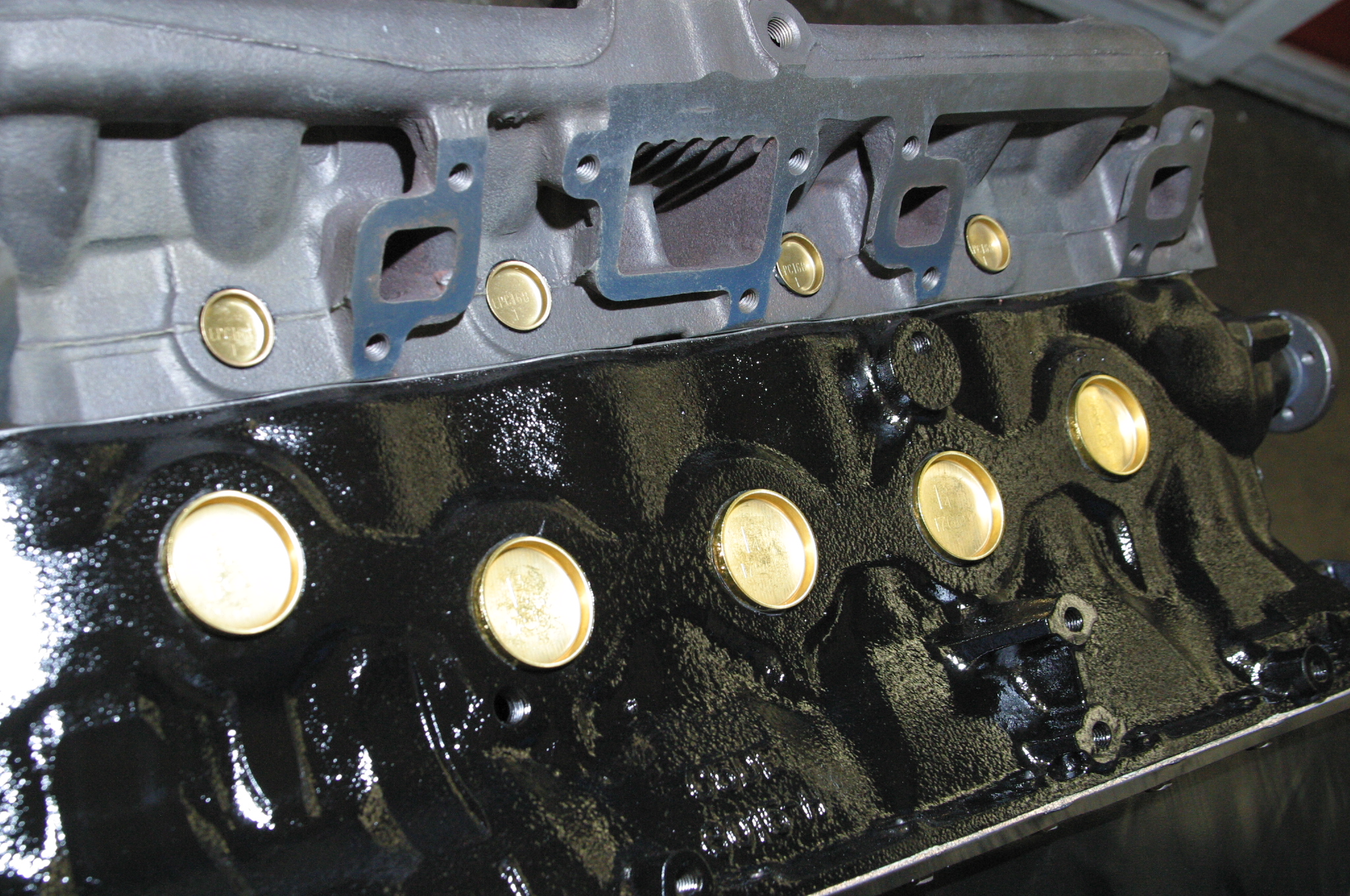
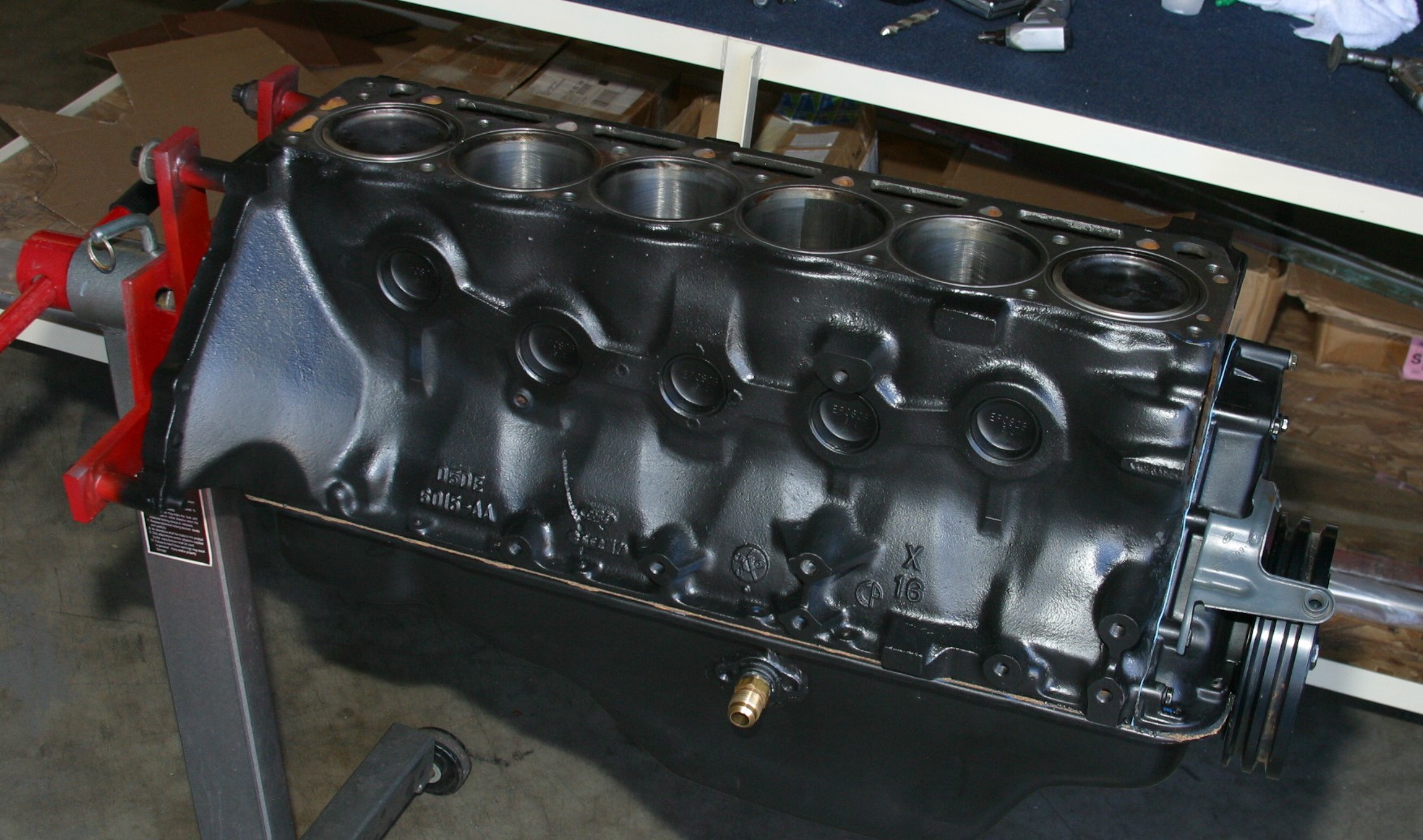
The 144-170-200-250 sixes all look basically the same. The 144 and 170 sixes have three freeze plugs in the block. Early 200 sixes with four main bearings also have three freeze plugs. The seven main bearing 200 six has five freeze plugs. The 250ci six was 1.660 inches taller than the 200 six and came with a four-bolt water pump (the 200 has a three-bolt water pump). The 250 is also 31/44-inch wider than the 170 and 200—not that anyone could see that with the naked eye.
Intake and Cylinder Heads
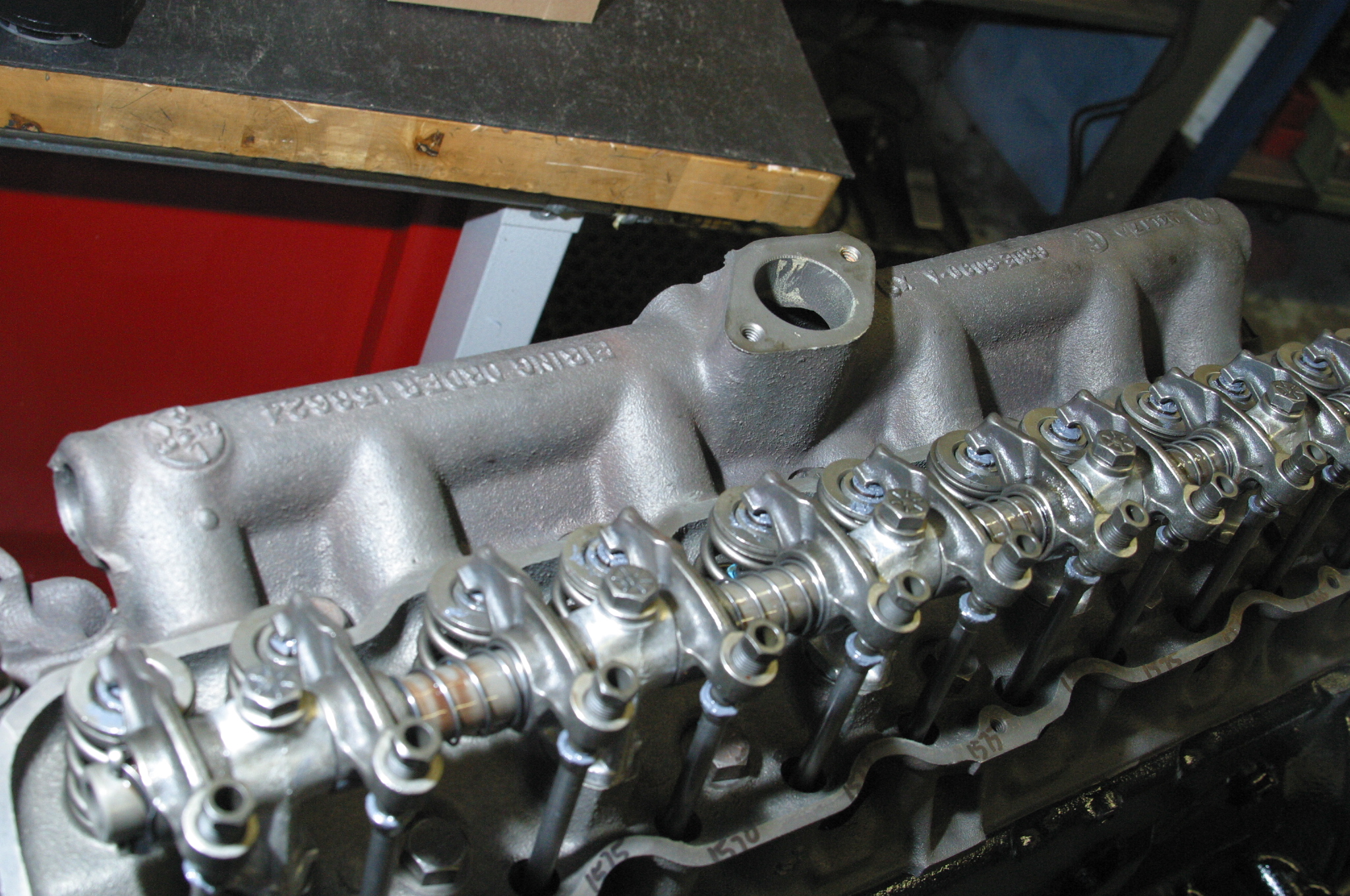
The downside of the 144/170/200 Ford sixes is the intake manifold, which is an integral part of the cylinder head casting. The log-style intake manifold suffered from air and fuel distribution issues, and the troublesome Autolite 1100 carburetor didn’t help. It is a matter of dumb luck if you find an Autolite 1100 that idles smoothly with good throttle response. Ford fixed that problem on the 250 six by using a separate intake manifold and a better carburetor.
The 1977-82 200 cylinder head appears to be the optimum casting. It has 1.760/1.380-inch valves, a bigger carb opening, and more intake manifold runner volume to help improve airflow. Earlier 200 and 250 castings have smaller combustion chambers and higher compression. Enlarging the exhaust ports for better exhaust gas scavenging helps, especially on the 1965 and later heads with the Thermactor emissions system.
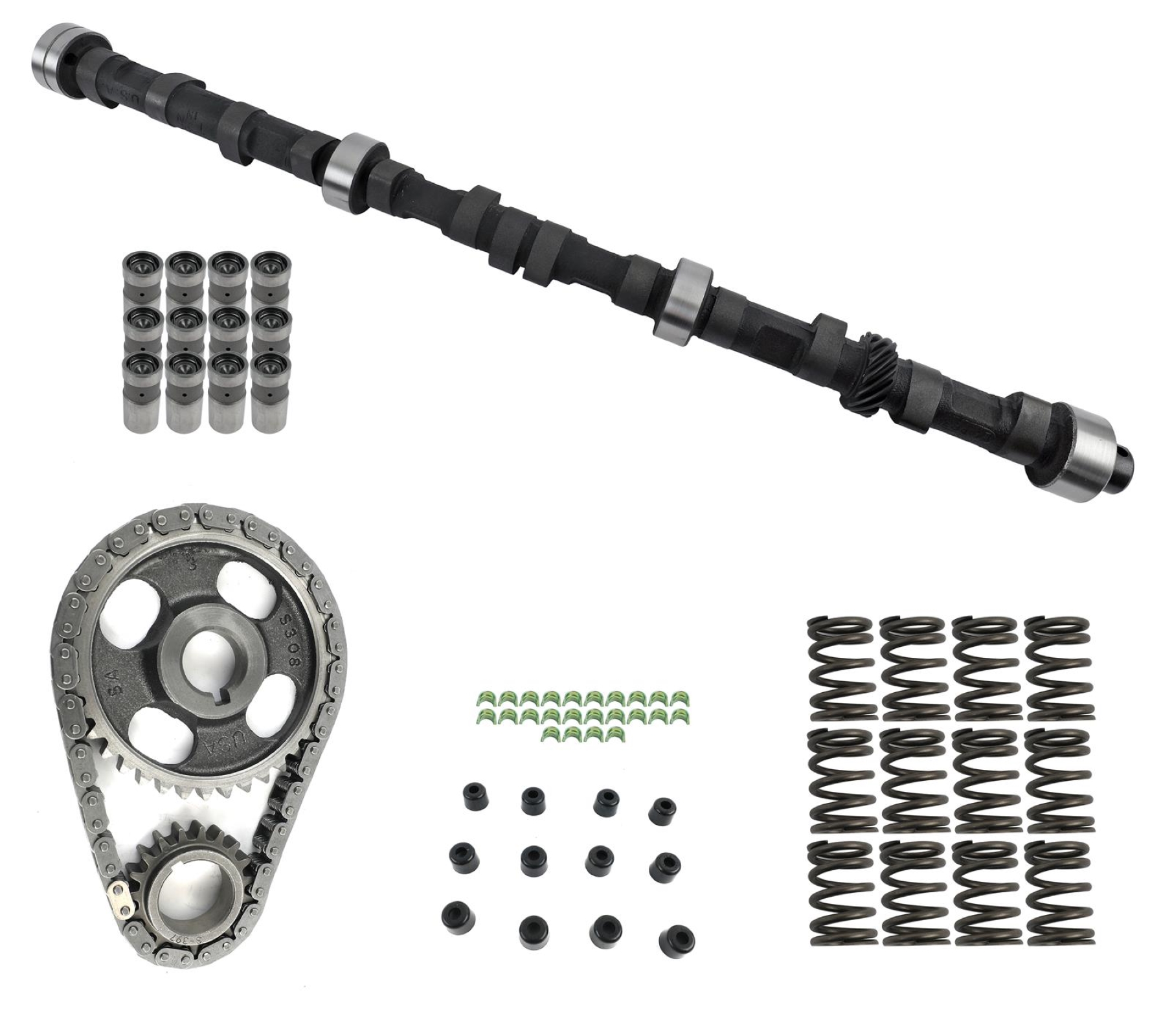
When choosing a cam for a Ford six-cylinder, you’re looking for one that provides a broad torque curve for good street performance. Using valve springs compatible with the camshaft profile is important too. It is best to order a complete camshaft kit that includes matched valve springs.
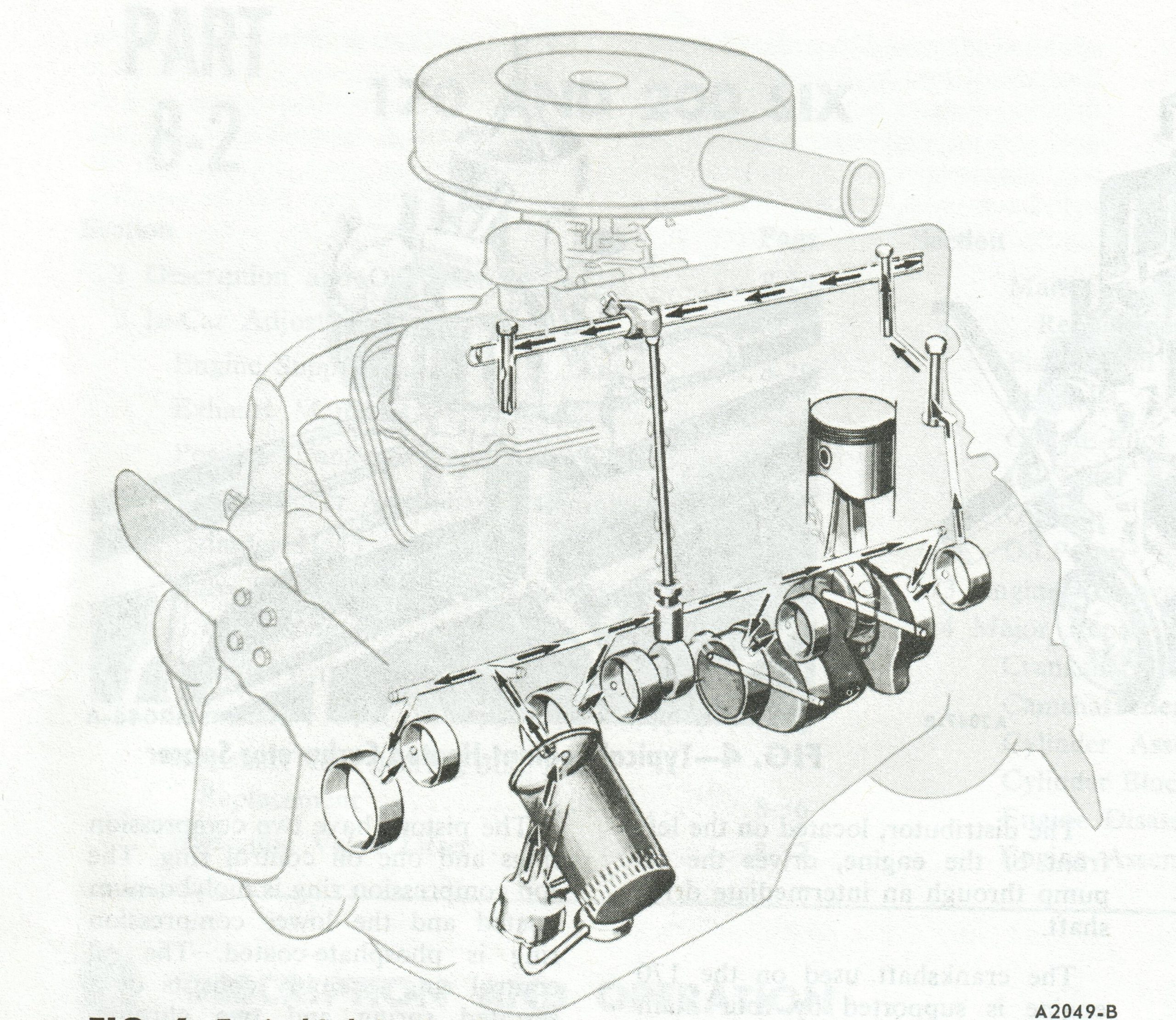
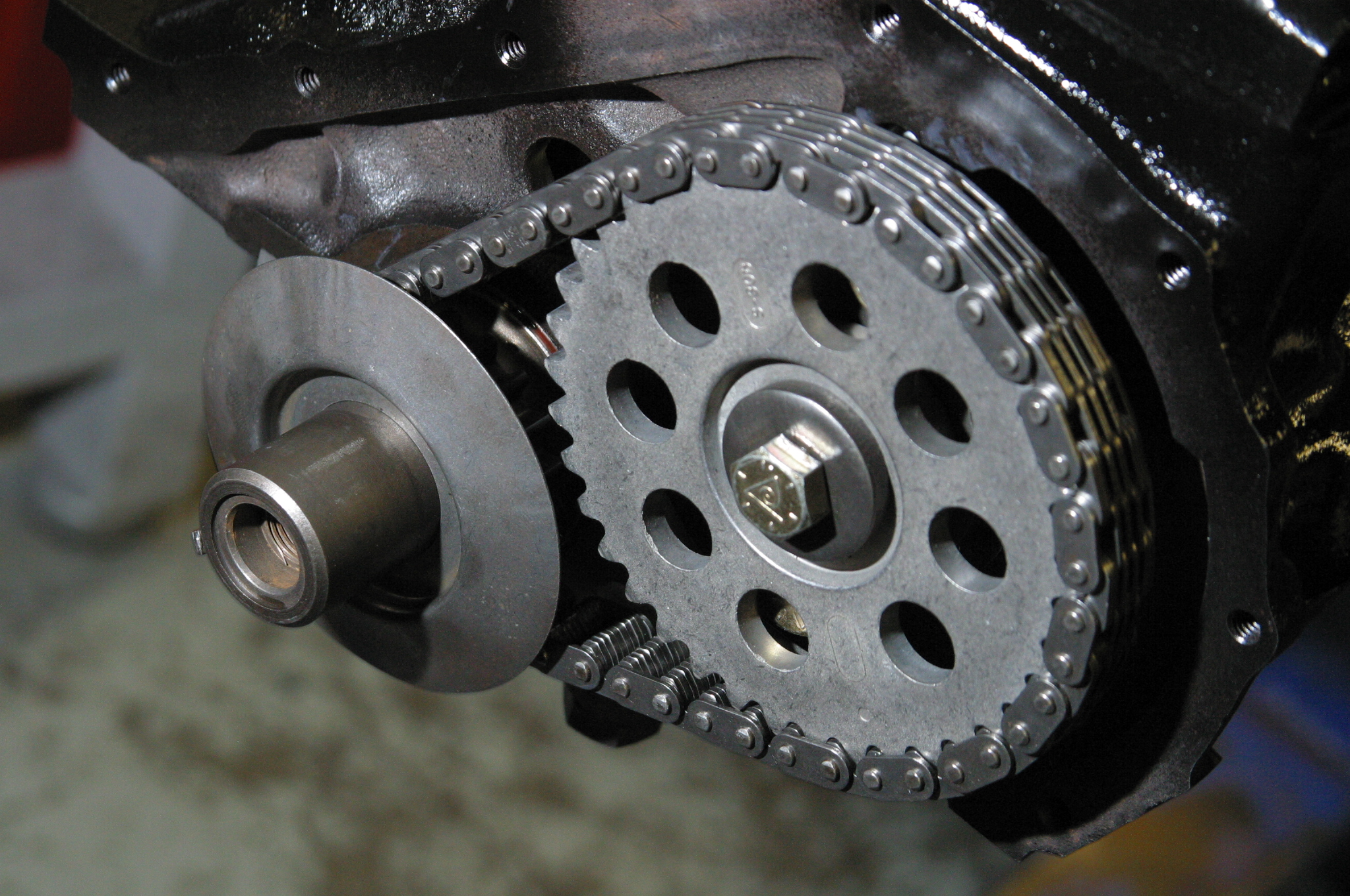
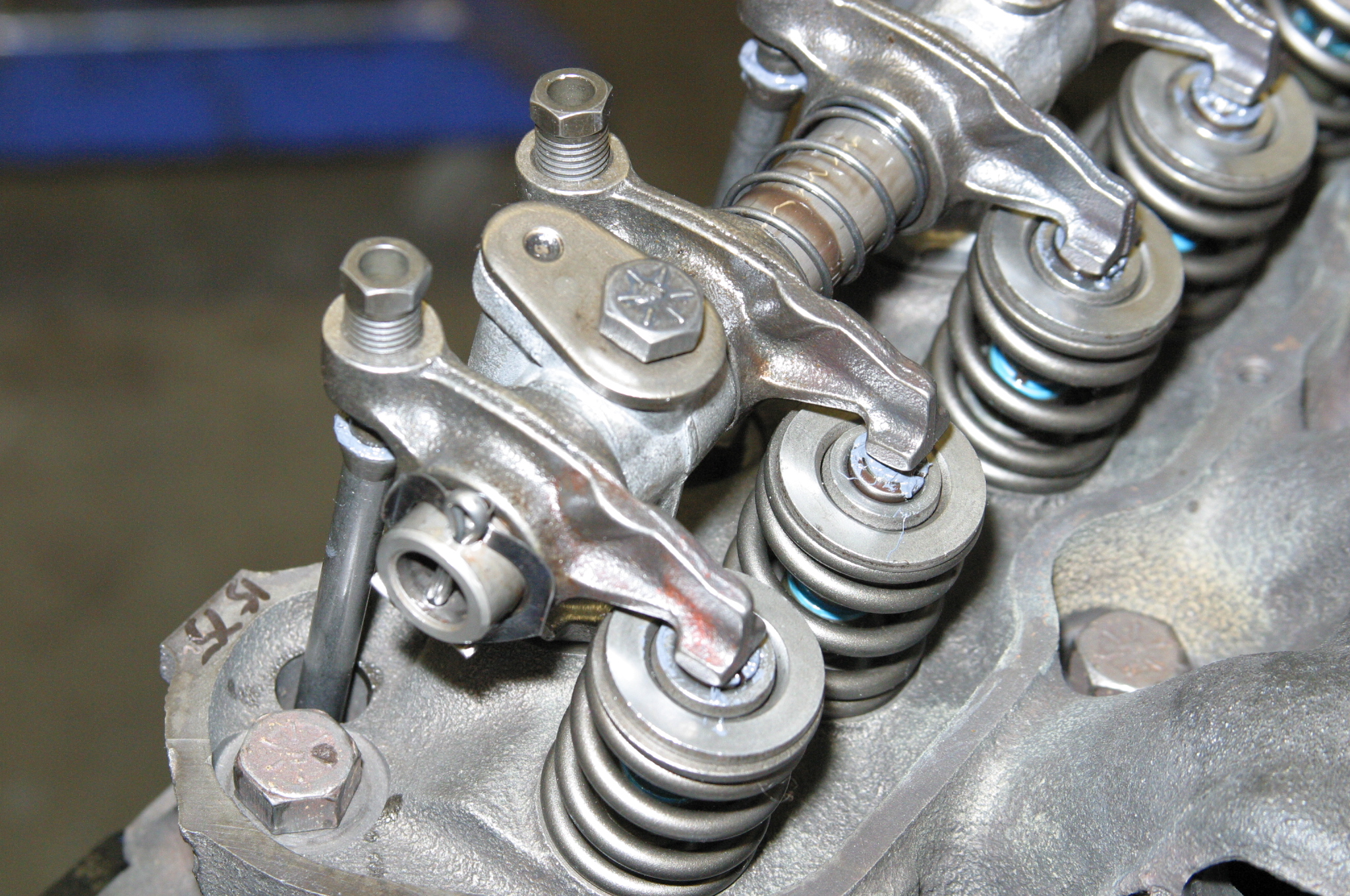
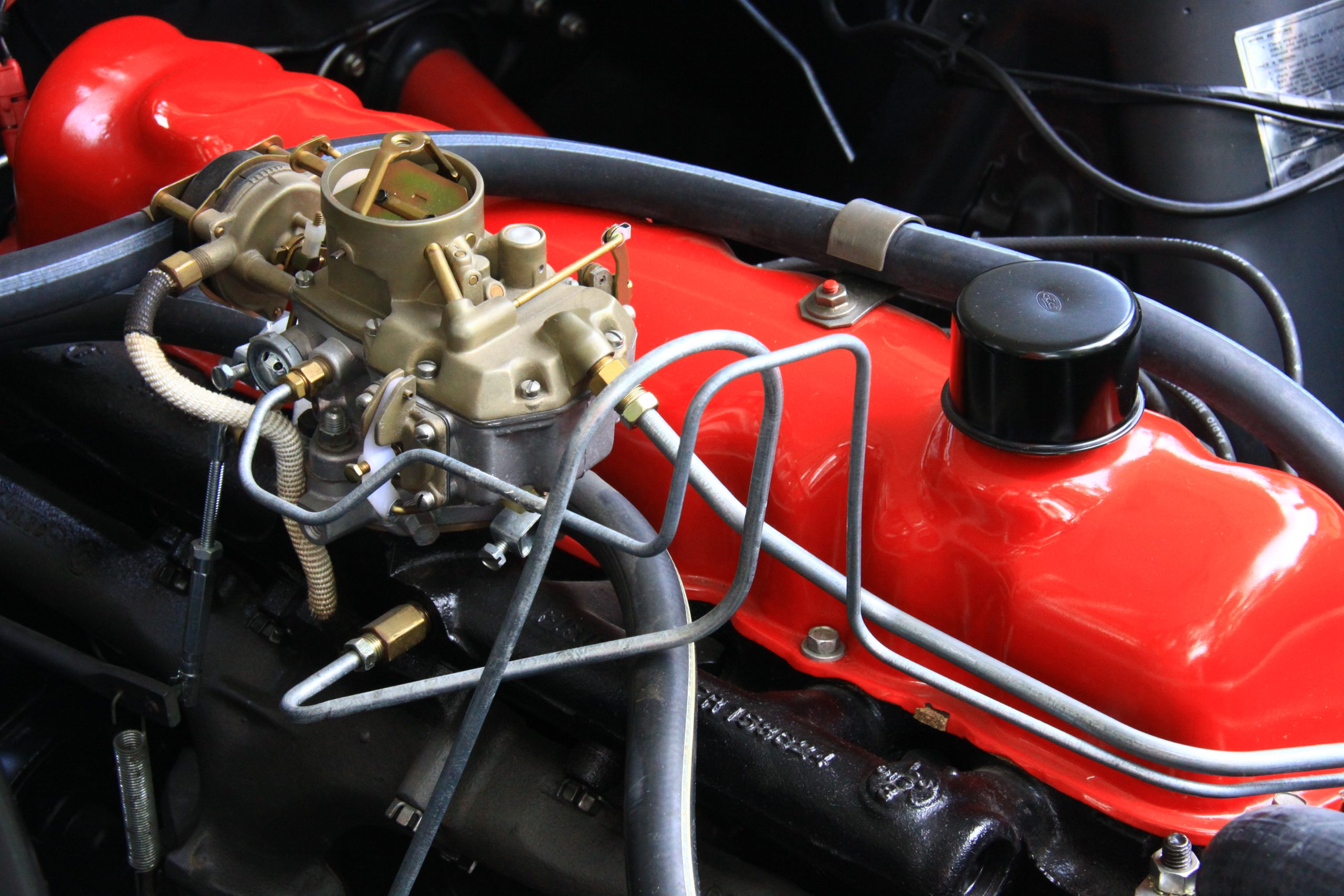
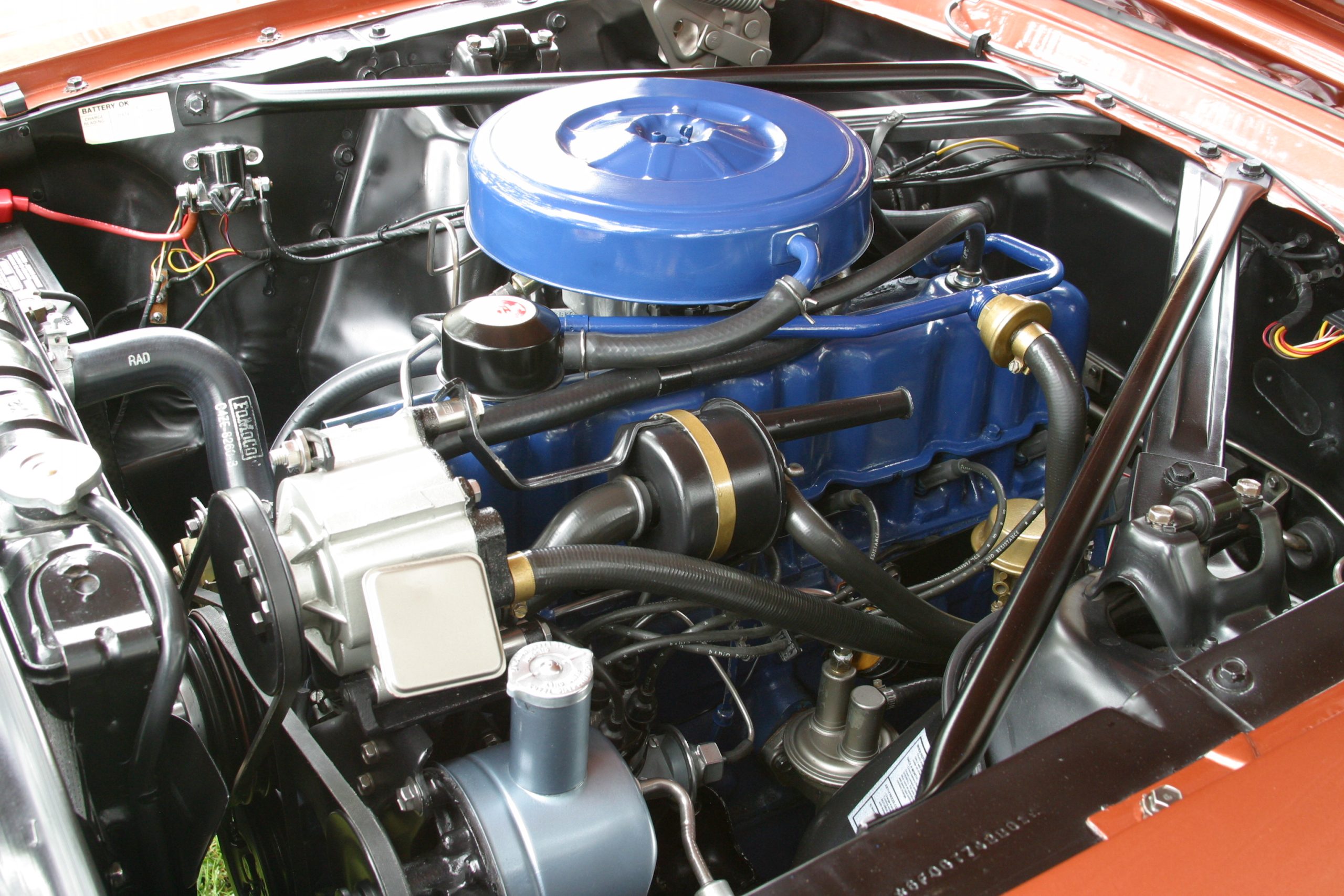
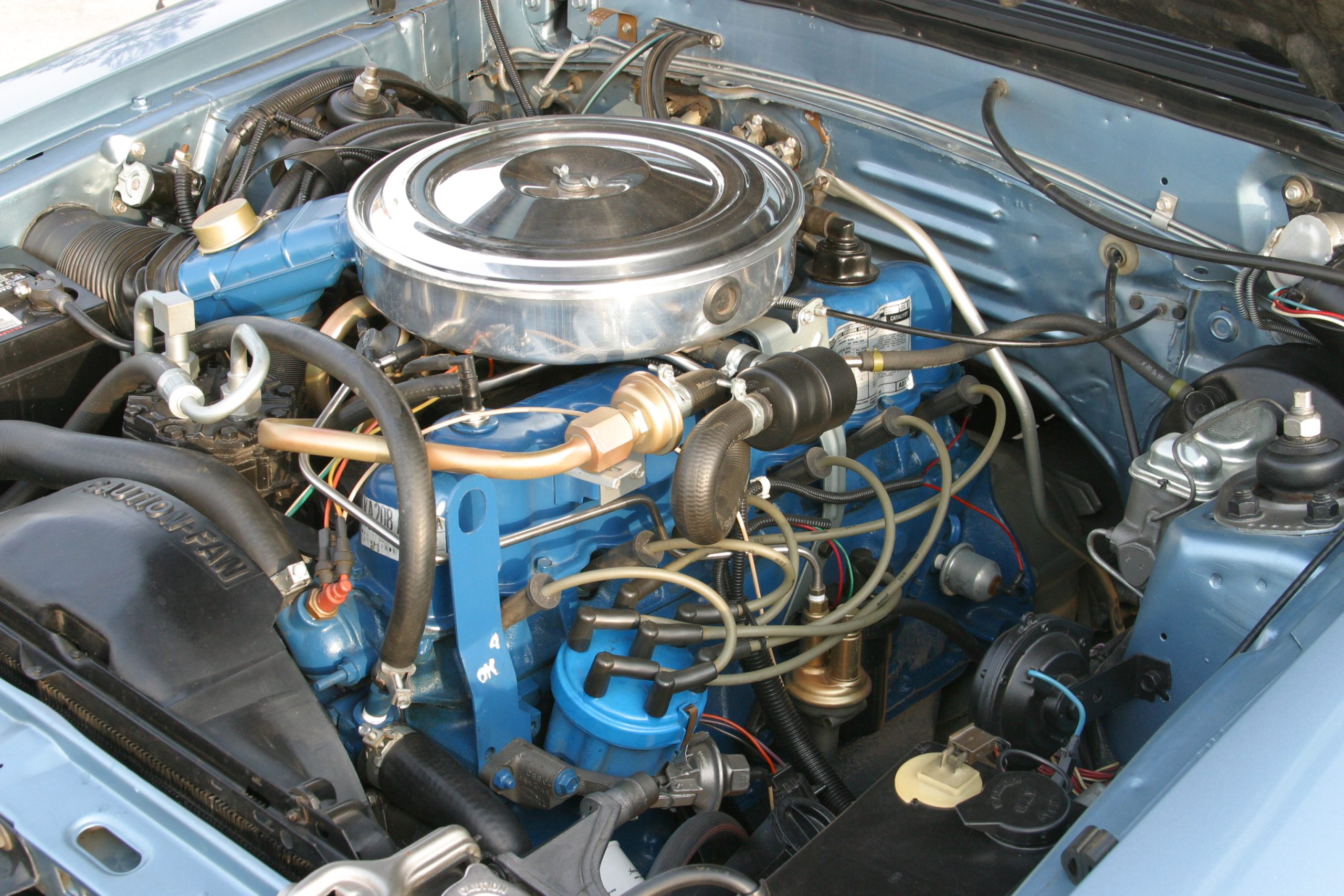
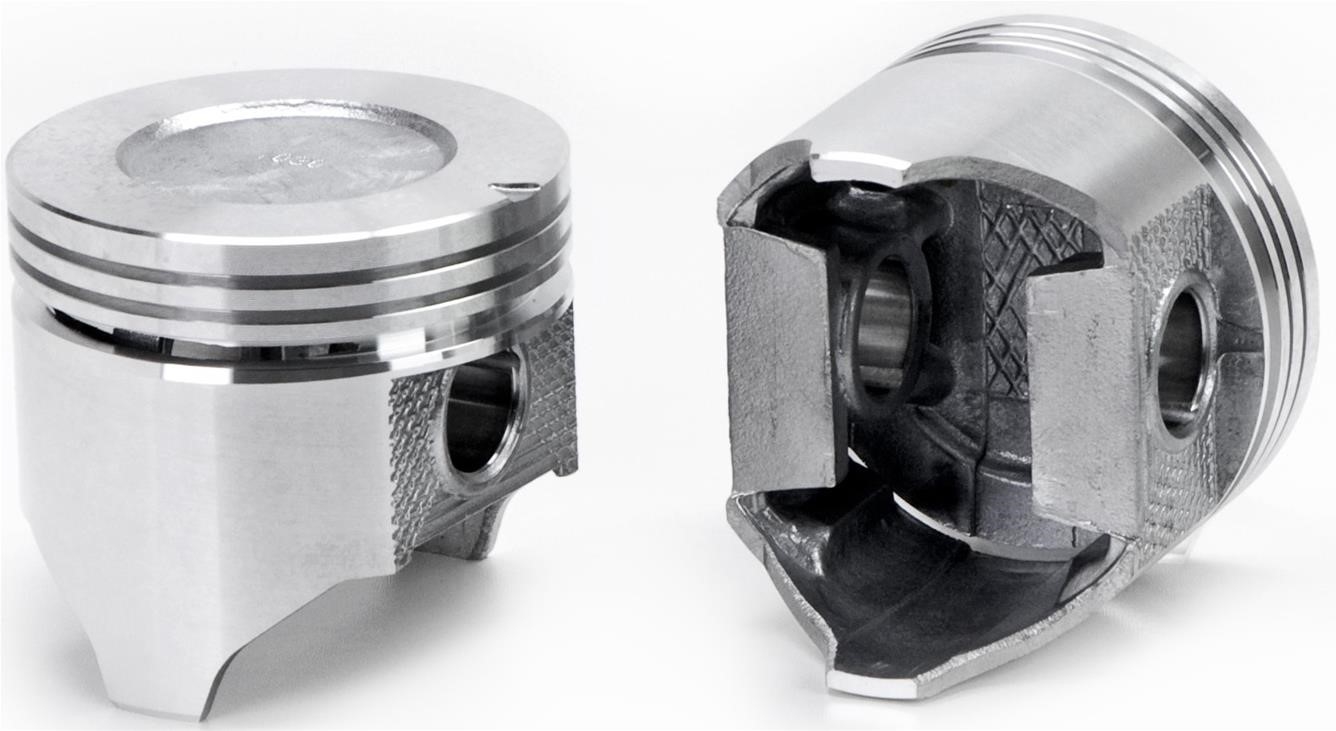
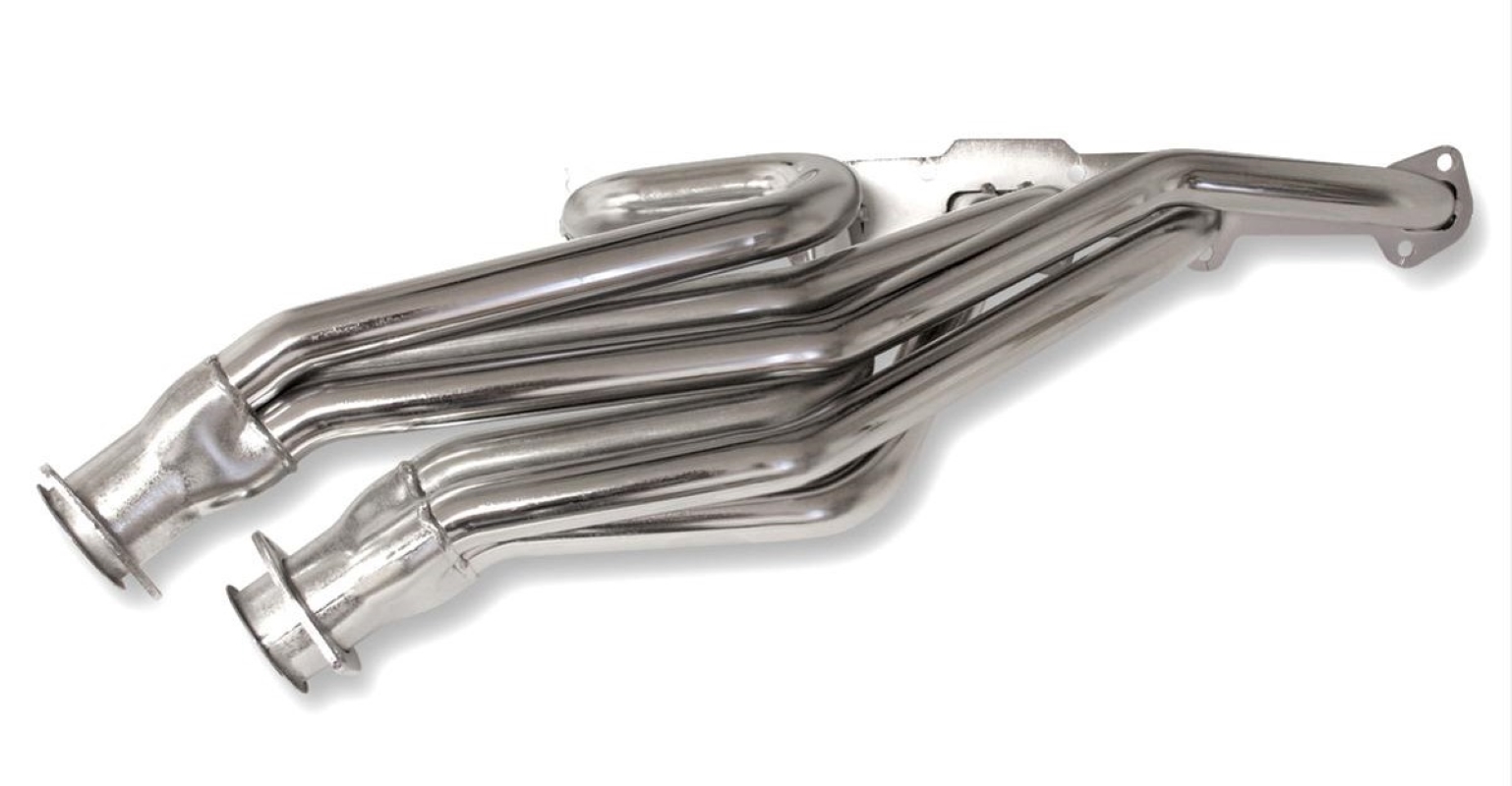
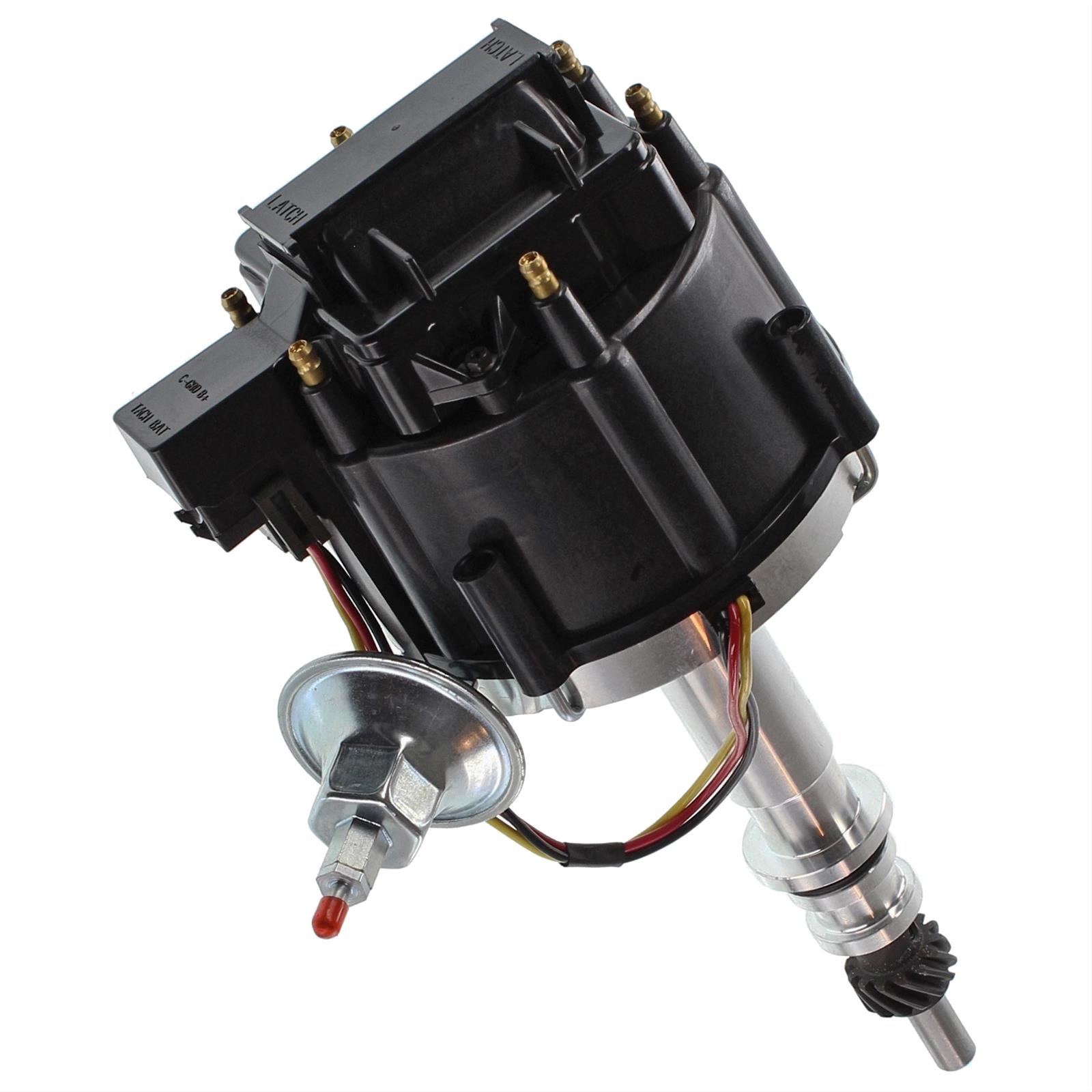
The little Ford six’s legacy began at the cusp of the 1960s with Ford’s new Falcon compact. The only choice for 1960 was the petite 144 cubic inch engine. A 170 cubic inch version became an optional engine for both Falcon and Comet in 1961 and was the standard six in the Mustang from April through July of 1964. (Image/Jim Smart)The 144 and 170 sixes had a lightweight, four-main bearing block. In 1963 Ford redesigned the block for the 200 six by adding three more main bearings and a thicker deck. This eliminated crank oscillation issues which had caused noise, vibration, and harshness problems. (Image/Jim Smart) Block identification is straightforward. The 144, 170, and early 200 blocks have three freeze plugs. The 200 with the redesigned block has five freeze plugs, as does the 250. There are also two freeze plugs at the rear of the block. (Image/Jim Smart)In 1968, Ford created the 250 CID six by raising the 200’s deck some 1.66 inches and increasing crank stroke to 3.910 inches. This added up to a very useful 155 horsepower and 240 lbs.-ft. of torque. The 250 had small block V8-sized main journals, a new cylinder head for improved breathing, and a bolt-on intake manifold. (Image/Jim Smart)The Ford six’s oiling system is simple. The cam and crank journals get oiled first, then the valvetrain. Splash and fog lubrication keep cylinder walls and pistons lubricated. Oil pumps should never be installed out of the box without inspection and pre-lube. Fill the pump cavity with engine assembly lube or SAE 30 weight oil for a good wet startup. (Image/Jim Smart)Older Ford engines like the Falcon six have this oil slinger on the crank to keep timing components lubricated. Engines with a dual-roller timing chain are the exception because the slinger interferes with the chain, which can cause engine damage. (Image/Jim Smart)For reasons of economics, Ford opted to make the cylinder head and intake manifold one integral casting. The log-style manifold was a raw, unmachined casting inside. This was not a great idea in terms of airflow and fuel distribution even in stock form, let alone in a performance application. (Image/Jim Smart)The Ford six valvetrain is similar to the FE Series big blocks. We’ve seen adjustable rocker arms on Ford sixes made through 1967. It appears non-adjustable rocker arms became commonplace beginning in 1967-68. (Image/Jim Smart)Exhaust manifolds are a weak spot and tend to crack. Summit Racing offers Scott Drake Exhaust Manifolds that are nice replacements for the factory unit. You can get one with the standard 1.750-inch outlet flange or a high-flow version with an outlet flange for a two-inch exhaust system. (Image/Jim Smart) The 144 six was initially equipped with a Holley Model 1904 one-barrel carburetor. This was replaced with the Autolite 1100 1V carburetor in 1963, which was not an improvement thanks to idle quality and off-idle response issues. Some of that can be attributed to having the intake manifold sitting right on top of the hot exhaust manifold. Summit Racing offers a Uremco Remanufactured 1100 Carburetor if yours is acting up. (Image/Jim Smart)New for 1966 was Ford’s Thermactor emissions control system. It was designed to meet California emissions standards for manual transmission vehicles, which belch hydrocarbons every time you shifted gears. Thermactor injects air into each exhaust port for a continuous burn of those hydrocarbons. By 1968, nearly every California-delivered vehicle had a Thermactor system. (Image/Jim Smart)This is a 1979 Mustang with a 200 CID six. Ford Germany could not keep up with demand for the Mustang’s optional 2.8L V6, forcing the company to install the 200 towards the end of the model year. Because the engine was already available in the Fox-platform Fairmont, dropping it into the Mustang and Capri was a snap. (Image/Jim Smart)Summit offers many parts including pistons and piston rings; main, rod, and cam bearings; oil pumps; gasket sets; harmonic balancers; and other components to properly rebuild a Ford six. These Silv-O-Lite cast aluminum pistons provide tighter piston-to-wall clearances for better sealing and less blowby. They’re also heat-treated for durability. (Image/Summit Racing)It is best to source a camshaft in kit form to ensure compatible components. This COMP Cams High Energy Cam and Lifter Kit features a hydraulic flat tappet camshaft rated at 212° duration @ 0.50 inch and .440-inch of valve lift. It comes with lifters, matched valve springs, and a timing set. The cam has a 1,000 to 5,000 RPM operating range. (Image/Summit Racing)Install a Holley Sniper Autolite 1100 EFI System on your Ford six and say goodbye to cold start issues, hesitation, vapor lock, and flooding. The system bolts in place of the factory 1100 carburetor, has a self-tuning ECU that’s easy to calibrate, and can support up to 175 horsepower. It comes with the necessary sensors and wiring. Holley even makes a Sniper fuel system that drops into a factory Mustang fuel tank and doesn’t require a return line or a pressure regulator. Hook it up to your factory fuel line and you’re good to go. (Image/Summit Racing)Improving exhaust flow and scavenging can really wake up a Ford six. Summit Racing offers Scott Drake Headers to help you do that. The headers have a six-into-one design with 1.5-inch diameter primary tubes that will outflow the factory iron manifold. You can get a single-outlet header or a dual-outlet version for a dual exhaust system. The headers have a 2.50-inch collector so you will have to fabricate a connector pipe to fit whatever exhaust system you have. (Image/Summit Racing)The Load-O-Matic distributor Ford used on its sixes from 1963 to 1967 is not like conventional distributors. It uses vacuum advance to move the breaker plate depending upon engine load, throttle position, and manifold vacuum. Vacuum advance comes from the spark control valve on the Autolite 1100 carburetor. Change to a different carburetor or add a warmer camshaft and the Load-O-Matic will reward you with drivability issues. The better bet from a performance standpoint is an electronic distributor like Summit Racing’s Blueprinted HEI Distributor. It offers a magnetic pickup, mechanical and adjustable vacuum advance, and a 50,000 volt in-cap coil. (Image/Summit Racing)The Rebuild and Modify Your Ford Inline Six book is a must-have for anyone building a Ford six. It has everything you will need to know from step-by-step rebuilding instructions to performance upgrades. (Image/Jim Smart)
Jim Smart is a veteran automotive journalist, technical editor, and historian with hundreds of how-to and feature articles to his credit. Jim's also an enthusiast, and has owned and restored many classic vehicles, including an impressive mix of vintage Ford Mustangs.
Comments
5 responses to “Ford’s Game-Changing Post-War Engines: The 144-170-200-250 Inline Sixes”
Hello, I need to accurately degree the cam in a ‘65 200. I have a crank socket/degree wheel mount for a different engine. It
measures just over 1-1/4. 1.257”.
Question is, what size is the 200
crank snout?





I am trying to find a spacer plate for a carburetor for a 68-69 300 cid motor
Hey Hector, you’ll find plenty of carb spacer options here.
Hello, I need to accurately degree the cam in a ‘65 200. I have a crank socket/degree wheel mount for a different engine. It
measures just over 1-1/4. 1.257”.
Question is, what size is the 200
crank snout?
Hallo
Wir mein 1964 Ford Mustang und ich suchen einen komplett revidierten 6 Zylindermotor mit 170 cui
evtl auch mit passendem revidierten 4 Gang Getriebe.
Hallo
Wir mein 1964 Ford Mustang und ich suchen einen komplett revidierten 6 Zylindermotor mit 170 cui
evtl. auch mit passendem revidierten 4 Gang Getriebe.