
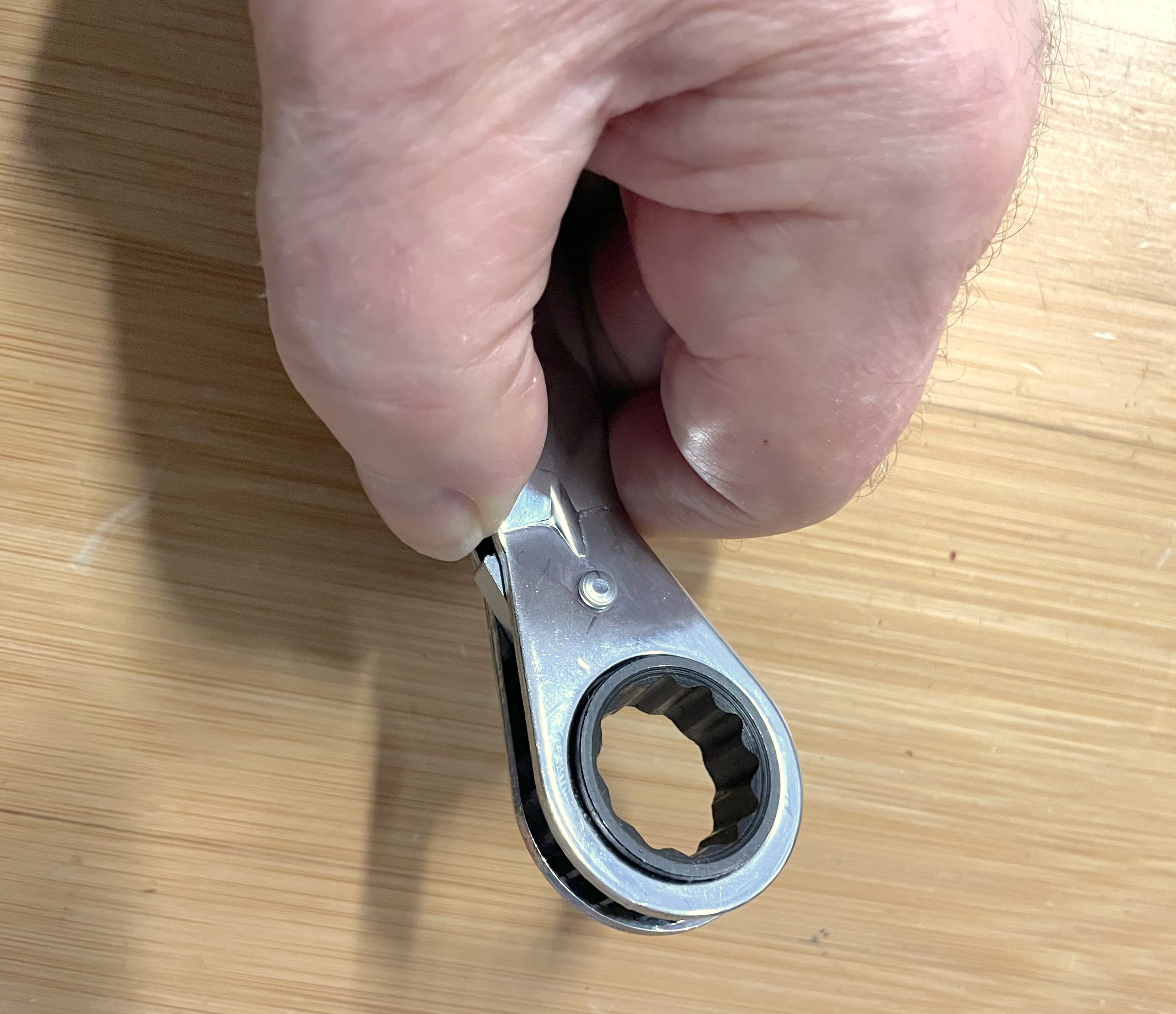
After you’ve been twisting wrenches for more years than you care to count, finding tools that can make your life easier is very appreciated. One of those tools is the ratcheting box end wrench. As the name implies, these wrenches have the box end fitted with a ratcheting mechanism.
The first thing most people ask is why they need one instead of a regular combination wrench or a regular ratchet and socket. Simple—ratcheting box end wrenches are tailor-made for places where there’s no room for a ratchet, even a small 1/4-inch drive setup.
Story Overview
- Ratcheting box wrenches are perfect for confined areas with little space to swing a regular combination wrench
- Ratcheting box wrenches tighten or loosen bolts and nuts much quicker than combination wrenches
- Ratcheting box end wrenches are available with six- or 12-point heads in a number of configurations
You can stick with a good old-fashioned combination wrench if you want. But if there’s no room to get a good swing on the fastener, you might end up using the open end of the wrench every second turn or so. This can be an invitation to rounding off the head of a fastener. That’s why box ends are preferred.
The beauty of ratcheting box end wrenches is speed. They’re often the choice of pros where time is money. If you have a lot of long fasteners that need to be tightened quickly and you can’t get a ratchet and socket on them, this is the tool for the job.
The ratcheting mechanisms are not really designed to loosen a tight fastener or fully torque one to spec. You’re supposed to break the fastener loose with a regular box end wrench, then ratchet it out. It’s possible to break the tool with excessive force, but I’ve never had a ratcheting box end wrench fail. Then again, I never really tried too hard!
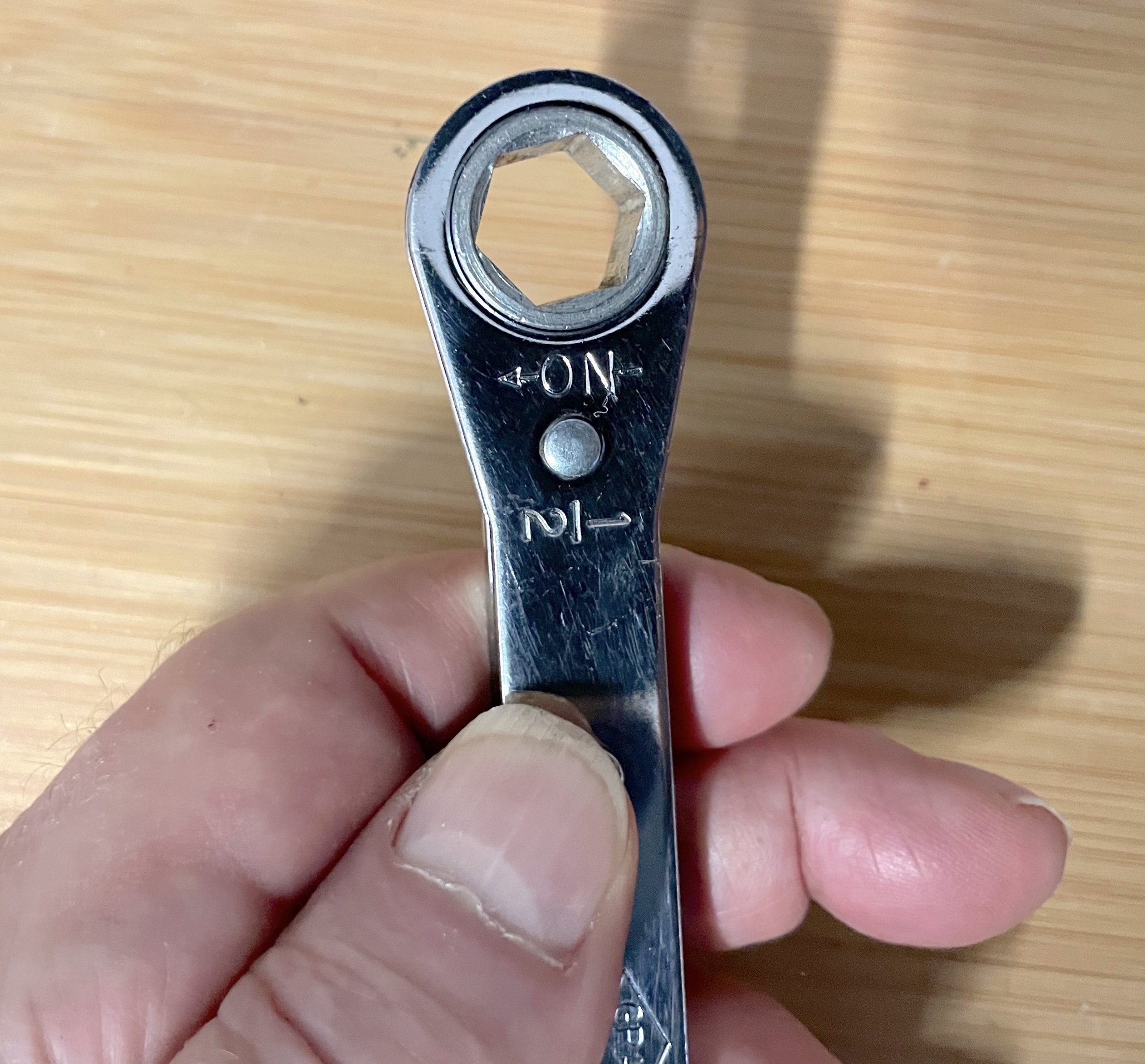
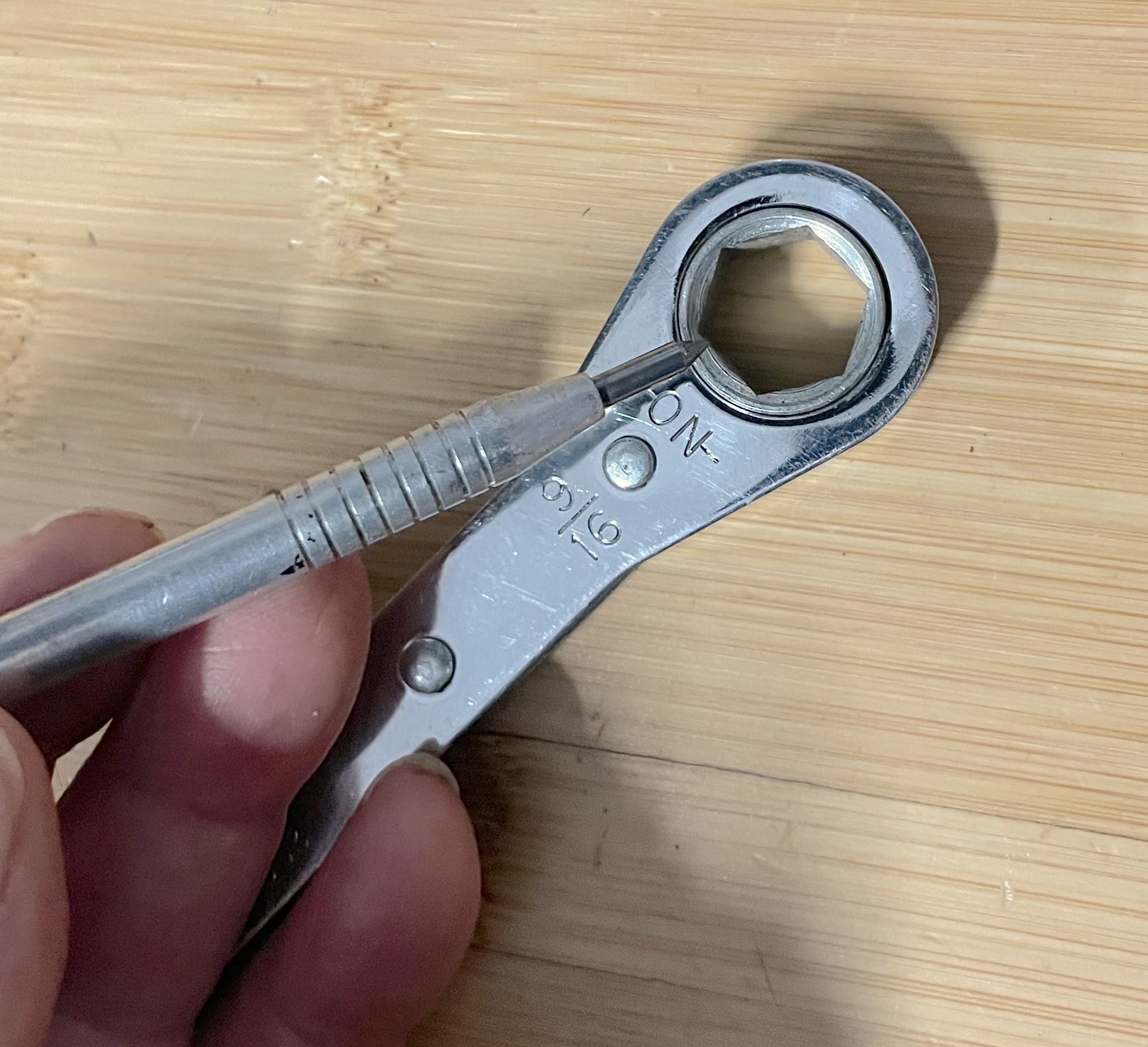
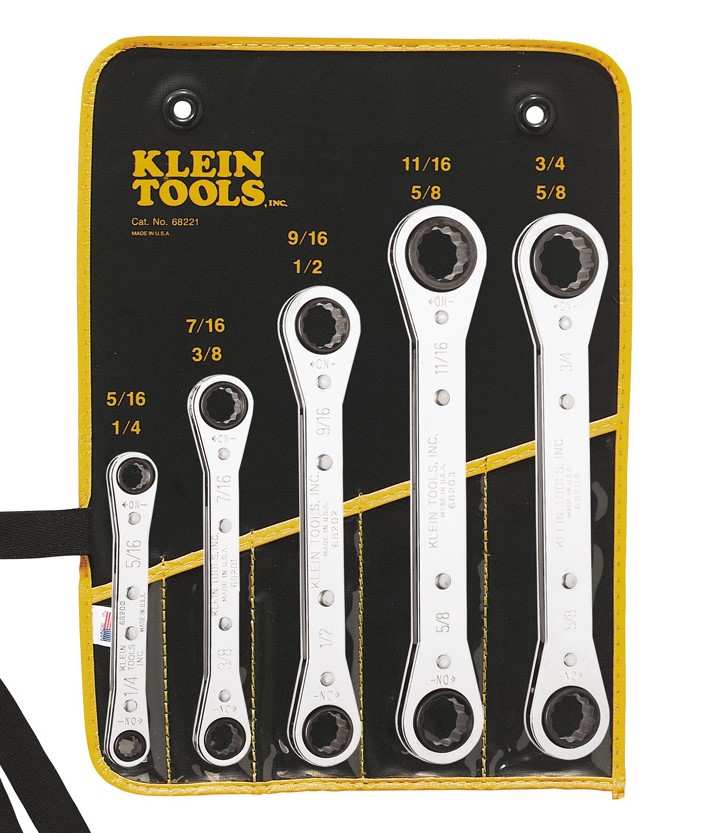
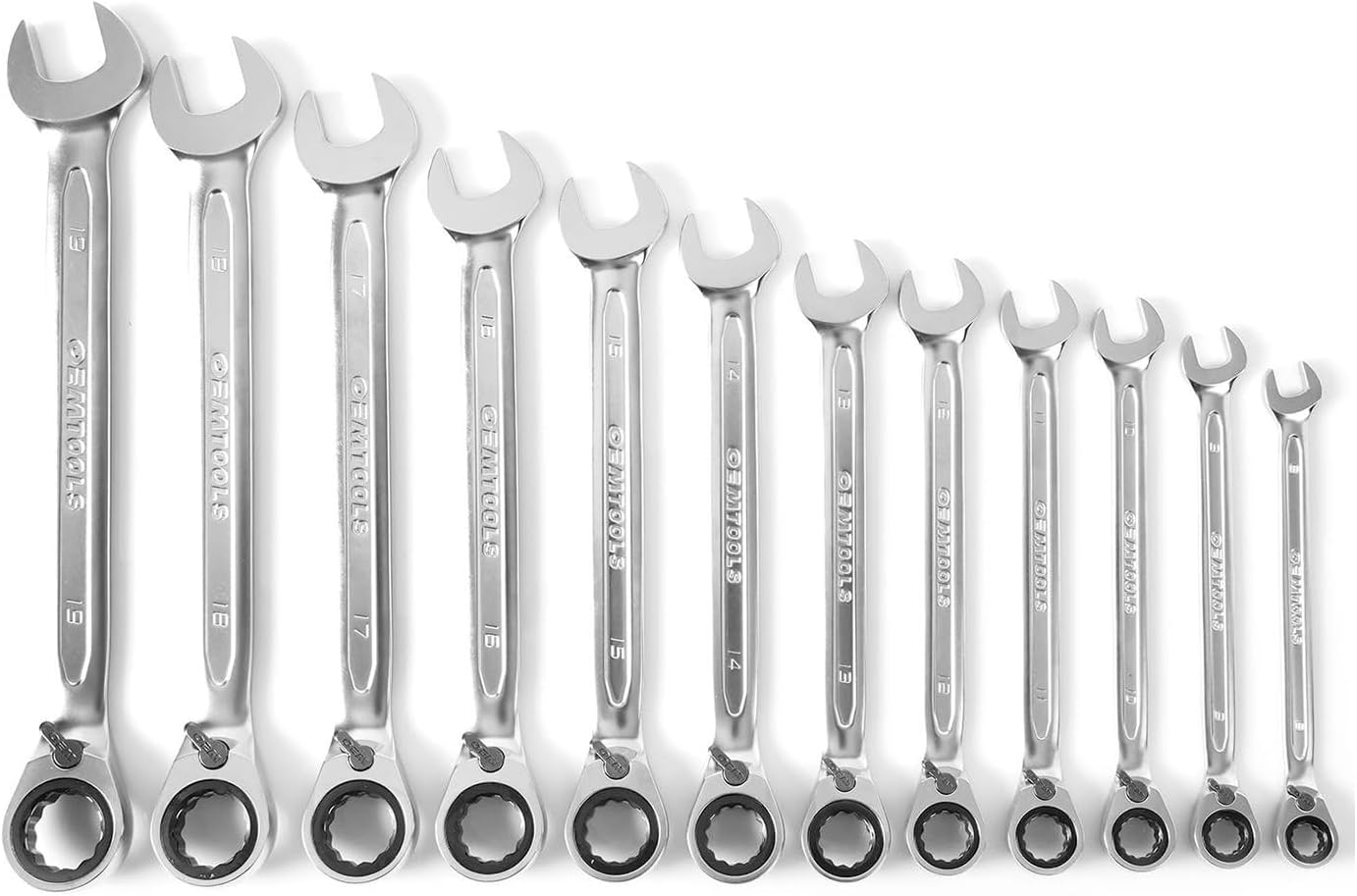
Ratcheting box end wrenches are made with a couple of reversing mechanisms. Some have a little lever you engage to change from loosen to tighten. Others have no lever—you just the flip the wrench over. The face of the wrench is engraved with the direction of rotation.
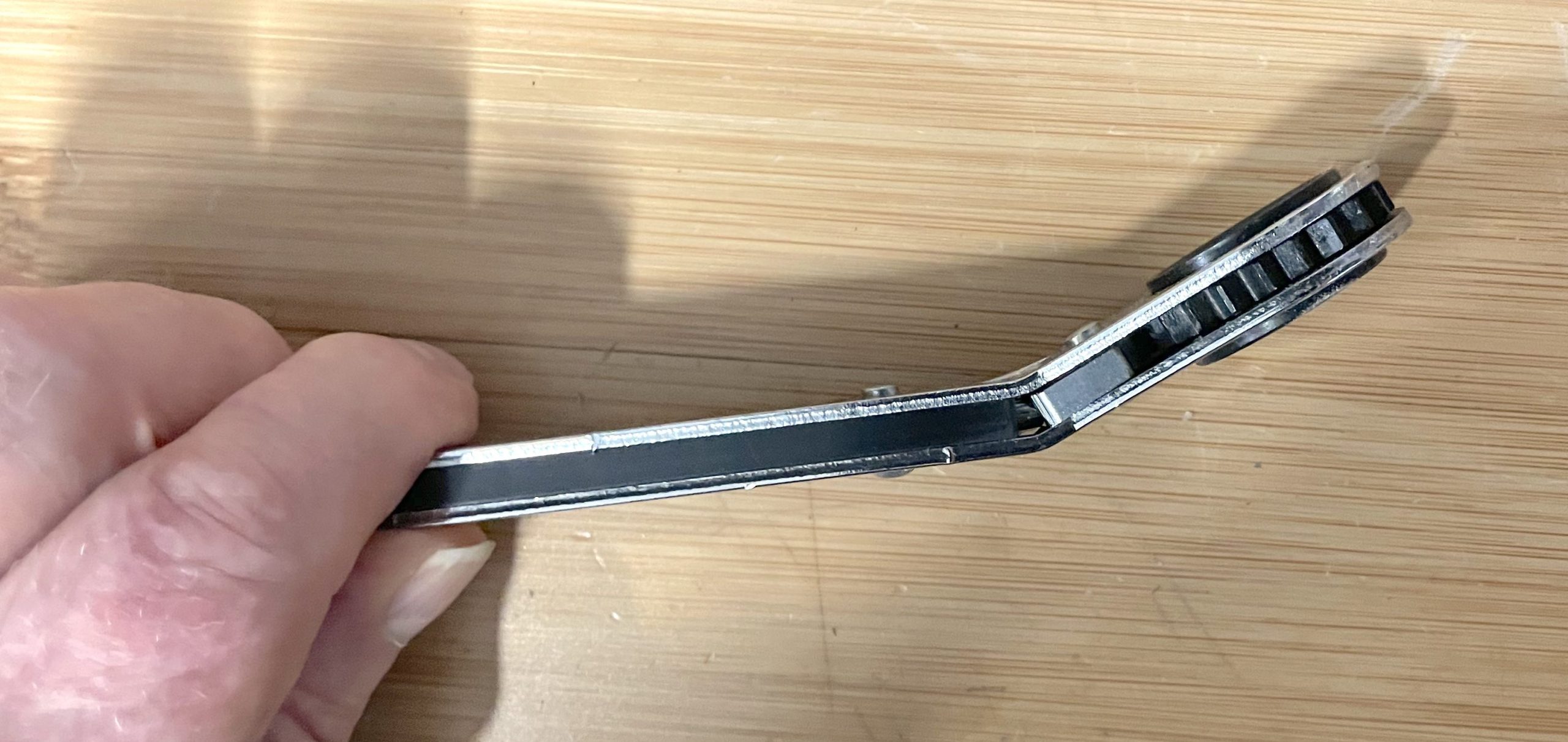
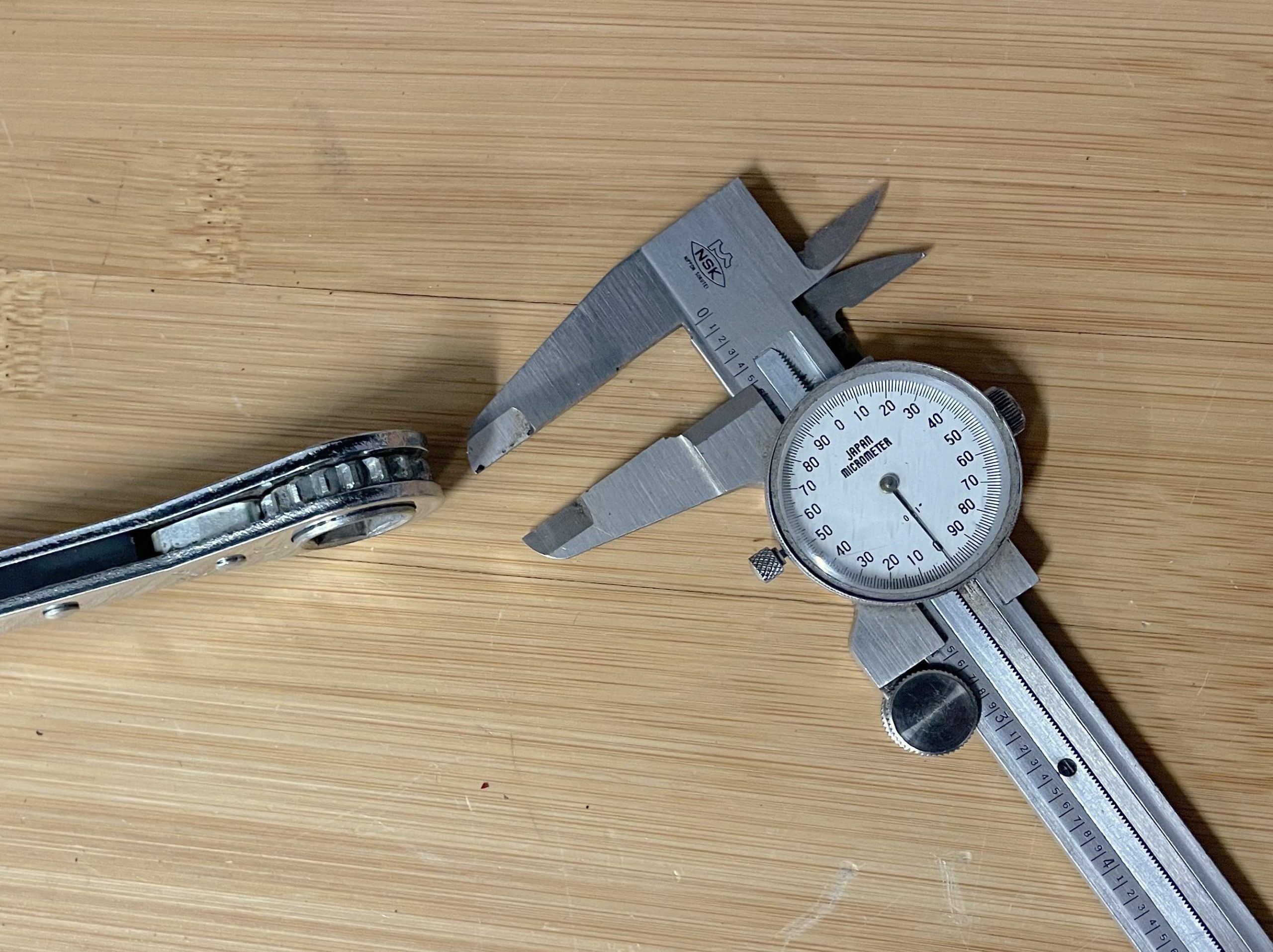
The typical ratcheting box end wrench is quite a bit larger than a conventional box end one. I compared the thickness and width of some examples from my toolbox. Fourteen millimeter and 9/16-inch ratcheting wrenches are 0.500-inch thick. Standard box wrench thicknesses ranged from 0.240-inch to 0.380-inch. The ratcheting wrenches are also wider.
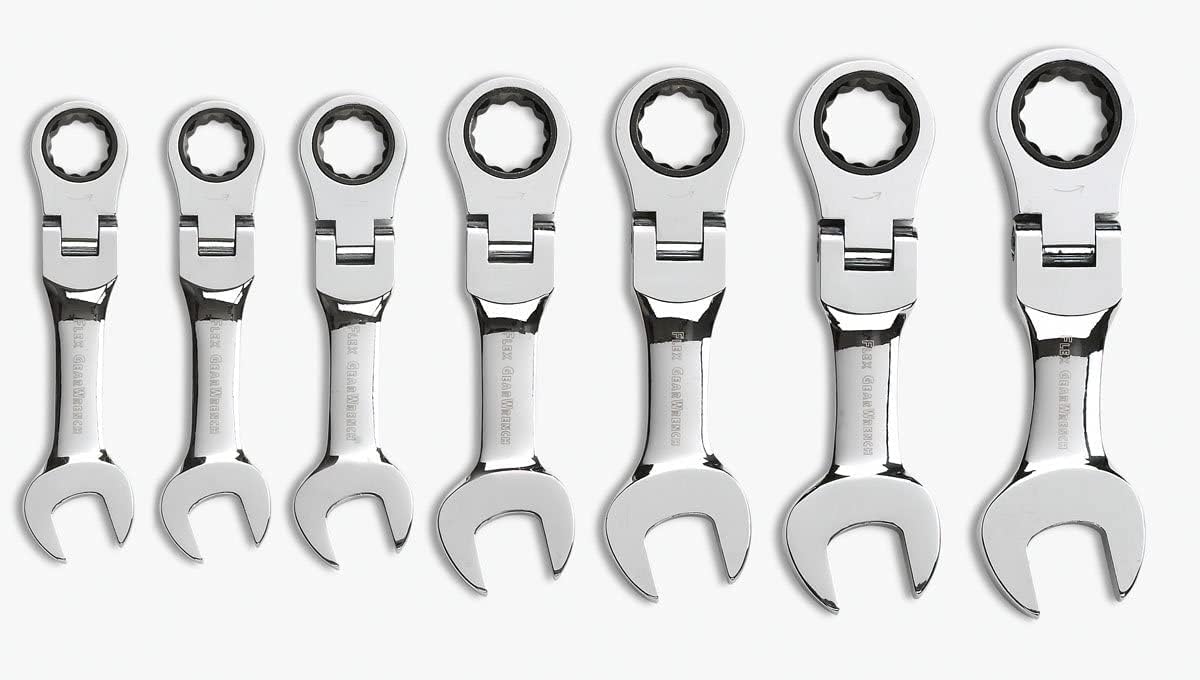
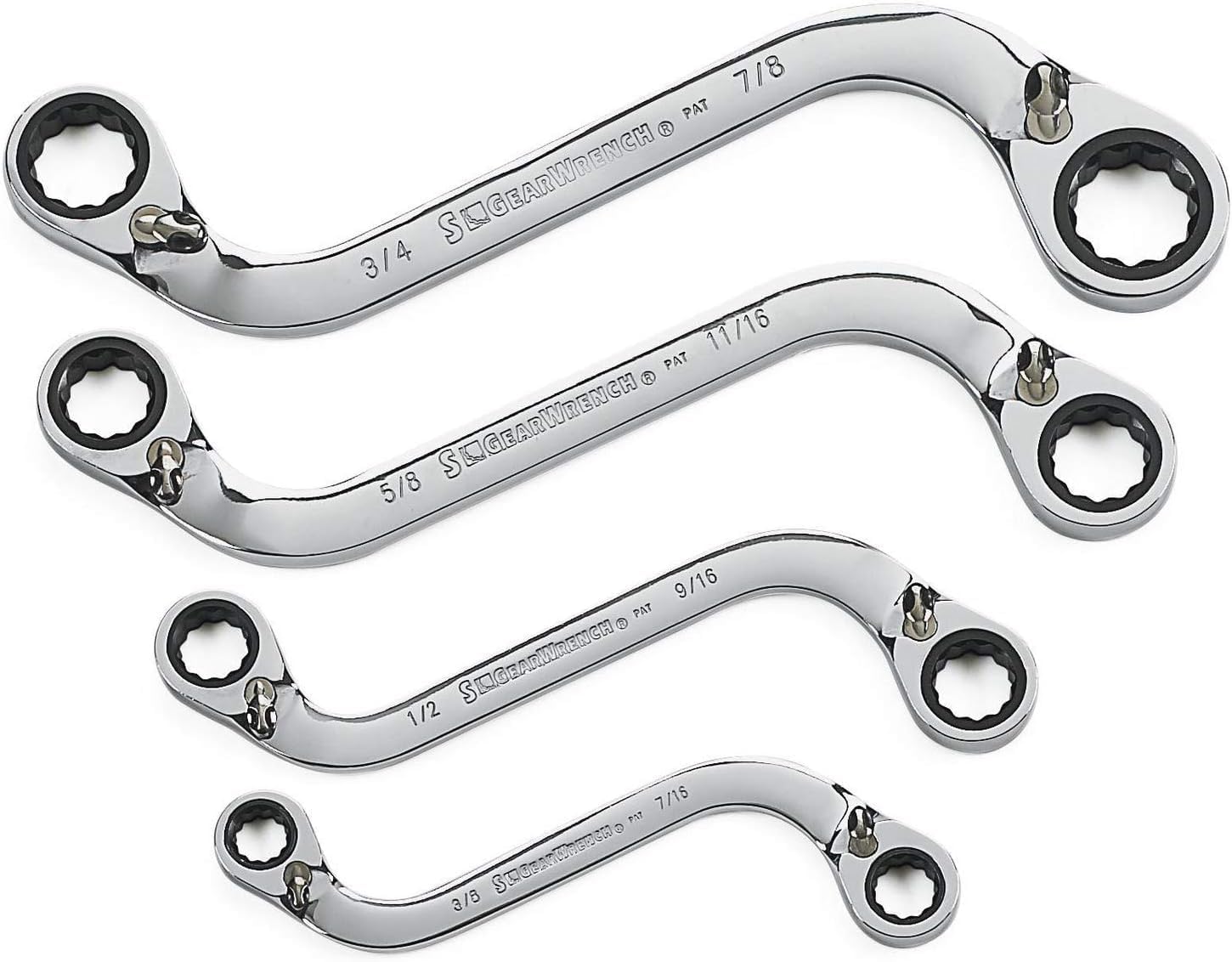
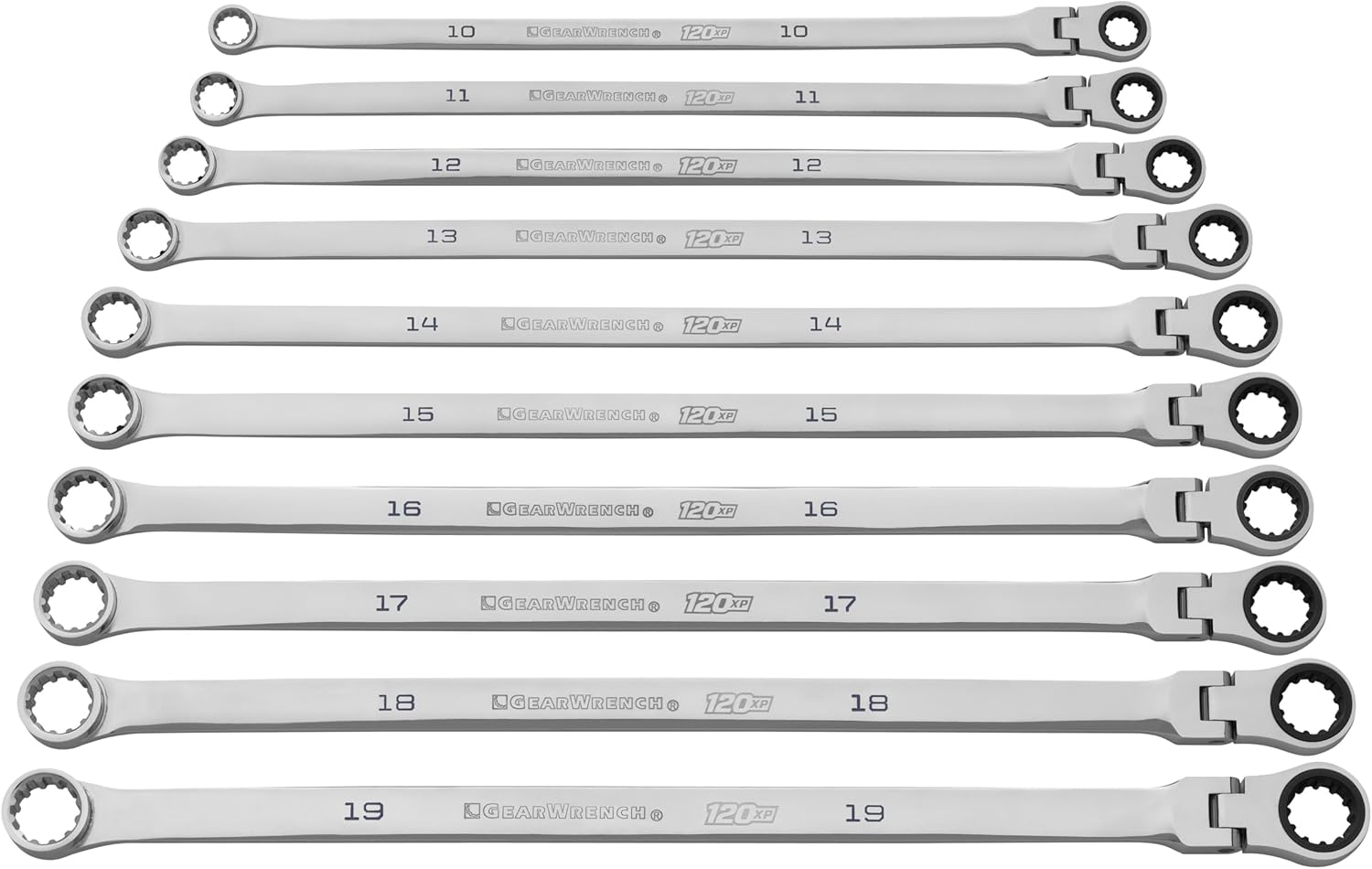
There are several ratcheting wrenches and wrench sets on the Summit Racing website. Let’s take a look at some examples.


Comments