
Something I never used to think much about were cutting tools for my garage. I’d normally use a worn-out pair of scissors and repurpose a set of snips for the job at hand. Those tasks usually meant cutting something that wasn’t metal—a piece of weatherstrip or carpet, for example.
All too often, the end result was a botched job, damaged skin, or both. I was re-educated in a heartbeat when laying carpet in my old Nova. It was custom-fit (press molded) carpet but even those require a lot of cutting and fitting. Those old snips and scissors just weren’t getting the job done.
Story Overview
- Using quality scissors, snips, and utility knives make upholstery and other tasks come out better
- Large combination snips work on multiple materials including thin aluminum and plastic
- Curved scissors helps negotiate curves and for cleaner cuts
- Aviation snips are available in straight, right-hand, and left-hand cut versions
Lucky for me, my late wife was a great seamstress. I borrowed some of her older, unused scissors to help get the job done. But I still needed some heftier, automotive grade cutting tools for similar tasks, like fitting sound deadener in my 1971 Corvette’s interior.
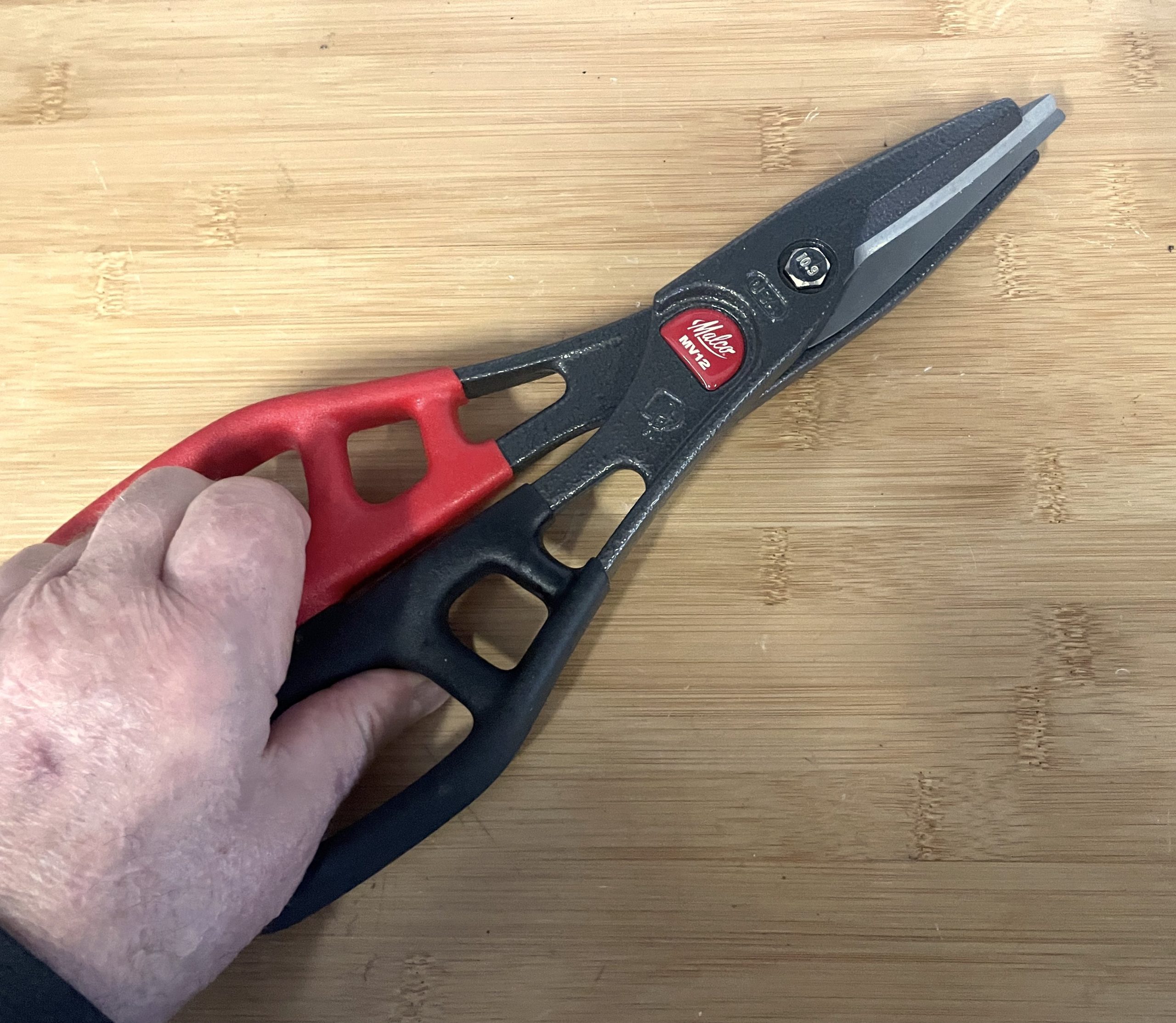
The big Kahuna in my collection are Malco ‘Andy’ Snips. These US-made snips work on tin, vinyl, aluminum, plastic, and leather. They’ll even cut plastic bumper fascias. The three-inch carbon steel blades can make neat, large diameter circular cuts too.
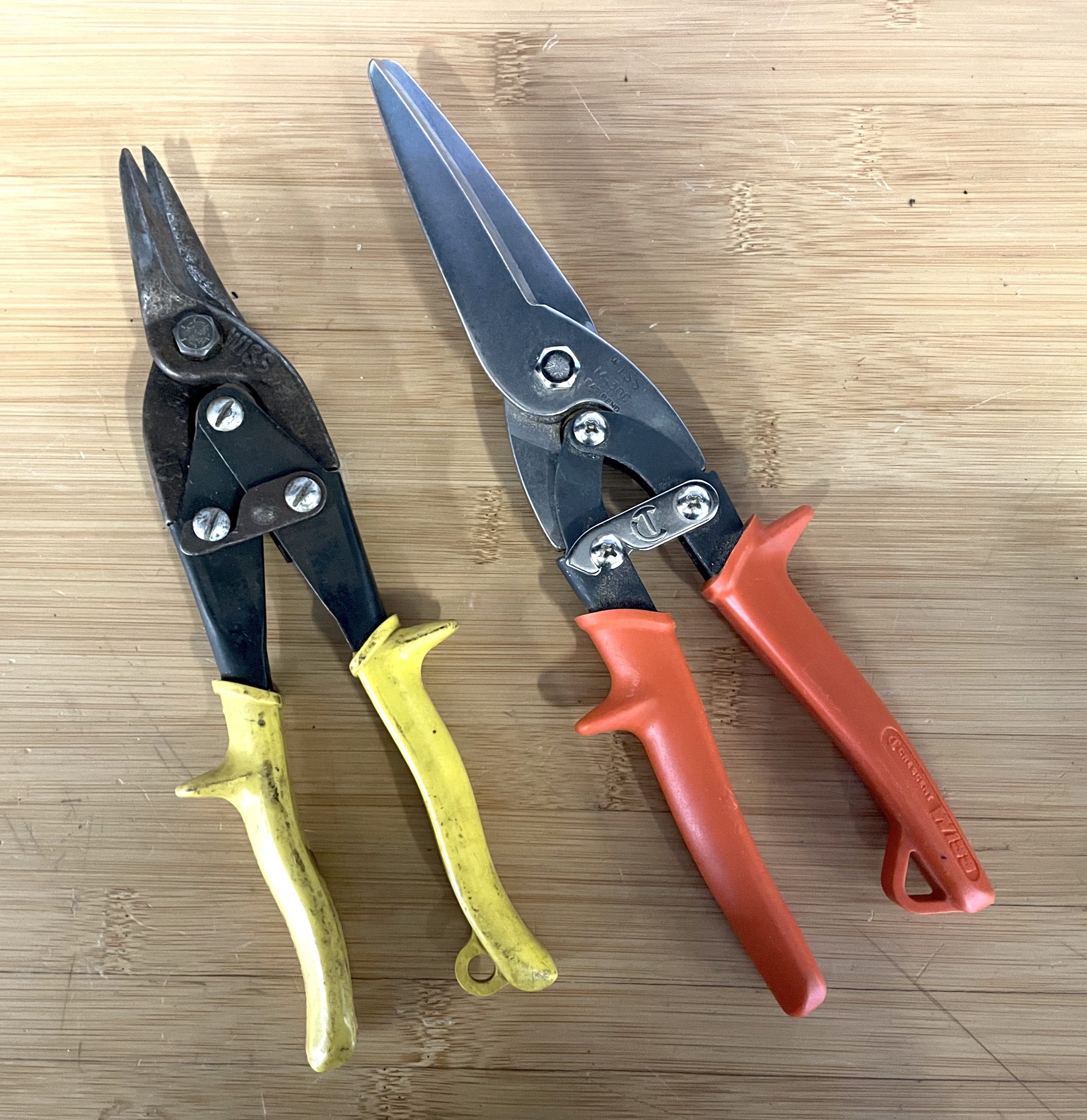
I also have an array of aviation snips in my toolboxes. Many can slice through 18-gauge steel or 22-gauge stainless as well as many other materials. These are go-to cutting tools for many jobs.
I have a pair of Klein scissors that look normal from the front but are curved when flipped sideways. The curve actually improves the overall handling, particularly when cutting a bend. This is because the blades stay inline with the material, which makes for a much cleaner cut. Curved scissor are great for upholstery work and other lighter, non-metal cutting chores.
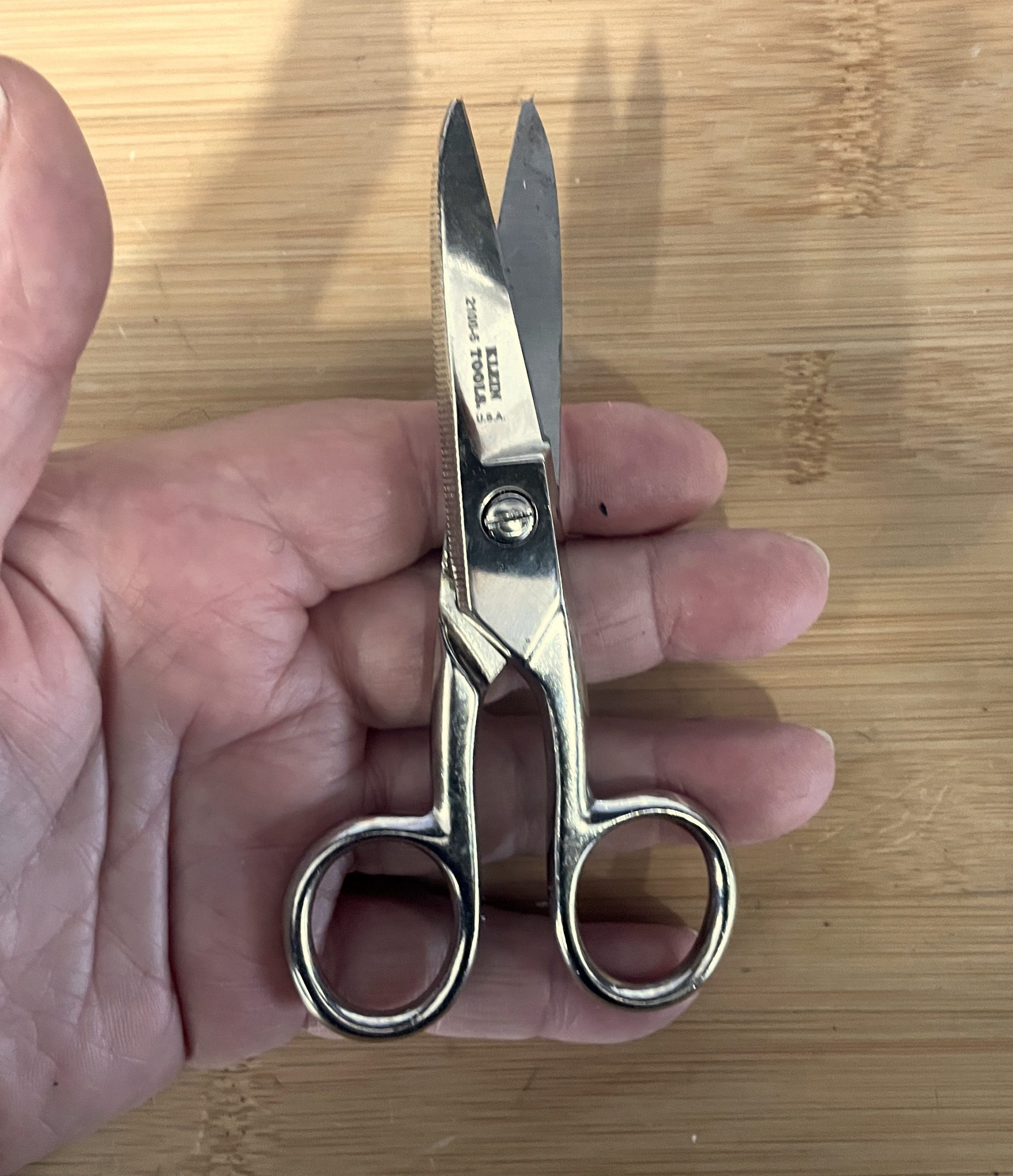
A set of Klein Electrician’s Scissors are the ones I use most often. Built from tempered steel, they’re compact at 5.25 inches in overall length and have a cutting length of 1 7/8 inches. The normal end user is an electrician or telecom repairman, but boy, do they work well for car related tasks.
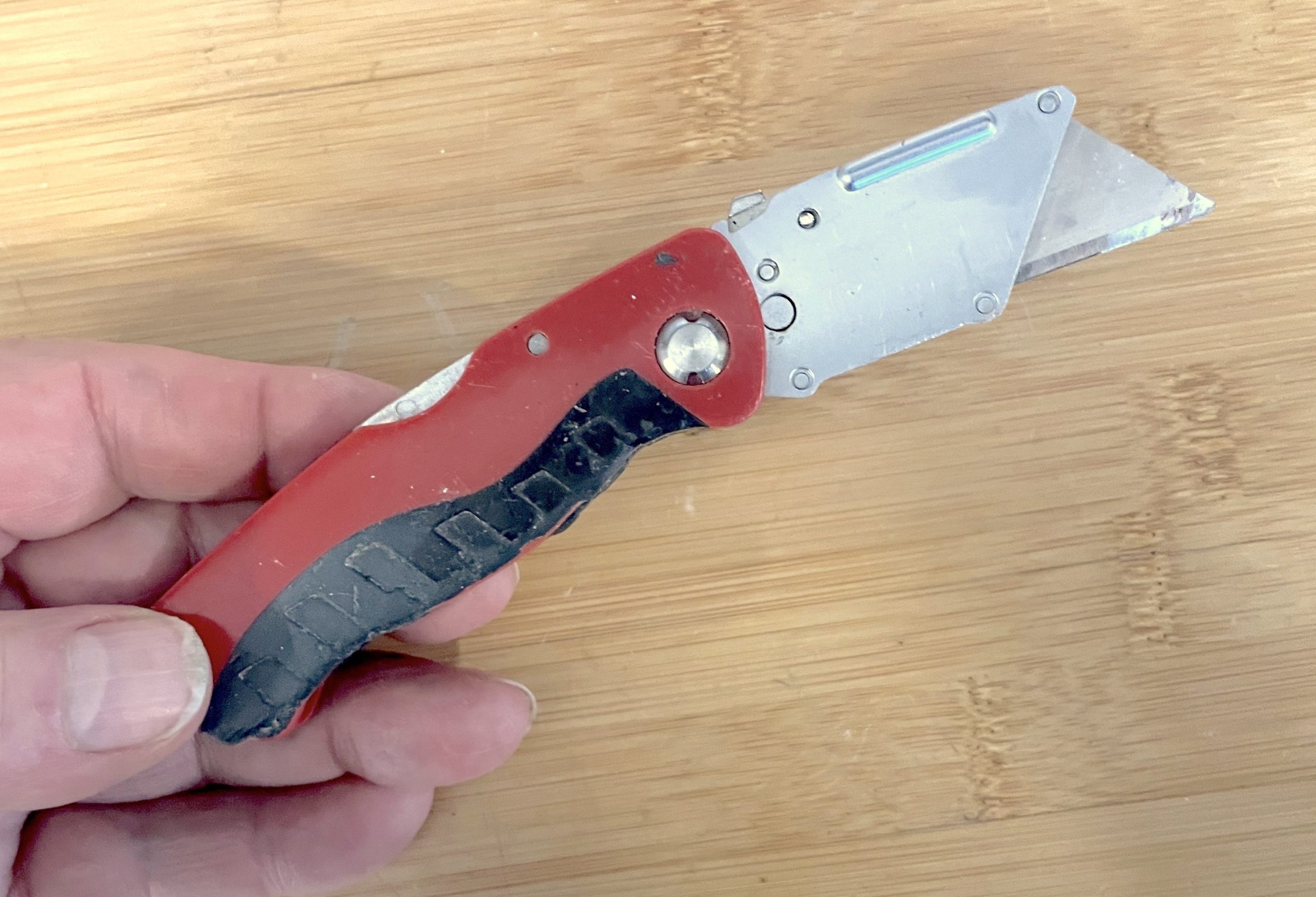
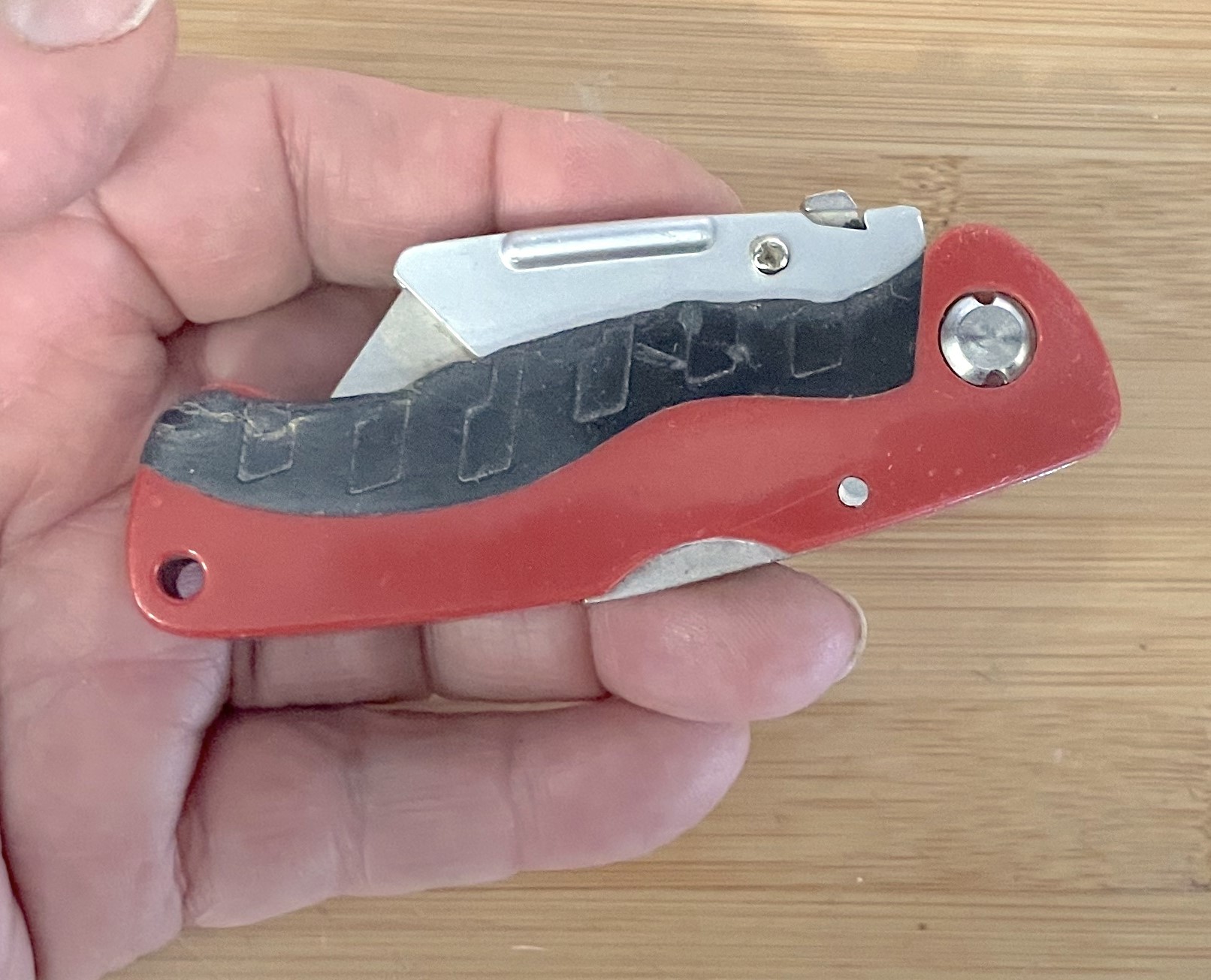
The final tool I regularly use for cutting is a Milwaukee “Fastback” Utility Knife. My example is older and (very) well used, but it keeps on cutting. I like it because unlike some other utility knives, the Fastback folds up like a jack knife. It will accept several different blades, and Summit Racing offers several versions in different sizes and with various features.
It’s nice to have some options when you have to slice and dice something in your car. Once you find out how well purpose-built cutters work, you’ll wonder how you got along without them.
Parts List
- Malco Andy Combination Snips MAL-MV12
- Klein Tools Utility Shears KLE-546C
- Klein Tools Electrician’s Scissors KLE-2100-5
- Milwaukee Tool Fastback Utility Knife MWT-48-22-1500


Comments