My wife and I have a 2011 Ford Expedition with the 5.4L 3V engine. At 165,000 miles, it was beginning to show signs of trouble (valvetrain noise), which prompted me to look into this matter. I have maintained the engine with Mobil 1 synthetic oil and Motorcraft oil filters every 5,000 miles since new, along with a filter magnet to catch the bad stuff. So why was I having issues?
Ford’s 4.6L and 5.4L SOHC 3V V8 engines produced from 2004-15 appeared to be a great idea. They offered a smooth, broad powerband for the Mustang GT, F-Series, Expedition, and the Lincoln Navigator.
The honeymoon wore off quickly.
Complaints began to flood social media and repair shops with 3V engine failures and performance issues that would become widespread. The 3V’s main issue was valvetrain component failure that sometimes led to complete engine loss in less than 100,000 miles. Some of these failures could be written off to owner neglect and abuse. Others have been the direct result of inadequate lubrication and component failure.
What made the Modular 3V engine so problematic? The answer can be found in insufficient valvetrain lubrication and cam phaser/tensioner weaknesses. Because the 3V’s Variable Cam Timing (VCT) cam phasers require lots of oil volume and pressure the rest of the valvetrain, especially the roller followers (rocker arms), received inadequate lubrication.
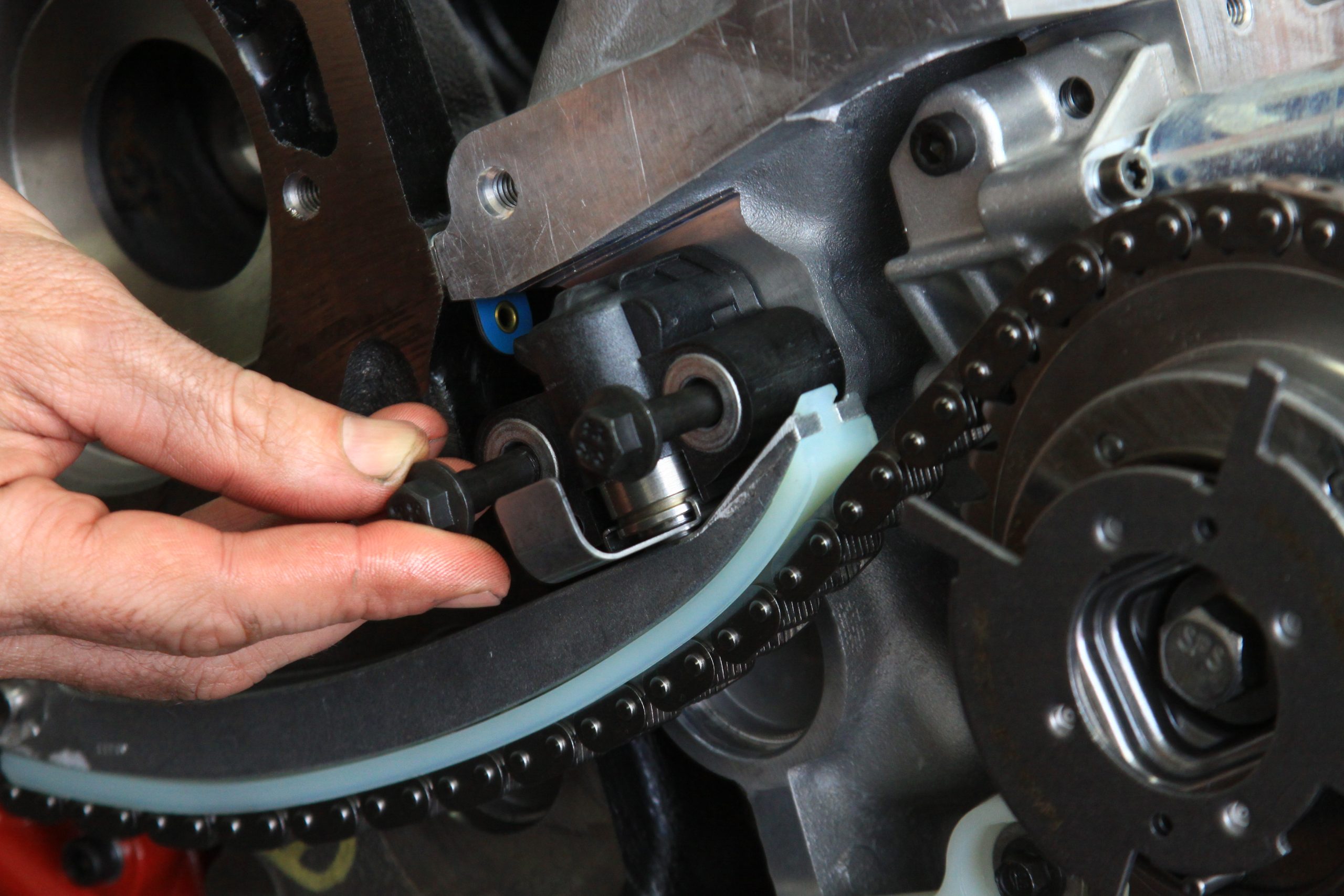
Ford technicians have told us the 3V’s original cam phasers suffered from internal weaknesses that caused lapses in cam timing along with engine failure. The composite timing chain tensioners struggle with seal failure and the resulting loss of oil pressure.
What is the fix? According to seasoned technicians I’ve talked to, the solution is complete replacement of the timing and valvetrain system along with a Melling high volume oil pump and pickup. You will also need the updated Ford lash adjusters and roller followers which have a small oil jet that keeps them supplied with oil. Other required components include valve cover gaskets and an oil pan gasket. It’s also a good idea to replace the VCT solenoids while you’re in there.
We had these repairs done on our Expedition and can happily report the valvetrain noises are gone. The best way to make sure the new parts live a long life is to do oil changes every 5,000 miles or so. Use a quality 5W-20 semi-synthetic or synthetic motor oil and a good filter like the Motorcraft FL820S so your engine has clean oil at all times.
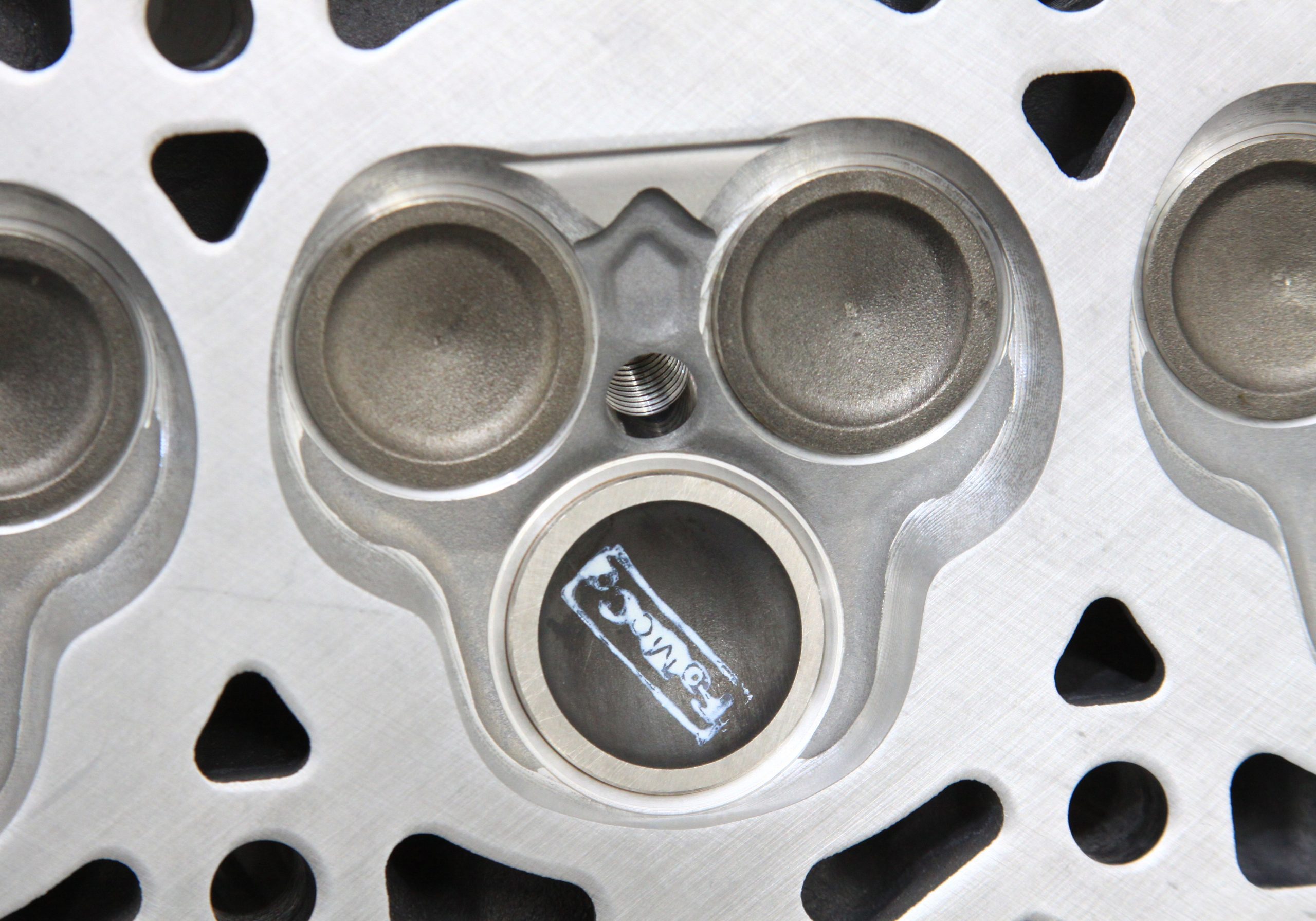
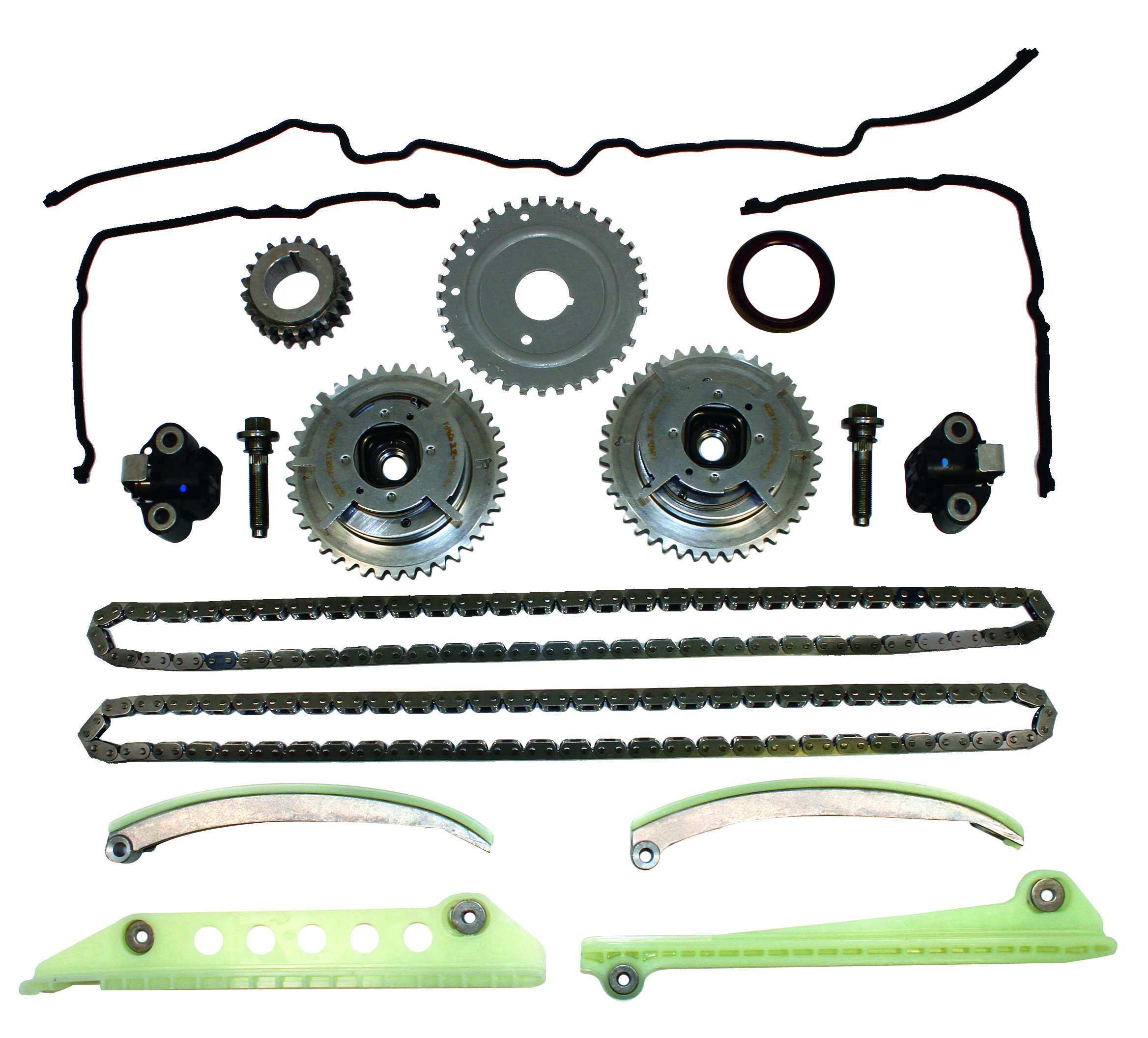
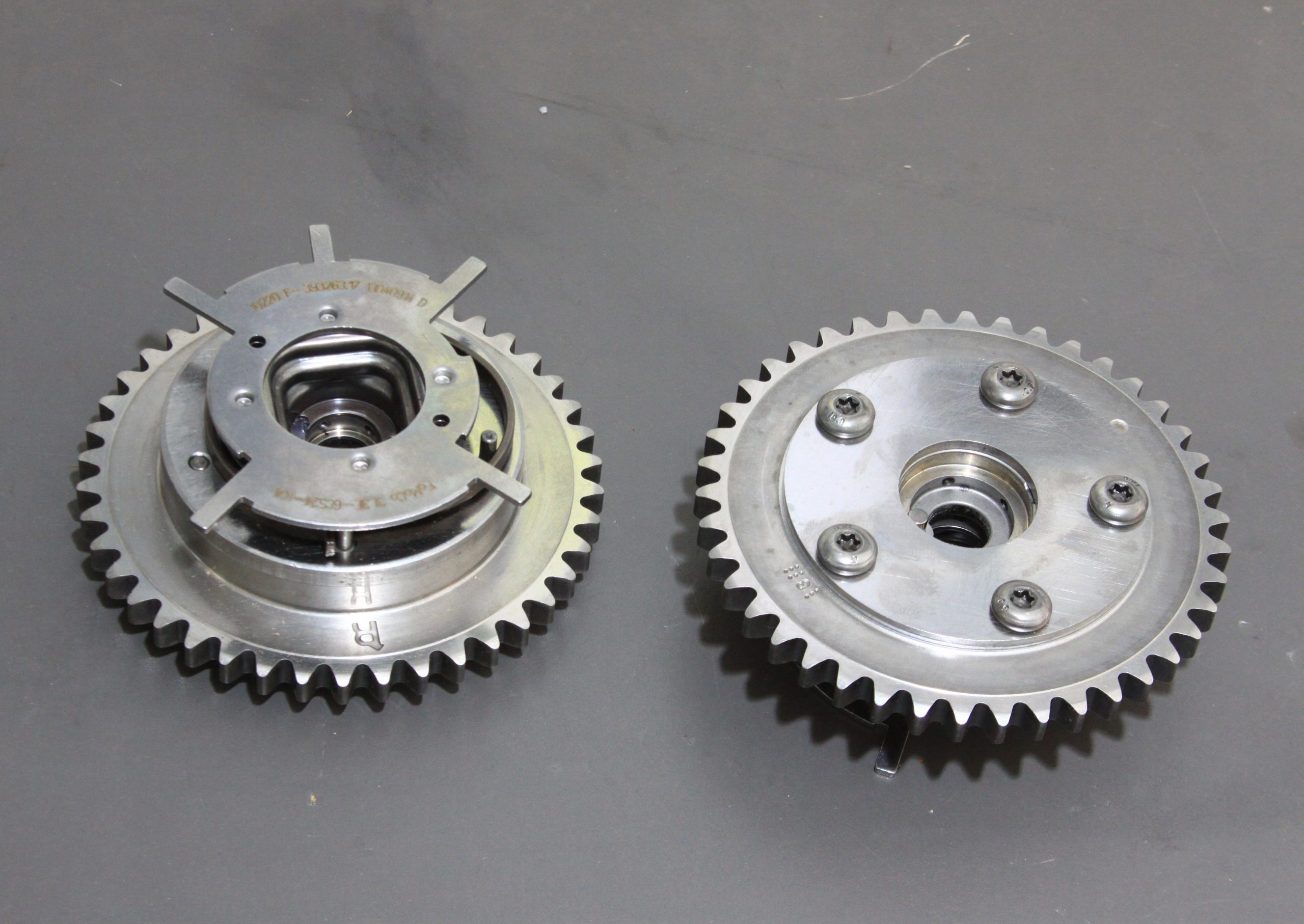
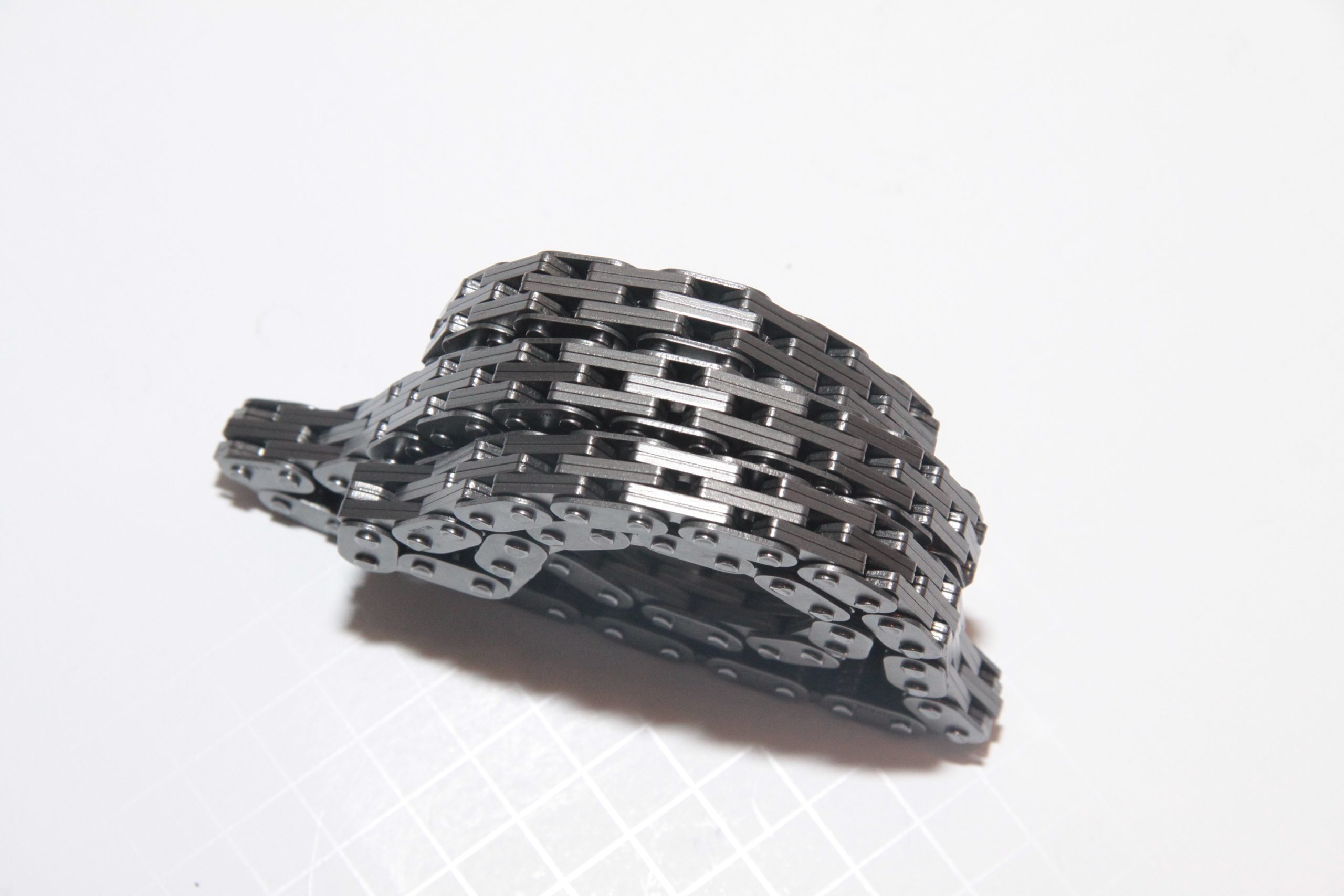
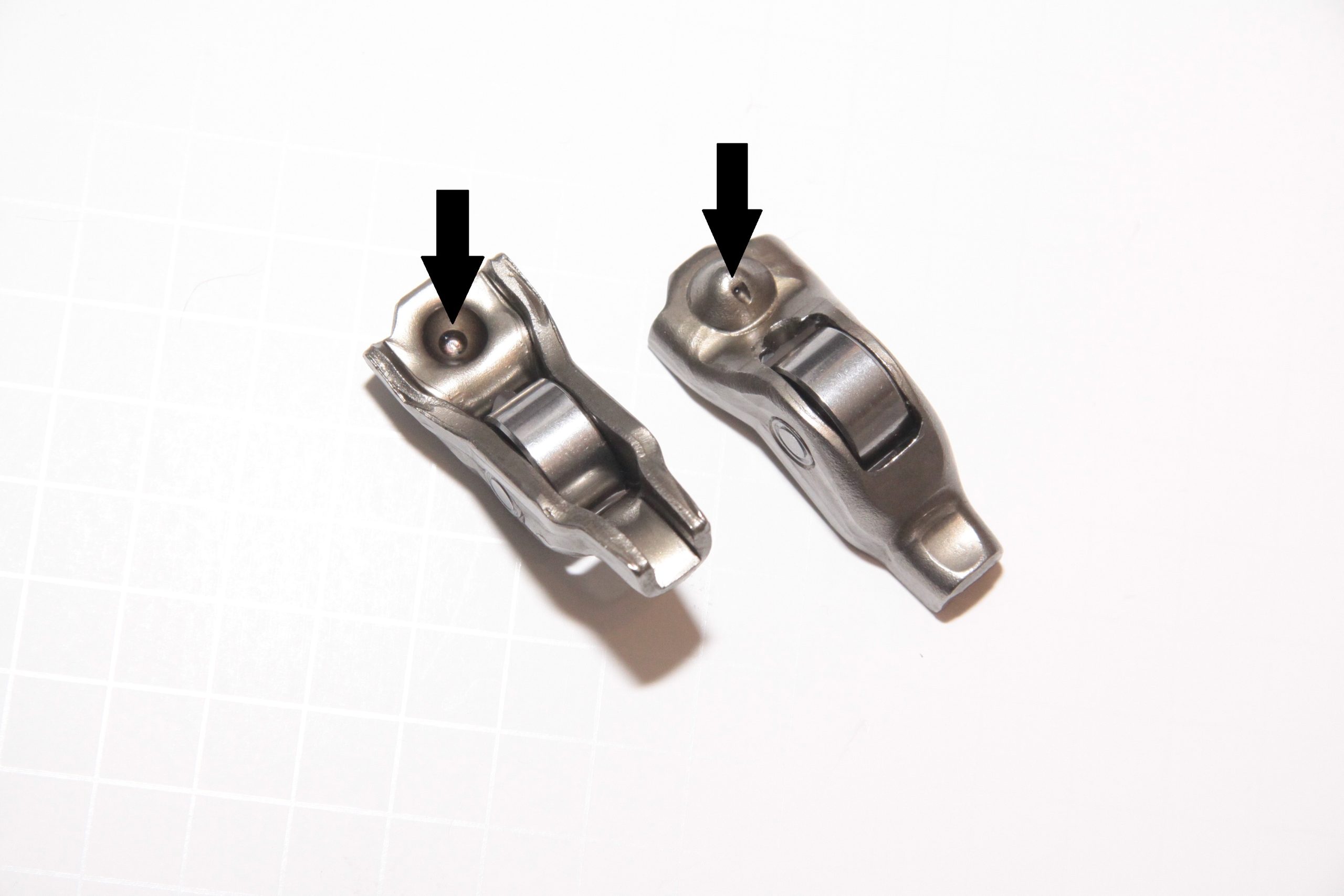
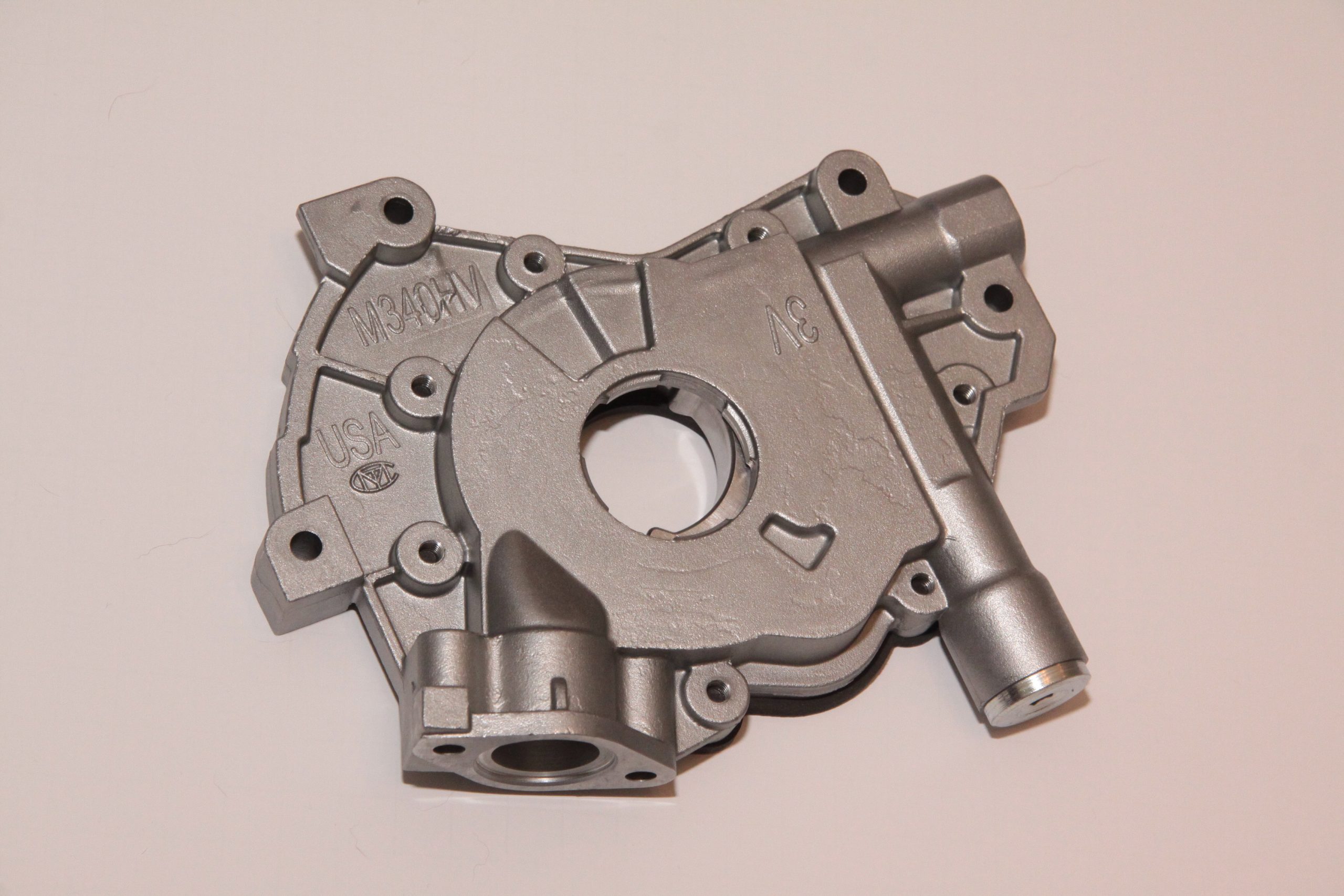
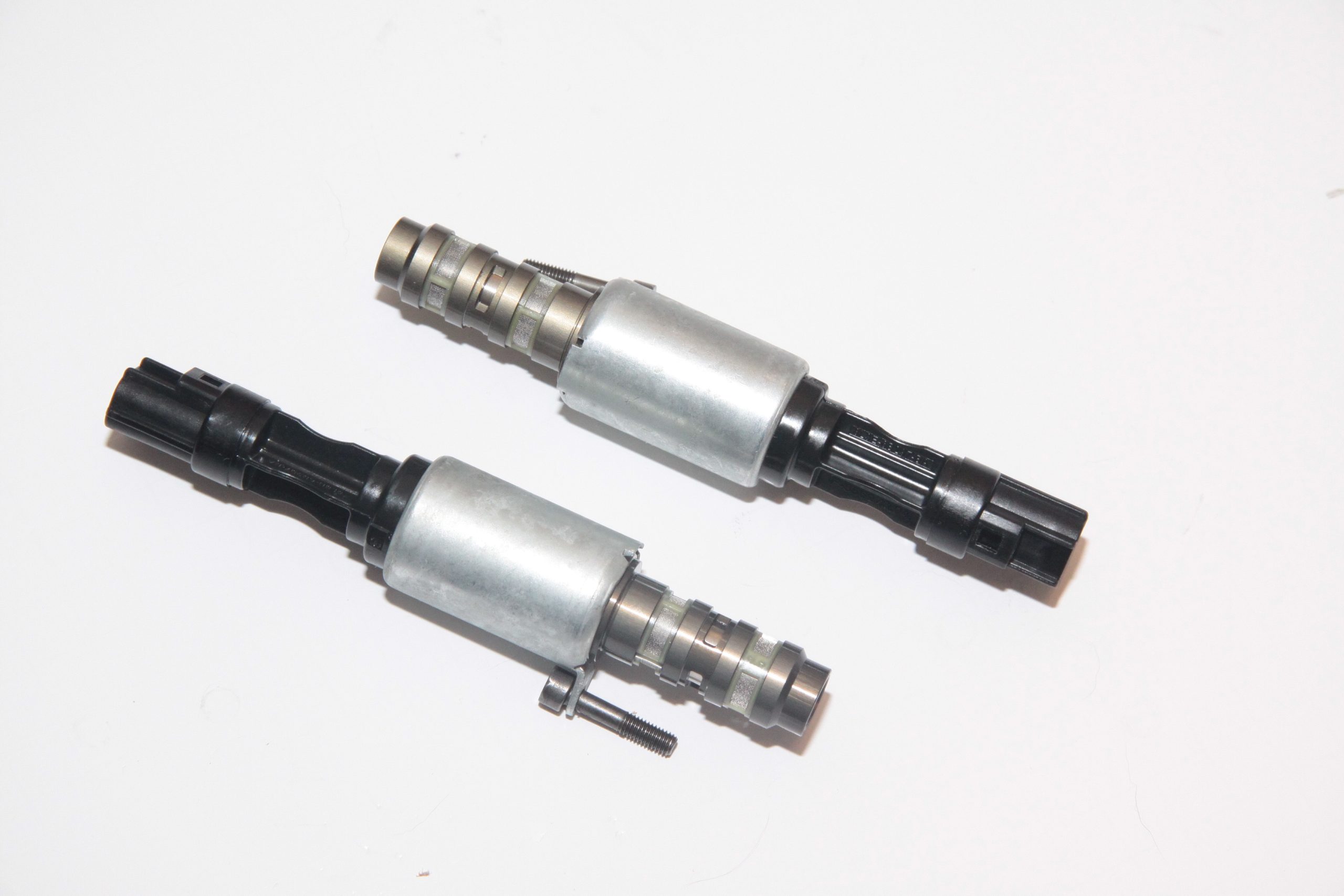
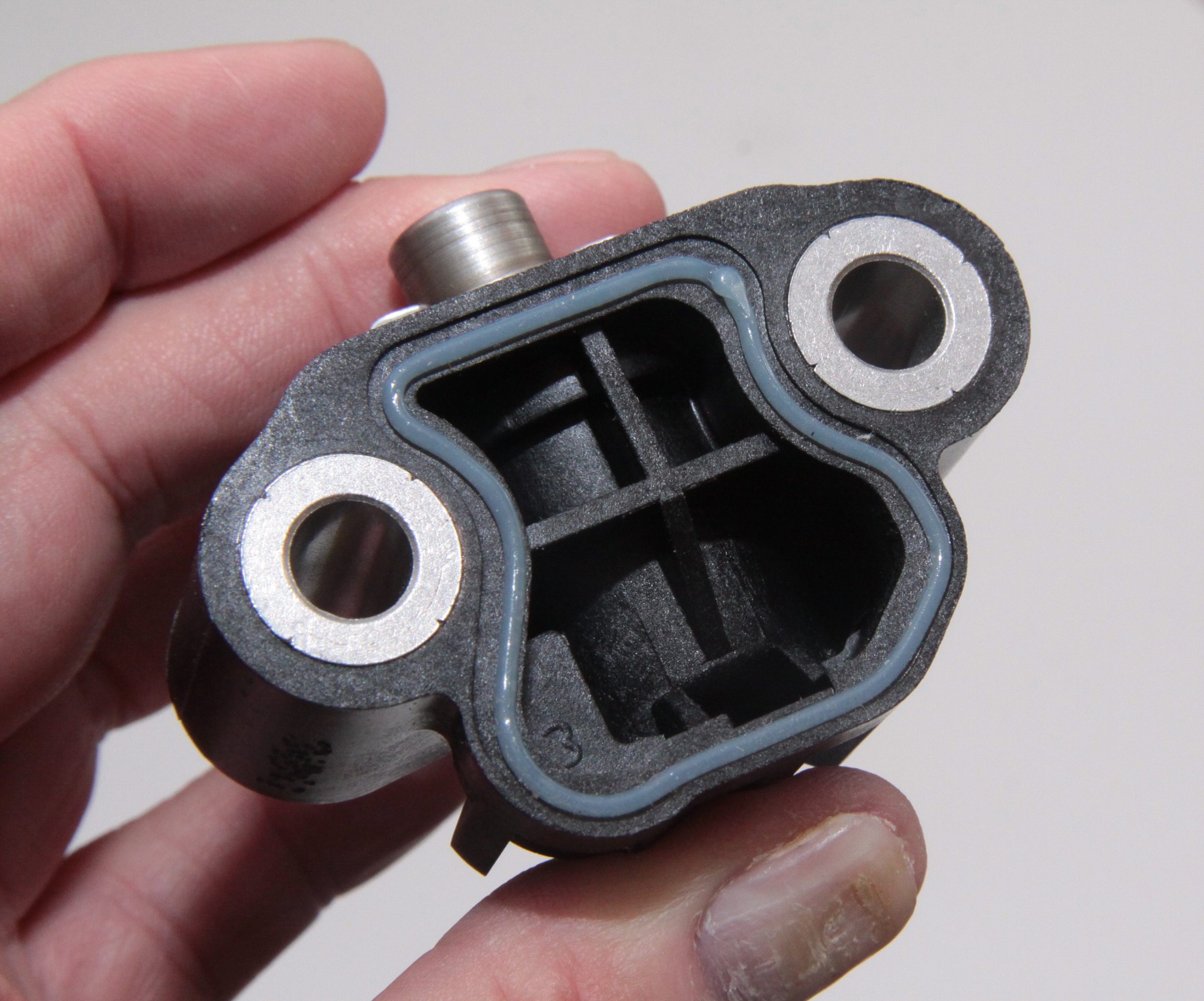
Ford wanted to improve the power curve of its single overhead cam (SOHC) 4.6L and 5.4L Modular engines. Their solution was the 3V engines. Ford added another intake valve to the combustion chambers to deliver more air and fuel, hence the name. They also introduced Variable Cam Timing (VCT) and the Intake Manifold Runner Control (IMRC) system from the 4.6L 4V Cobra engine to help boost low-end torque and improve fuel economy. (Image/Jim Smart) The Motorcraft Timing Chain and Phaser Kits are an excellent upgrade for your 3V engine’s cam timing system. They include all-new factory parts—cam phasers and sprockets; timing chains; chain guides; tensioners; and hardware. There are separate kits for the 4.6L and 5.4L engines. (Image/Jim Smart)The Motorcraft kits have genuine Ford replacement cam phasers. These are upgraded parts that are stronger than the originals. Ford updated the 3V’s cam phasers to make them stronger and quieter than the original parts. (Image/Jim Smart)The timing chains in the Motorcraft kit have revised links to reduce chain guide wear. (Image/Jim Smart)The 3V’s original roller followers (left) had large oil holes which bleed off oil volume and pressure. The upgraded Ford roller followers (right) sport tiny oil jets that keep the rollers bathed in oil without sacrificing oil volume and pressure to the rest of the engine. The lash adjusters are included with the kit.(Image/Jim Smart)The factory oil pump in your 3V engine tends to wear out about the same time as the timing components. That means it can no longer supply the required oil volume and pressure, especially for VCT system. Replace it with a Melling M340HV high volume oil pump. It delivers 20 percent more oil volume than the factory pump. It’s the one to use in trucks. For high-performance and racing, the Melling M360HV high volume/high pressure pump also provides 20 percent more volume and an extra 20 PSI of oil pressure (80 PSI vs. 60 PSI for the 340HV). Both pumps have a cast iron backing plate that won’t flex like the aluminum plate on the factory pump. That flex allows oil to drain back into the pan instead of flowing through the engine. (Image/Jim Smart). It is a good idea to replace the cam phaser solenoids, which control oil pressure to the cam phasers to advance cam timing. Also called VCT solenoids, they tend to stick or clog as they age and throw off cam timing. Symptoms include misfires, rough idle, and reduced power. Summit Racing carries Ford Genuine Parts Replacement Solenoids. You’ll need two of them, one for each cylinder bank. (Image/Jim Smart)The 3V engine’s composite chain tensioners have a thin O-ring seal where they bolt to the engine. When the seal fails, you lose oil pressure. Summit Racing carries Fel-Pro Tensioner Gaskets to help solve that problem. They are made from a proprietary rubber formulation that resists high engine temperatures, a sealing bead to better conform to irregularities, and tensioner clips for easier installation. (Image/Jim Smart)The OEM composite tensioners can be replaced with the cast iron tensioners used on the 2V/4V engines. The main advantage is there is no seal to fail, but the ratcheting feature will keep tension on the chain even if there is sudden loss of oil pressure. However, some technicians have told us the ratcheting feature can cause excessive chain tension, leading to premature chain stretch and wear. There is really no consensus on this issue. If you go with iron tensioners, Melling makes nice ones. MEL-BT402 is for the left side, MEL-BT403 is for the right side. (Image/Jim Smart)
Jim Smart is a veteran automotive journalist, technical editor, and historian with hundreds of how-to and feature articles to his credit. Jim's also an enthusiast, and has owned and restored many classic vehicles, including an impressive mix of vintage Ford Mustangs.



Comments