It’s been 20-plus years, but my memories of the final day of Mustang production at Ford’s Dearborn, Michigan, assembly plant in 2004 are still clear. For 40 years, Dearborn Assembly built new Mustangs. Production began with pre-production Mustang units early in 1964, with mass production beginning on March 9, 1964.
I wanted to be in Dearborn for the Mustang’s final production day in May 2004. I contacted a friend of mine at Ford, SVT Manager John Coletti, to help set this up. Rob Webber, Dearborn Assembly Plant Manager, invited me to document the last days of 2004 Mustang production.
It is challenging to define the “last” unit of any production run. Mustang units got shuffled around during production depending on supply issues and off-line repairs. That happened with the last 2004 Mustangs when they ran out of fuel tanks and had to have more flown in.
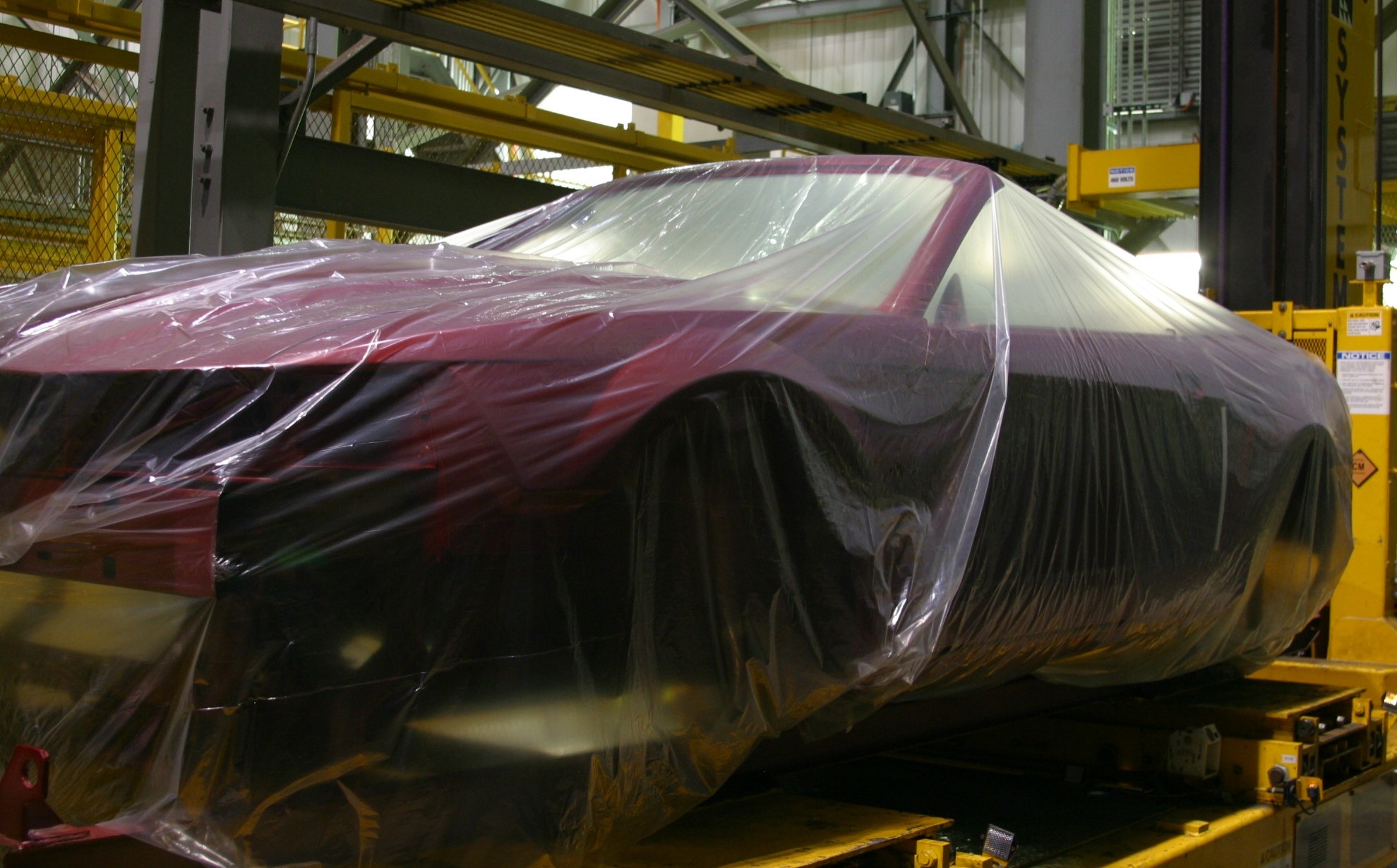
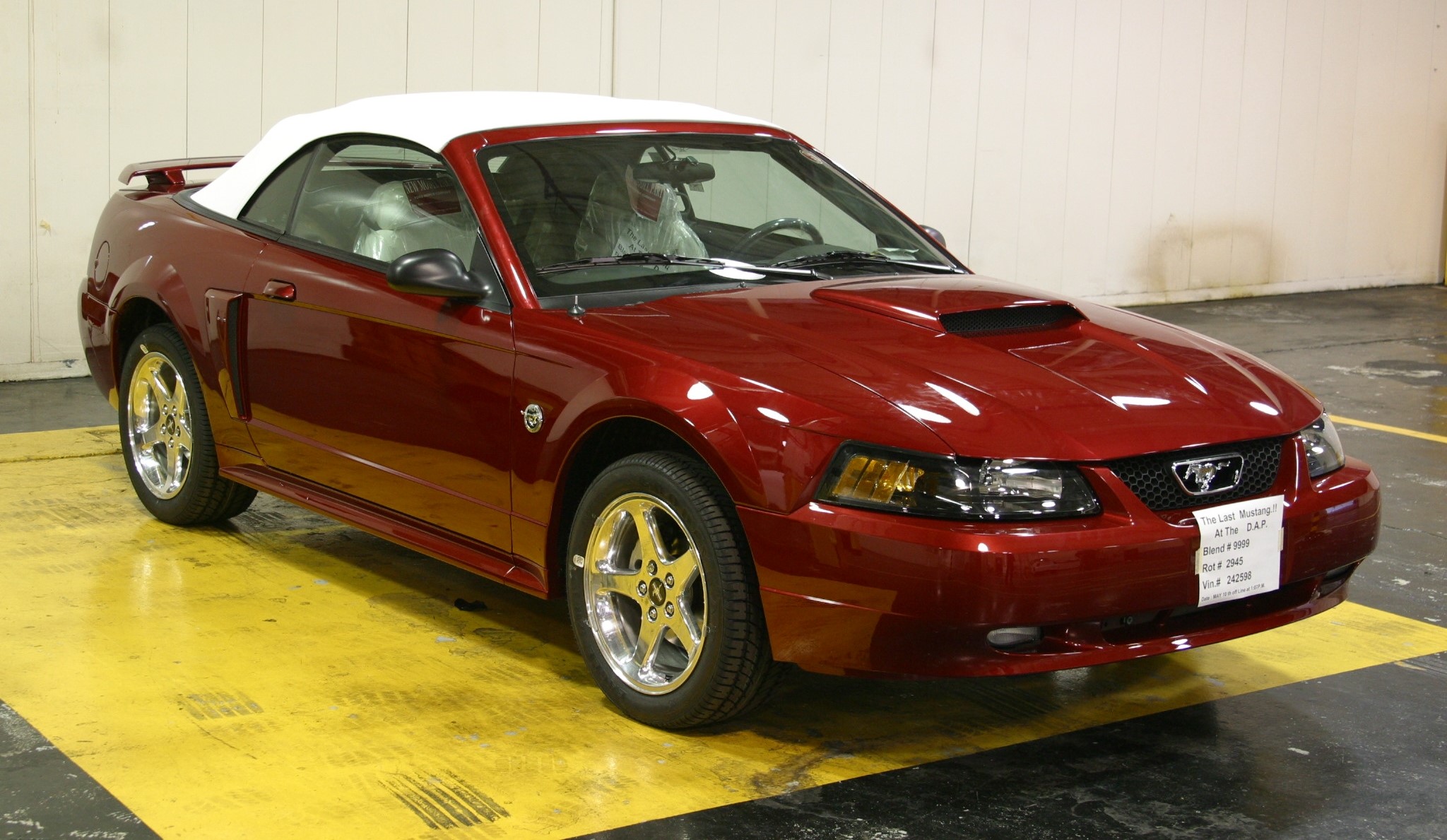
Webber and his manufacturing team developed a plan for the last Dearborn Mustang, a GT convertible ordered internally by Ford to be put on display at its Dearborn Rouge Visitor’s Center. In April of 2004, Webber scheduled the Mustang for assembly. The body was bucked in Redfire Clearcoat paint, then wrapped in a huge plastic bag and put in storage until it was time for it to enter the trim and chassis line for final assembly.
Thousands of Mustangs were assembled over the next few weeks before the symbolic Last Mustang in May. After the remaining Mustang orders had been processed, the red GT was retrieved from storage and placed on the trim and chassis line. I had the good fortune of seeing it happen in real time as final assembly began at 11 pm on May 7, 2004. I walked the entire length of the Dearborn assembly line with this Mustang, the last car the plant would ever produce.
Building new cars is a complex process. I spent five days in the Dearborn Assembly Plant and still don’t have a complete understanding of how Ford dealer orders become completed automobiles. Here’s what I do know; as an assembly plant winds down to the last vehicle build of a given model year, production becomes less involved as the clock ticks toward “Balance Out Day.” This means fewer options, fewer colors, and less complexity. A plant builds the more involved units first and modestly optioned examples at the end. Ideally, production would “balance out” with a matching number of parts and units. However, there’s normally a surplus of parts because the line cannot shut down.
In the weeks leading up to the final wrap-up, the last 2004 SVT Cobra Mustang was built first, then the last Mach 1 (which went to Plant Manager Rob Webber), and then the last GT. When I arrived at Dearborn Assembly on May 5th, there were only four colors left in production—Ebony, Oxford White, Silver Metallic, and Charcoal. White was the last color used, applied to V6 convertibles and coupes destined for rental-car agencies.
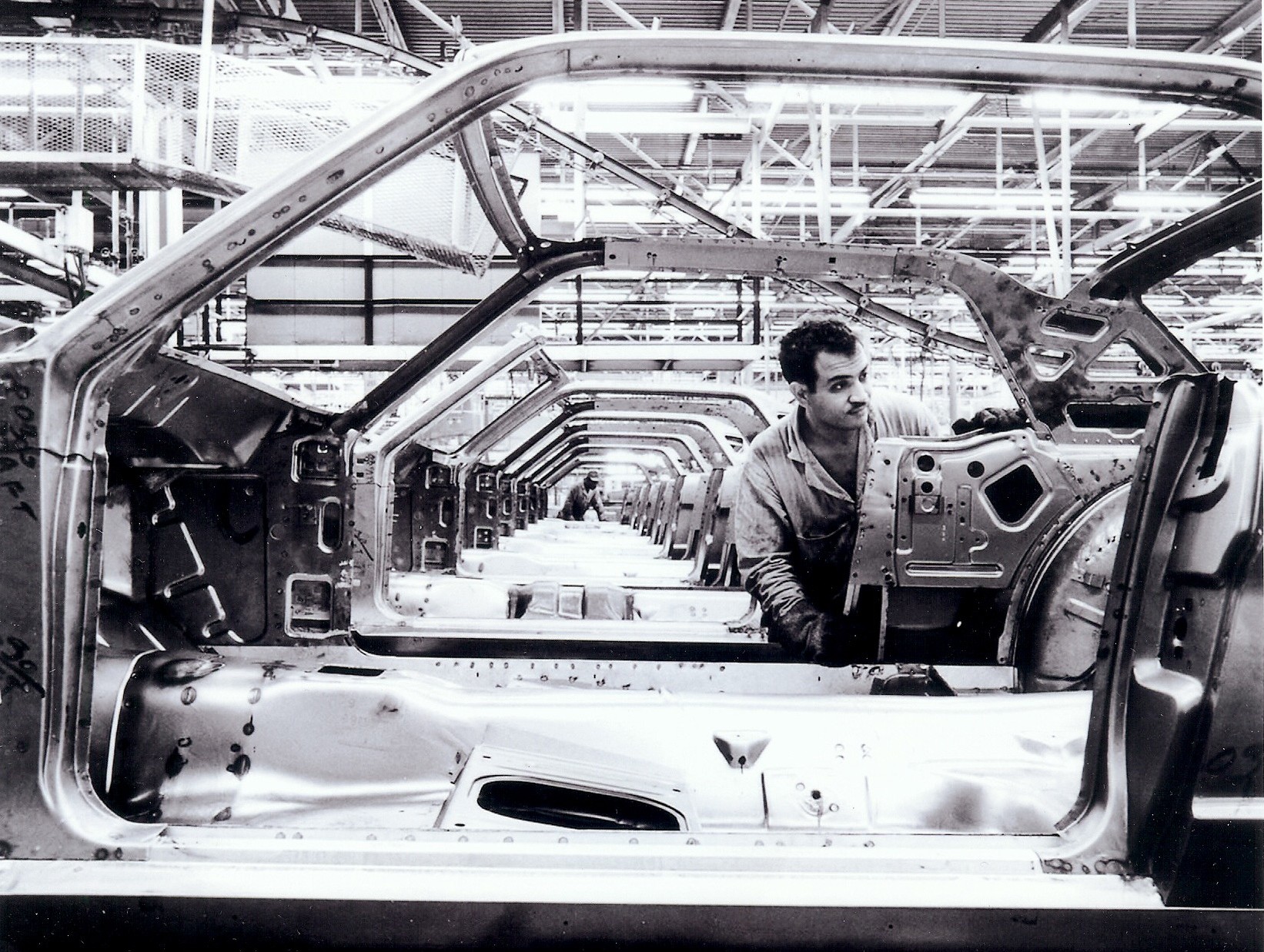
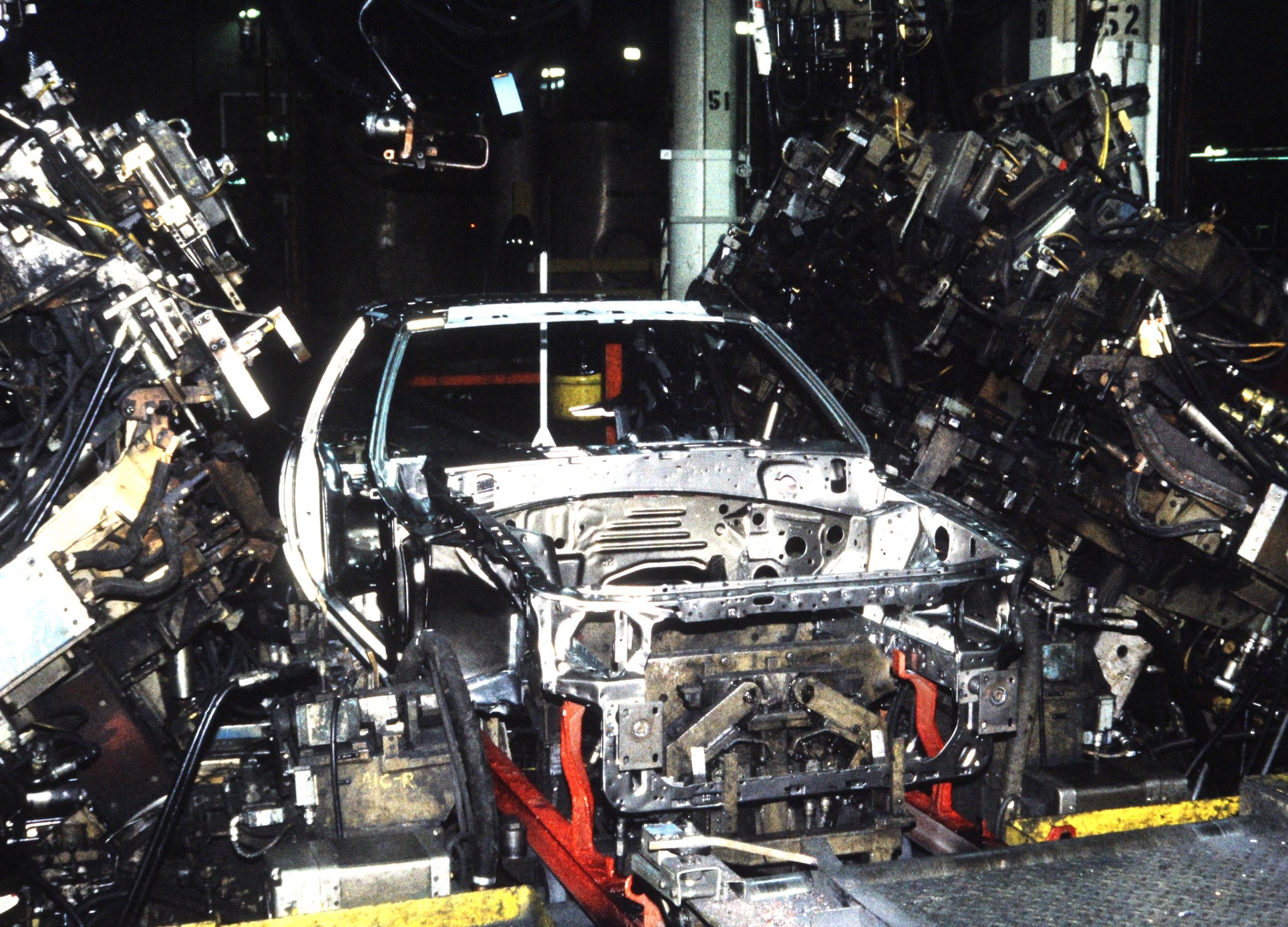
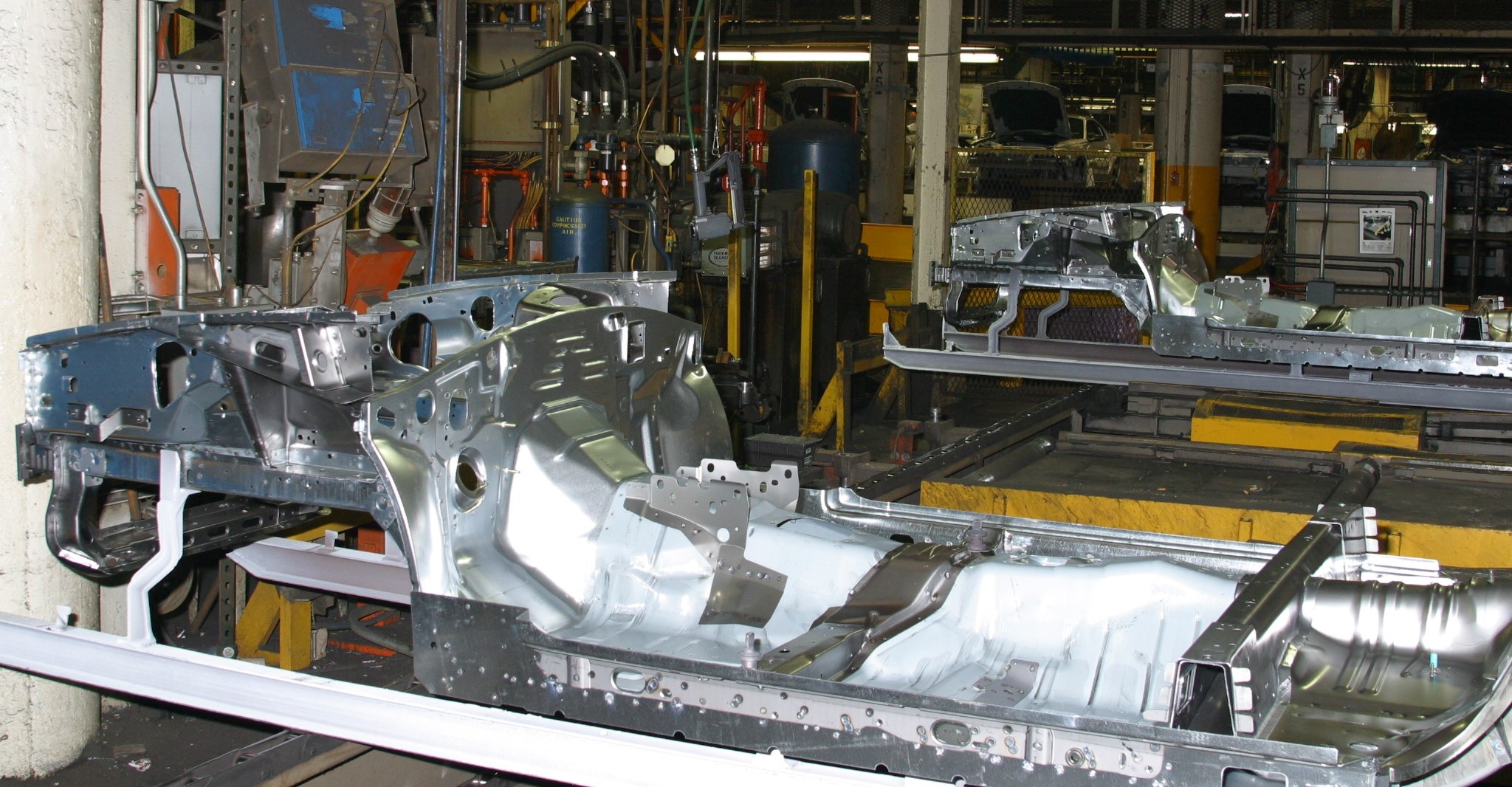
Alan Honeycutt, Body Line Superintendent, walked me through the process of building Mustang bodies. It was much the same as it was in 1964, though with much closer attention to detail as manufacturing standards had become quite strict by 2004. A platform was assembled from three sections—the front-end, center section, and the trunk pan. These were built on subassembly lines off the main body line. Completed platforms were moved into a holding area. The body line kept additional platforms on hand in case there was an equipment failure or a shortage of parts. This allowed production to run smoothly with plenty of platforms on hand.
Another subassembly line built the body sides, which consisted of quarter-panels, pillars, and wheelhouses. Body sides were among the first subassemblies attached to the platform. They were retained with fold-over “toy tabs,” which was plant slang for metal tabs that are bent over to hold subassemblies loosely together as they traveled to the human and robot welders for final assembly.
For decades, the Dearborn Assembly Plant had its own paint line. The greatest challenge with this was paint contamination due to the fallout from the nearby body line. In 2000, Ford opened the new Dearborn Paint Plant to improve Mustang body finish. The new Dearborn Truck Plant, which opened in the spring of 2004, also benefited from the new high-tech finishing plant. During this visit, both the Mustang and the 2004 F-150 trucks were painted on the same line, then fed into their respective assembly lines.
John Grace, Manufacturing Engineering Manager at the Dearborn Paint facility, took me on a tour. Because the plant was hospital clean, we had to don coveralls and wear a hairnet to minimize fallout that could contaminate a vehicle’s new finish. Environmentally controlled segments of the paint line, such as E-Coat and paint booths, had to be kept closed to keep out unwanted contaminants. This tightly controlled environment yielded the best paint quality in Ford history to that point.
After painted Mustang bodies passed through Ford’s inspection process, they went down a long, dark tunnel back to Dearborn Assembly to begin a 24-hour journey on the trim and chassis line. I was introduced to Dan Klebe, Launch Manager at the Dearborn Truck Plant. He was at Dearborn Assembly to make sure the line ran smoothly for the 2004 Mustang balance out. Dan introduced me to Tom Sea and Tommy Demeester, two gentlemen who were familiar with the trim and chassis process.
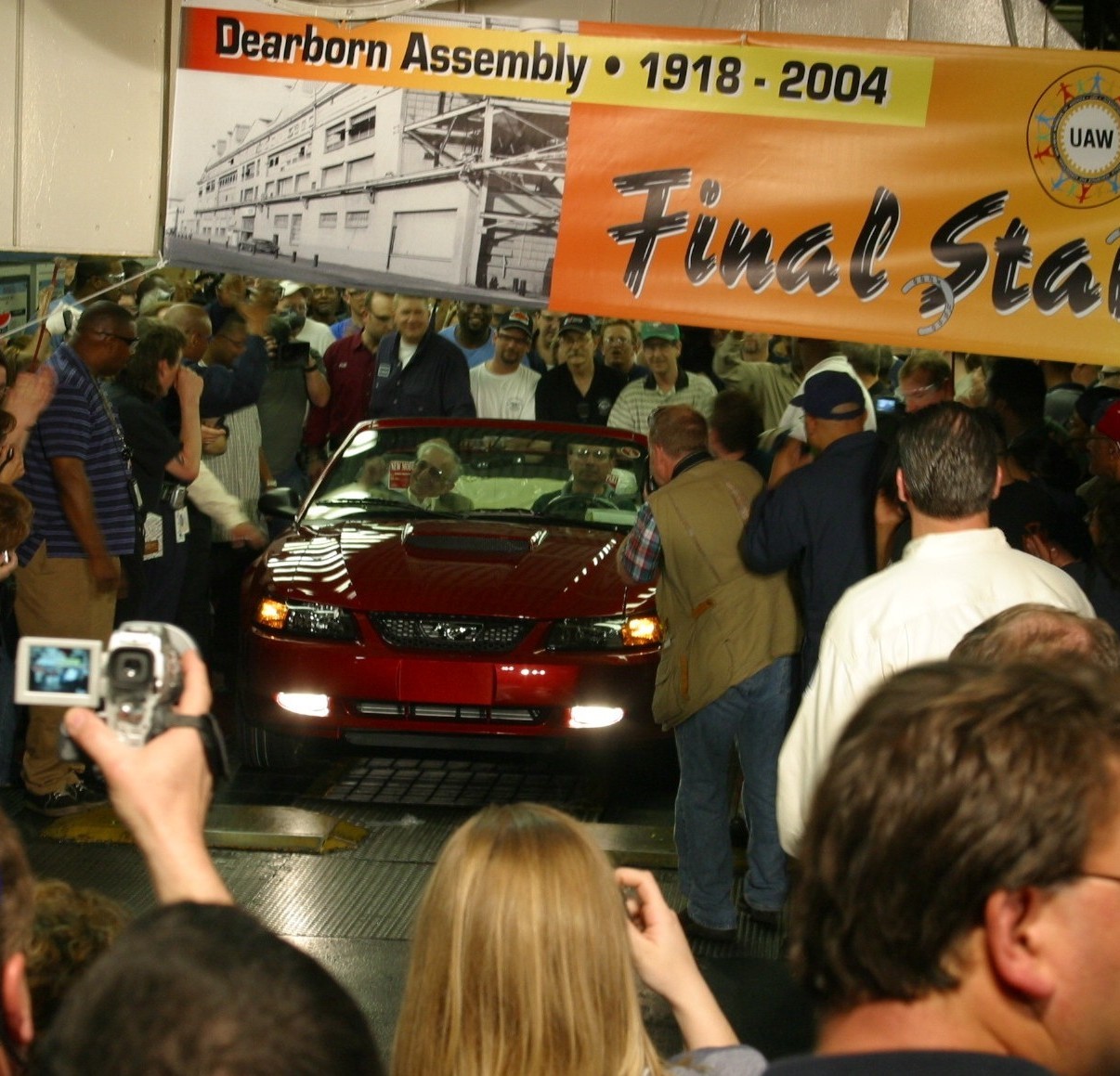
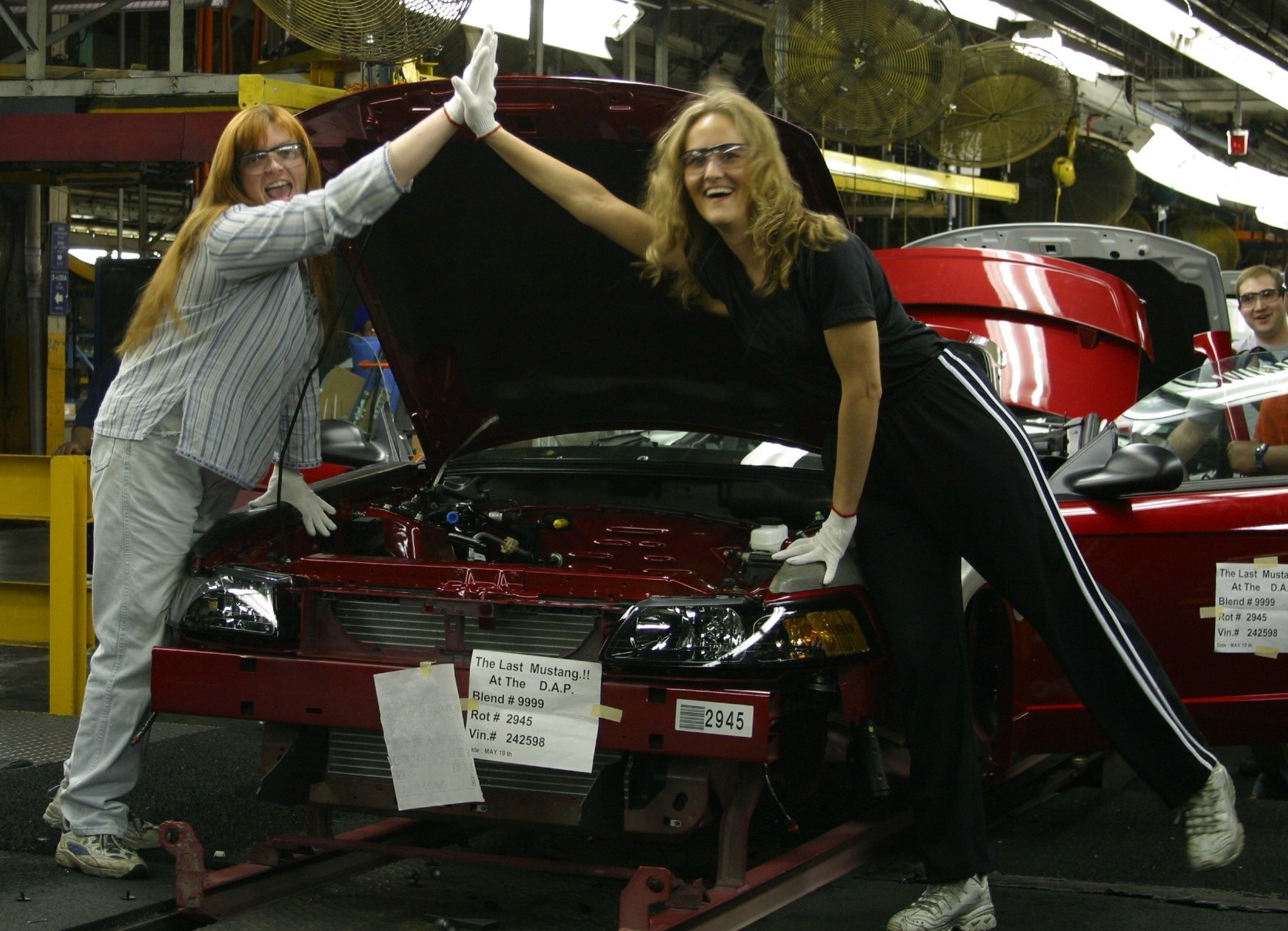
The Last Mustang rolled off the Dearborn line on May 10, 2004 amid a lot of fanfare and media attention. Some in attendance were retirees and current plant workers who were there for Mustang Job 1 in 1964. It was a moment in time few of us would ever forget.
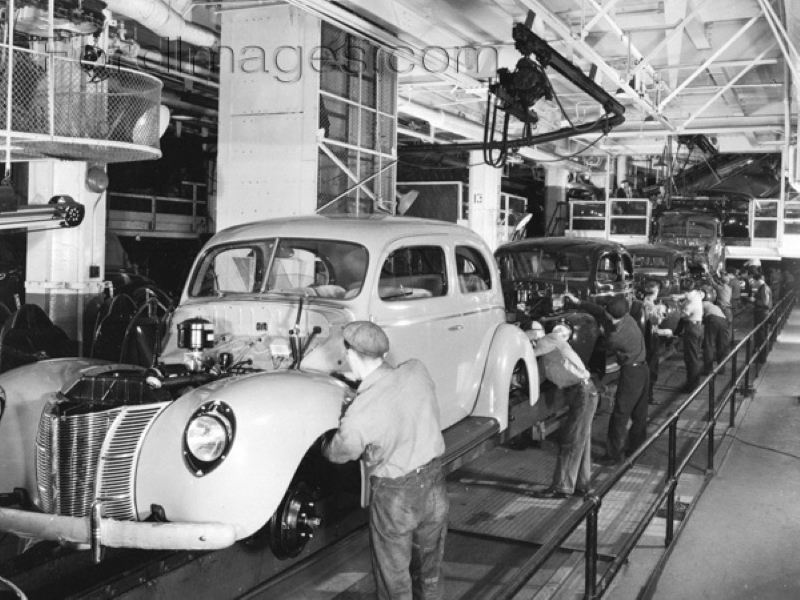
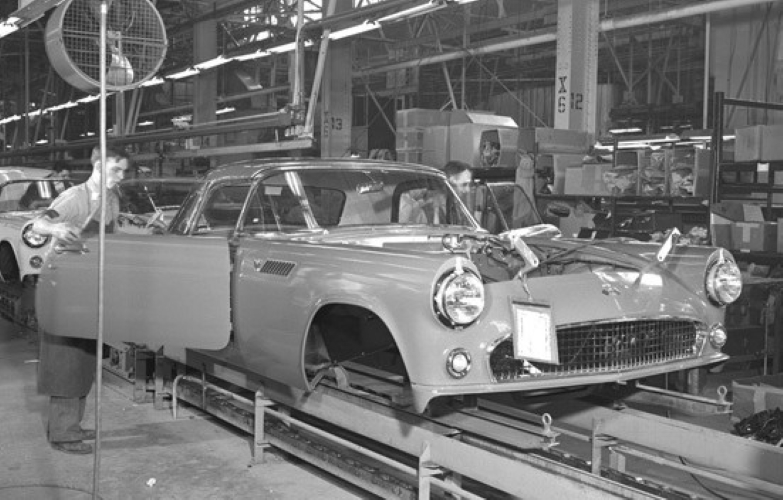
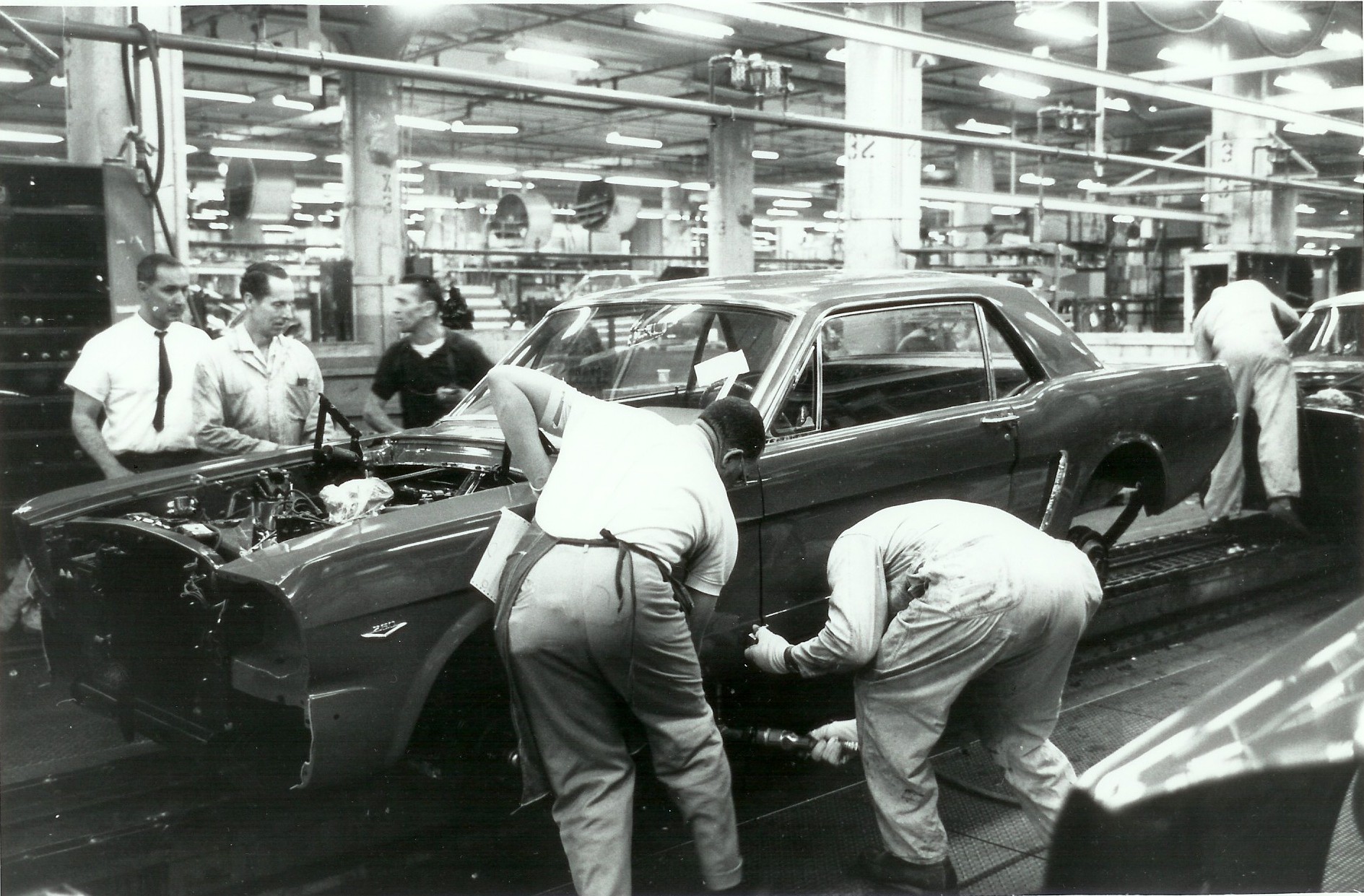
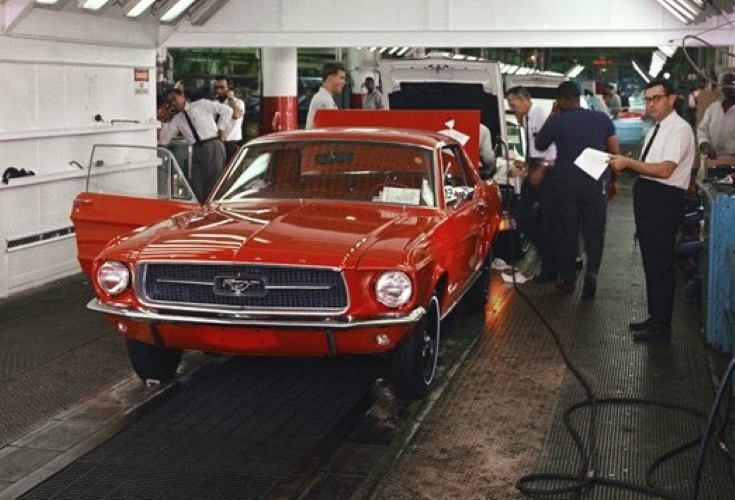
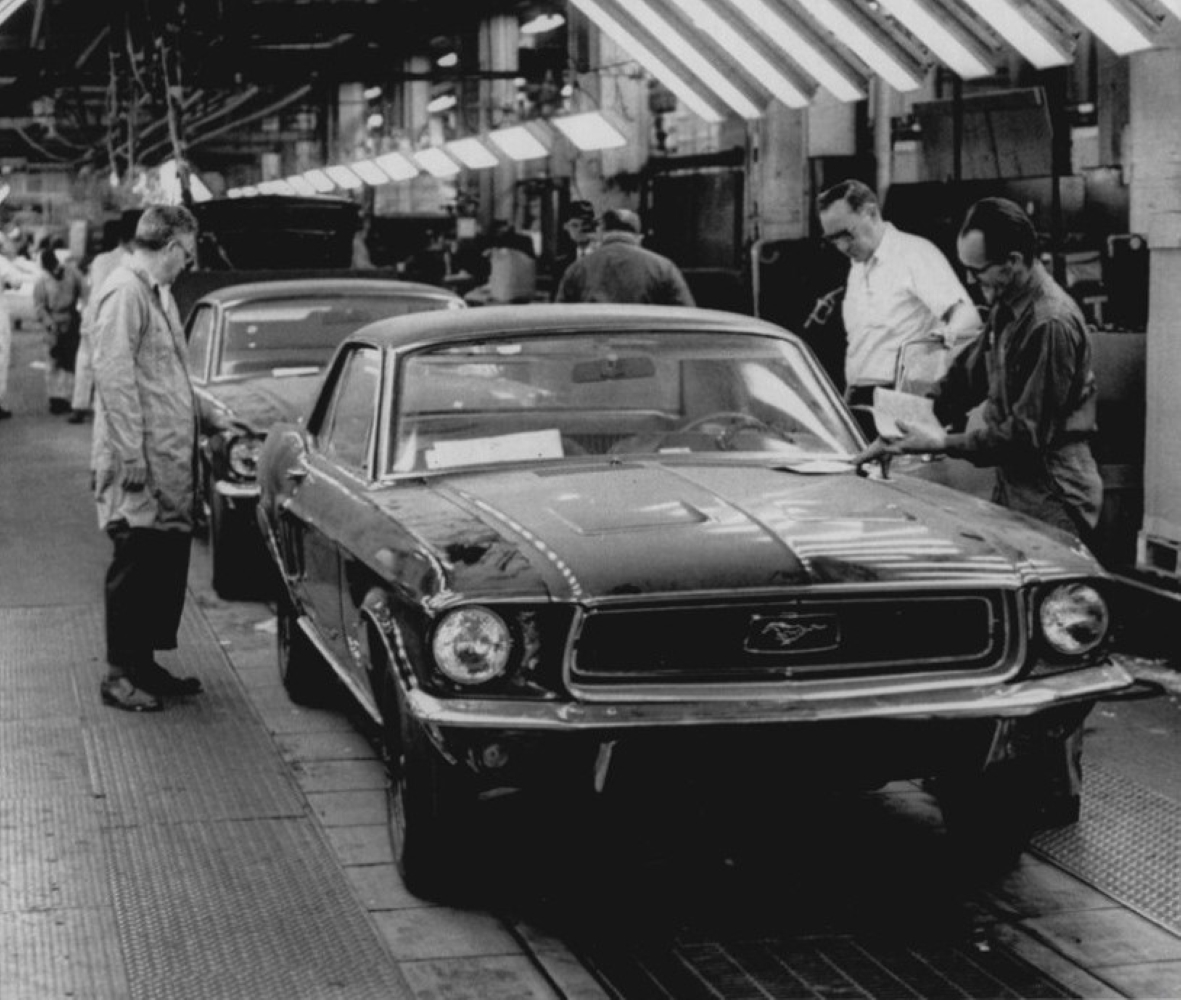
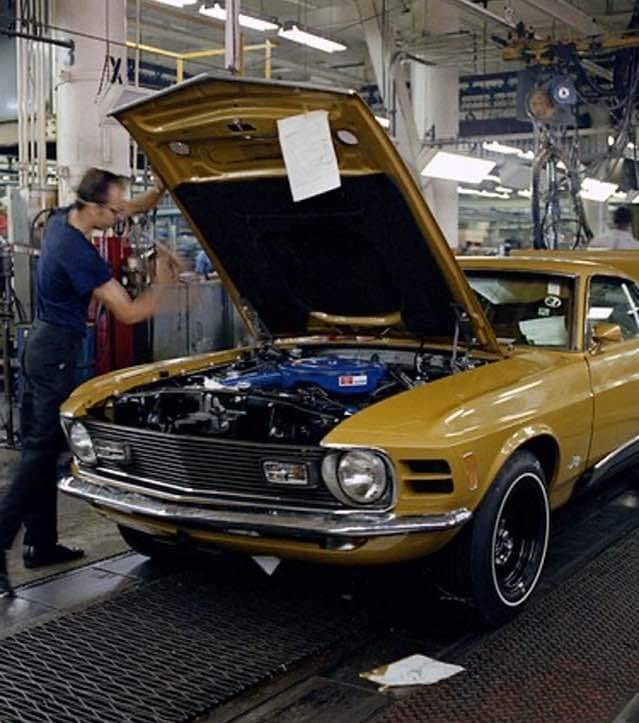
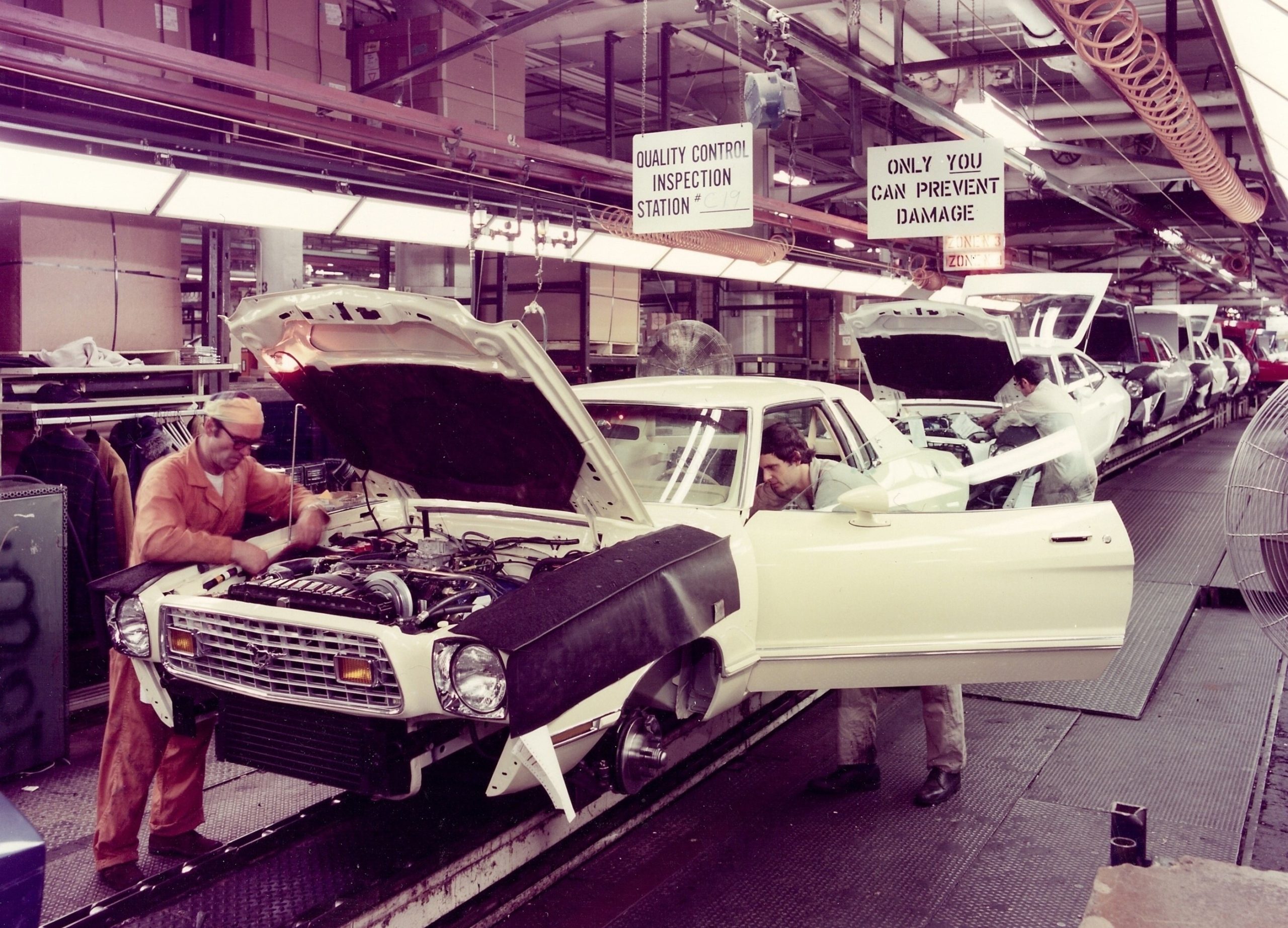
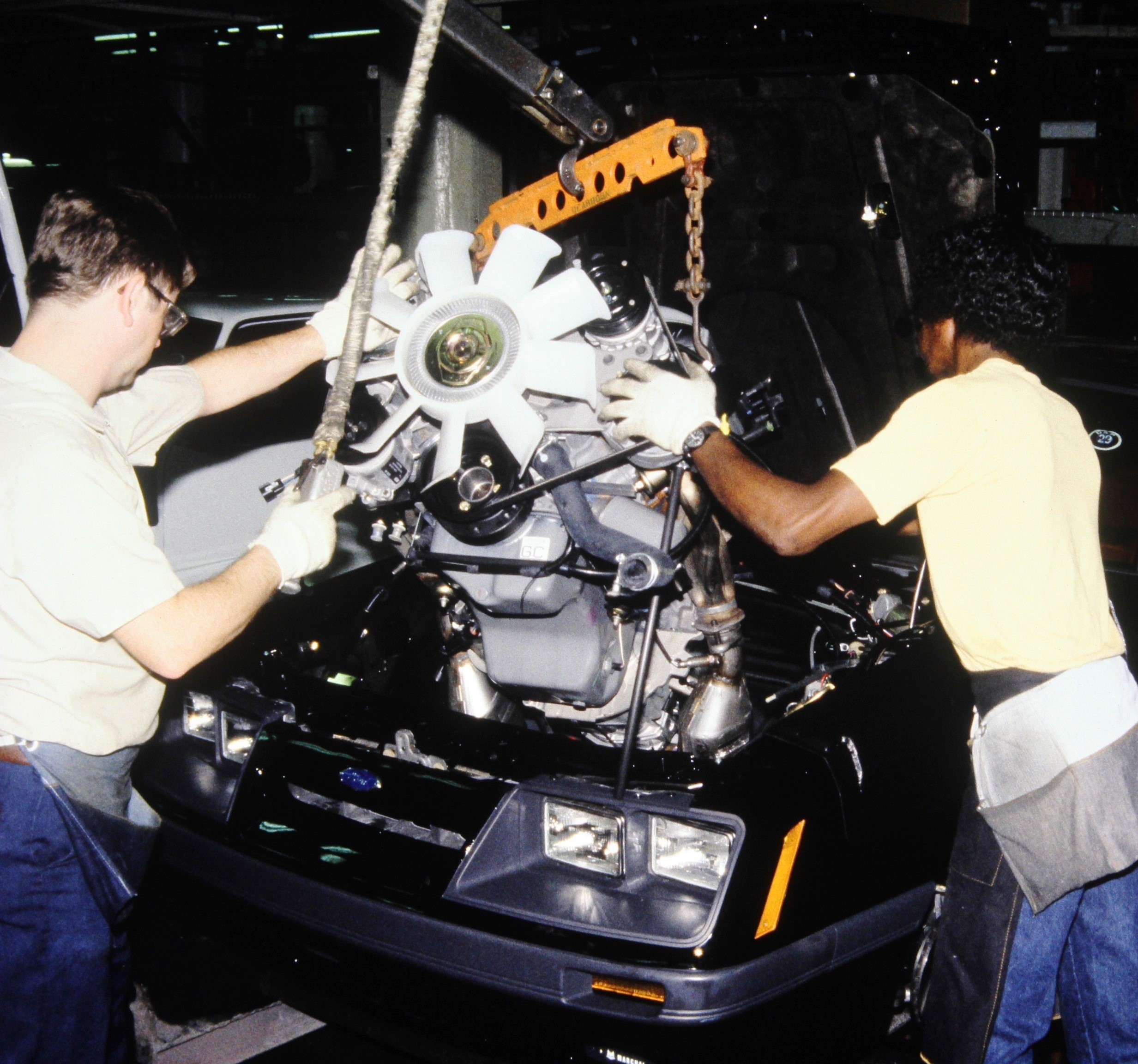
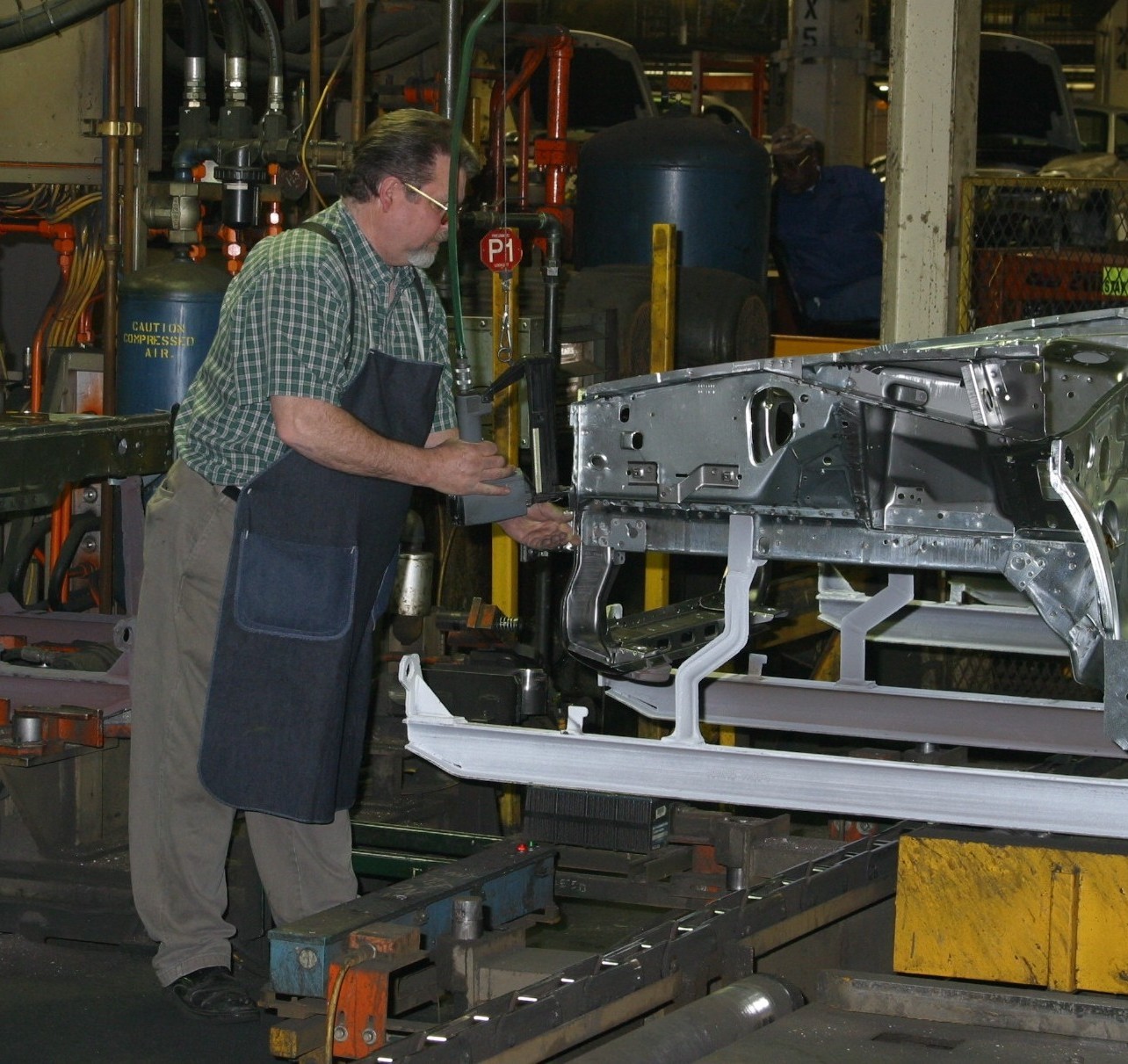
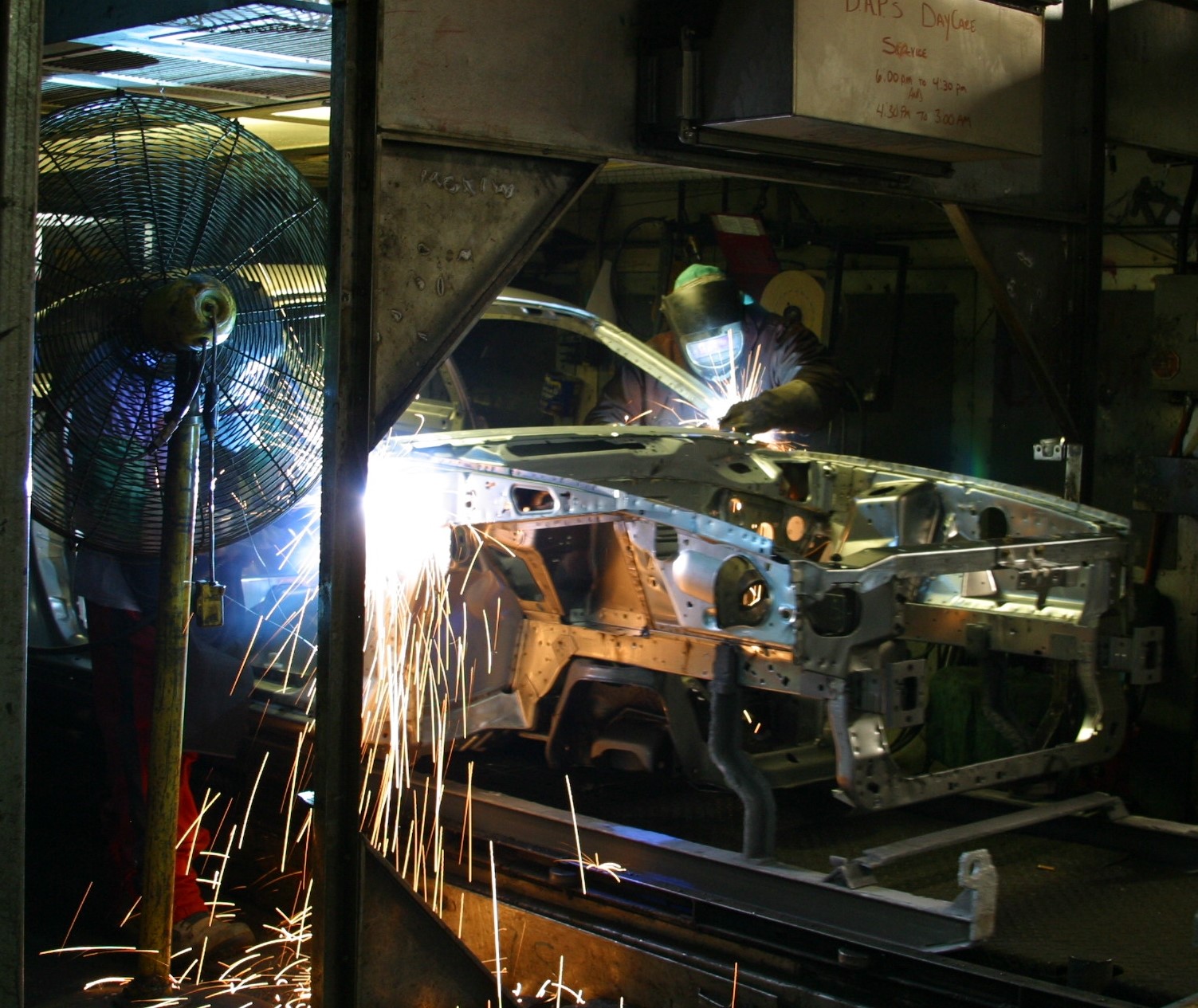
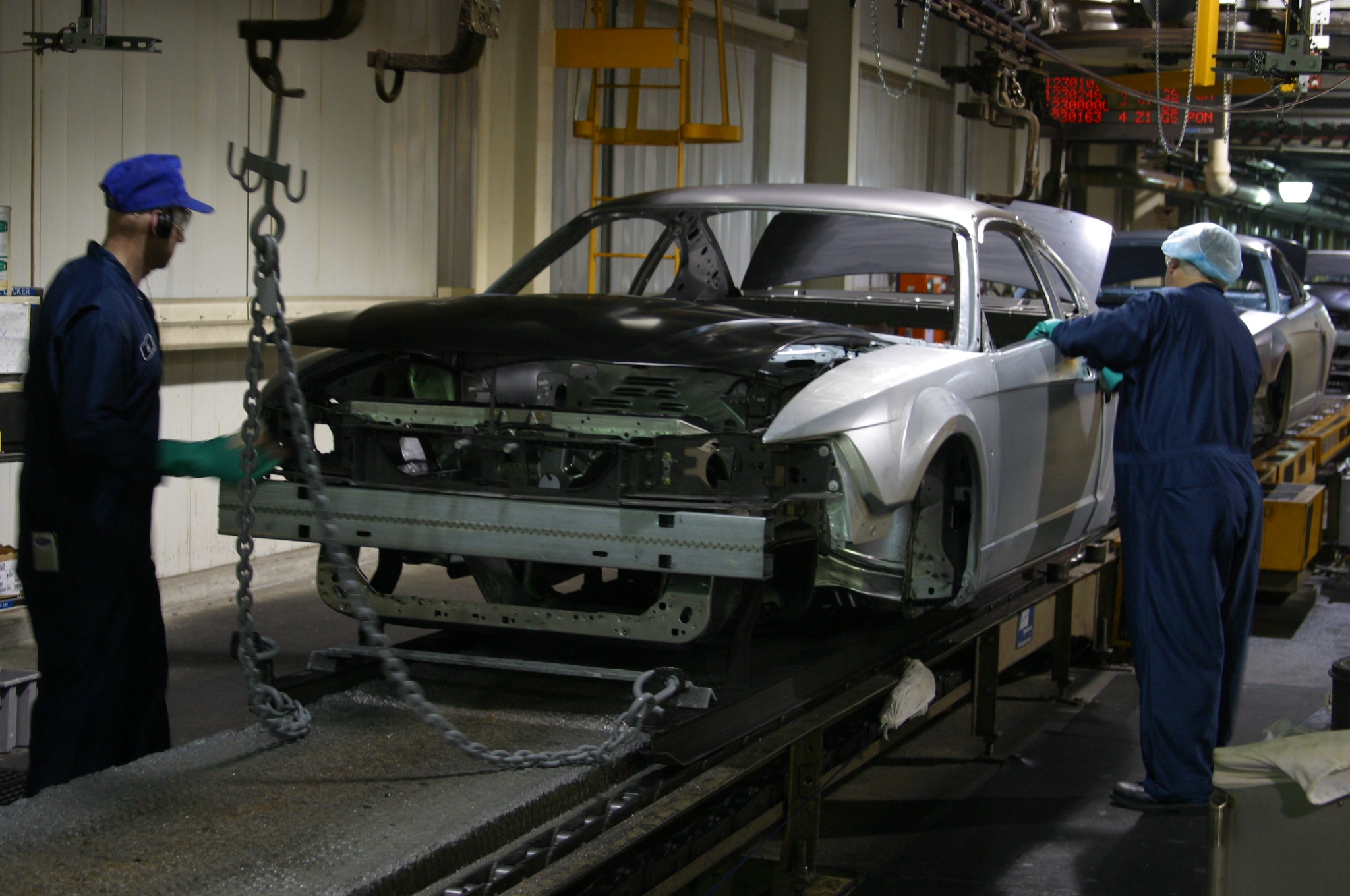
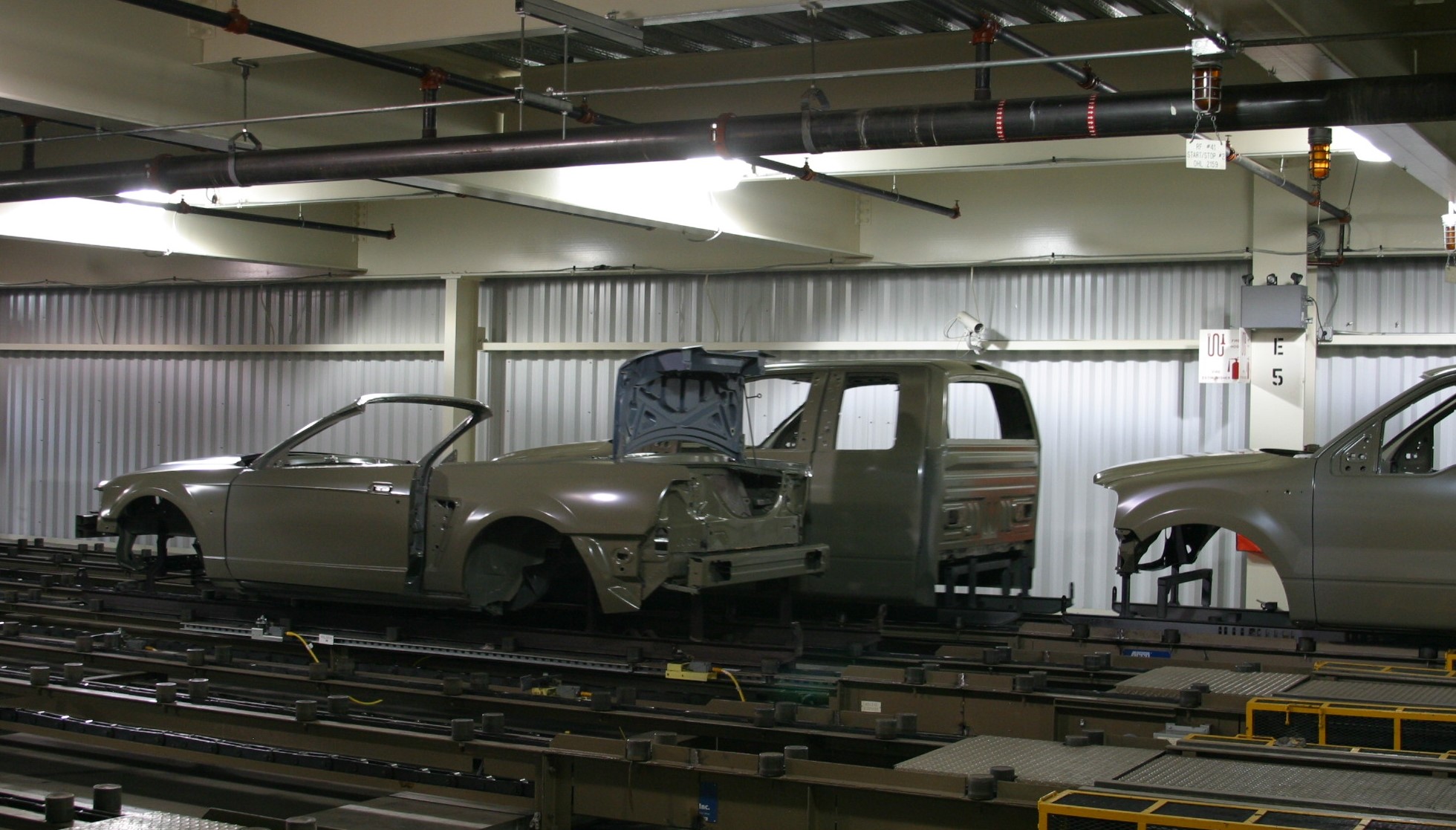
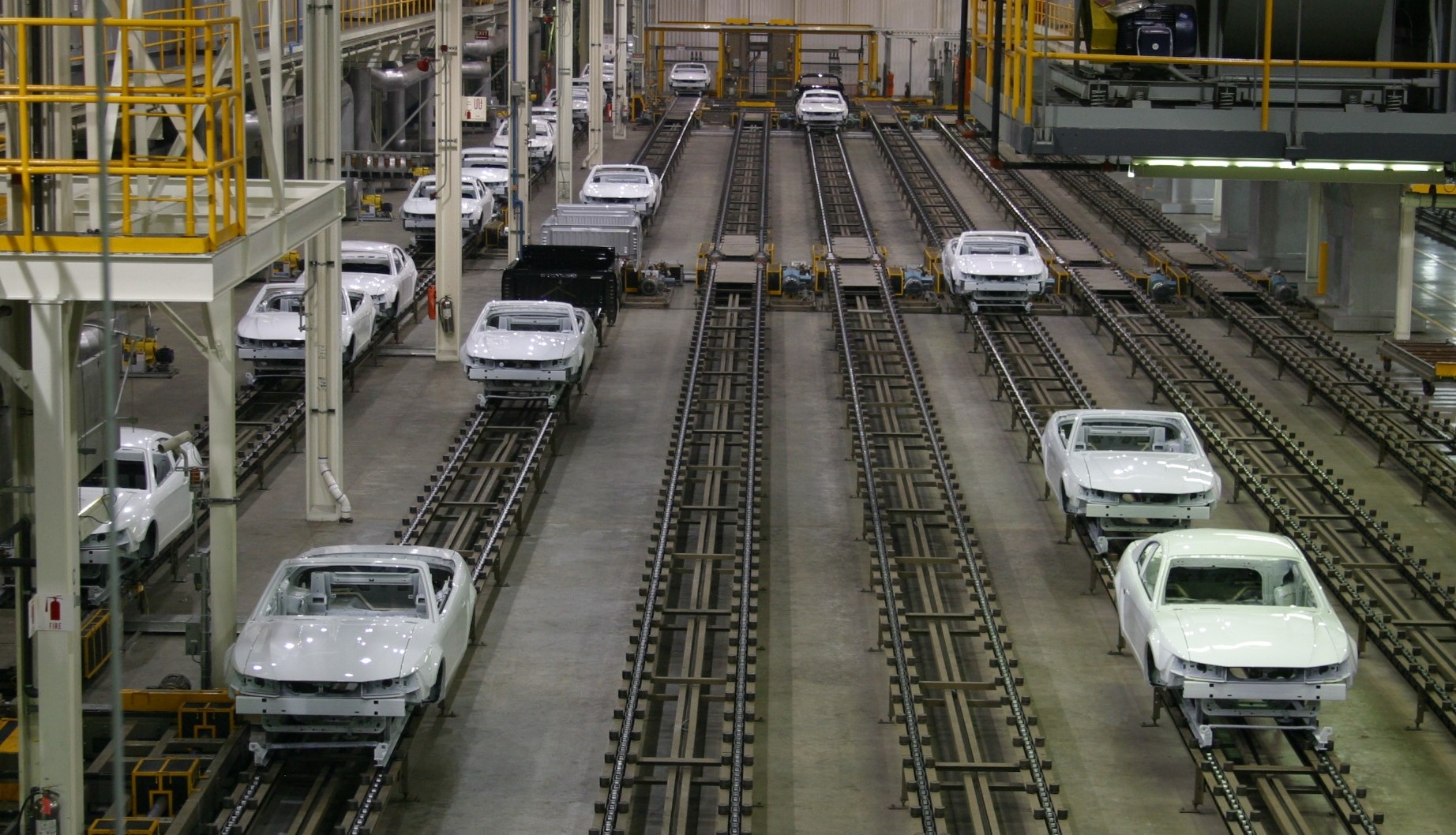
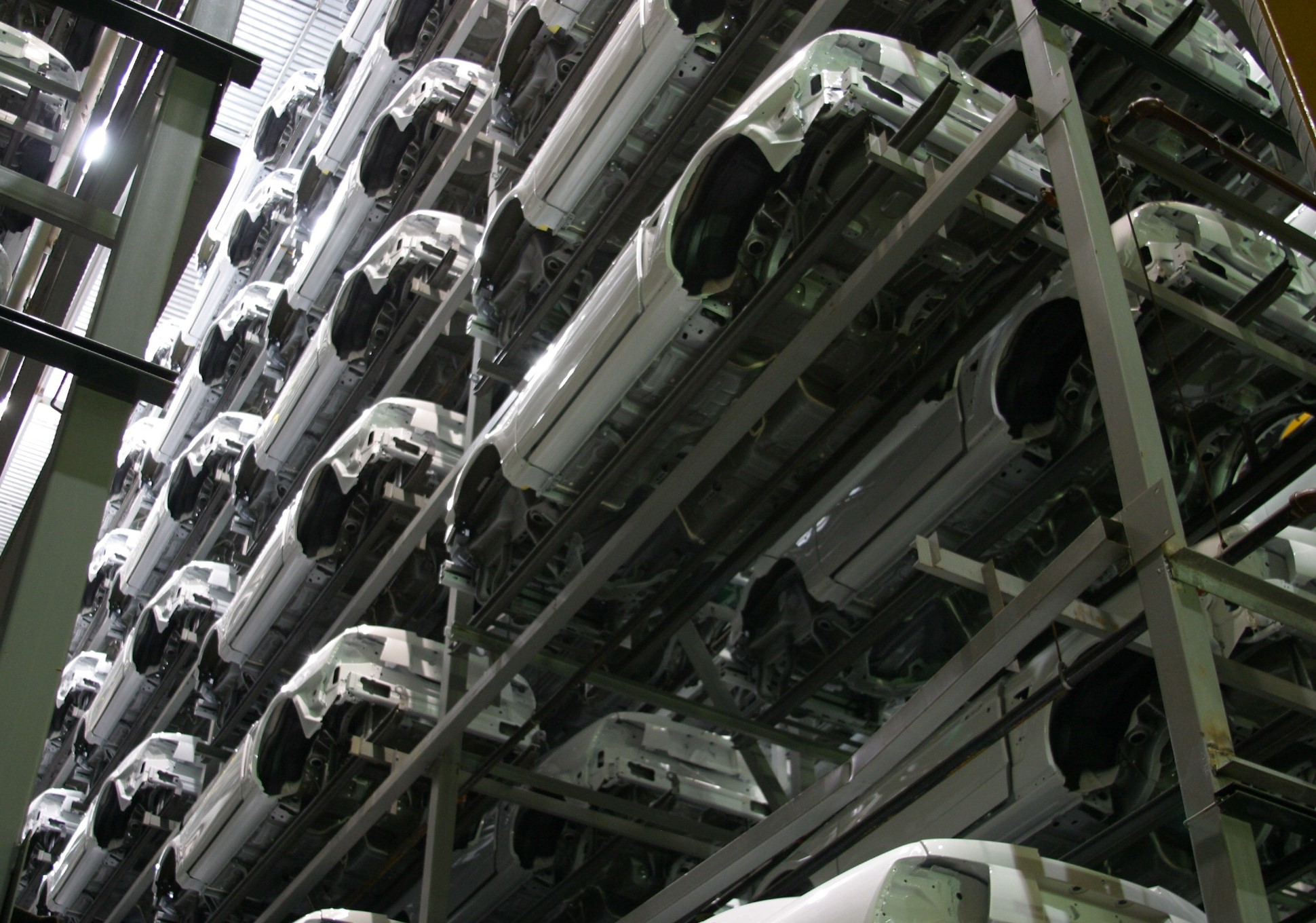
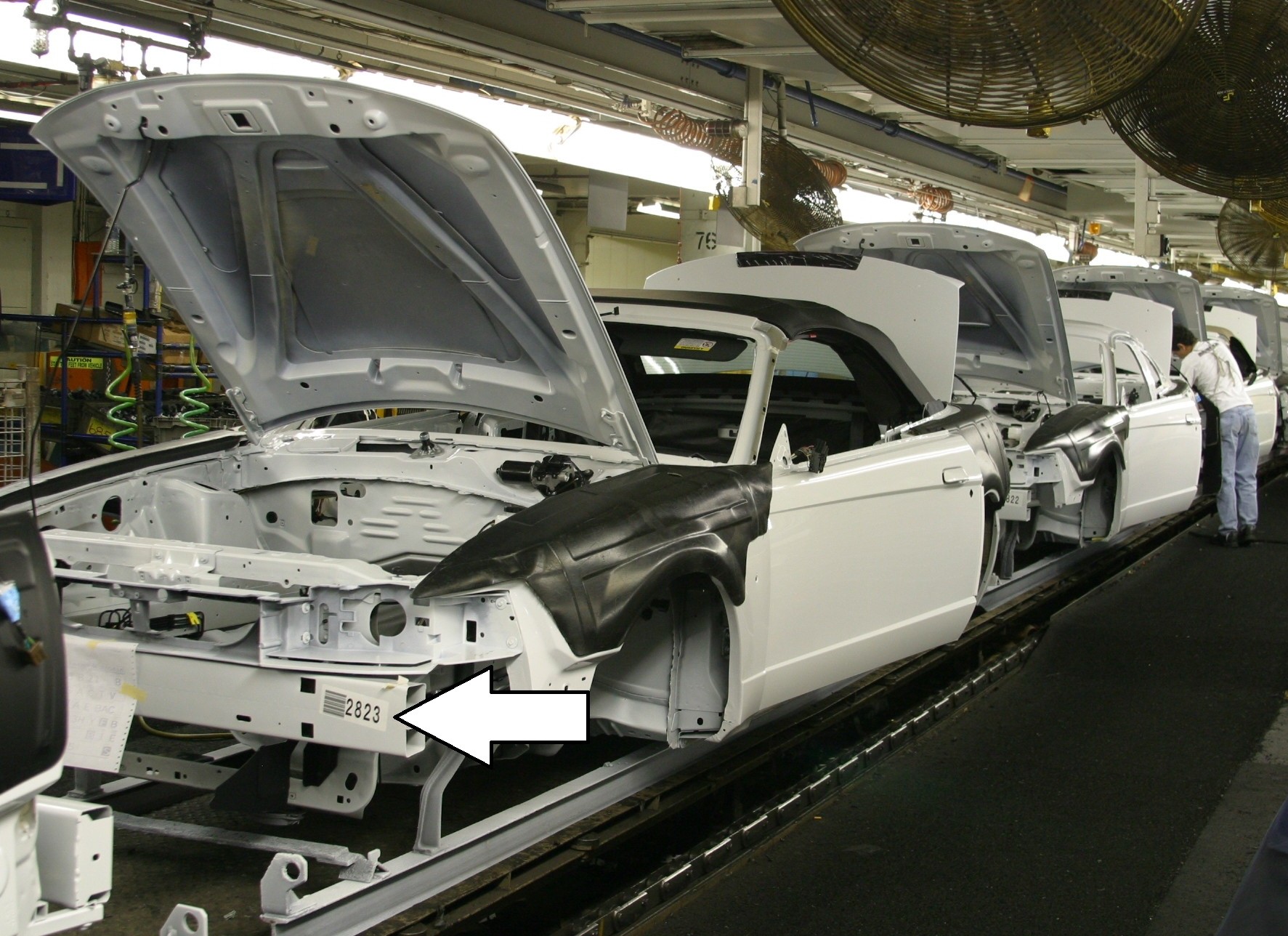
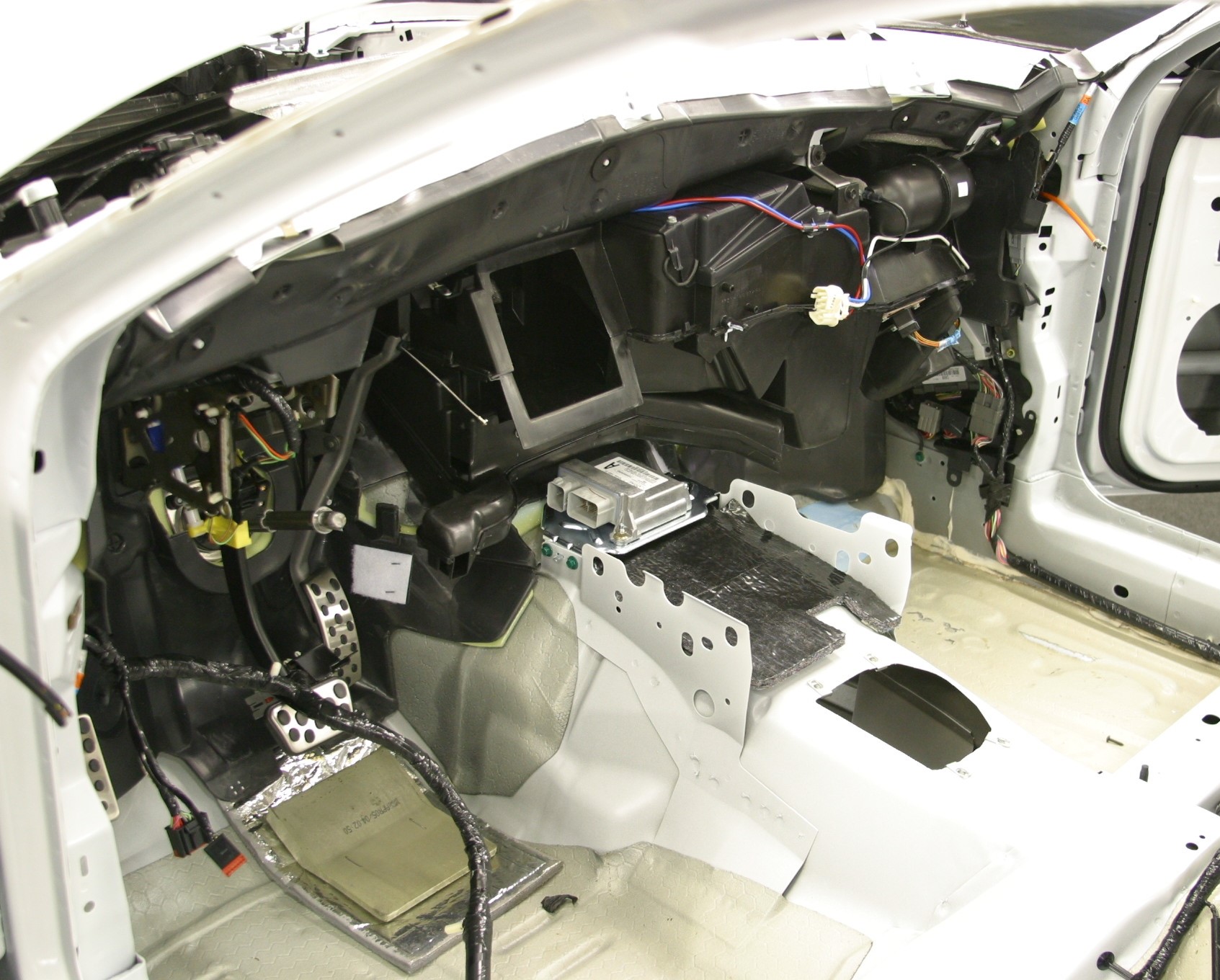
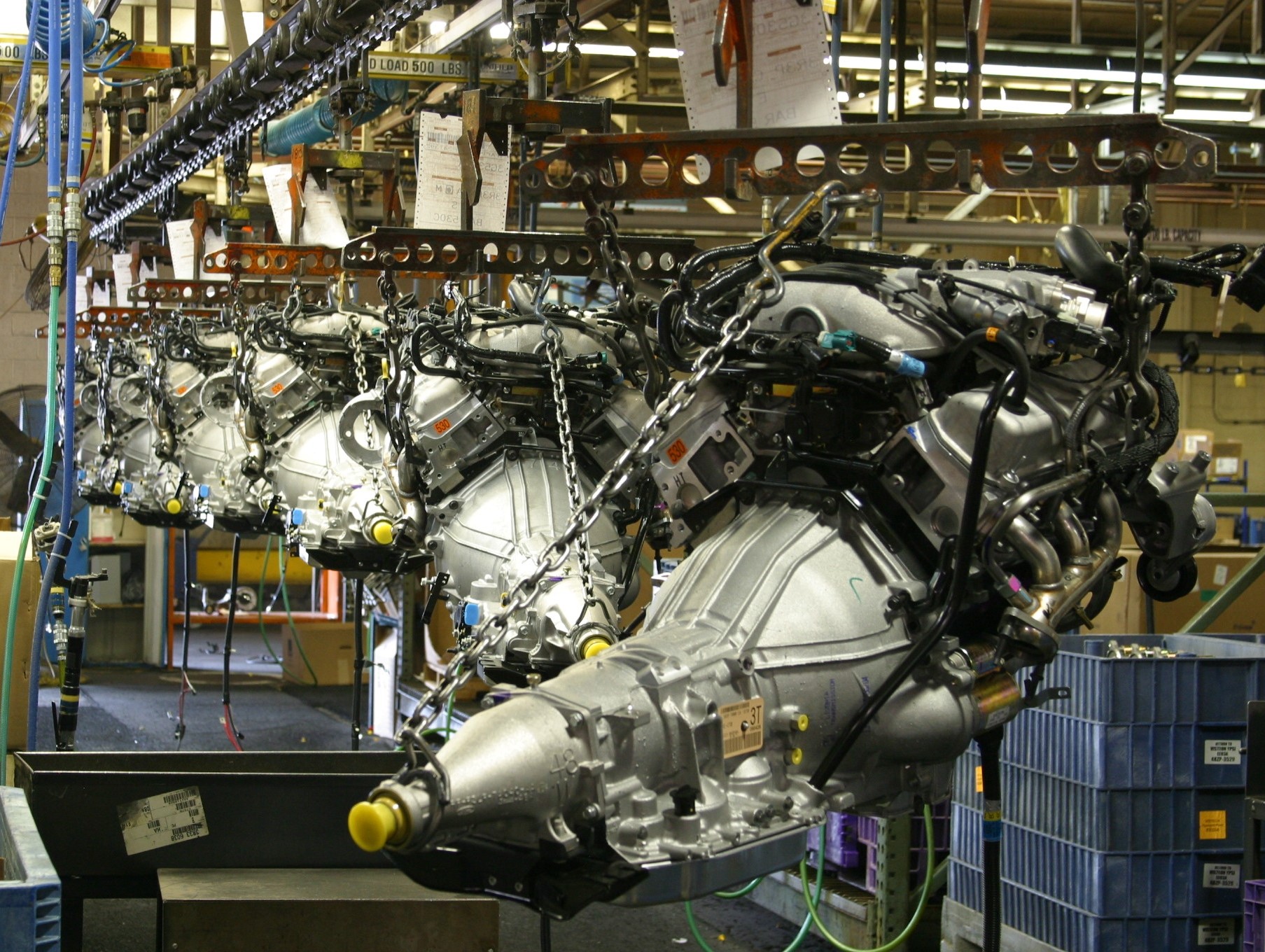
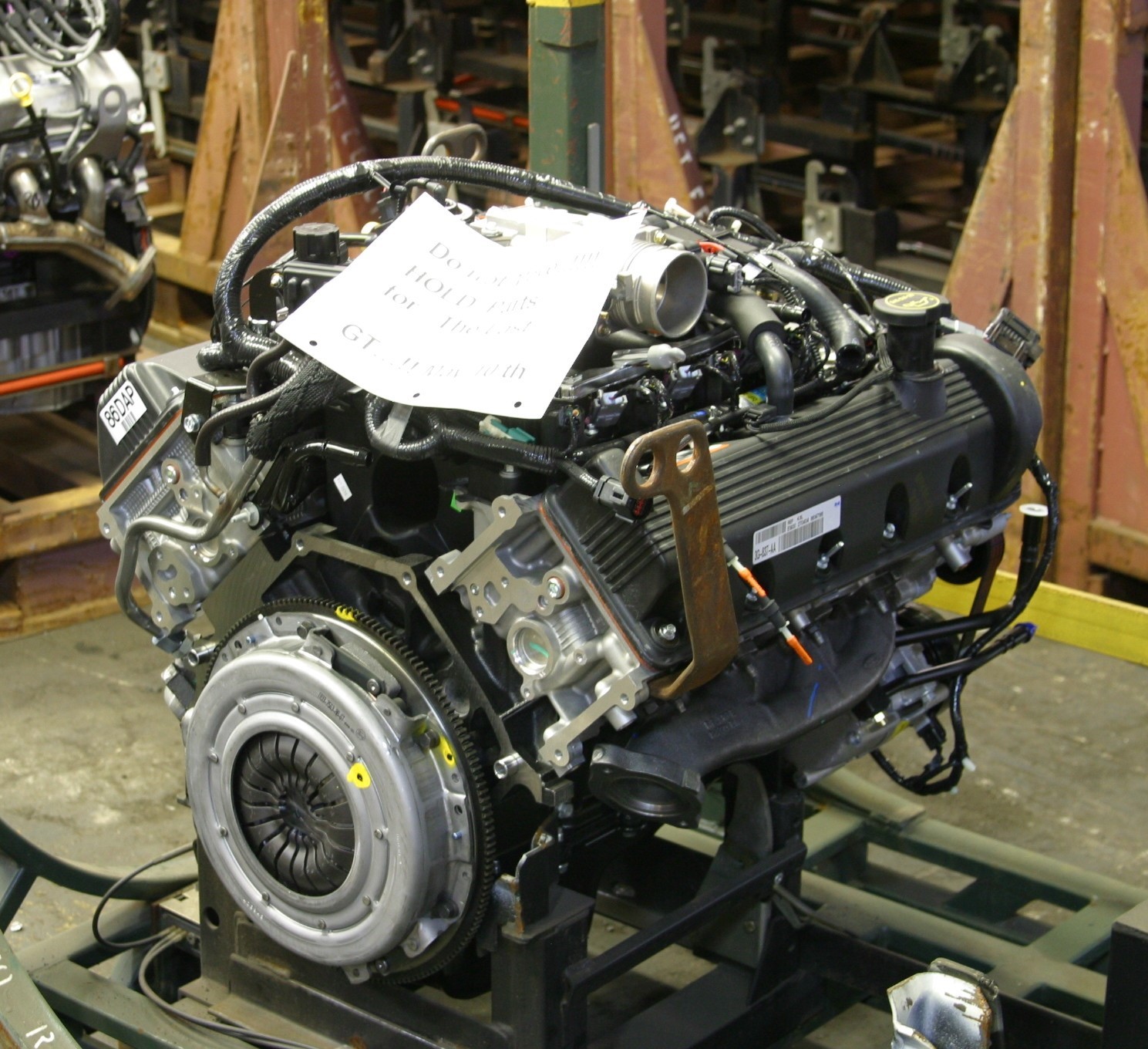
On May 10, 2004, more than a thousand people were in attendance to see the last Mustang roll off the Dearborn Assembly Plant line. The plant was the birthplace of some 6.7 million Mustangs beginning in January 1964. (Image/Jim Smart)Dearborn Assembly’s trim and chassis line in 1940. The plant was opened in 1918 to build Eagle Boat submarine chasers for the US Navy during World War I. It was the oldest Ford plant at the time of its closing. (Image/Jim Smart)1955 Thunderbirds were bucked and assembled at Dearborn along with 1955 Ford sedans and convertibles. (Image/Jim Smart)Dearborn’s body line was a dirty place in 1964 and 2004. Mustang bodies began with a platform consisting of three subassemblies followed by the body sides, gussets, and roof pans. There were robotic automatic welders in 1964, but not as many as there were in 2004. (Image/Jim Smart)Mustang assembly was labor intensive in 1964. A team of two assembly workers on each side secured front fenders and hoods, which were among the final steps of Mustang assembly. One worker held the fender and checked the fit while the other rattled bolts in place. (Image/Jim Smart)The end of the Dearborn line in 1967. It was affectionately known as the “dog house,” which was a huge exhaust ventilation hood installed in the early 1960s. Mercury Cougars were also assembled at Dearborn from 1967-73. The redesigned 1966 Falcon was assembled at Dearborn for one model year only. (Image/Jim Smart)Ford was targeted by the UAW with a lengthy two-month strike in September 1967. It crippled the company and halted production in all of Ford’s plants. An agreement was reached in November and folks went back to work. Note the layer of dust on vehicles that had been sitting idle for two months. (Image/Jim Smart)A Mach 1 in the final phases of assembly in 1970. The piece of paper hanging from the hood was known as the broadcast sheet, which detailed the vehicle makeup for workers to follow. Every subassembly got the broadcast sheet. (Image/Jim Smart)Dearborn also assembled the 1974-78 Mustang II. Although the car gets a lot of rotten tomatoes, customers liked them, buying a total of one million. (Image/Jim Smart)Fox Body Mustang production began at Dearborn late in 1978 with the ‘79 model. This 1986 Mustang body is getting tacked together with a robotic welder. (Image/Jim Smart)It has been said that Fox Body Mustang powertrains went in through the bottom of the car. This has never been true. Installation was more conventional through the top until the redesigned 1994-2004 SN95 Mustang, when powertrains were mounted on color-coordinated subframes and installed from underneath. (Image/Jim Smart)When I arrived at Dearborn Assembly for the Last Mustang build, I was escorted to the body line where some of the last Mustangs were taking shape. These were completed platforms that had not yet received vehicle identification numbers. The platform is actually three subassemblies fed into the main body line to become one integral unit. (Image/Jim Smart)The platforms received body buck tags, which were stapled with a pneumatic staple gun to the radiator support. This process is known as “bucking,” where a vehicle gets its vehicle identification number (VIN). This method goes back to late 1965 at Dearborn. Later on in production, Mustangs got a bar code and permanent VIN at the base of the windshield. (Image/Jim Smart)Mustang bodies were mostly robotically spot-welded together, but even in 2004 they were stick- and wire-feed welded as needed. (Image/Jim Smart)Completed Mustang bodies ready for an acid wash and E-coat. Here, workers wipe down the bodies, then attached chains to a conveyor that would haul them into the E-Coat anti-corrosion dip. Plastic hoods were first used on 1994 Mustangs. (Image/Jim Smart)After getting the green E-coat, bodies entered a drying oven where the coating cured and sound deadening was melted into place. (Image/Jim Smart)This is part of the paint plant where both Mustangs and F-150s were shuffled into order and returned to their respective plants. The Detroit Paint Plant was the only one where Ford trucks and cars would ever be together waiting to be painted. (Image/Jim Smart)This may look like a Carvana car dealership, but it was how Ford stored Mustang bodies awaiting final assembly. Units were shuffled and fed into the trim and chassis line. Each had been assigned a VIN, but not the rotation number on the crossmember. (Image/Jim Smart)Mustang bodies in Oxford White headed for the trim and chassis line for final assembly. They would receive their rotation number at this point. (Image/Jim Smart)This Mustang has its heating and air conditioning unit in place. Note the steering shaft and pedal assemblies. (Image/Jim Smart)These 3.8L V-6 engines and 4R75W transmissions were scheduled for the remaining Oxford White Mustang convertibles and coupes. This was the engine dress-up line where front drives and other accessories were installed along with the exhaust manifolds. (Image/Jim Smart)I was escorted to the Mustang storage tower for a look at the Last Mustang. It was a GT convertible body clad in Redfire Clearcoat paint, ready for its journey to the trim and chassis line for completion. (Image/Jim Smart)Ford set aside two 4.6L V8 engines for the Last Mustang. One was a spare in case the primary engine didn’t function. (Image/Jim Smart)A final high-five for these workers at their station during the last Dearborn Mustang’s final assembly phase. Dearborn plant associates moved on to other plants, with the truck plant next door taking many of them. (Image/Jim Smart)The Last Dearborn Mustang—VIN #242598, Rotation Number #2945. It remains in the care of Ford Motor Company as a historic vehicle that signaled the end of almost a century of manufacturing at Dearborn Assembly. (Image/Jim Smart)
Jim Smart is a veteran automotive journalist, technical editor, and historian with hundreds of how-to and feature articles to his credit. Jim's also an enthusiast, and has owned and restored many classic vehicles, including an impressive mix of vintage Ford Mustangs.



Comments