
Have you ever been in a situation where you need to cut something out of a car but your space is limited? It’s usually a spot where a cutoff wheel on an angle grinder or even a little three-inch cut-off wheel on a die grinder won’t reach. And forget the typical battery-powered reciprocating saw—those are usually a foot and a half long or so and can weigh upwards of 10 pounds. That’s a lot of heft to maneuver, especially if you’re trying to swing it while laying underneath a car.
What can work is a little reciprocating air saw. They’re designed for cutting thin sheetmetal, but given enough time, enough blades and enough cutting fluid, they’ll even slice through something like 3/16-inch steel plate.
Story Overview
- AIRCAT’s 6350 compact reciprocating air saw is perfect for cutting tasks in tight spaces
- Always let the air saw do the work—forcing it to cut will just ruin saw blades
- Use a 32-tooth or finer blade for most metal work
- Always use safety glasses or goggles and gloves when using an air saw
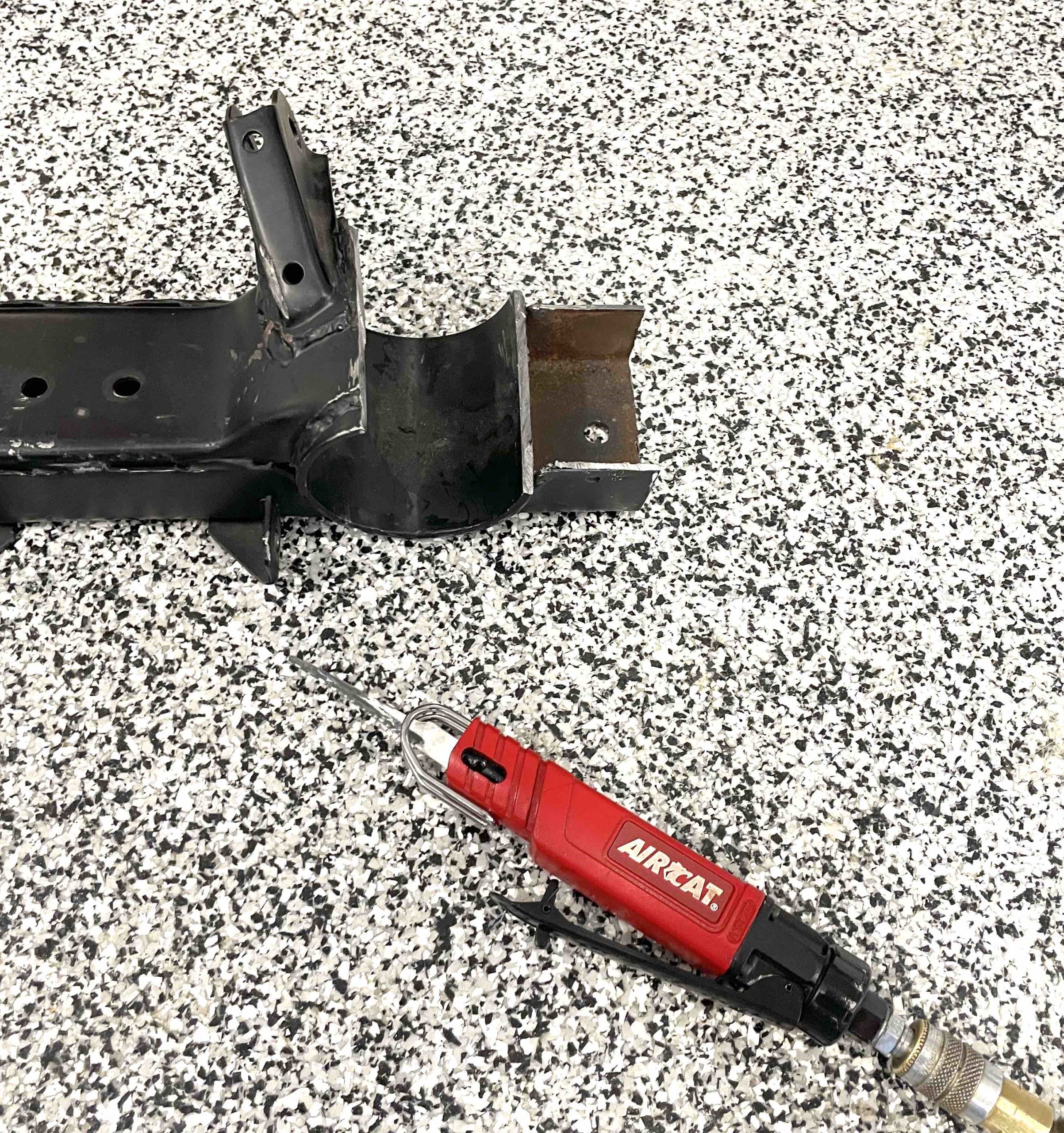
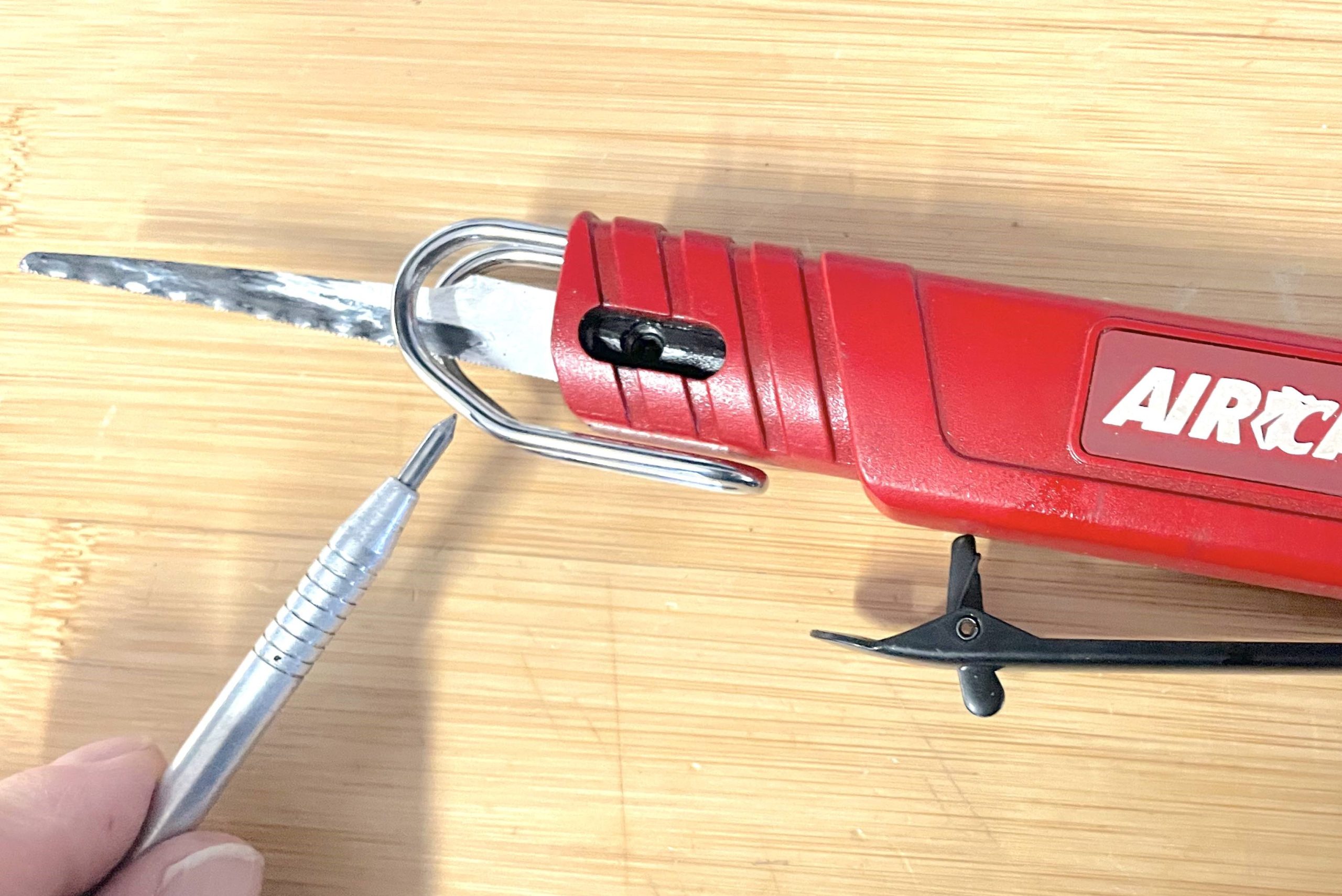
The saw I have is an AIRCAT 6350 from Summit Racing. I used it to cut out the center of a 1/8-inch thick Corvette transmission crossmember and it sliced through with ease.
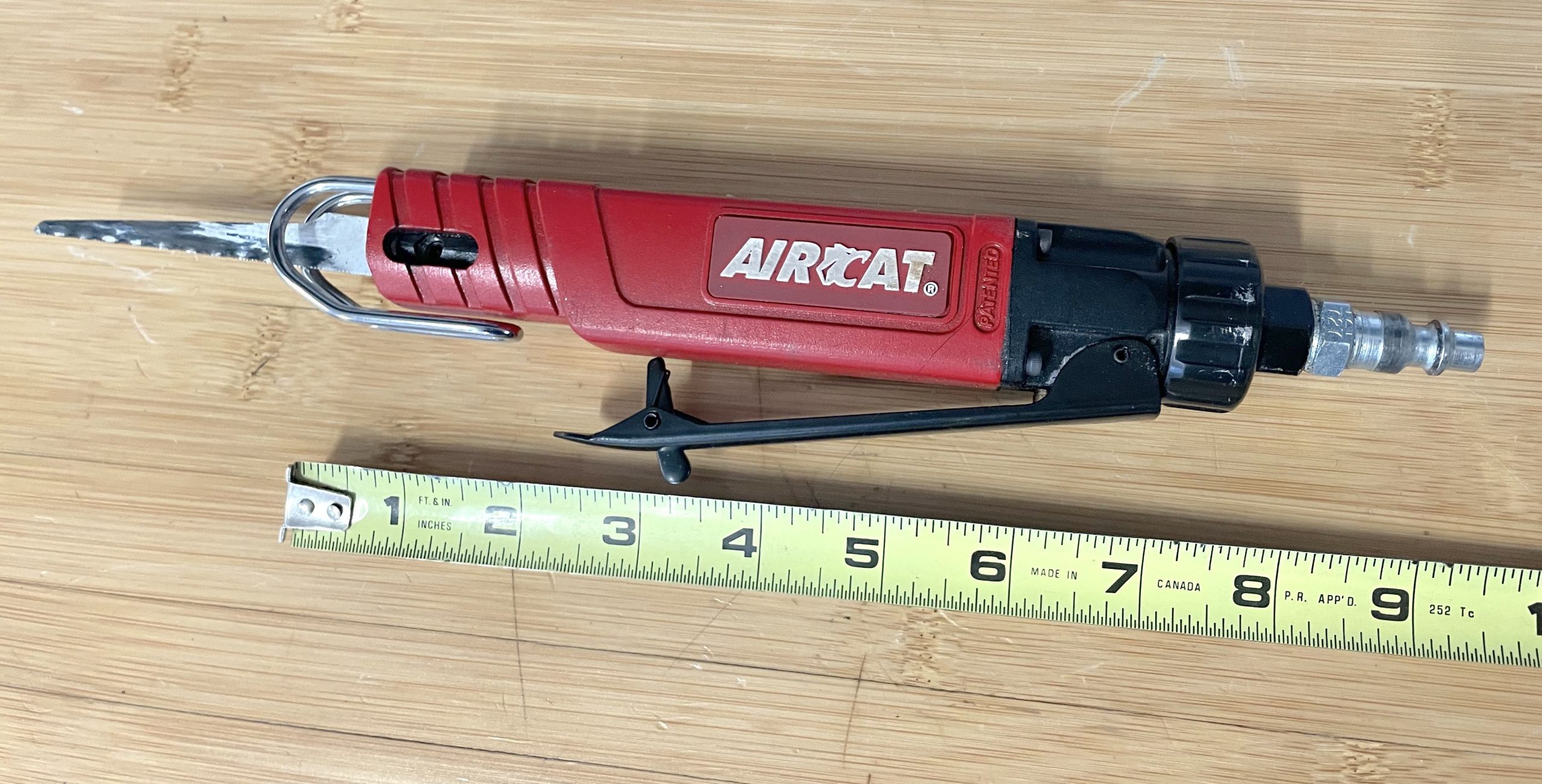
The AIRCAT 6350 is a very compact tool, measuring approximately eight inches long without the blade and tipping the postage scale at just over one pound. It features a 9,500 stroke-per-minute motor for fast cutting action (determined by the thickness of the material). Equally important, I’ve found the little saw just hums along. The vibration level is low and so is the sound.
The saw is easy to handle when you’re stretched out on your back trying to slice something out of your car. And yes, I know it’s not advised to use powered cutting tools while laying on your backside, but we all know there are situations where you just gotta.
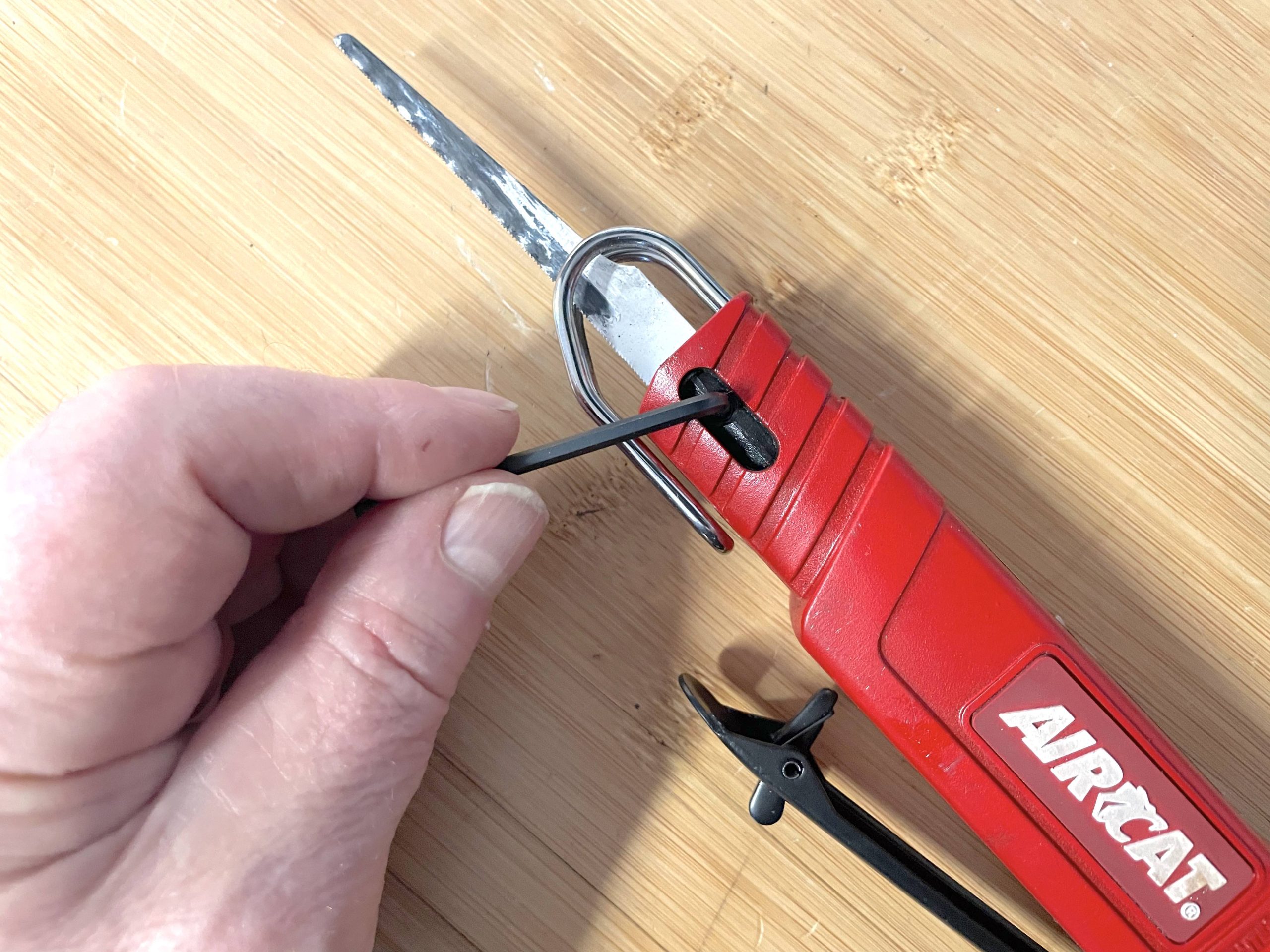
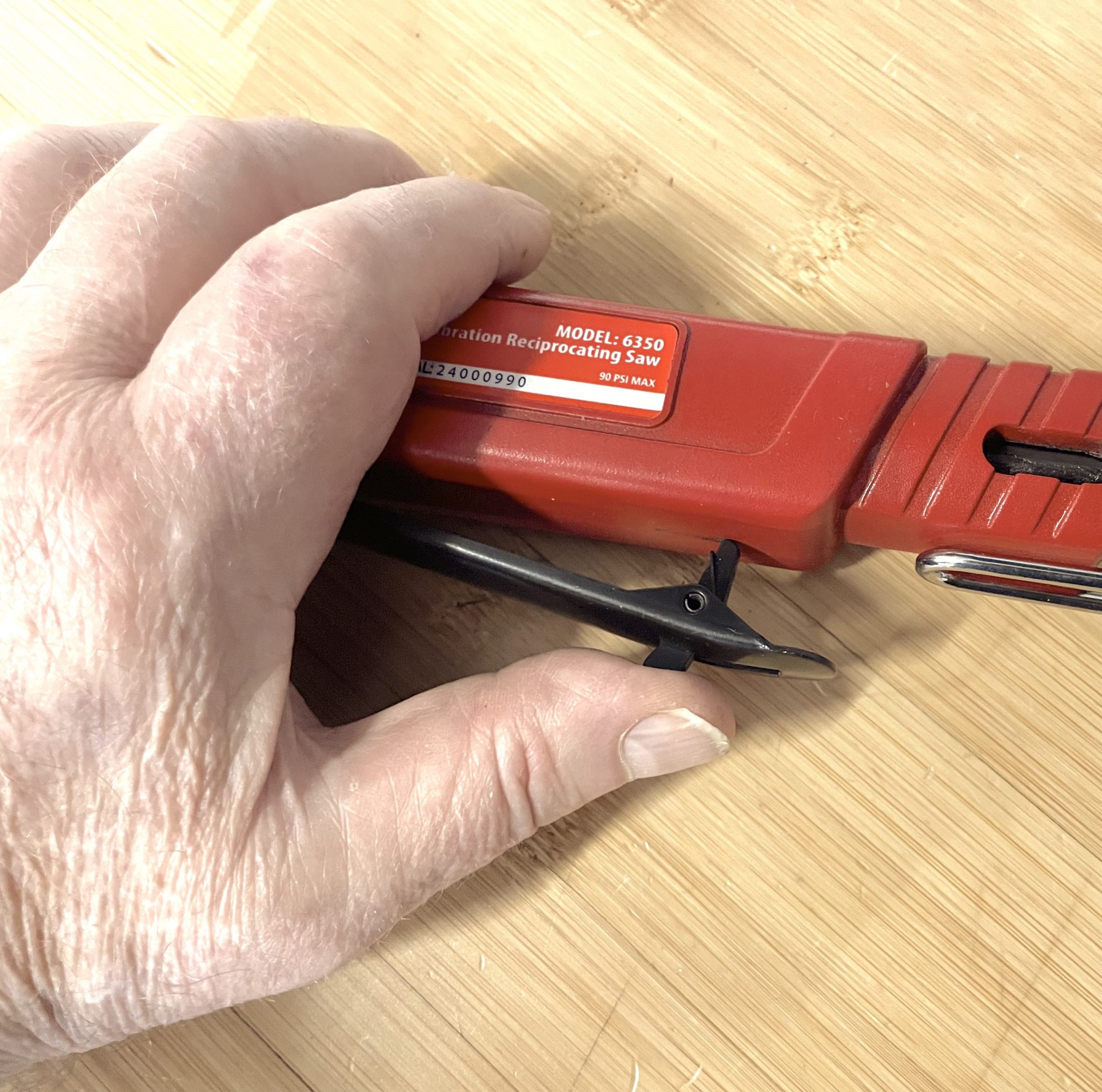
Even though the AIRCAT is small and light, you should still use two hands to steady it. Keep the shoe (sometimes called the guide) next to the material you’re cutting. The shoe is adjustable for length. Let the saw do the work—forcing it won’t make the job go any faster. In fact, it might just wear out or damage the blade sooner. Wait for the saw to get up to speed before starting the cut, then slowly feed the saw into the material. If the blade is in contact with the material before you start the saw, there’s a good chance it will kick back, possibly out of your control.
You’ll soon find the AIRCAT saw can work its way around a curve. The idea is to gently steer the nose of the saw as you guide the blade around the shape you’ve laid out. Don’t use excess force to make the corner.
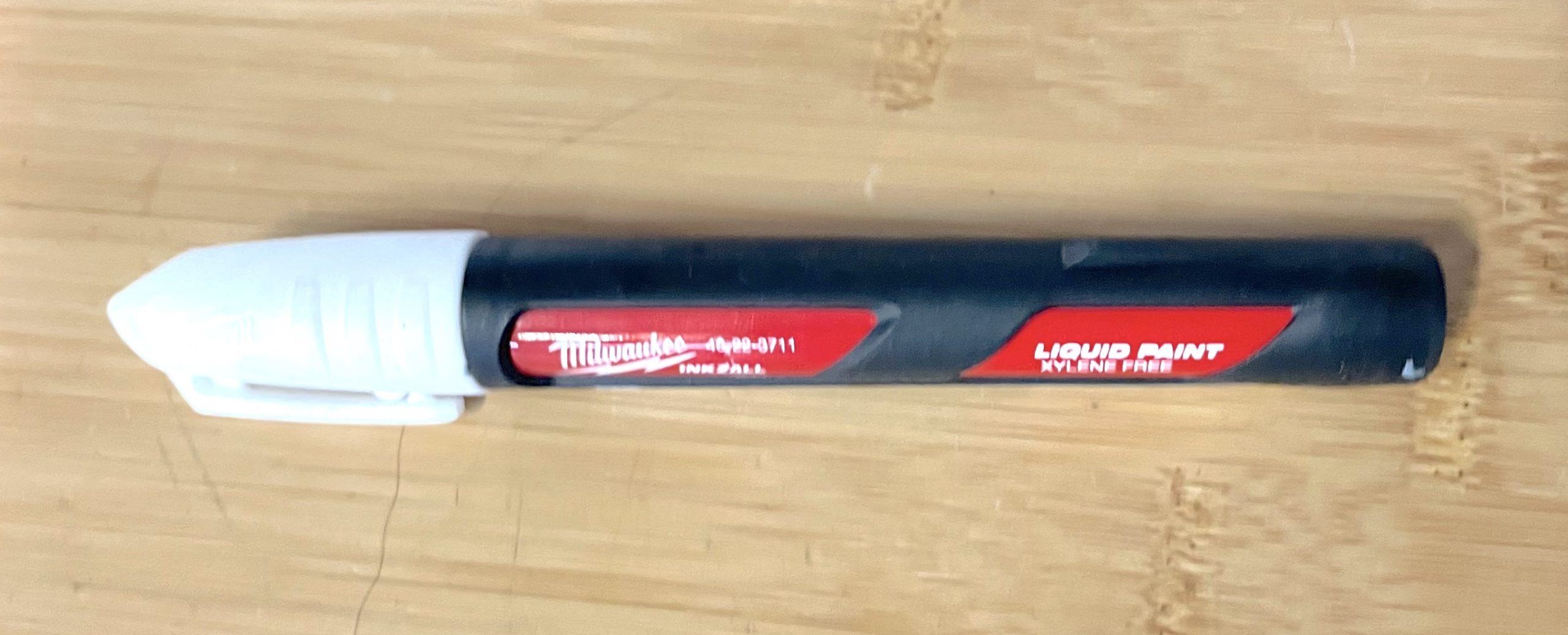
It’s a good idea to mark cut lines in the material. I use a white Milwaukee Inkzall marker to lay out the cut lines, but chalk or a strip of masking tape will work too. Make sure you note the exit point for the saw where the cut ends.
If you’re cutting on a bench, you can clamp a 1 x 4 or 2 x 4 piece of wood on the material as a guide. It works really well for making a long, straight cut. As the blade nears the end of the cut, slightly reduce the pressure on the saw. This can help when it comes to over-cuts. Also, allow the saw to coast slowly out of the cut. This makes for a nice, clean edge.
The AIRCAT 6350 consumes approximately 4 CFM at full bark, which many small air compressors can handle. I have a big compound twin cylinder air compressor so the air supply demand isn’t critical. Something I do before I start is to make sure I have sufficient airline behind the tool so that I can easily move it around. And if you’re under the car, don’t lay on the hose! Drape it over your shoulder.
Safety Considerations
Here are some safety considerations when using an air saw:
- Make sure there is really good lighting in the work area
- Select the correct blade for the material. Fine-toothed metal cutting blades are right for steel and alloy materials
- Never insert or withdraw the blade from a cut or lead hole while the blade is moving
- Never put down a saw until the motor has stopped
- Unplug the airline when the saw isn’t in use
- Don’t reach under or around the material being cut
Be cognizant of what’s behind the material you’re cutting. I usually have a section of aluminum plate or rubber to go behind the cut if it’s close to something delicate. Finally, don’t forget about personal protective equipment (PPE). I use safety glasses or goggles along with gloves. You might need respiratory protection depending upon what you’re cutting, too.
As you see, air saws like the AIRCAT 6350 are extremely versatile. Some folks who use them claim they’ll never use a hack saw again. From my experience, that could very well be true.


“Story Overview:” = AI. I’m not reading any more of these that contain any of this garbage. Also every one I get tricked into clicking on, I add a uBlock filter based on the URL that makes the article disappear forever from my version of the internet.
Hey CC, Wayne Scraba has been writing tool features for OnAllCylinders for over a decade now. You can read all his stuff here. This is definitely NOT an AI generated article, in fact, that is his hand in some of those pics. He snaps those photos from his own home workshop and he really uses all the tools he reviews in his own projects (from a big-bock powered Nova drag car to his latest C3 Stingray resto project).
…
We use the Story Summary overview feature to help folks quickly skim the article to get the gist of the piece, so they’re able to determine if it answers the specific question they’re asking.
…
Check out our staff roster here, and you’ll get a good idea of how OnAllCylinders is dedicated to serving the enthusiast community with authentic, original, and authoritative tech content. We appreciate you reading…and your warranted skepticism…hope this clears things up.