
It’s a perfect day at the track and you’re carrying a ton of speed out of that last corner. The straight is shorter than expected, and the next corner is coming up fast. You brake hard, but there’s not enough room. Instinct takes over—right foot off the gas, left foot on the clutch. A sharp pull of the hydraulic handbrake locks the rear wheels, scrubbing speed and causing the car to snap sideways while you countersteer.
As your speed drops into the sweet spot, you roll onto the throttle, release the handbrake, and drop the clutch, breaking the rear tires loose. Using smooth adjustments and measured throttle input, you hold the perfect line—gliding through the corner with control, confidence, and a cloud of tire smoke.
Another perfect drift in the books.
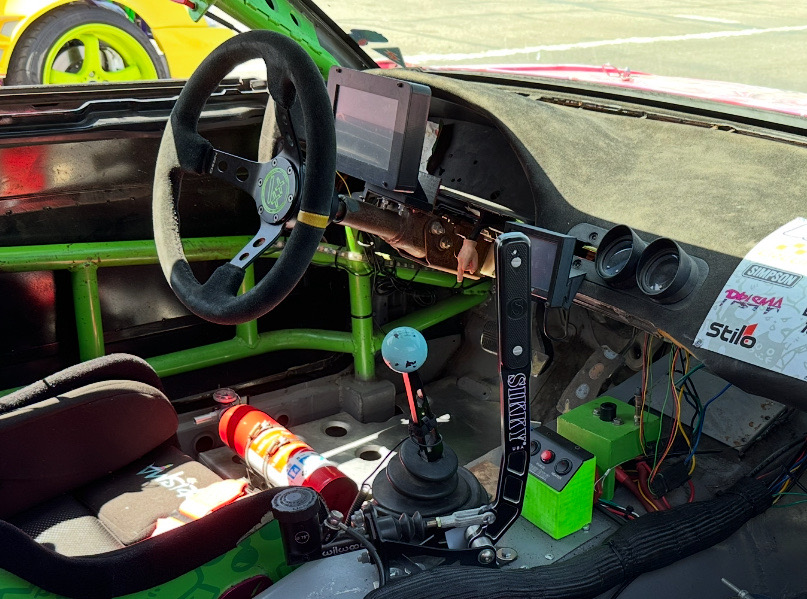
So, What Is a Hydraulic Handbrake?
A hydraulic handbrake is a critical tool in motorsports that demand sharp or controlled vehicle rotation, such as drifting (as described above), rallying, gymkhana, and some forms of time attack.
Traditional parking brakes rely on cables to engage the rear brakes. Hydraulic handbrakes use brake fluid to generate pressure via a master cylinder, activating either the existing rear calipers or a dedicated secondary set of calipers. This design provides significantly greater clamping force and quicker response.
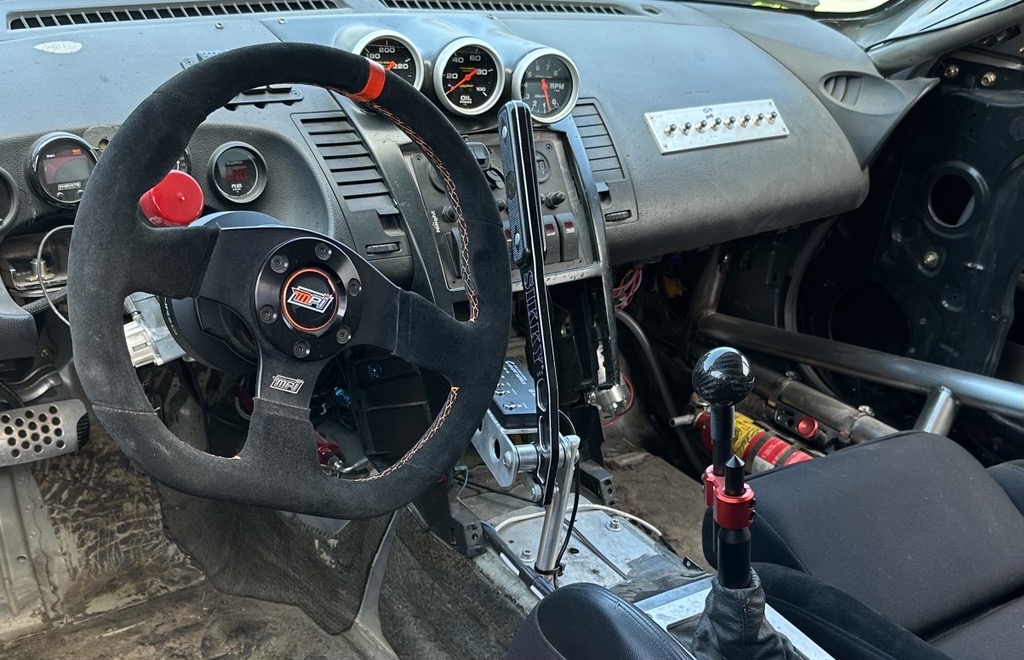
Unlike a stock parking brake—which is built for holding the car stationary—hydraulic handbrakes are designed for momentary use during driving, allowing the driver to lock or slow the rear wheels on demand to initiate or adjust a slide, control rotation, or manage traction dynamics mid-corner.
Common Hydraulic Handbrake Setups
Hydraulic handbrakes can be installed in a few different ways, depending on the intended use and your existing brake system. The most common configurations include:
Inline Hydraulic Handbrake
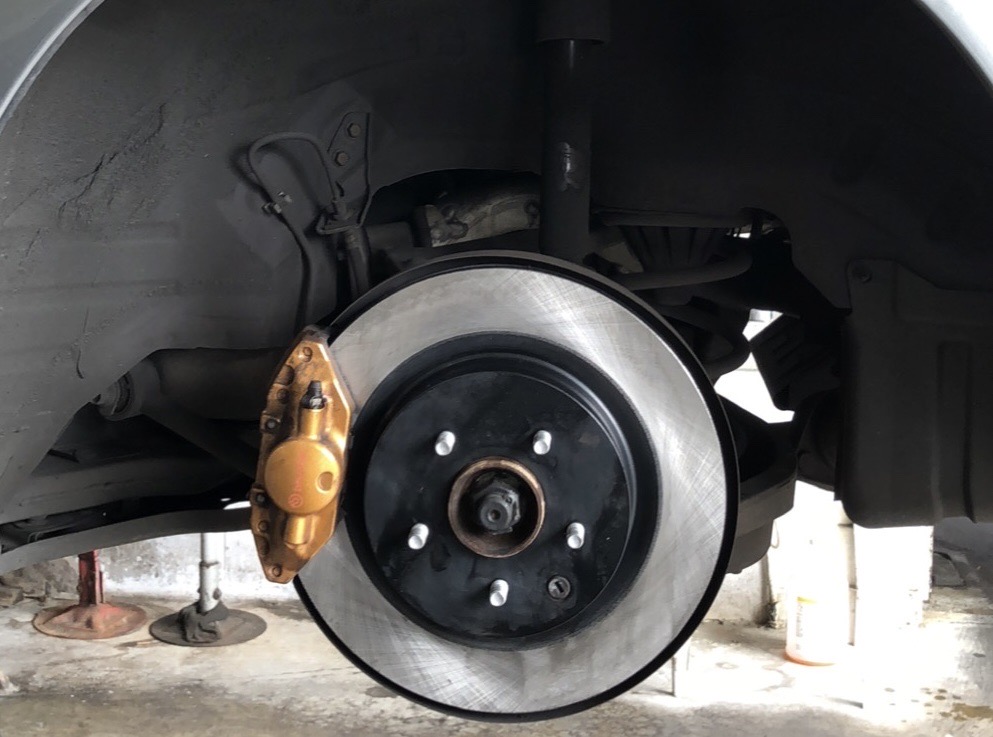
In an inline setup, the hydraulic handbrake is plumbed into the existing brake line that runs from the master cylinder to the rear brakes. When the handbrake is pulled, it momentarily interrupts the flow and pressurizes the line, engaging the rear calipers.
Pros:
- Simple and cost-effective
- Uses existing calipers
Cons:
- Can interfere with the foot brake system
- Not as consistent under heavy track use
- Risk of rear brakes dragging if the handbrake doesn’t return properly
Best For:
- Amateur drift builds
- Occasional use or testing platforms
Dual Caliper Handbrake
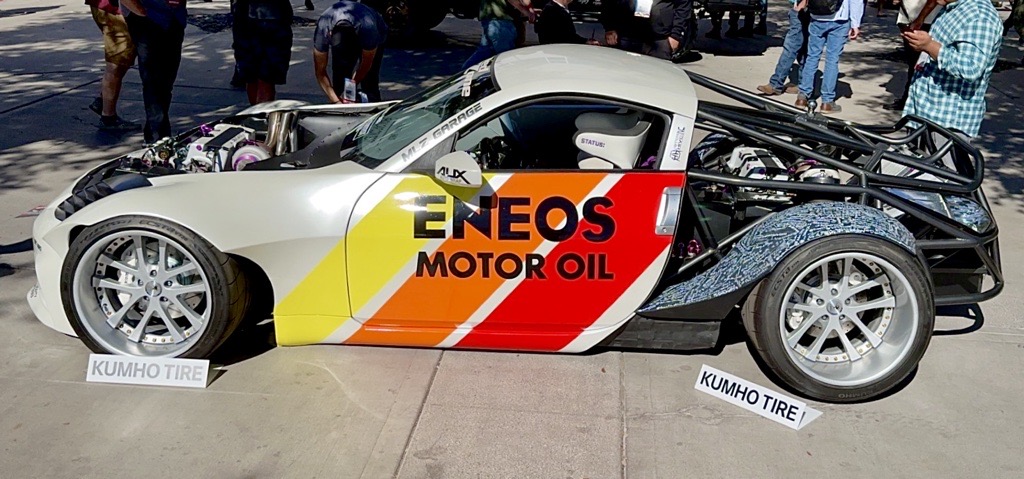
This setup uses a separate caliper mounted on each rear rotor specifically for the hydraulic handbrake. A dedicated master cylinder with its own fluid reservoir sends pressure only to the secondary calipers when the handbrake is pulled. Your vehicle’s standard foot brake system remains completely independent.
Pros:
- No interference with the main brake system
- Superior consistency and reliability
- Easier to maintain and diagnose
Cons:
- Higher cost due to additional calipers and hardware
- Requires custom brackets or modified knuckles for caliper mounting
Best For:
- Competitive drift cars
- Rally cars
- High-performance applications

Applications for Hydraulic Handbrakes
- Drifting: A hydraulic handbrake is essential for initiating and maintaining oversteer. Drivers often use it to break rear traction quickly, especially during transitions or when approaching tight corners.
- Rallying: Drivers use hydraulic handbrakes to negotiate tight hairpin turns (especially on loose surfaces like gravel or snow), where rapid vehicle rotation is required. The handbrake helps pivot the car around the inside front wheel.
- Gymkhana and Autocross: In precision driving events like gymkhana, where rapid directional changes and tight turns are common, a hydraulic handbrake helps improve control during quick maneuvers.
Key Considerations When Installing a Hydraulic Handbrake
Braking Characteristics and Pedal Feel: Modifications to a vehicle’s braking system can significantly influence its behavior and feedback.
With an inline hydraulic handbrake, the rear brake circuit is temporarily taken over when the handbrake is engaged, which can alter both braking characteristics and pedal feel. However, during normal driving—when the handbrake is not in use—braking performance remains largely unaffected.
In contrast, a dual caliper setup operates independently of the vehicle’s primary braking system. Because it is not integrated into the existing brake lines, it avoids interference with brake pedal feel or overall braking performance, making it the preferred choice for many performance drivers.
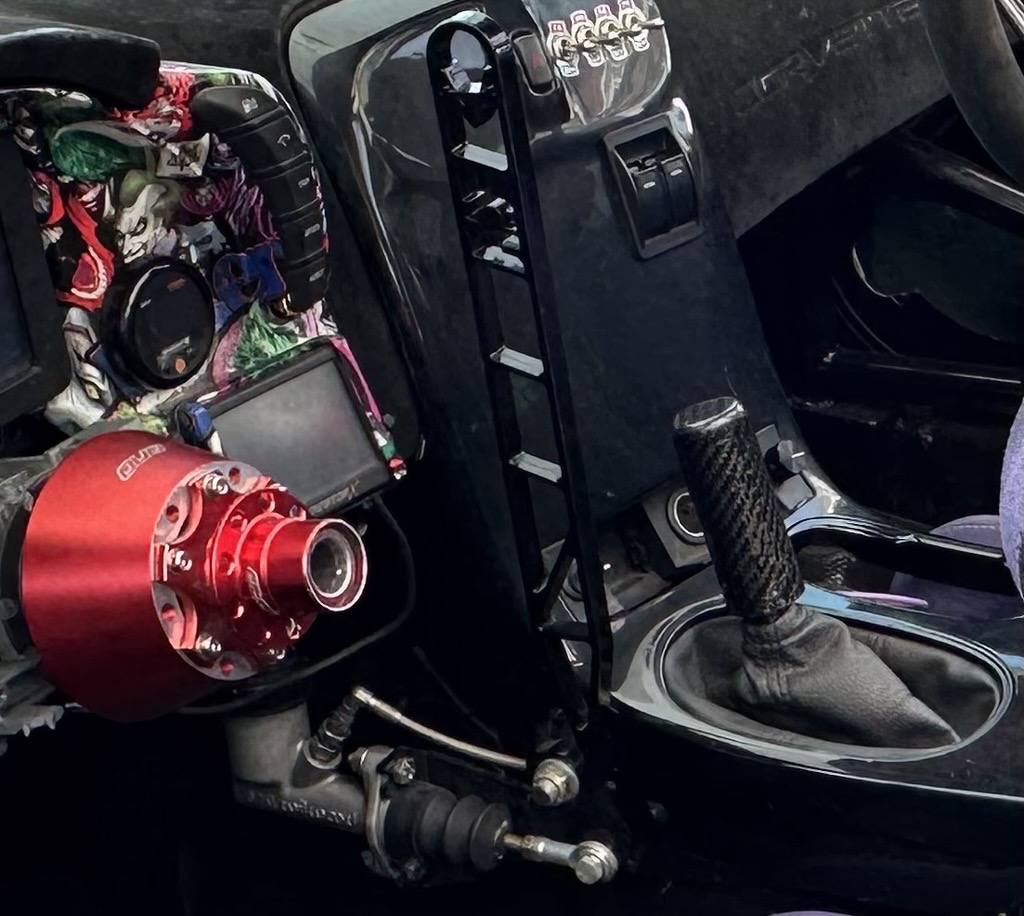
Master Cylinder Sizing: Choose the correct master cylinder bore size for your system to ensure proper brake pressure without excessive pedal or lever travel. In most cases, using a master cylinder with a larger bore diameter will result in a handbrake with a firmer feel as well as less travel and less braking force, while a smaller bore master cylinder will provide a softer feel with more travel and greater braking force.
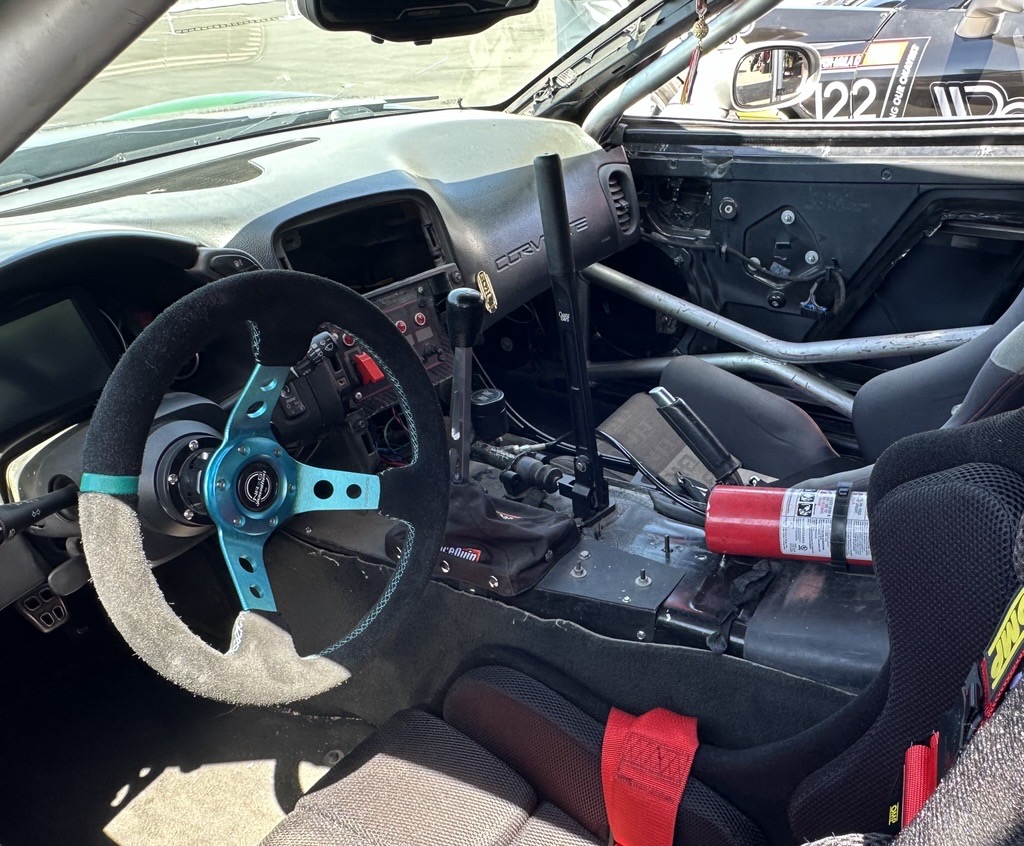
Mounting Position: Ideally, the lever should be within easy reach of the driver’s right hand (in left-hand drive cars), often mounted next to or behind the gear shifter.

Conclusion
Hydraulic handbrakes are more than just a flashy tool for motorsport; they offer a practical, powerful way to control vehicle dynamics.
Whether you’re a drifter looking to fine-tune your transitions or a rally driver needing surgical precision in hairpin corners, the right hydraulic handbrake setup—be it inline or dual caliper—can make a significant impact on your car’s performance.


Comments