I have a 1967 Chevelle that has a 307ci small block. I’ve been considering building a 355ci small block or swapping in a 6.0L LS engine. I know the LS will probably cost more but everything I’ve heard says the LS engines make more power. I don’t need a race engine but 450 to 500 horsepower would be great. I’m leaning toward doing the LS swap. Do you have any suggestions?
D.L.
There are a lot of pieces to this puzzle and we won’t be able to cover them all. But we can offer some suggestions to make your decision a little easier.
You can make roughly 400 horsepower pretty easily with a mild 350ci or 355ci small block Chevy. That can be accomplished with 10.0:1 compression, a mild flat tappet camshaft (around 226 degrees duration @ 0.050) and a set of budget aluminum cylinder heads or iron Vortec heads like Summit Racing’s. If you stick with a carburetor and an HEI distributor, you can build that engine for under $4,000 or so if you watch your budget.
If you want 450 horsepower or more as you stated, a 383ci small block will make a little more power based on its displacement but you’ll have to buy a rotating assembly, which will kick the cost past $6,000. You can also go the crate engine route. Blueprint Engines offers several that make over 450 horsepower, but the price tag will be even higher.
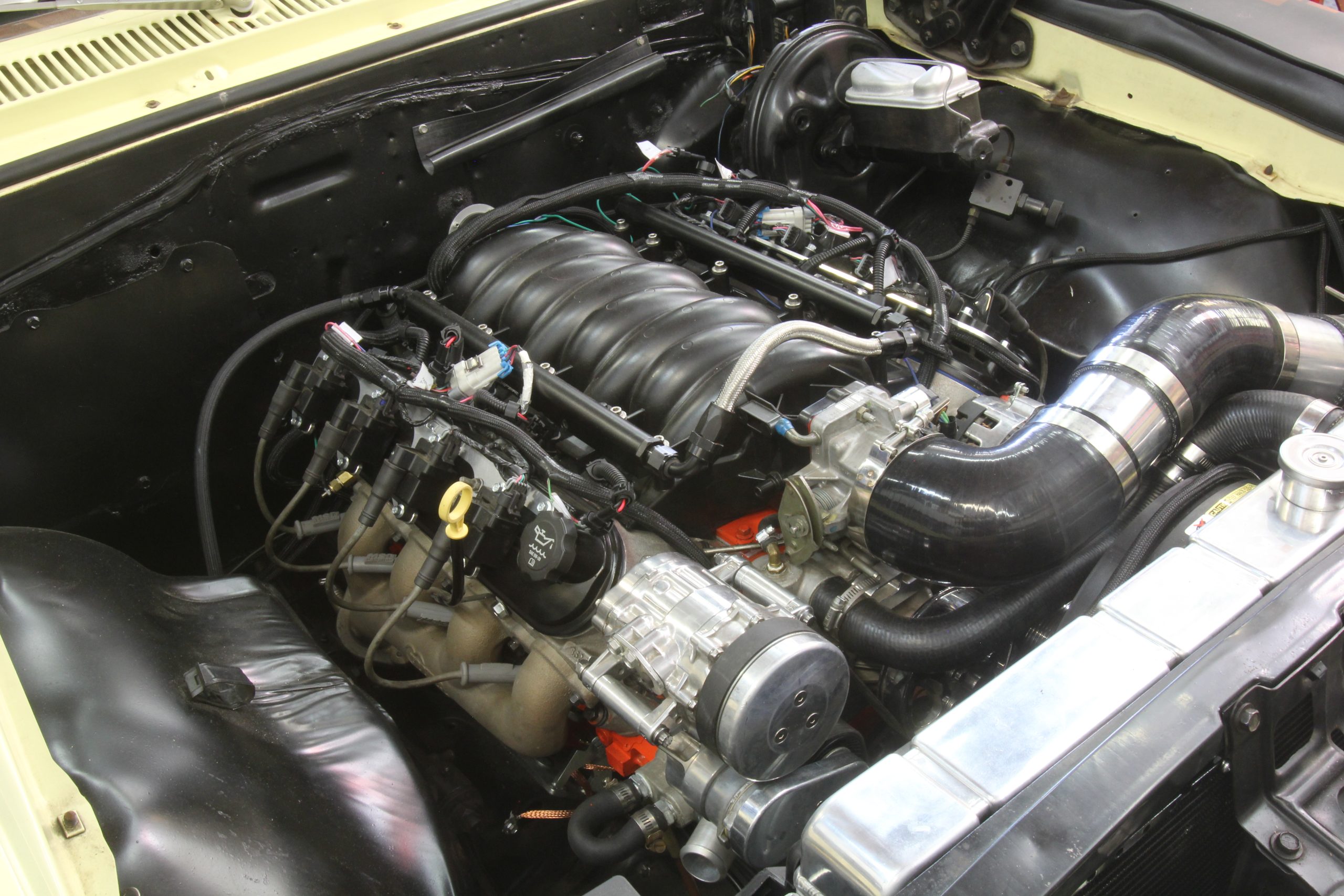
As for the 6.0L LS, there are plenty of them making over 450 horsepower with just a camshaft swap, intake manifold, and carburetor on an otherwise stock engine. These Gen III 6.0L engines are becoming hard to find these days because demand is so high, so the ones that are left will be more expensive. We’ve done these LS conversions multiple times over the years and we’ve never regretted any of them.
If you go with a 6.0L or perhaps a Gen V 6.2L direct-injection engine, you will need new engine mounts to fit it in your Chevelle. You’ll also need a new oil pan to clear the crossmember and provide adequate ground clearance. We wrote an OnAllCylinders story that goes into far more detail on which motor mounts and oil pans to use for an LS engine swap in a first-gen Chevelle.
One decision you’ll have to make if you go the LS route is whether to use a carburetor or electronic fuel injection. Going carbureted negates having to convert to a high-pressure fuel delivery system. But if you have to buy a new carb, intake manifold, and the appropriate MSD ignition box, the cost will be really close to an aftermarket EFI system like Holley’s Terminator-X systems.
If you go EFI (which is really the best way) there are options for the fuel system. You can modify a factory tank with a Holley in-tank electric fuel pump assembly or an Aeromotive Phantom conversion kit. Holley, Tanks, Inc., FiTech, Classic Performance, and others make nice EFI-ready fuel tanks to make the conversion easier.
When plumbing an EFI fuel system, avoid the temptation to mount a high-pressure fuel pump near the tank and using the pickup in the stock carbureted fuel tank. This setup will work only if the fuel level is half full or higher. Fuel slosh and a lower fuel level will expose the pickup to air, causing the fuel pressure to drop. Engine performance will sag as the lower pressure leans out the air-fuel mixture. Think of trying to accelerate away from an intersection with a big truck barreling down on you and the engine sags and hesitates. Not good.
As you can see, there are multiple issues to resolve, but hopefully these suggestions will help you choose the best path.


Comments