
Designing and producing a new car is a daunting task, with hundreds of millions of dollars on the line. This goes doubly true when an automaker sets out to create a vehicle for a niche market, and is exactly the kind of challenge Toyota undertook when developing the 86.
While small sports coupes are beloved by enthusiasts, they aren’t exactly volume sellers.
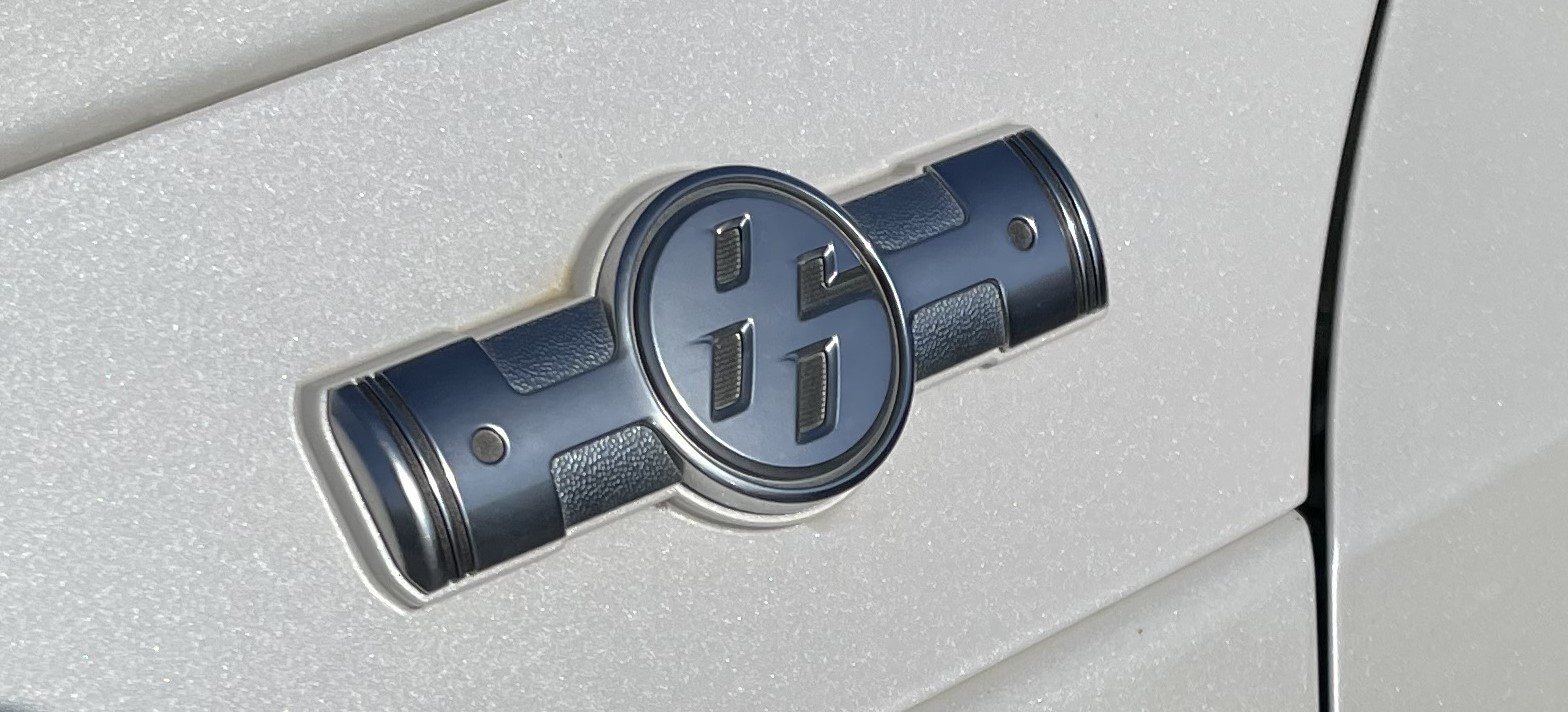
Luckily for us, Toyota knocked it out of the part with the launch of the 86 (or Scion FR-S, as the first generation car was sold as by Toyota in the United States).
But one thing has been gnawing on us:
If the Original 86 was a Corolla, Why Does This Car Get to Use the Name?
To find the answer, you have to go back quite a ways in time and figure out where all the inspiration came from. Because although the car is 86 in name, the influence that went into its development dates back much further.
The Sports 800
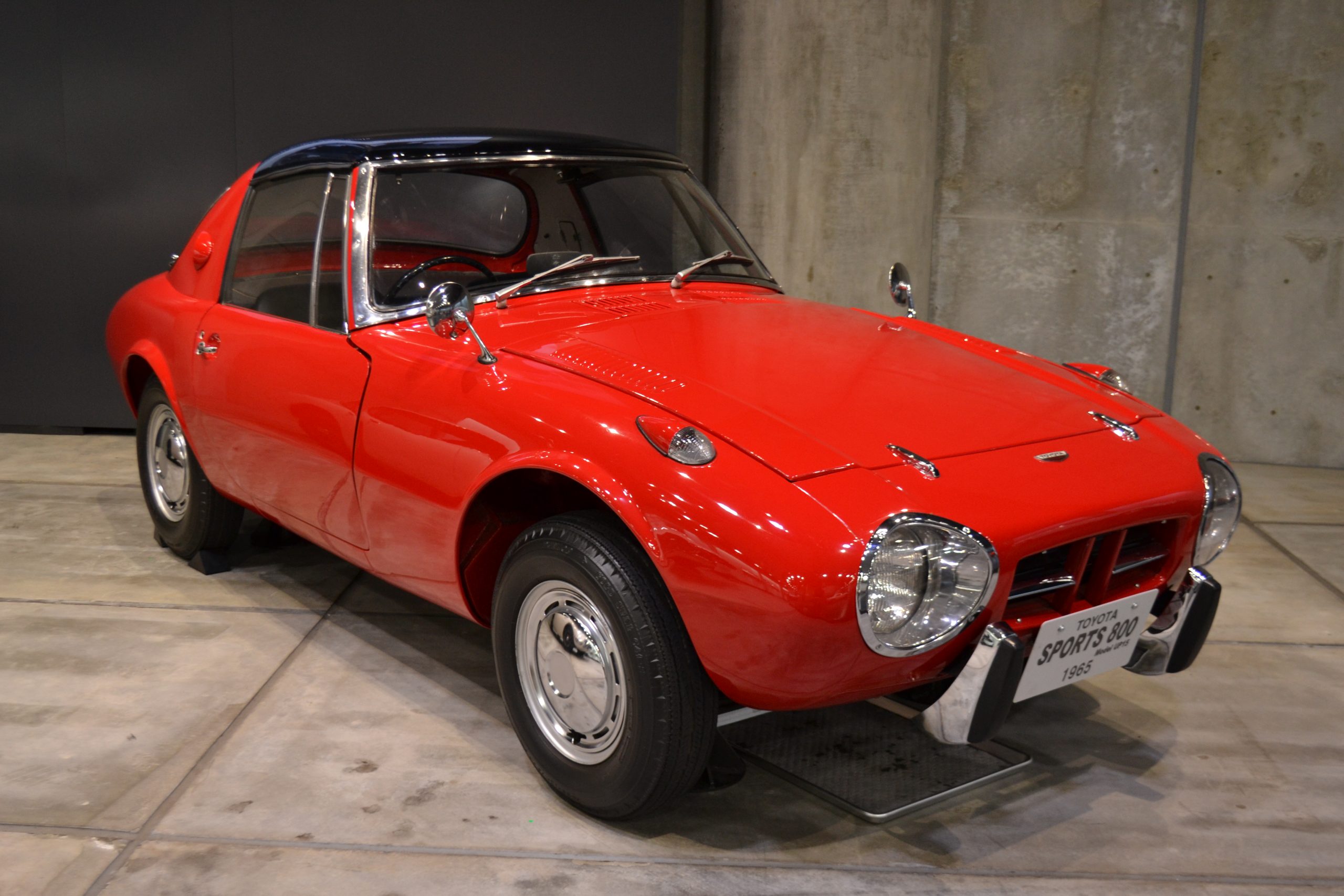
Toyota released its first production sports car in 1965. This was the Toyota Sports 800, sometimes called the “Yota-Hachi”, meaning “Toyota 8”.
Instead of building a big, powerful racing machine for the road, Toyota opted to focus on attractive aerodynamic styling and keeping the weight down. At just 1,279 pounds, the Yota-Hachi was certainly light—which it needed to be, as the 790cc two-cylinder boxer engine that powered it made a mere 44 horsepower. Despite lackluster power by today’s standards, the Sports 800 could still reach 100 mph.
Remember: Boxer engine, light weight.
The 2000GT
Stepping on the scene in 1967 to global fanfare was Toyota’s shot at a halo sports car, the 2000GT. The 2000GT was powerful, fast, and luxurious, but most importantly it looked great. So good, in fact, that we’ll give you a moment to admire it.
Take your time, we don’t mind…

Development of the 2000GT was handled mostly by Yamaha, with Toyota cooperating on the design and parts supply aspect of the project. Toyota provided their 3M straight six from the Crown, but Yamaha worked their magic by sprinkling a triad of two barrel Mikuni-Solex carbs atop a new dual overhead cam cylinder head. The combination of all this work led to the public’s perception that generally conservative Toyota could, in fact, build a fine grand touring machine.
Remember: Legendary styling, corporate cooperation.
The Corolla/Sprinter
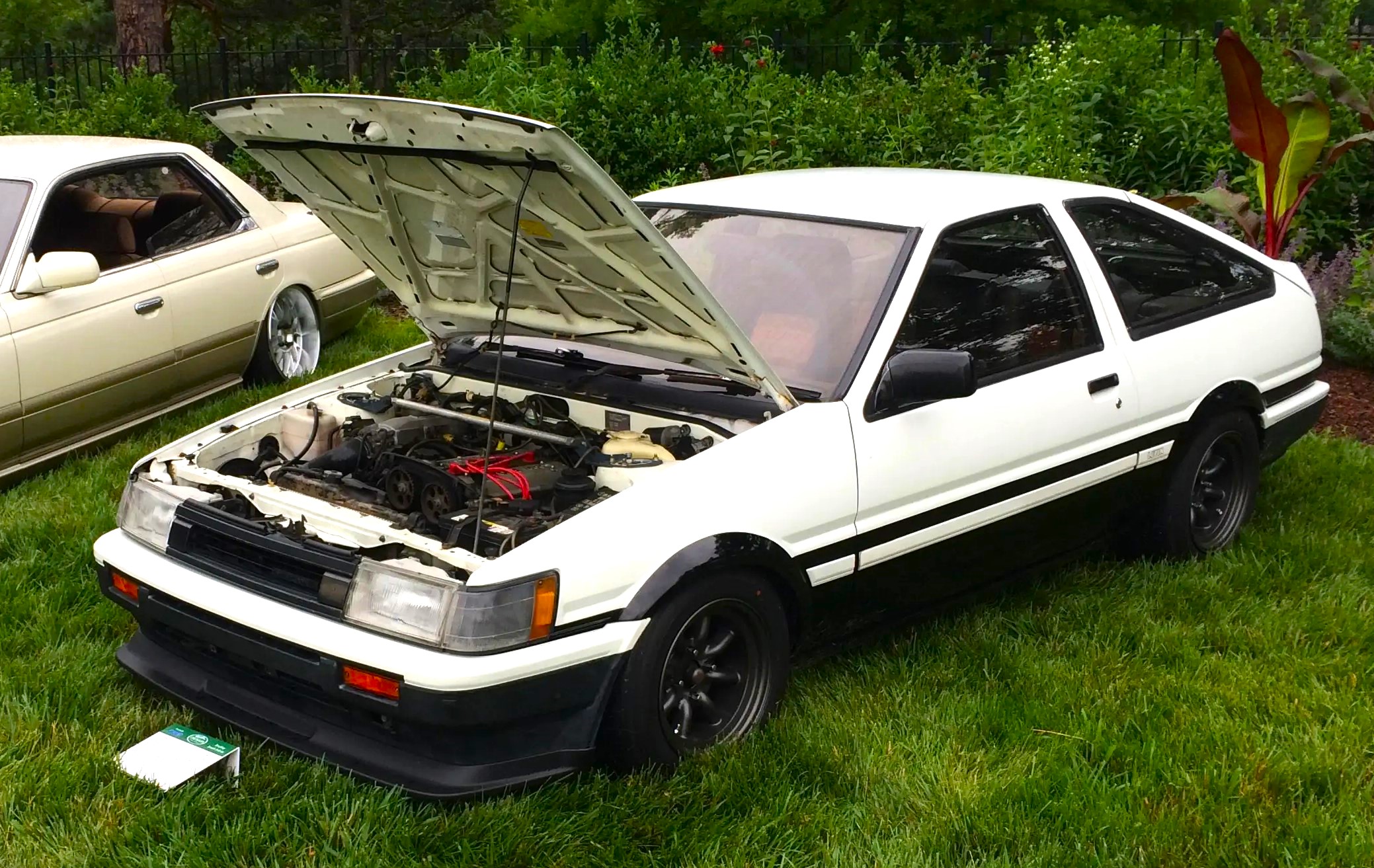
In 1983, most of the Toyota Corolla and variant Sprinter models were switched over to front wheel drive, except for those riding on chassis with the internal code AE85 and AE86. While the AE85 cars generally were more focused on economy, the AE86 versions were destined for motorsport. Powered by the 4A-GE engine, the Corolla Levin and Sprinter Trueno (or Corolla GT-S, as seen in the United States) were successful in rallies and on the track but gained a massive following in the drifting community. Their excellent driving dynamics and ease of customization were the hottest selling points.
The popularity of the AE86 was so strong that fans started to simply refer to them as “Hachi-Roku”, or 8-6 (eight-six, not eighty-six) to differentiate them from their standard Corolla brethren. The 86’s popularity was catapulted to new heights with its inclusion in the drifting manga (Japanese comic) “Initial D”.
Sadly, the AE86 was one of the last holdouts for front-engine, rear-wheel drive performance vehicles at an affordable price point: the following generation Corolla was front-wheel-drive across the board.
Remember: The 86 name, easy to modify.
The GT86, FR-S, and BRZ
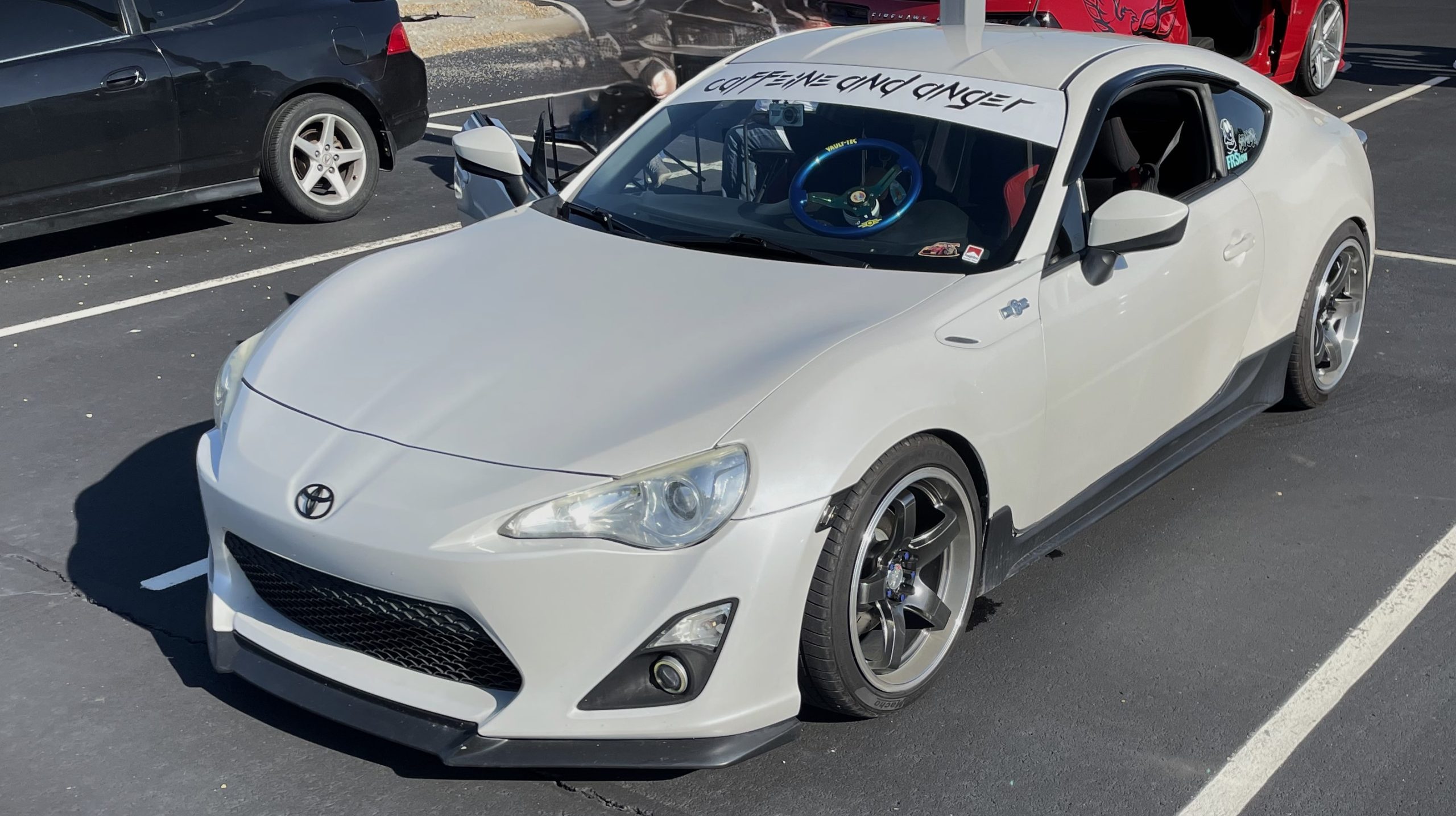
When Toyota decided it wanted to produce a new sports car, the automaker laid out a set of rules that should seem pretty familiar now. The car needed to be front engine, rear-wheel drive, with excellent driving dynamics, light weight, attractive styling, and a great foundation for modification to suit its owner’s desires.
With a focus on driving dynamics and modifications, the decision to name the car after the famous Hachi-Roku was a surefire one.*
Thus, the new Toyota 86 was born.
* Though in the United States and Canada, Toyota sold the car under the Scion brand as the FR-S until the entire Scion marque was shut down—more on that in a sec.
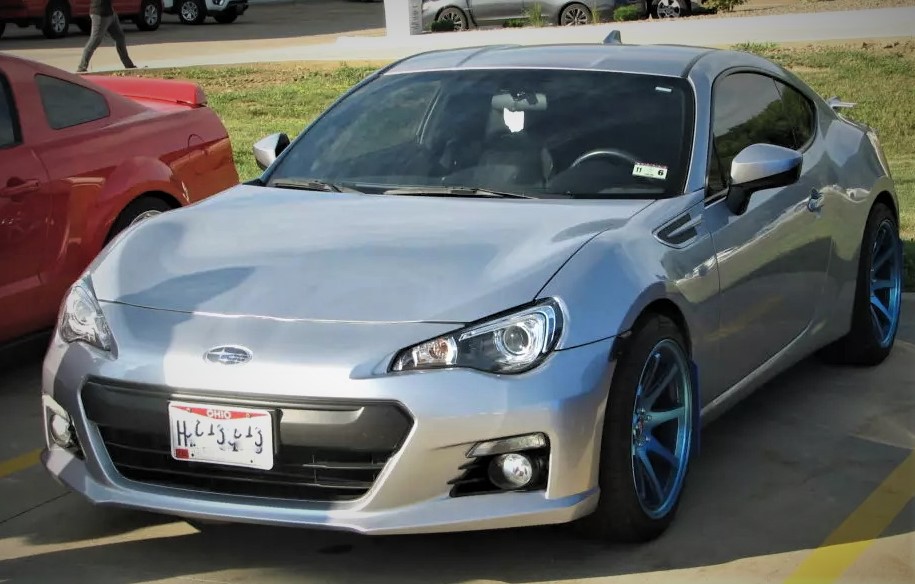
In their quest to develop a top-notch performance car, Toyota knew they’d have to cater to performance enthusiast’s tastes. To do this, Toyota needed to partner with another manufacturer (as it did with Yamaha during the development of the 2000GT) and called on the help of Subaru—a company that Toyota had just purchased a stake in.
Spurred on at the idea of cooperating on a bespoke, rear-wheel drive sports car, Subaru said no.
…Which makes sense, considering Subaru had built its reputation on the benefits of all-wheel drive.
Six months later, Toyota tried again, this time inviting Subaru management and engineers to experience a pre-production prototype.
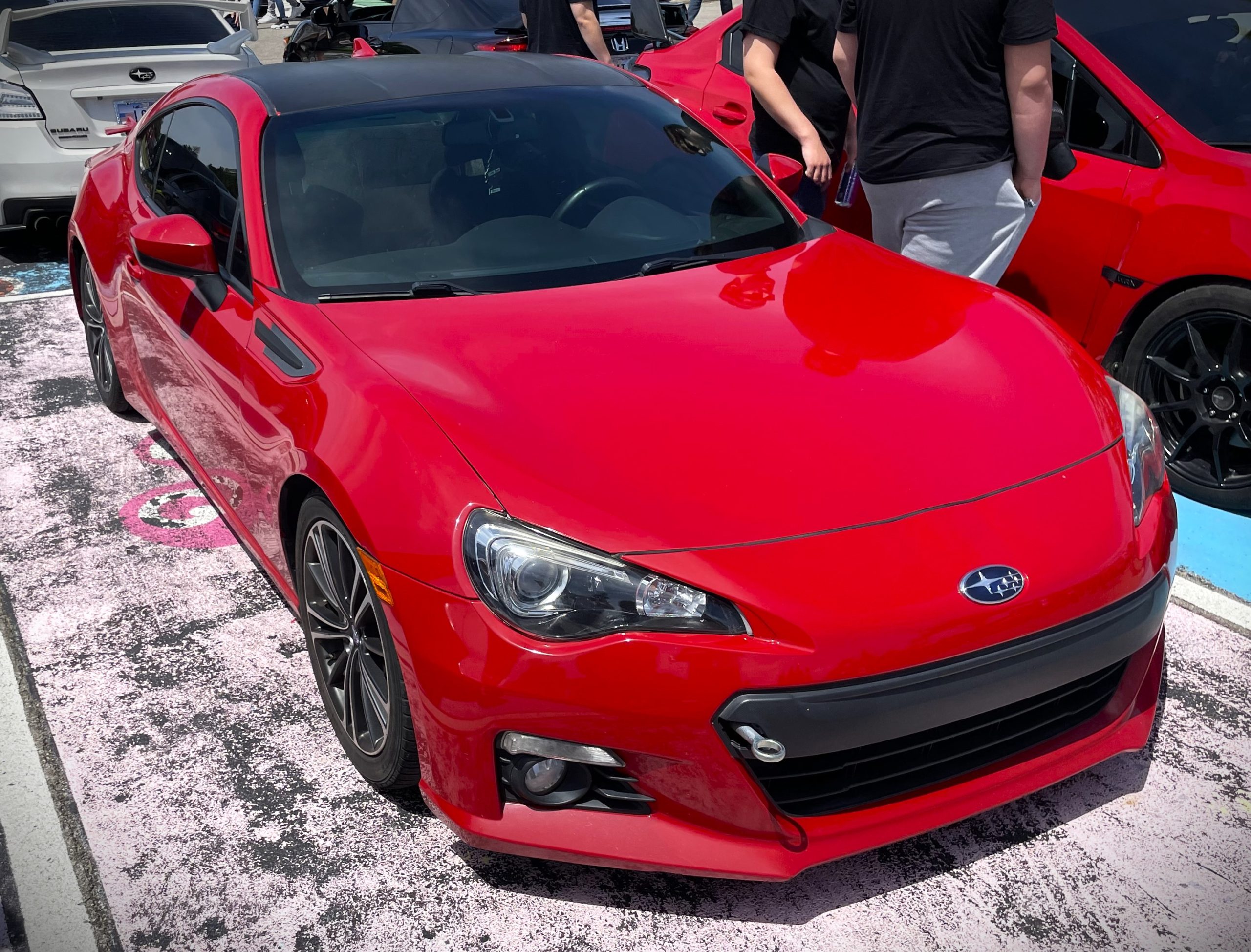
The tactic worked and Subaru came on board, allowing the 86 team to form. This proved beneficial in a number of ways, not least because all variants of the 86, FR-S, and Subaru’s BRZ version are built by Subaru.
In fact, while Toyota was responsible for much of the design work and project development, Subaru took on most of the engineering work, contributing a modified version of the Impreza chassis to the project.
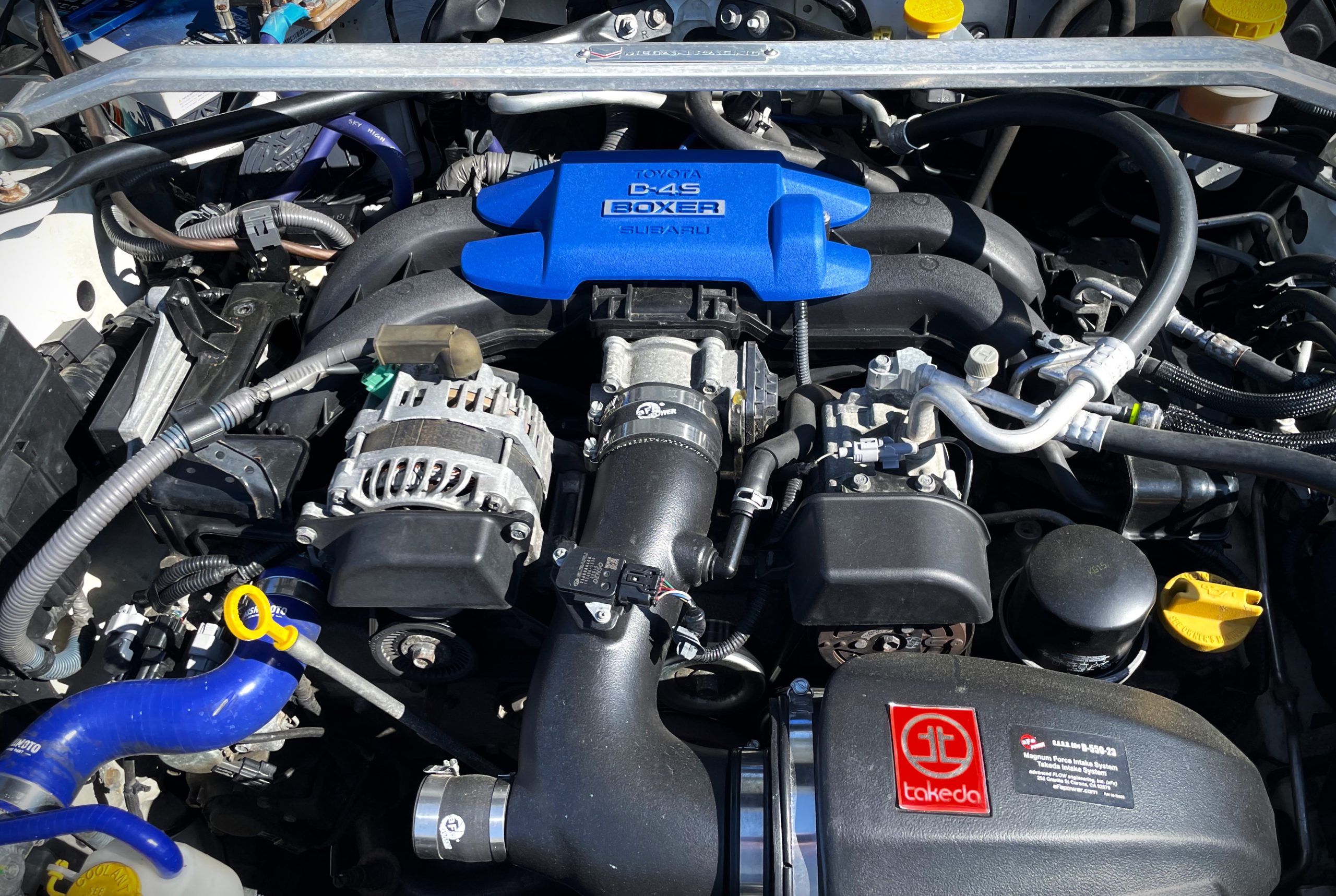
With Subaru on their side, Toyota was able to make another smart call when it came to improving the car’s driving dynamics and forward visibility: installing a boxer engine—remember the Sports 800?
Using Subaru’s newly developed FA20 engine paired with Toyota’s D4-S fuel injection system, the cars produced around 200 horsepower. That may seem low, but (also in line with the ol’ Yota-Hachi) the car clocked in light on the scale at around 2,800 pounds.
Don’t think that Toyota sat idly by while Subaru did all the heavy lifting.
While the chassis and engine may be Subaru-derived, the fuel injection system and both transmission options are sourced from Toyota/Aisin.
Toyota also handled the design work, with inspiration taken from numerous Toyota models of the past, but especially the 2000GT. This may not seem evident at first, but influences can be found especially in the front fender shape, rear window kick-up, and rear quarter body line.
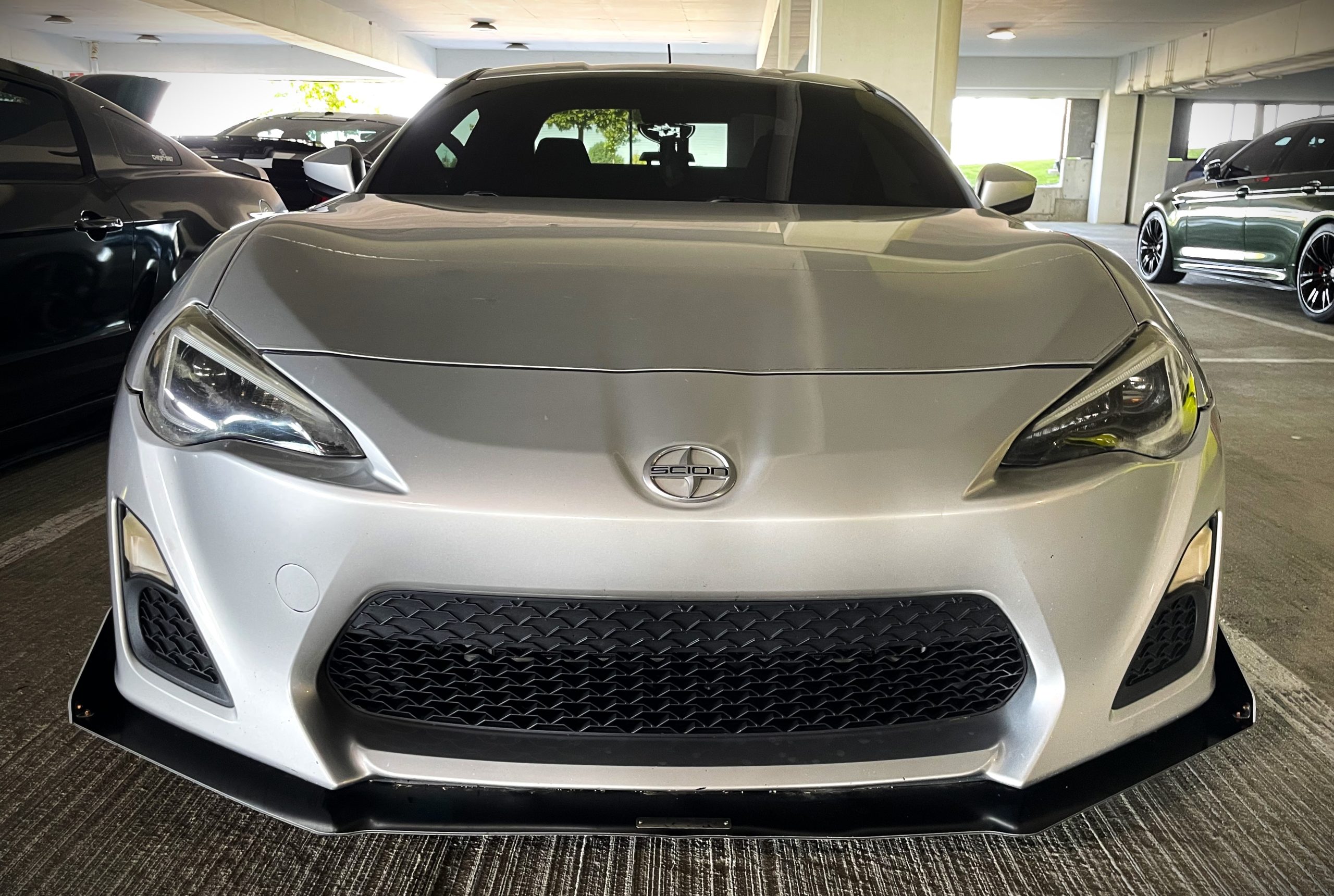
Now, let’s talk about the Scion FR-S for a bit.
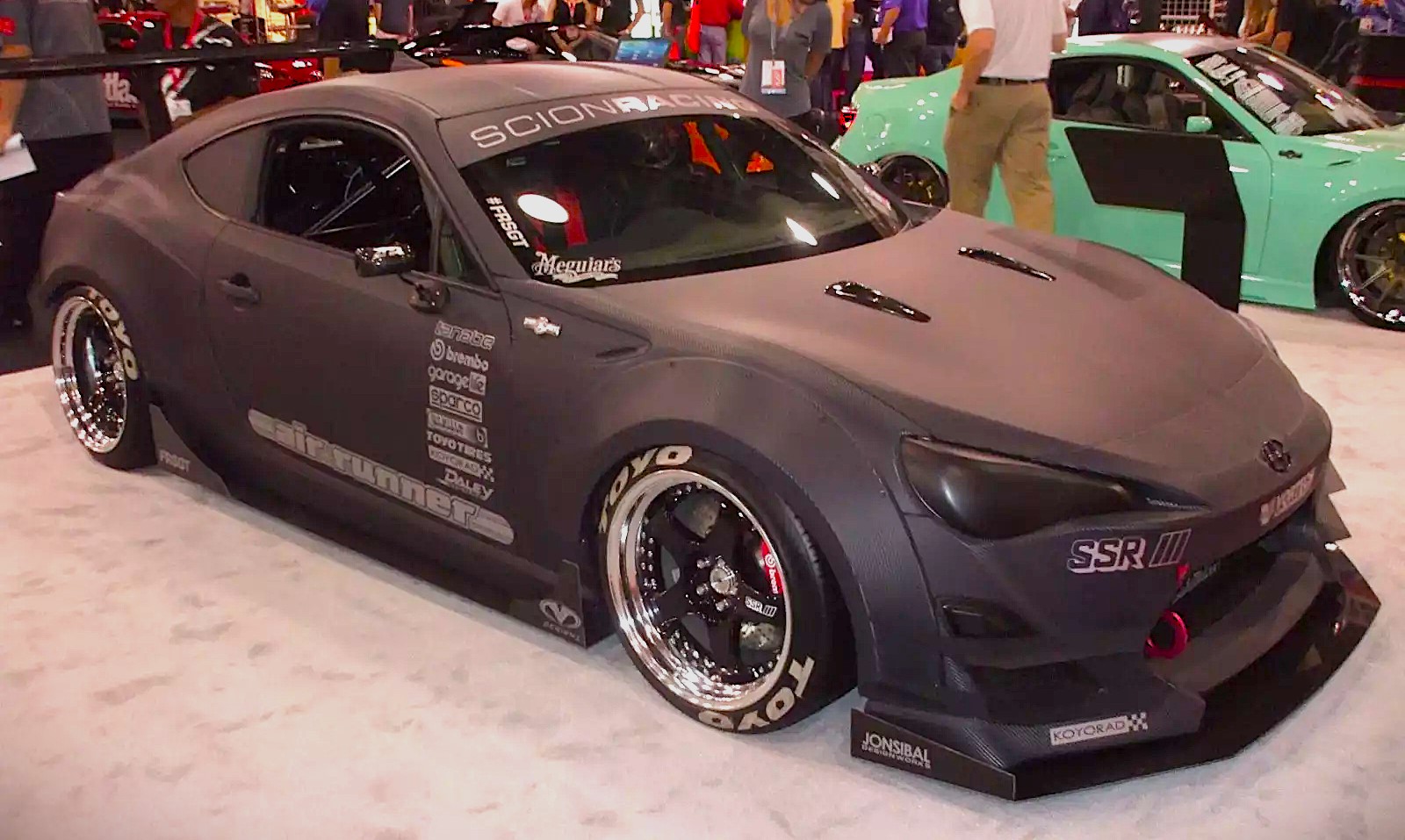
Around the turn of the century—right as the sport compact craze hit its peak—Toyota created the Scion brand for the United States and Canada to target the youth market. So when the 86 came Stateside, it made sense for Toyota to have its rev-happy sports car live under the Scion marque. And Toyota even gave the car a unique name for its Scion counterpart, the FR-S (which stood for Front engine Rear wheel drive Sports car).
That meant that in the U.S. and Canada, the Subaru BRZ and Scion FR-S shared the spotlight in the early days. But Toyota ultimately made the decision to shutter it’s youth-oriented Scion brand after the 2016 model year.
As a result, the FR-S moved back home to the Toyota mothership from 2017 onward. With the brand shuffling also came a new name—no longer the FR-S, Toyota simply called its sports car the “86” for the next few years.
The Next Generation
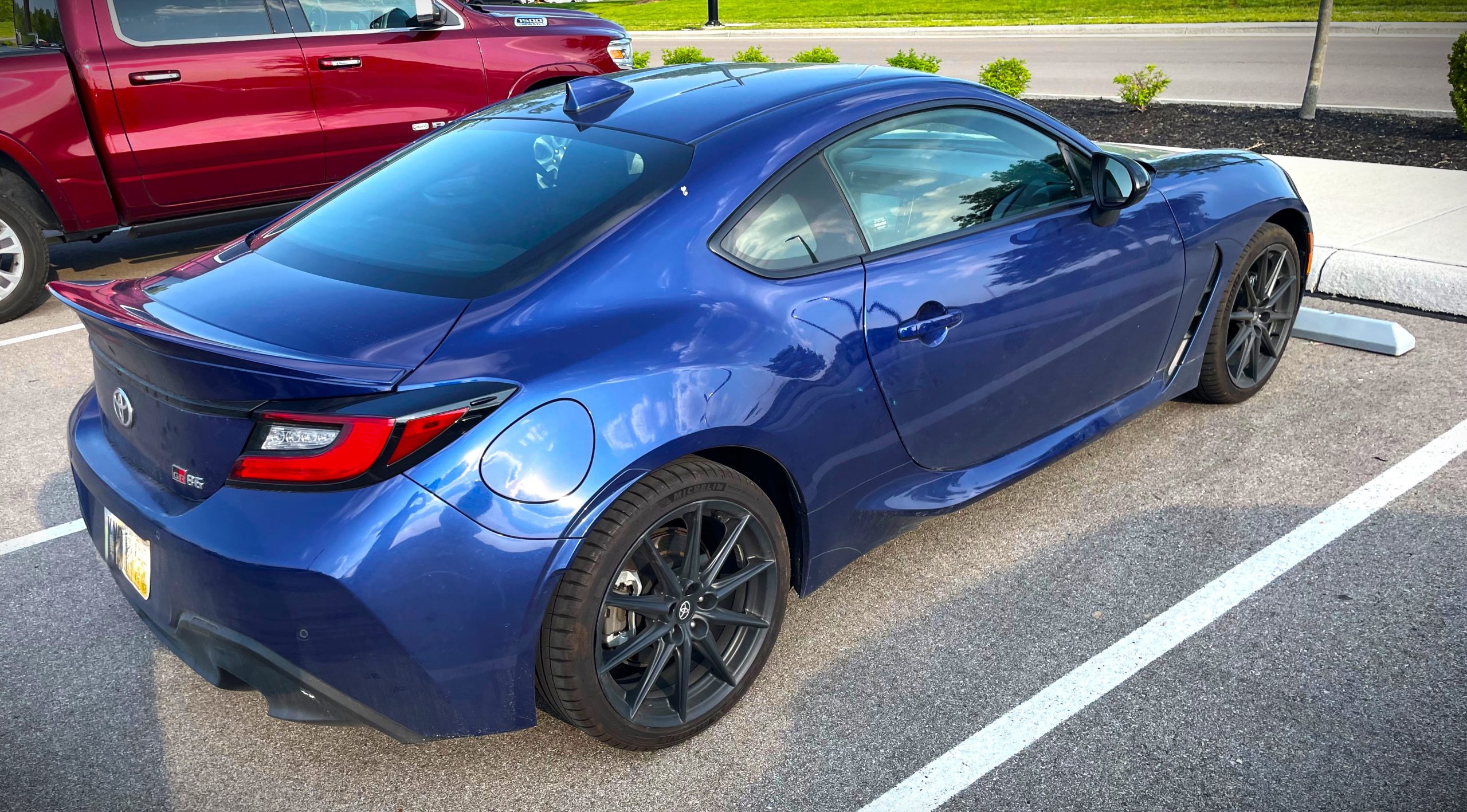
The Toyota 86 and Subaru BRZ lived on relatively unchanged until 2021, when the second generation car was unveiled.
Built upon and refined from their predecessor, the new twins packed more power and handling prowess than those that came before without sacrificing that driving experience that enthusiasts came to love.
In the United States and Canada, the Toyota version also got some more letters in its name. Now with its second-gen. redesign, the car was re-christened the GR86 as a nod to Toyota’s in-house motorsports division, Gazoo Racing. (Learn more about Gazoo Racing here.)
But, perhaps most importantly, the GR86 and BRZ continue to provide a candidly splendid platform for enthusiasts to enjoy and modify to suit their tastes. With the history of the Sports 800, 2000GT, and namesake AE86 behind them, these two sports coupes continue to be enjoyed by thousands of fans.
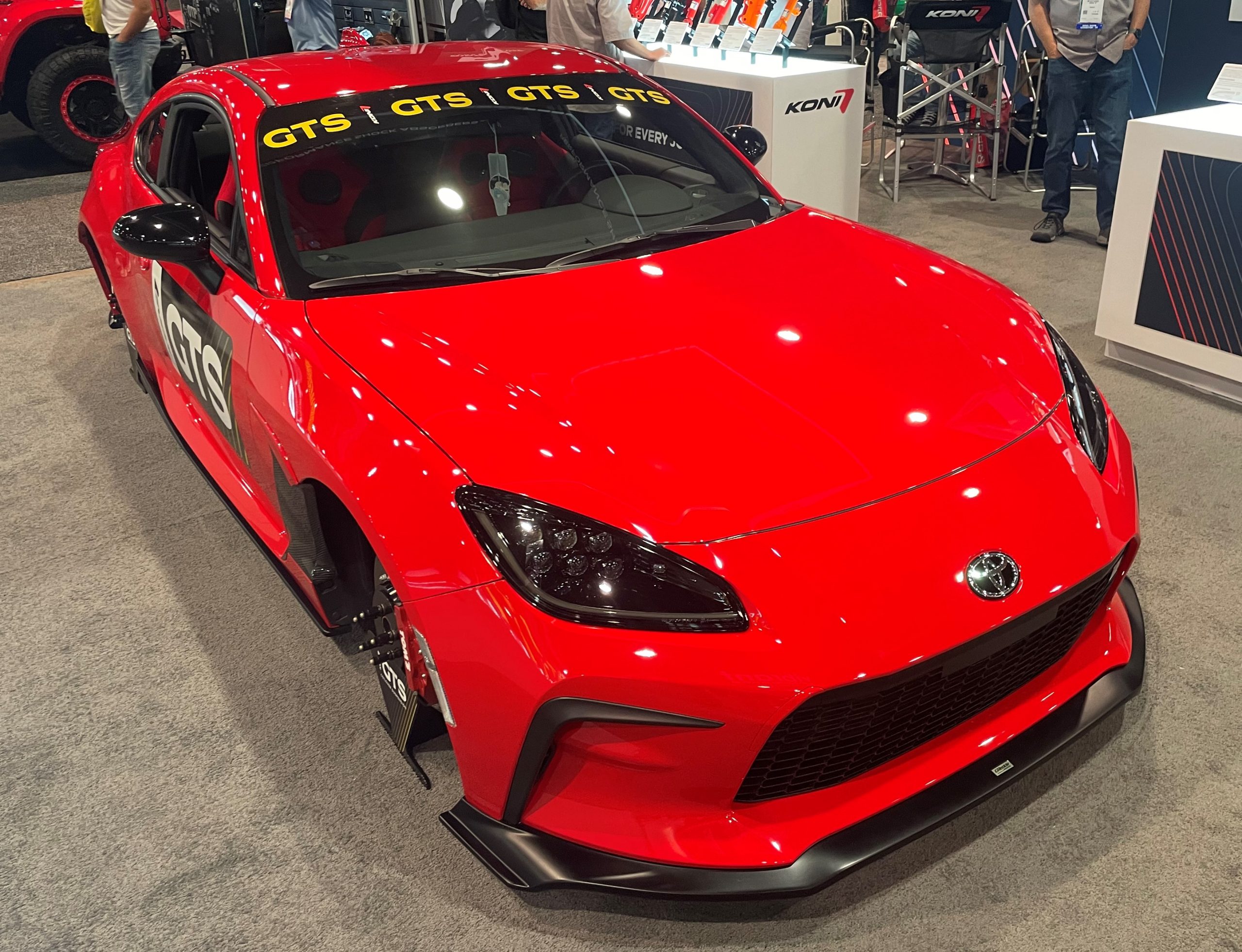
We happen to fall into that category, as do our friends over at Summit Racing, click below to check out the ever-growing list of parts and accessories for your ride:
- Scion FR-S (2013-2016)
- Subaru BRZ (2013+)
- Toyota 86 (2017-2020)
- Toyota GR86 (2021+)


Comments